Coloring tips: How to color A Realistic Seahorse Portrait coloring page well?
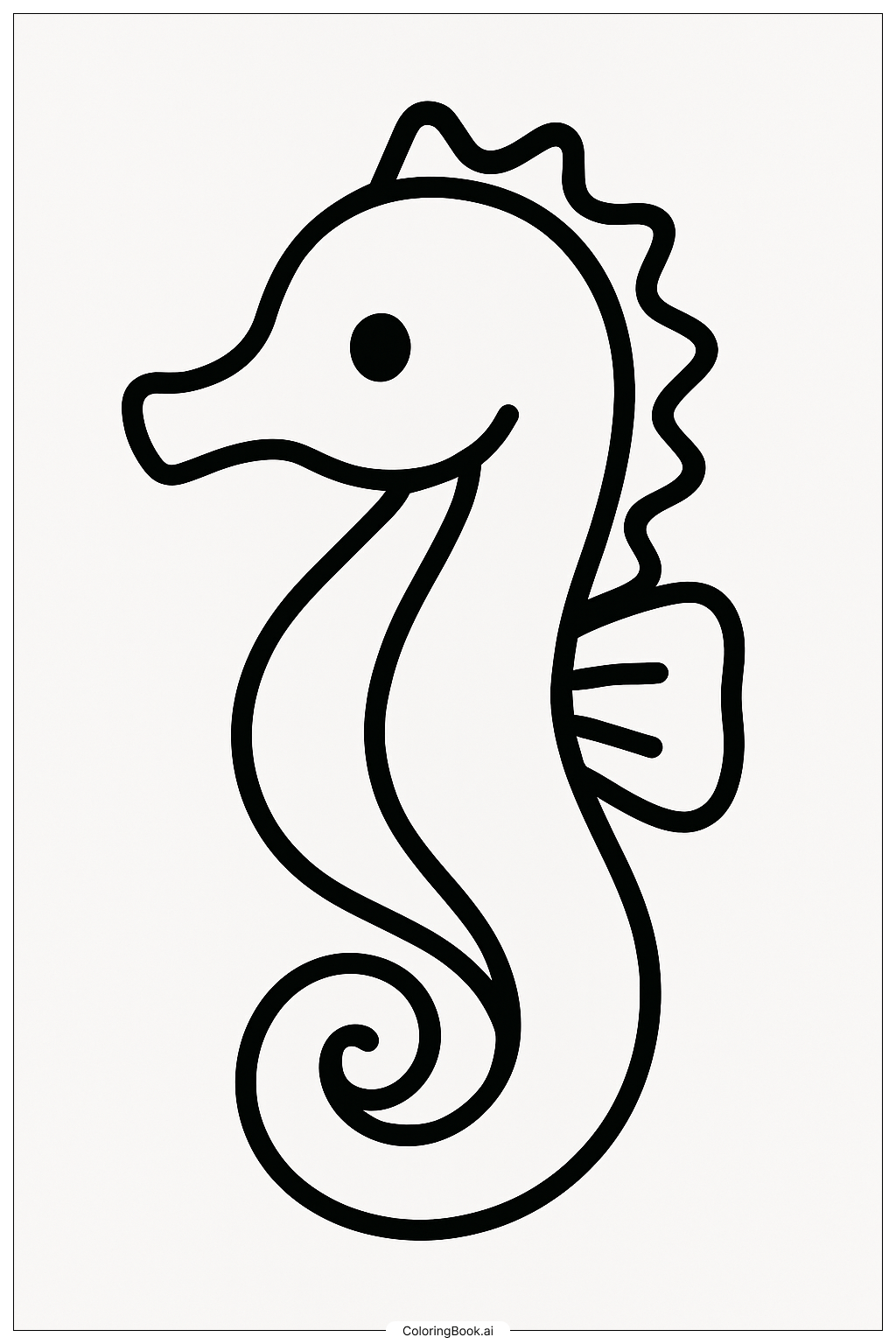
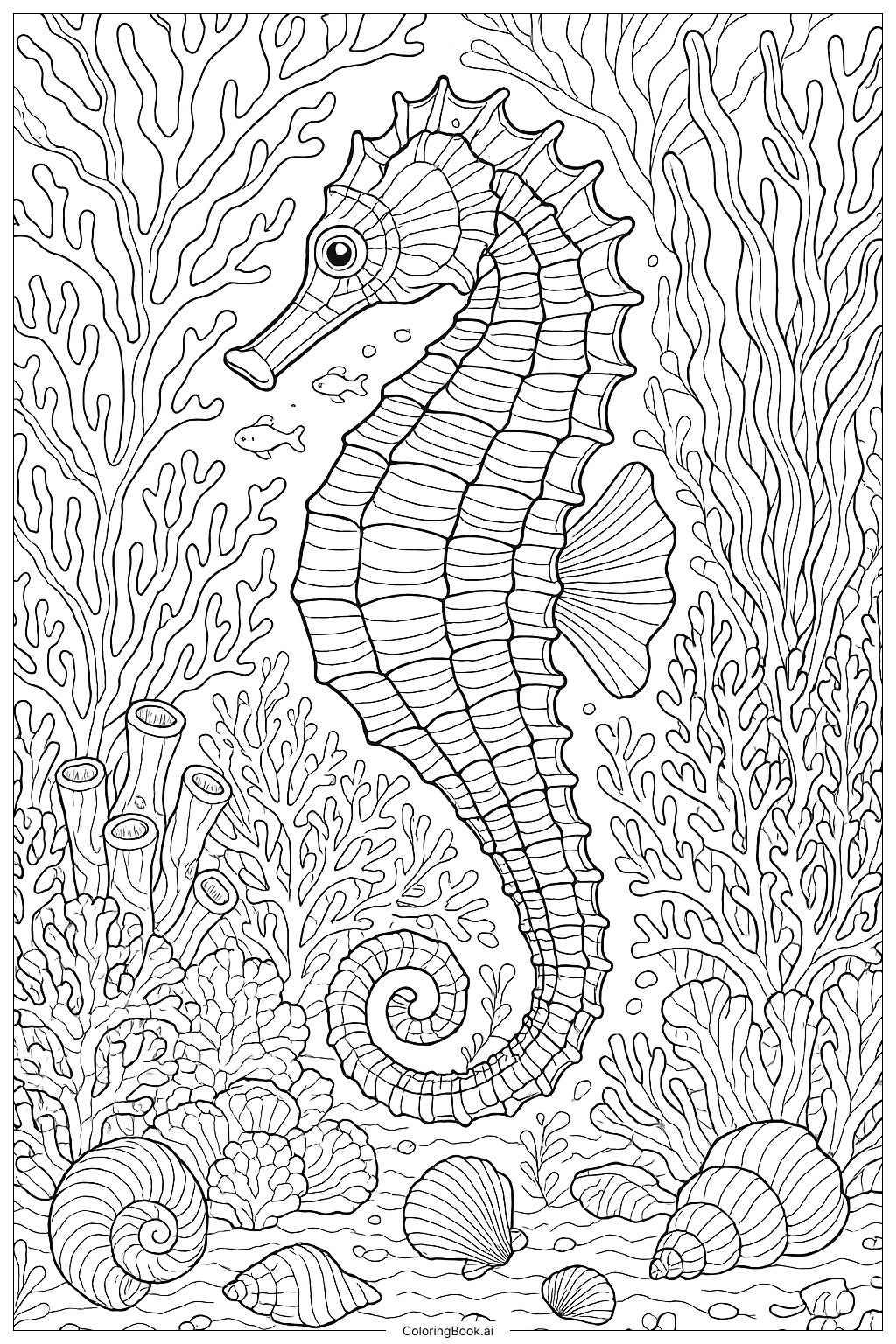
For coloring this seahorse, you can use soft shades of orange, yellow, and brown to mimic its natural colors. Try blending light and dark tones to show the seahorse’s bony texture and shadows. The tail can be colored with slightly darker hues to highlight the curls. You might add hints of blue or green around the seahorse to represent the ocean water. Use bright colors for the bubbles, like light blue or white, to make them stand out. Remember to color slowly and stay inside the lines, especially around the small details and spines. This will help your seahorse look more realistic and beautiful.
Coloring challenges: Which parts are difficult to color and need attention for A Realistic Seahorse Portrait coloring page?
• Fine Detail Complexity: The seahorse has many small lines and bony plates that create a very detailed pattern. Staying within these thin lines can be challenging, especially for younger children.
• Textured Body: Capturing the feel of the rough, armored surface through shading requires careful blending of colors and patience.
• Curled Tail Shapes: Coloring the spiral of the tail neatly can be tricky. It takes focus to color inside the small curves without overlapping.
• Bubble Highlights: The bubbles are small and round, demanding precision to color them evenly without smudging.
• Contrast Balancing: Using light and dark colors in the right places to show depth on the seahorse's body might be hard but makes the portrait really stand out.
Benefits of coloring books: Advantages of drawing A Realistic Seahorse Portrait coloring page
Coloring this image helps improve fine motor skills as the details require careful hand control. It encourages focus and patience, especially when working on the tiny parts like the tail and spines. Choosing colors and shading teaches children about how light and texture work in nature. It also sparks creativity by letting them experiment with colors beyond the natural palette. Lastly, coloring a realistic animal like a seahorse helps build knowledge and appreciation of marine life, making it a fun and educational activity.