Coloring tips: How to color Sea Turtle Wave Gesture coloring page well?
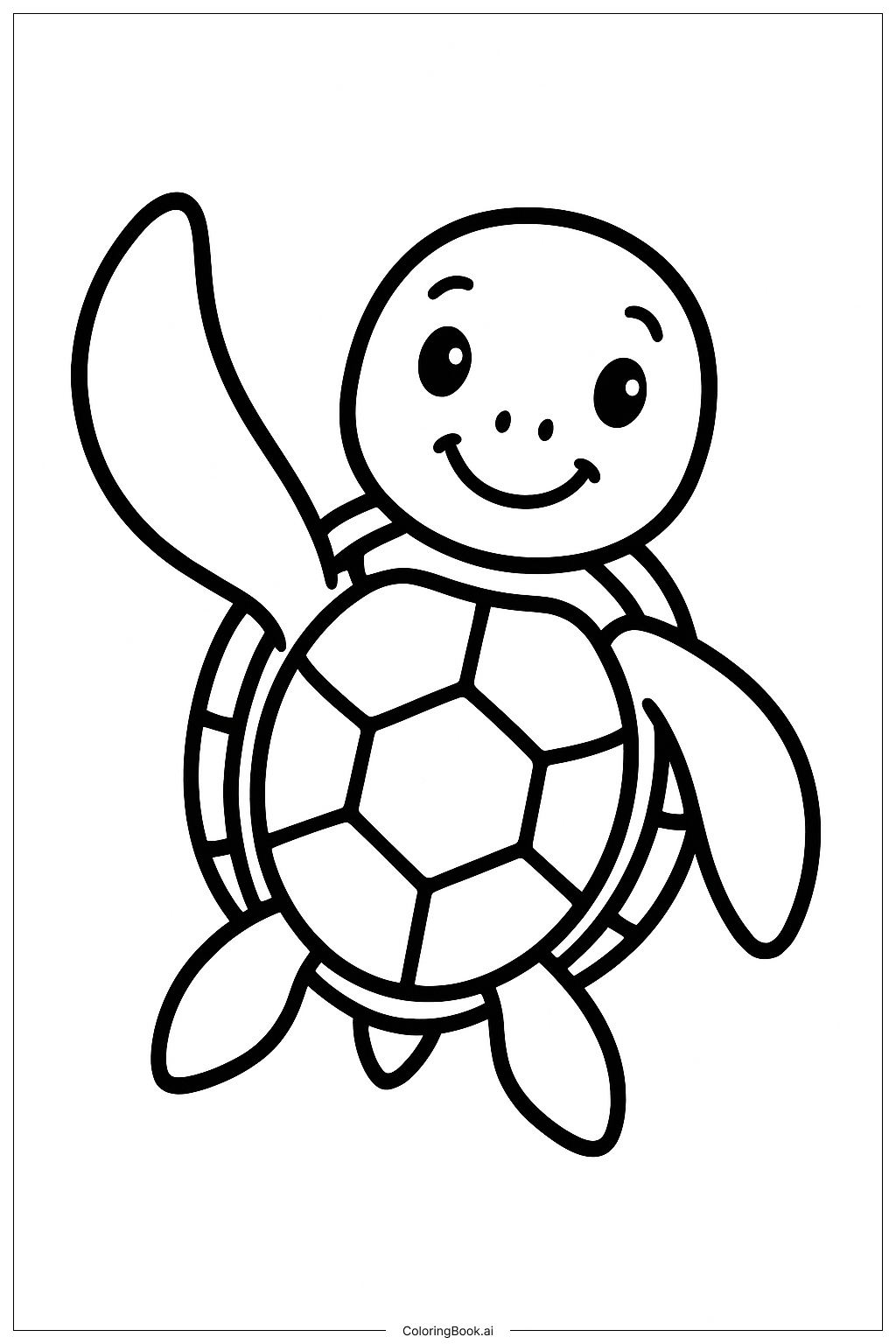
When coloring the Sea Turtle Wave Gesture, start by selecting shades of green, brown, and yellow for the shell to imitate natural turtle colors. You can use darker browns for the shell patterns and lighter greens or yellows for the softer parts. The flippers can be a mix of green and teal tones, adding depth by shading along the edges. For the turtle’s eyes, try using black or dark brown with a tiny white dot to make them look lively. Feel free to color the background with soft blues or aquamarine to create an ocean feel. Adding some light touches of orange or coral colors around the edges can suggest sunlight filtering underwater. Remember, you can be creative and use your favorite colors to make the Sea Turtle truly unique.
Coloring challenges: Which parts are difficult to color and need attention for Sea Turtle Wave Gesture coloring page?
• Shell Patterns: The complex and detailed shell designs require careful coloring within small and irregular shapes, which can be challenging for younger children.
• Flipper Texture: The fine lines on the flippers need steady hand control to avoid coloring outside the lines and to maintain the sense of texture.
• Facial Details: Capturing expression in the turtle’s eyes requires precision, especially when coloring small areas like the pupils and highlights.
• Overlapping Elements: The flipper overlapping the body means careful shading might be needed to create a natural look without blurring the edges.
• Color Blending: Achieving natural transitions between shell tones or blending ocean colors around the turtle may be difficult for beginners but adds to the realism.
Benefits of coloring books: Advantages of drawing Sea Turtle Wave Gesture coloring page
Coloring the Sea Turtle Wave Gesture helps develop fine motor skills and hand-eye coordination as children work to fill detailed areas and patterns. It encourages focus and patience, especially when navigating the shell’s intricate designs and the turtle’s expressive features. The theme promotes learning about marine life and inspires curiosity about sea turtles and their habitats. Additionally, choosing colors and shading nurtures creativity and imagination. This image also offers an opportunity to practice blending and layering techniques, which can enhance coloring skills overall. Finally, experiencing a sense of accomplishment from completing such a beautiful sea creature can boost confidence and encourage further artistic exploration.