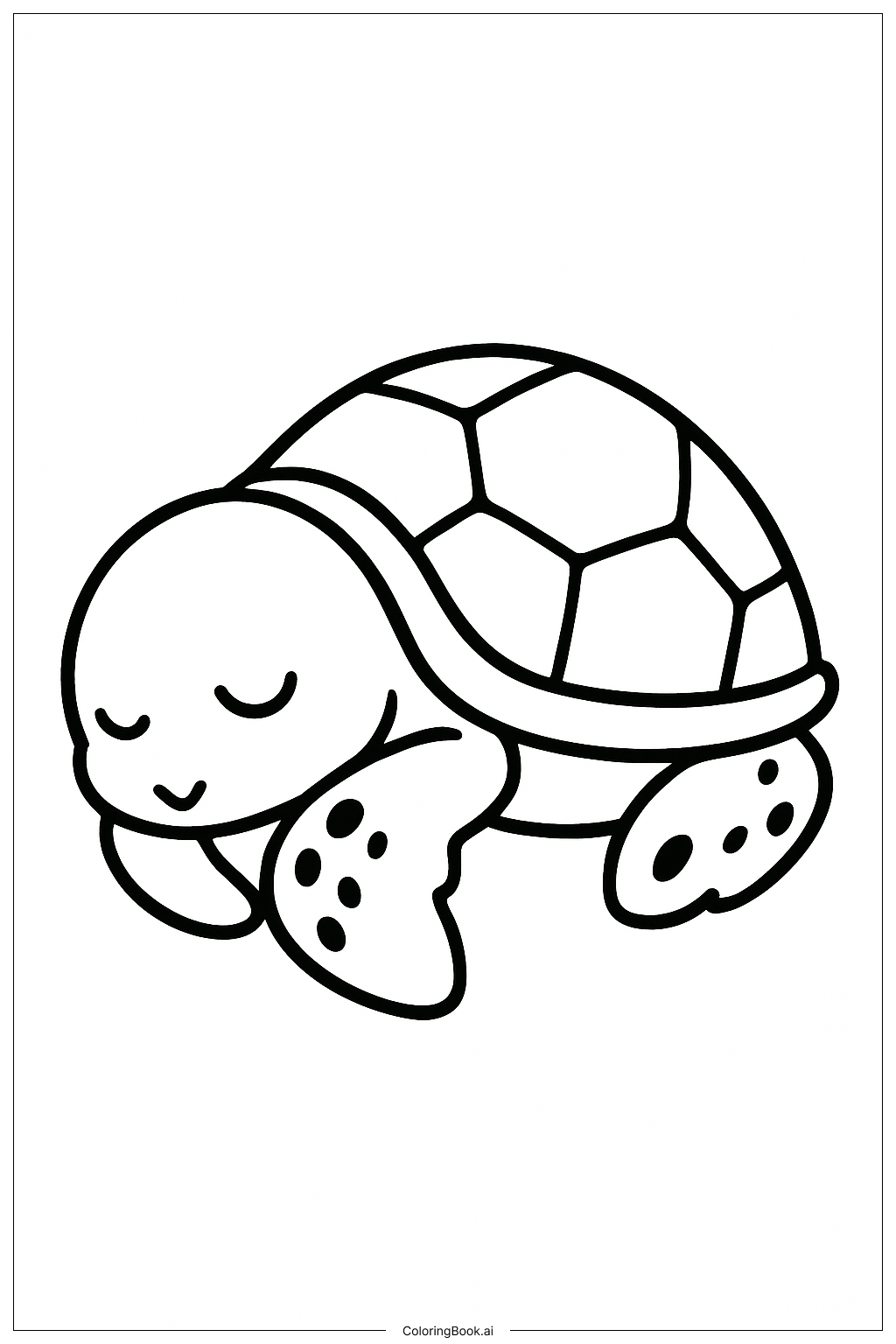
Coloring tips: How to color Sea Turtle Sleeping coloring page well?
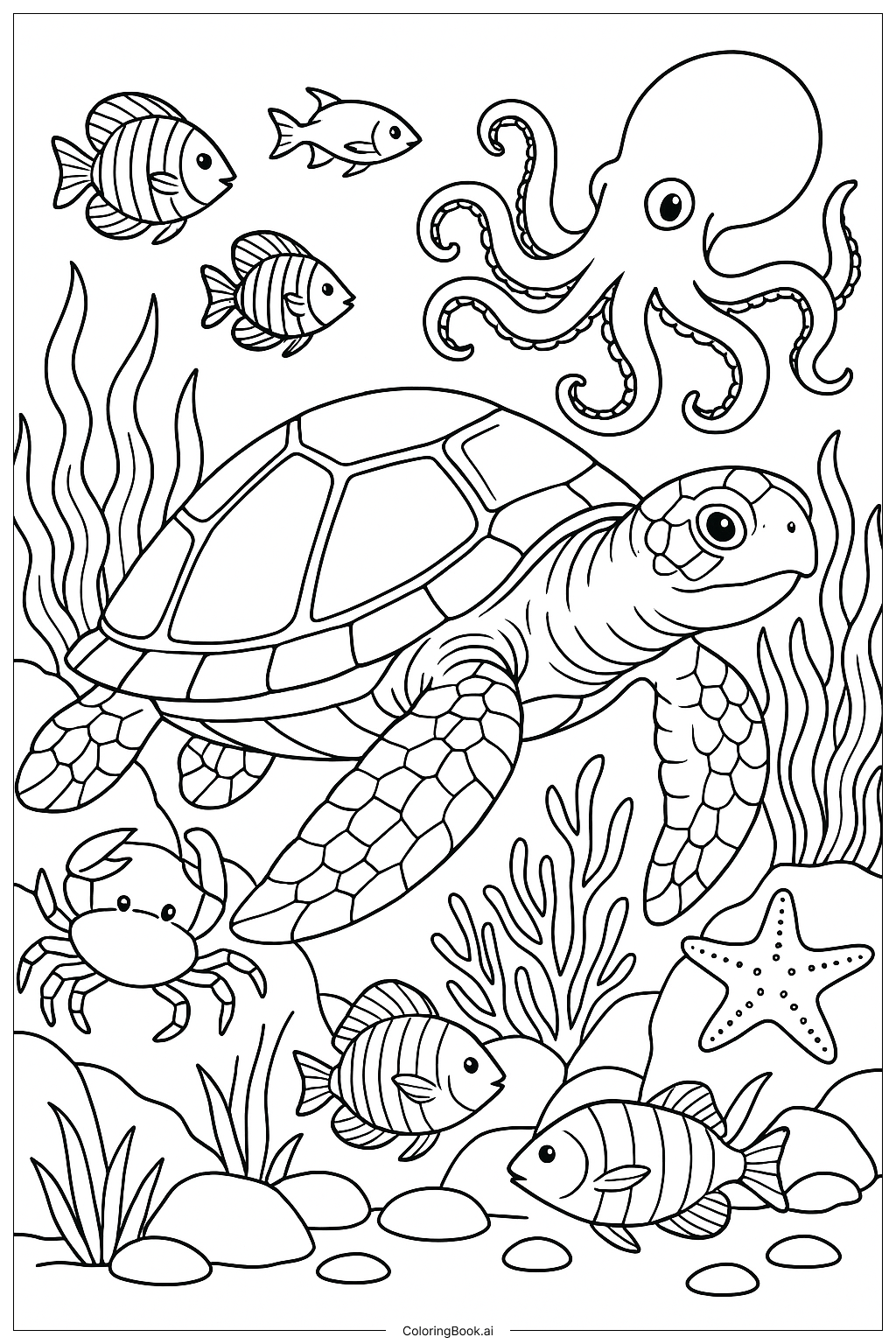
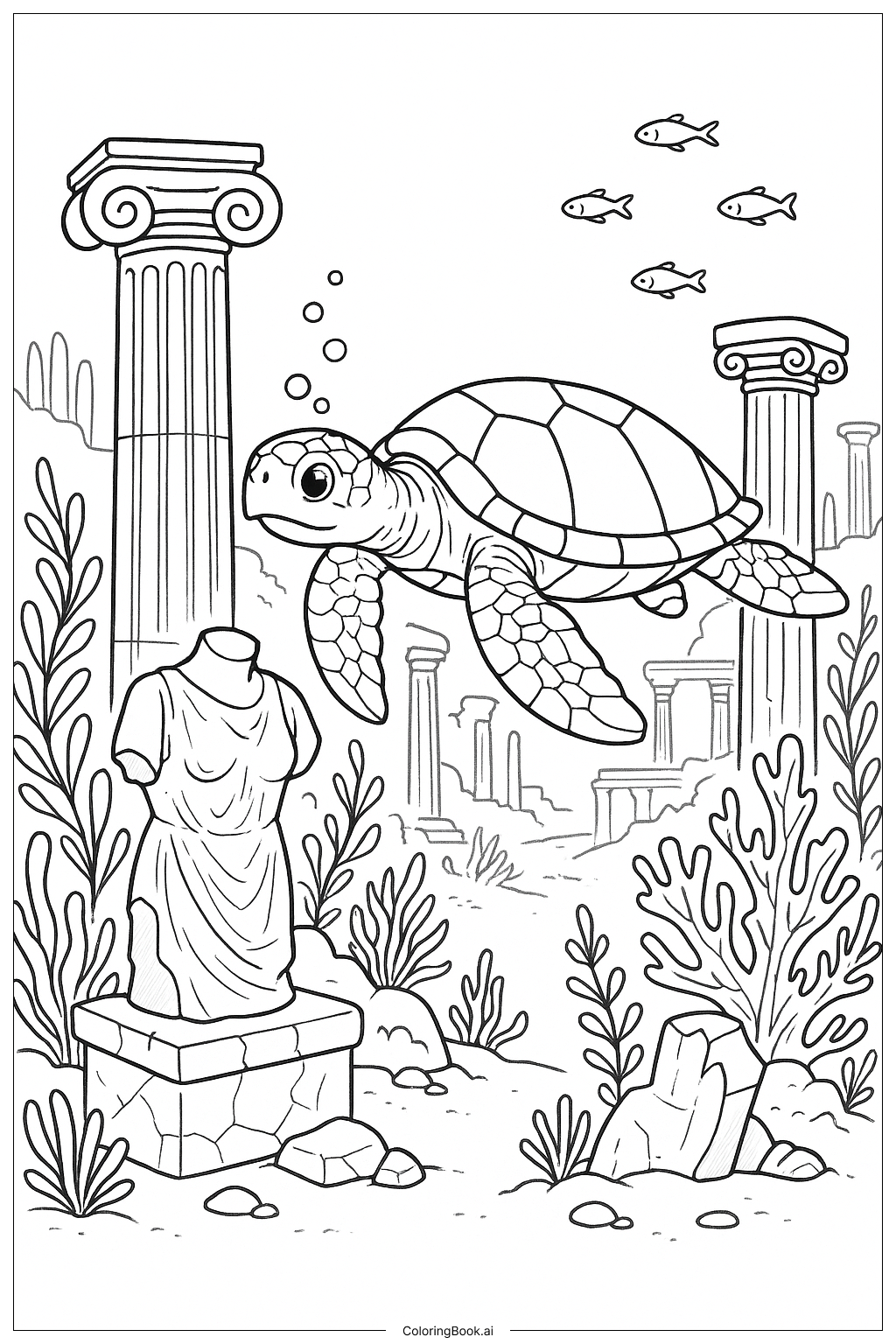
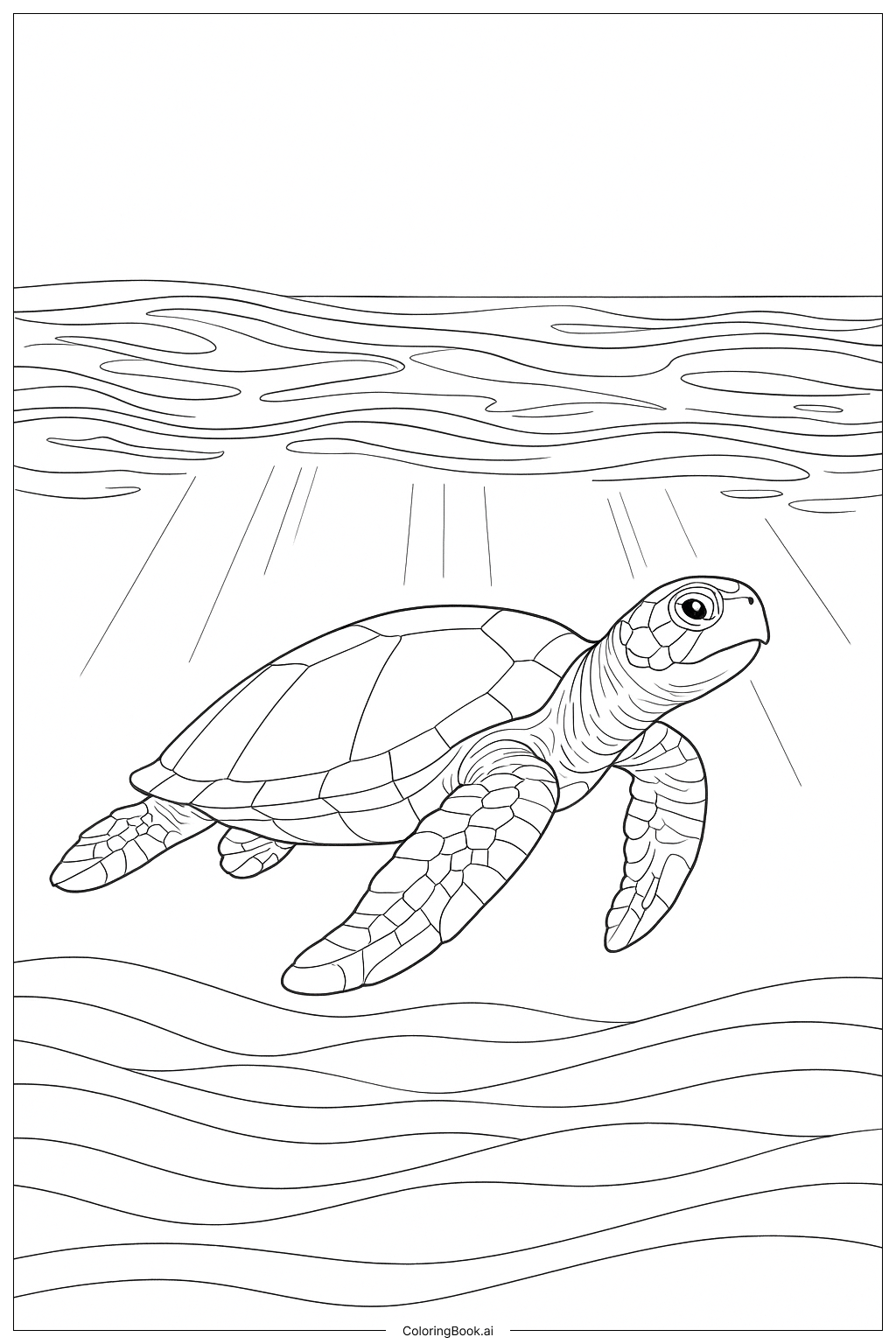
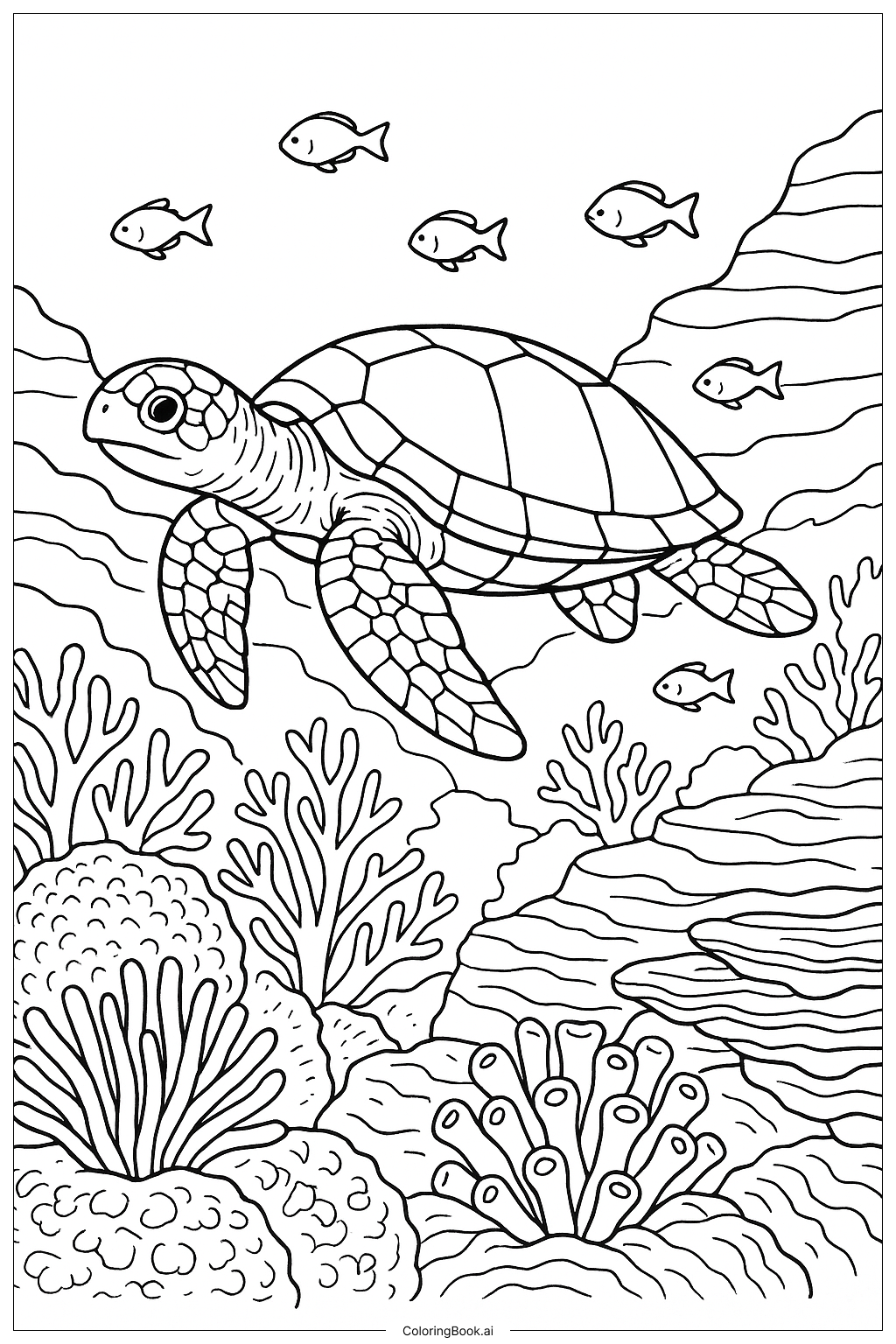
Use soft, calming colors for this sleeping sea turtle to match its peaceful mood. Light green or teal can be used for the shell, with shades of brown or yellow for the patterns. The turtle's skin can be colored in pale green or gray tones. You can add gentle blue or sandy colors in the background to suggest the ocean or beach. Try blending colors lightly to keep the feeling of calmness. Avoid bright and harsh colors to maintain the relaxing atmosphere. Use crayons or colored pencils for smooth coloring.
Coloring challenges: Which parts are difficult to color and need attention for Sea Turtle Sleeping coloring page?
1. The shell patterns might be tricky due to their shapes and spaces, requiring careful coloring inside each section.
2. Coloring the small spots on the flippers neatly can be challenging for younger children.
3. Maintaining the soft, calm mood with appropriate color choices might need some guidance.
4. Balancing colors between the shell, skin, and background without making it too busy could be difficult.
5. Coloring inside the curved lines without going outside requires fine motor skills, especially for younger kids.
Benefits of coloring books: Advantages of drawing Sea Turtle Sleeping coloring page
Coloring this sea turtle helps children improve their focus and patience. It encourages them to practice coloring inside the lines, which builds fine motor skills. Choosing soft colors promotes creativity while learning about calm and peaceful scenes. This activity also teaches kids about marine life and the importance of sea turtles. Overall, it is a relaxing and enjoyable way for children to express themselves artistically.