Coloring tips: How to color Sea Turtle Blowing Bubbles coloring page well?
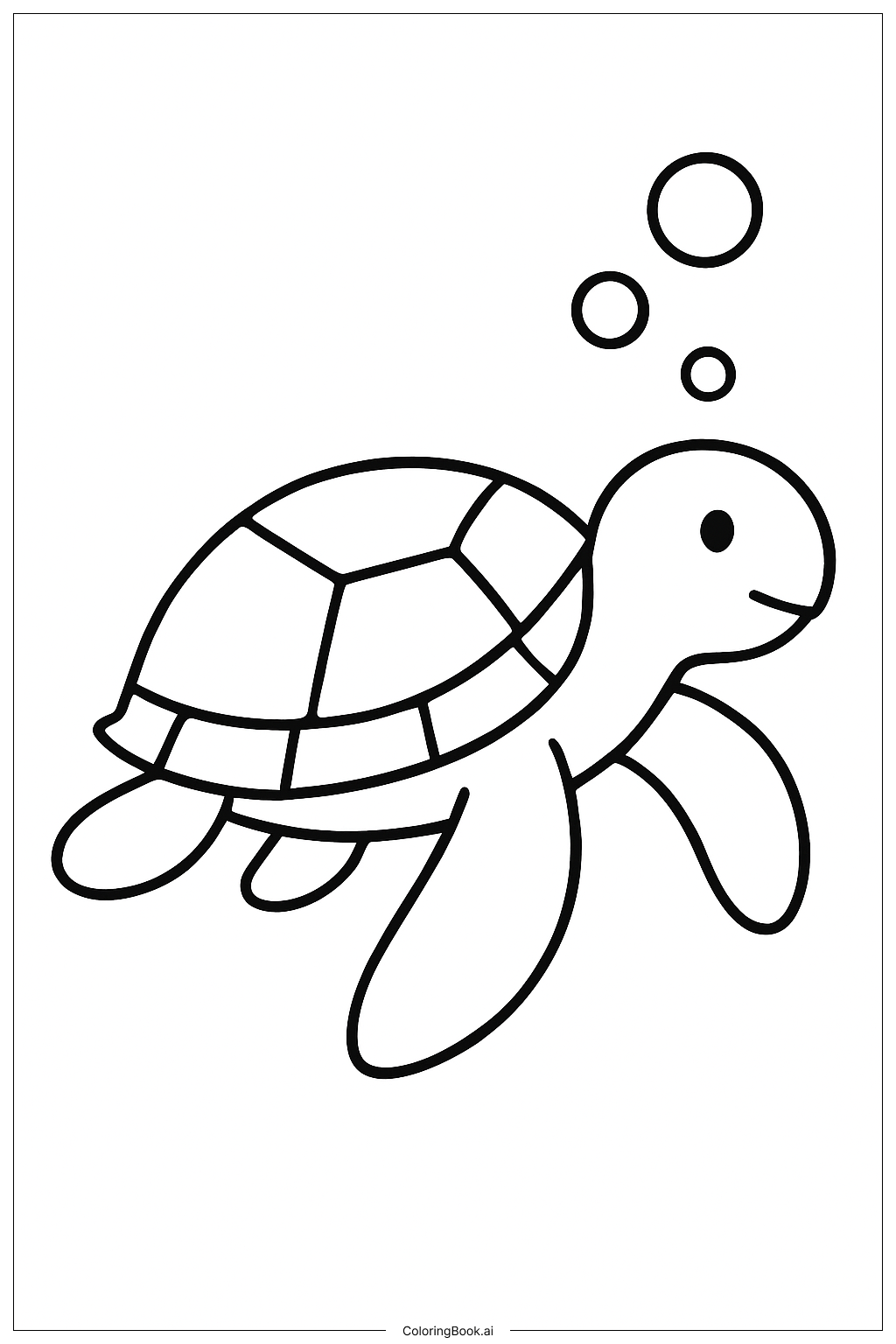
Use shades of green and brown to color the turtle's shell and flippers, as sea turtles are usually greenish or brownish. Try mixing different tones to make the shell look realistic and interesting. For the bubbles, use light blue or white with soft shading to show they are transparent and shining. The turtle’s body can be a lighter green or grayish color. You can also add some blue or turquoise around the turtle to suggest water. Let your colors stay bright and fresh to make the turtle look lively.
Coloring challenges: Which parts are difficult to color and need attention for Sea Turtle Blowing Bubbles coloring page?
1. Coloring the shell's sections evenly can be tricky because of the small shapes and lines.
2. Shading the bubbles requires gentle color changes to keep them looking clear and round.
3. Balancing colors on the turtle's body and shell to make it look natural might be challenging.
4. Avoiding color outside the lines when coloring the thin neck and flippers needs careful attention.
5. Blending the background water colors smoothly without overpowering the turtle needs control.
Benefits of coloring books: Advantages of drawing Sea Turtle Blowing Bubbles coloring page
Coloring this sea turtle picture helps improve focus as kids work on small sections and details. It also encourages creativity by choosing different shades and blending colors. The simple lines make it easy for beginners to practice staying inside the lines, improving fine motor skills. Coloring bubbles and turtle patterns teaches children about shapes and transparency. Overall, it offers a fun way to learn about sea animals and boost concentration and artistic expression.