Coloring tips: How to color Sea Shells On Sandy Beach coloring page well?
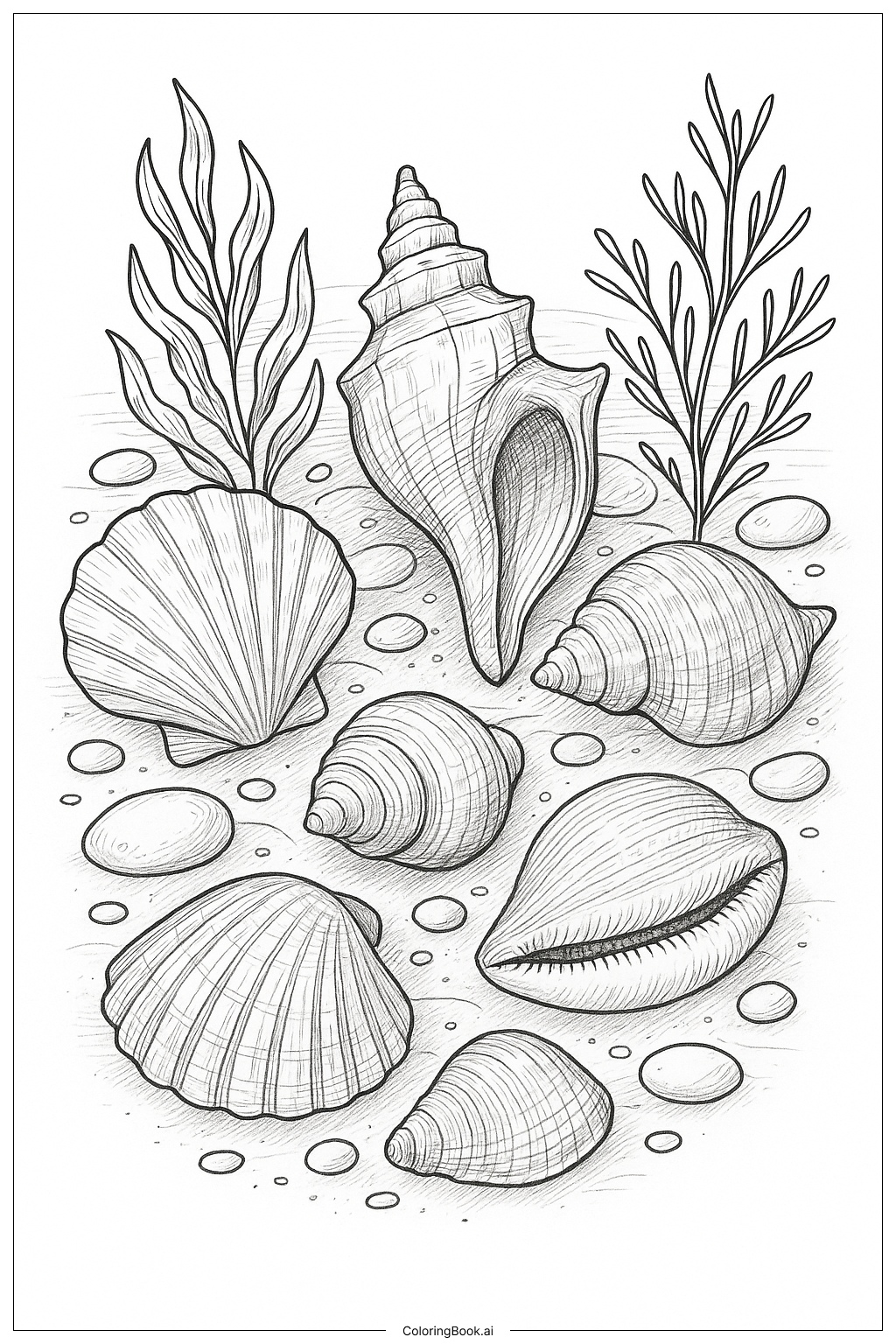
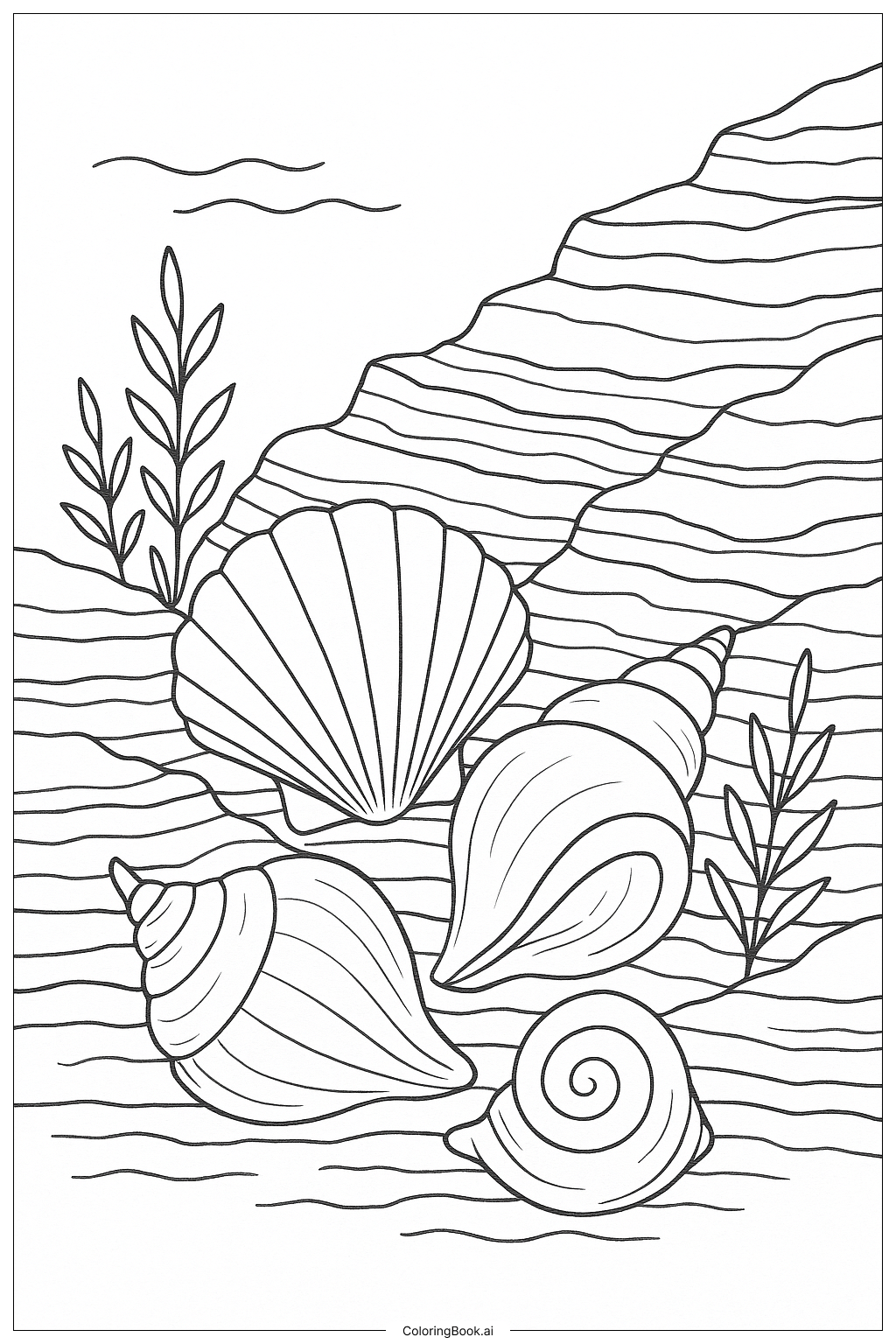
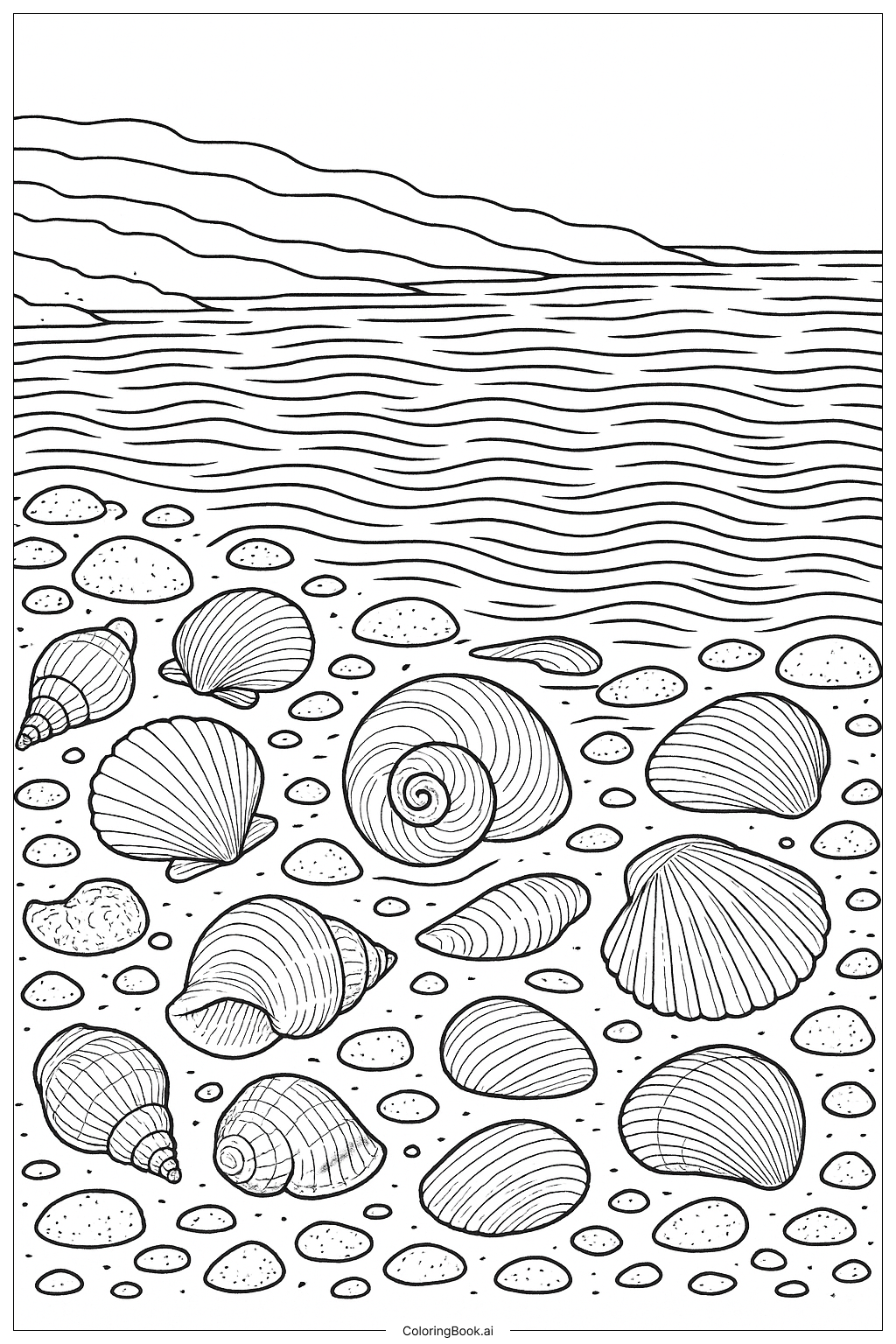
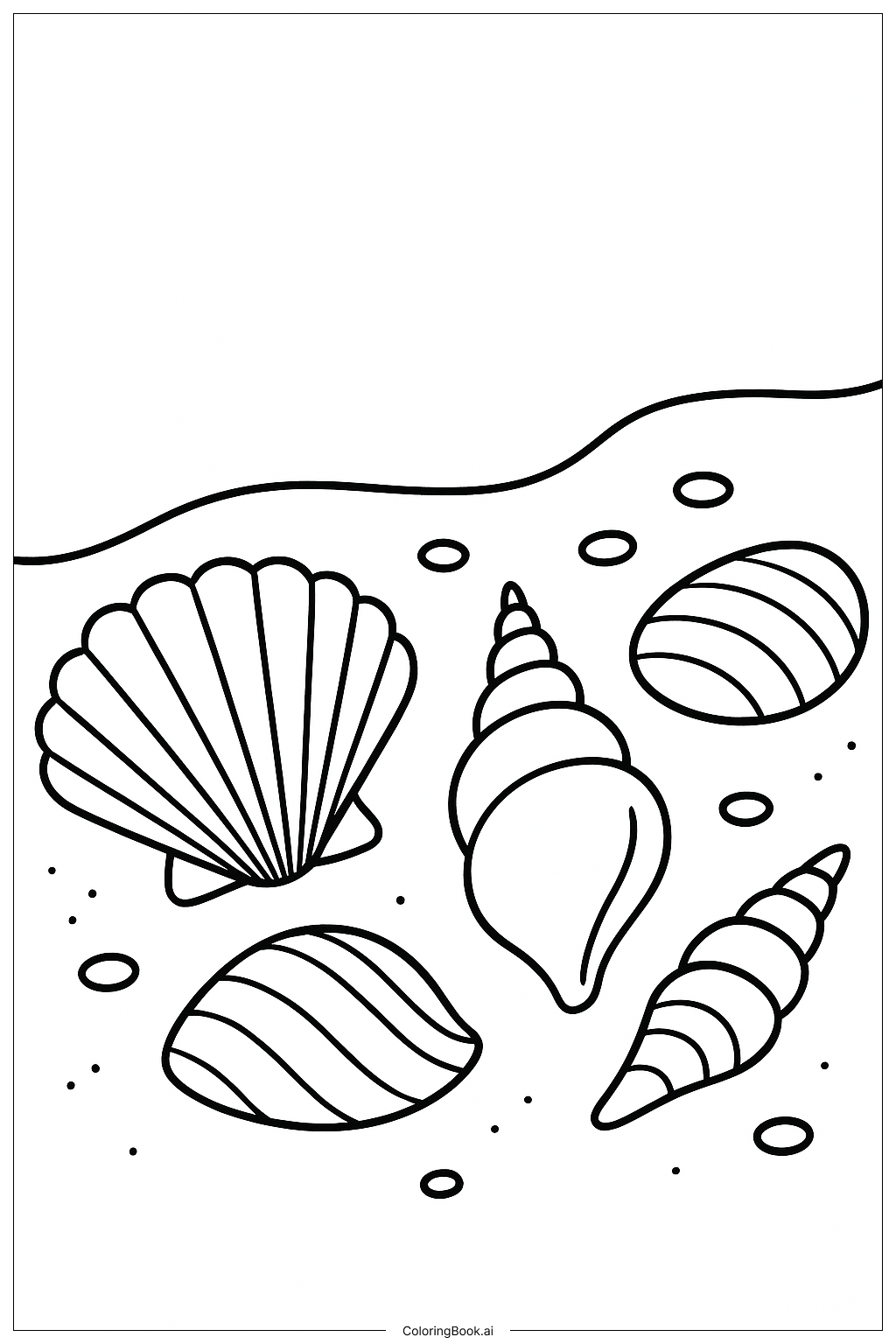
Use a variety of colors to make each seashell look unique. Choose soft pastel colors like pink, light blue, and lavender for the round shells, and brighter colors like orange, yellow, or red for the spiral shells. For the sand, use light tan, beige, or cream colors. You can add highlights with white to show light reflection on the shells. Try blending colors gently to create a smooth and natural look. Use a darker color for the shoreline to create contrast and make the shells stand out more.
Coloring challenges: Which parts are difficult to color and need attention for Sea Shells On Sandy Beach coloring page?
1. Small details: The tiny pebbles and dots around the shells are small and require careful coloring to avoid going outside the lines.
2. Curved lines: The shells have many curved lines and ridges that may be tricky to fill evenly.
3. Shading and texture: Showing the natural texture of the shells needs some attention to shading to make the shells look realistic.
4. Color choice: Picking colors that look good together and represent natural seashell colors can be challenging.
5. Staying within the border: Coloring the area around the shells carefully without overlapping the background line can be difficult for young children.
Benefits of coloring books: Advantages of drawing Sea Shells On Sandy Beach coloring page
Coloring this seashell scene helps children improve their fine motor skills by practicing staying inside the lines. It encourages creativity as they choose colors and patterns for each shell. The picture also teaches about nature and helps develop attention to detail by focusing on small shapes like pebbles and ridges. Coloring can be calming and fun, promoting relaxation and concentration. Overall, it is a great way for children to connect with the beauty of the beach and learn about different seashell types.