Coloring tips: How to color A Dog Watching a School Bus coloring page well?
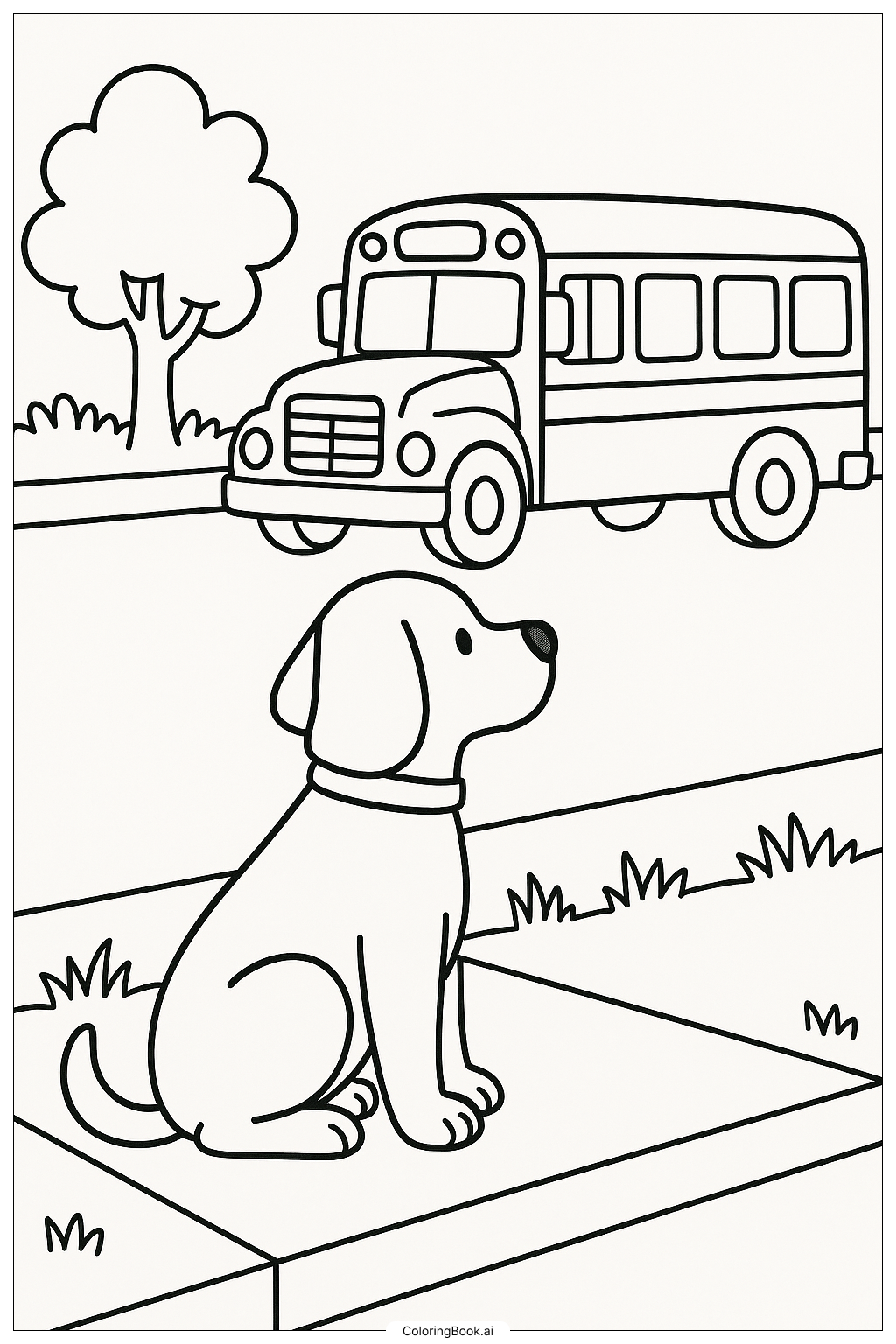
Start with the school bus by filling it in with a bright, sunny yellow. Use a darker yellow or orange for the window frames and bumpers to add depth. Color the bus windows with light blue to give a sense of glass, and add small round faces inside with peach or tan skin tones and colorful clothing. For the dog, choose a warm brown, golden, or spotted coat — maybe tan with white patches for a playful look. Use black or dark brown for the nose and eyes to make them pop. Color the road in light gray, the grass in fresh green, and the sky in soft blue with white or light gray clouds. Keep the colors cheerful and bright to match the fun, friendly mood of the scene.
Coloring challenges: Which parts are difficult to color and need attention for A Dog Watching a School Bus coloring page?
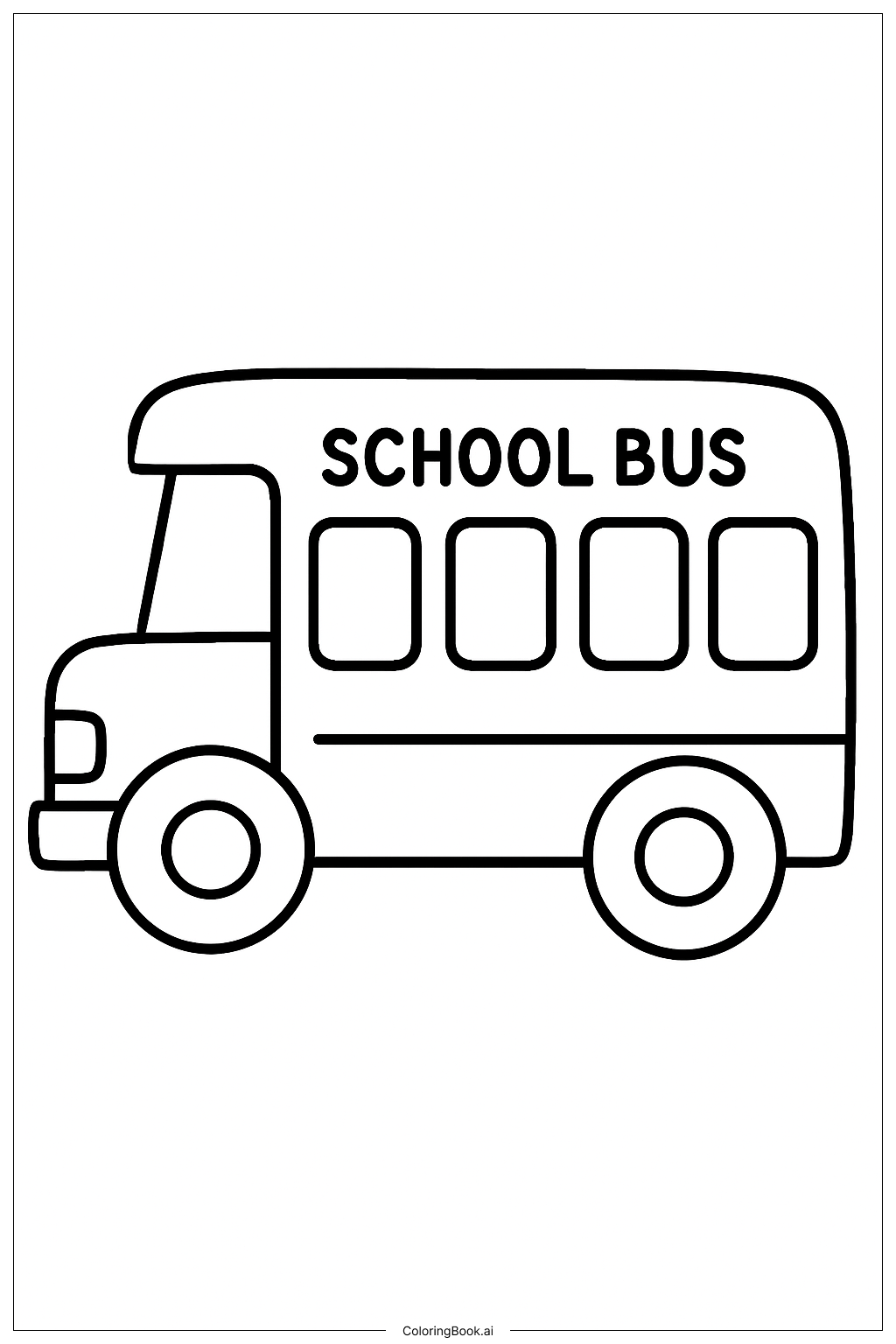
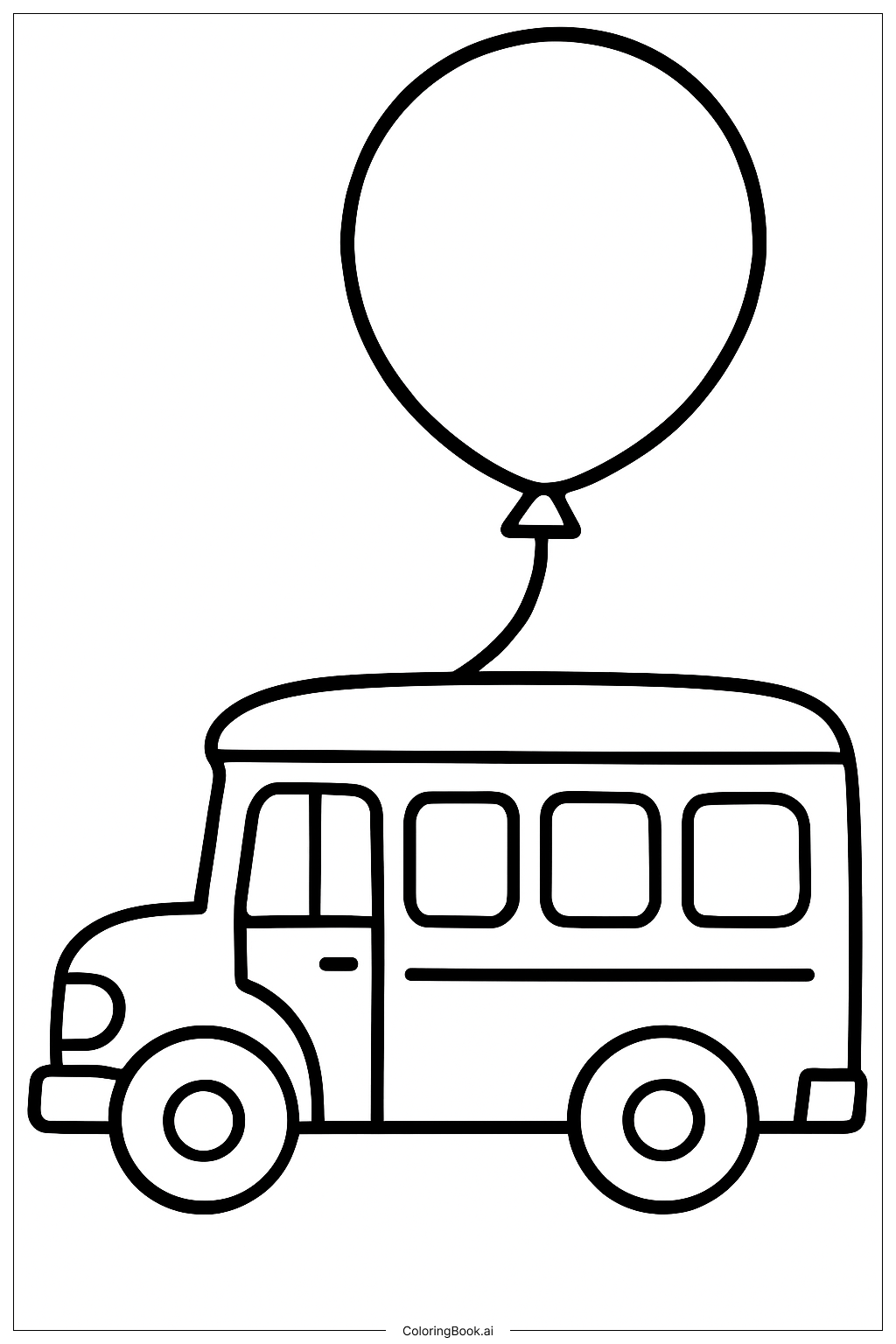
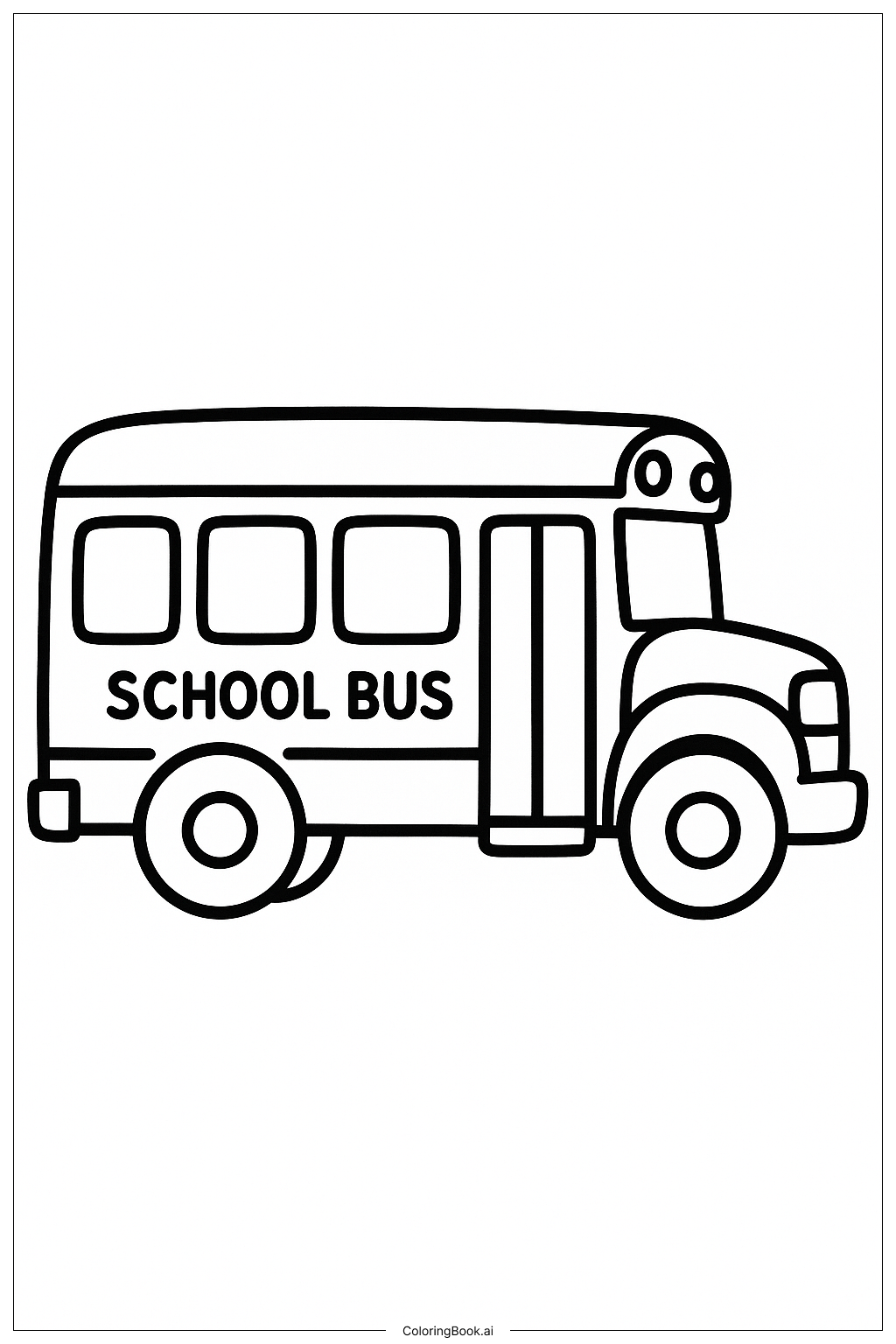
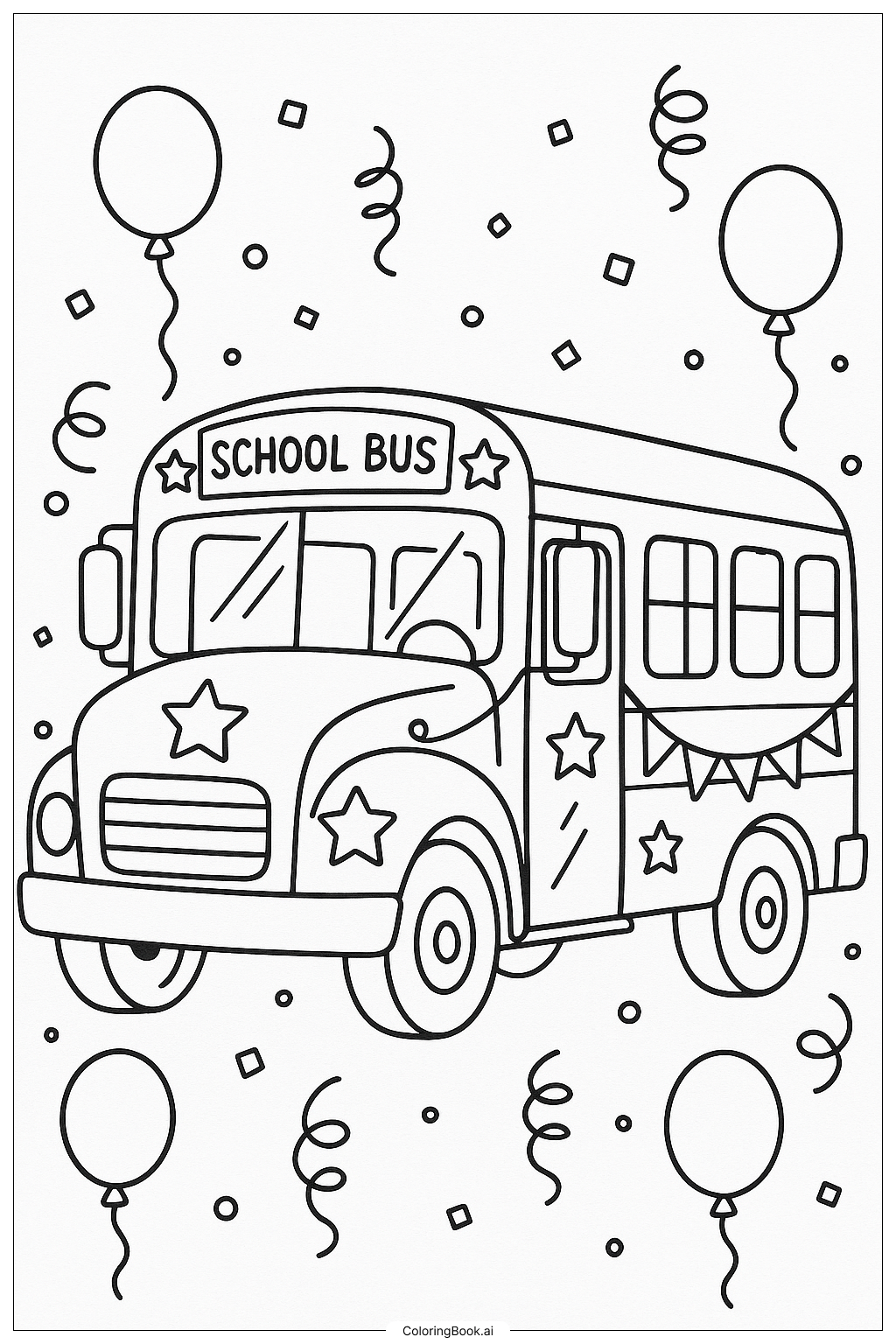
• School Bus Details: The school bus has many small parts — windows, wheels, door panels, bumpers, and headlights. Coloring each part separately without going outside the lines takes a steady hand. Using a thin-tipped colored pencil or marker for the smaller sections will make this much easier and keep the bus looking neat and realistic.
• Dog's Fur Texture: Getting the dog's fur to look natural can be tricky. Simply filling in one flat color may look dull. Try using short, light strokes in the direction the fur grows, and layer two or three shades of the same color family for a soft, lifelike effect. Darker tones around the ears, paws, and underbelly add depth.
• Children in the Windows: The small figures peeking through the bus windows are very tiny and close together. Coloring them carefully with fine-tipped tools is important to avoid colors bleeding into each other. Keep skin tones consistent and use small details like dots for eyes to bring them to life without overcrowding the space.
• Background Balance: The scene includes a road, grass, and sky. Balancing these background colors so they support the main subjects — the dog and the bus — without overpowering them is a challenge. Use softer, lighter tones for the background and save the brightest colors for the bus and the dog.
• Transition Between Ground and Road: Where the grass meets the road, keeping a clean boundary can be difficult. A light pencil outline before coloring can help define the edge and prevent colors from mixing across the border.
Benefits of coloring books: Advantages of drawing A Dog Watching a School Bus coloring page
Coloring this fun scene of a dog watching a school bus brings plenty of great benefits for kids and beginners alike. First, it builds fine motor skills. Carefully filling in the bus, the dog, and the small details helps strengthen hand-eye coordination and pencil control — skills that are useful for writing and drawing. Second, it encourages color recognition and creativity. Choosing the right shades for the yellow bus, the dog's fur, and the green grass helps children learn how colors work together and express their own style. Third, it supports focus and patience. A scene with multiple elements — the bus, the dog, the background, the children in the windows — gives kids a longer, rewarding task that builds concentration. Fourth, it sparks storytelling. The image naturally invites children to imagine the story behind it — where is the bus going? Does the dog miss its owner? This kind of imaginative thinking supports language development and emotional expression. Finally, finishing the page gives a real sense of accomplishment and boosts confidence, making children excited to keep creating.