Coloring tips: How to color Scarecrow In A Vegetable Garden coloring page well?
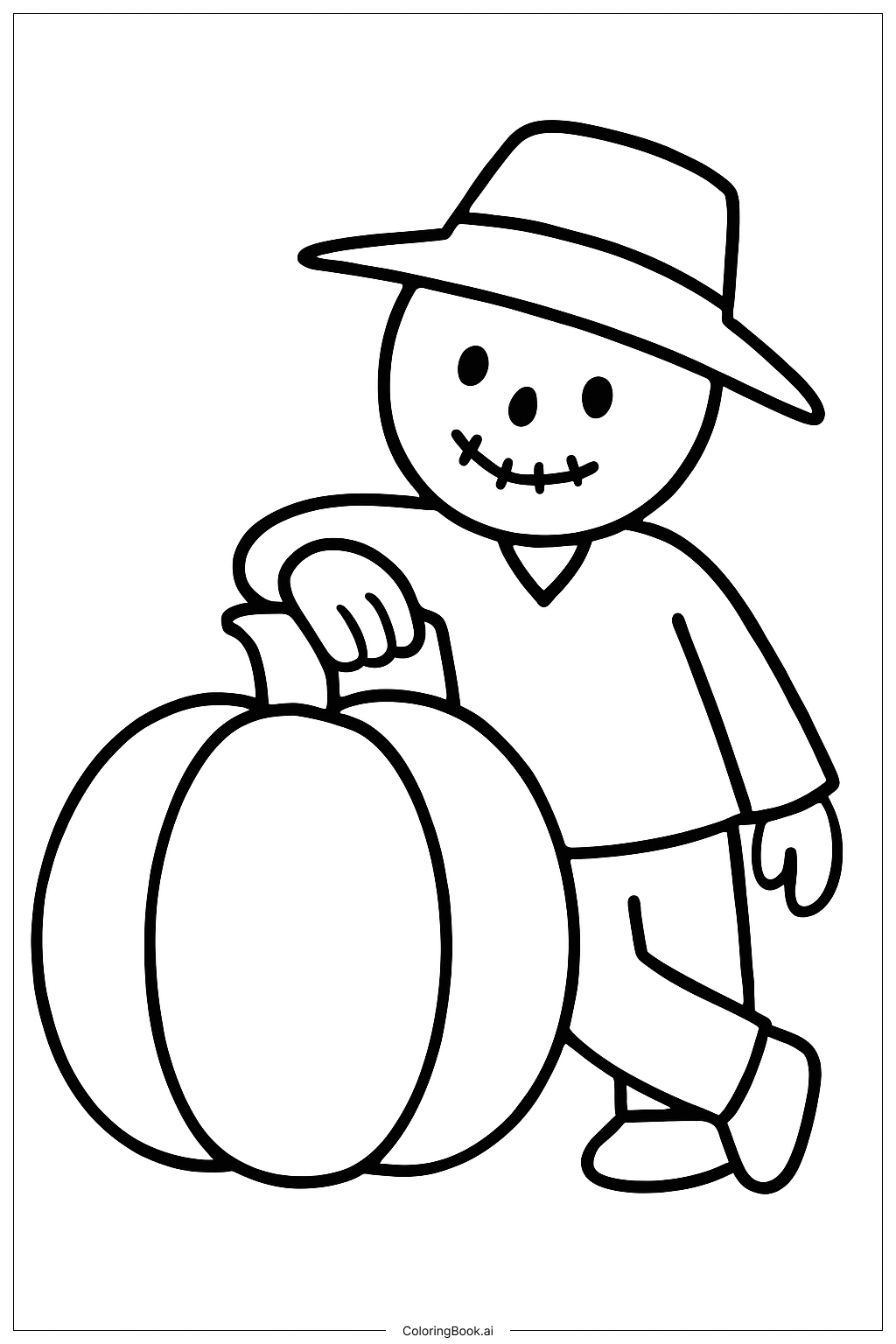
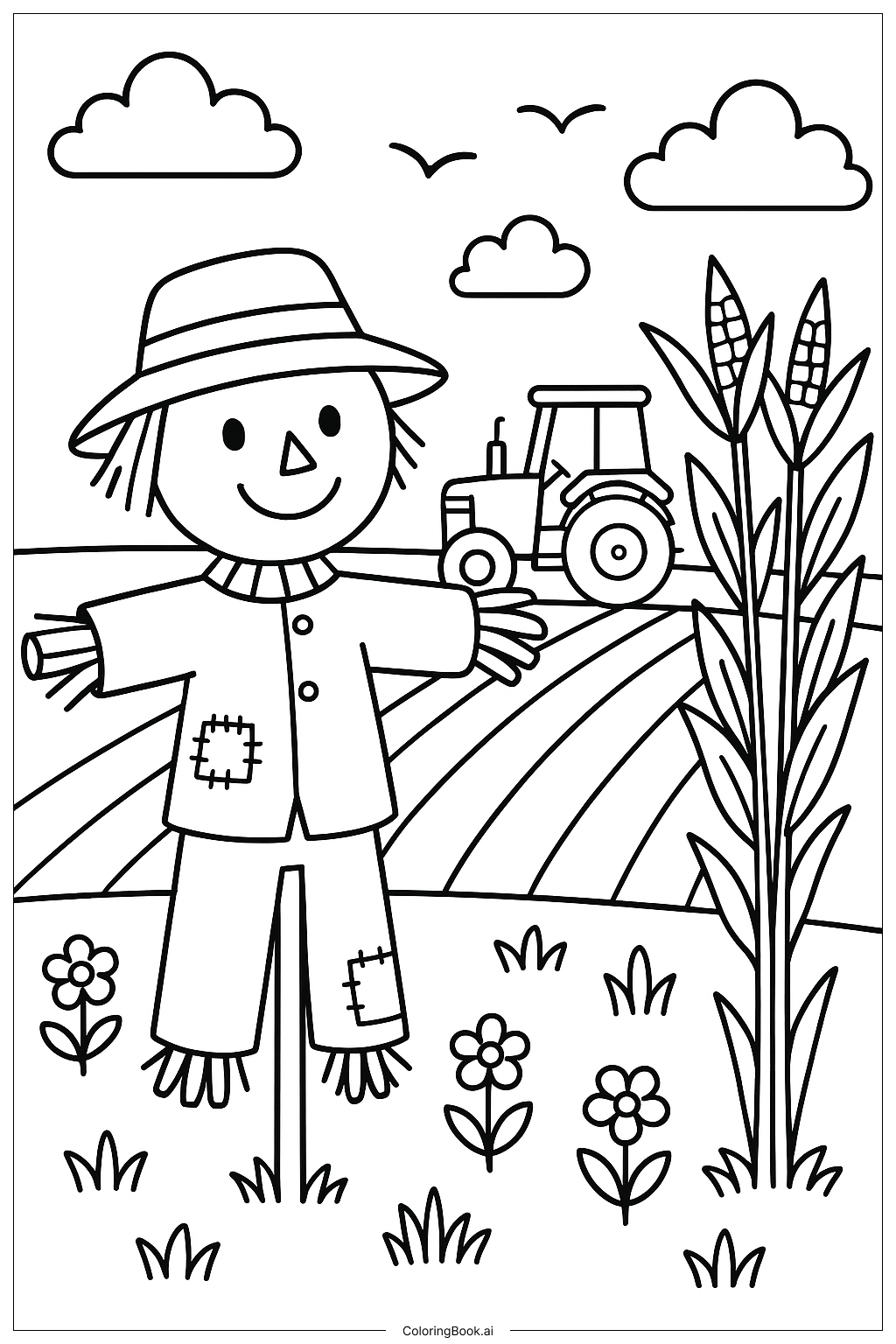
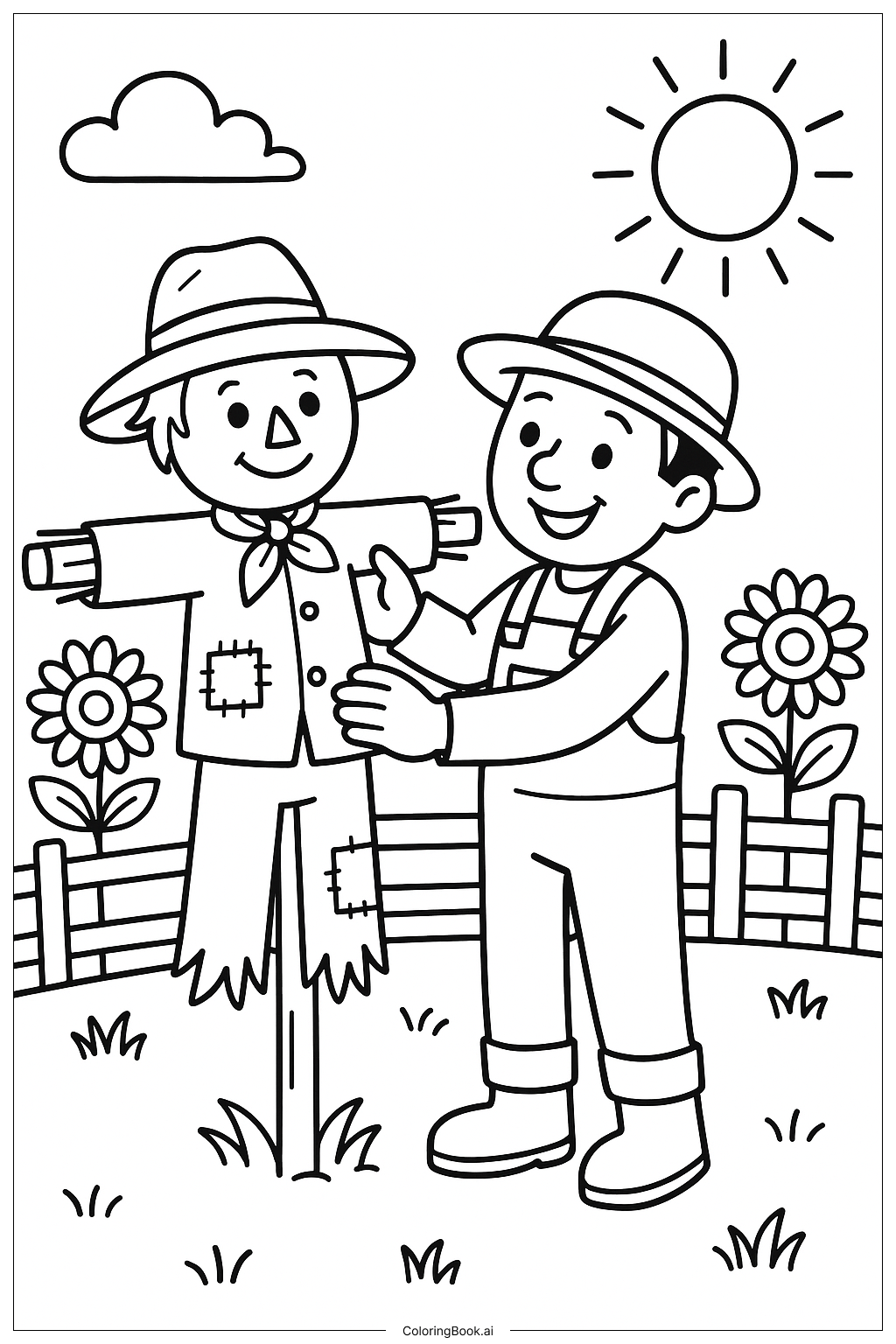
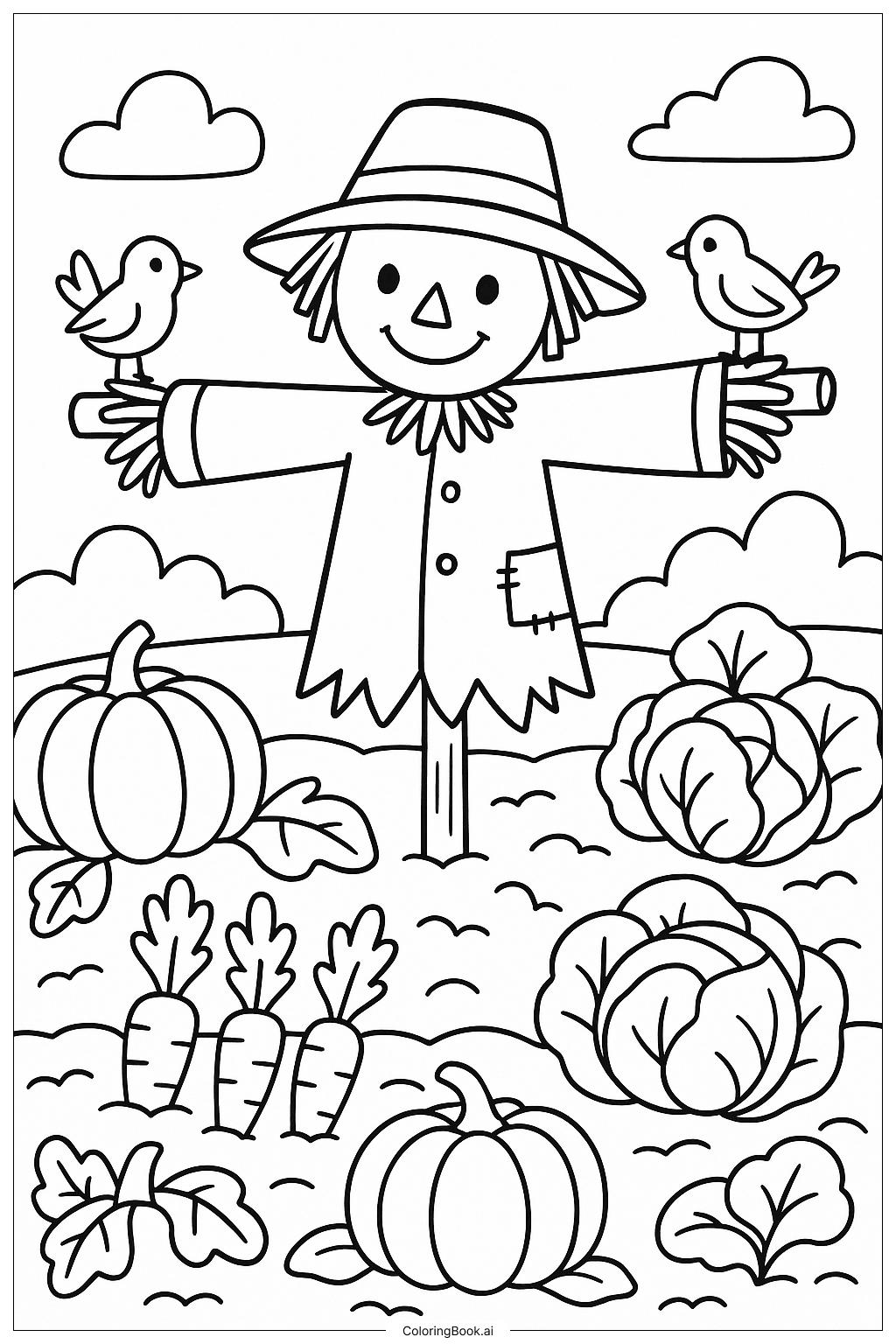
Start with the scarecrow's hat and overalls. Use warm brown or tan for the hat and deep blue or denim for the overalls. Color the shirt in a bright plaid pattern using red, yellow, or orange. Use golden yellow for the straw poking out at the edges. For the face, try a soft peachy tone with a simple black stitched smile. Move on to the vegetables next. Use bright orange for pumpkins, deep red for tomatoes, rich green for cabbages, and pale yellow for corn. Color the wooden post and fence in light brown. Fill the sky with a warm light blue and make the sun bright yellow. Add green in different shades for leaves and grass to give the garden a lively, full feeling. Kids can experiment with fun, bold colors to make the scene pop.
Coloring challenges: Which parts are difficult to color and need attention for Scarecrow In A Vegetable Garden coloring page?
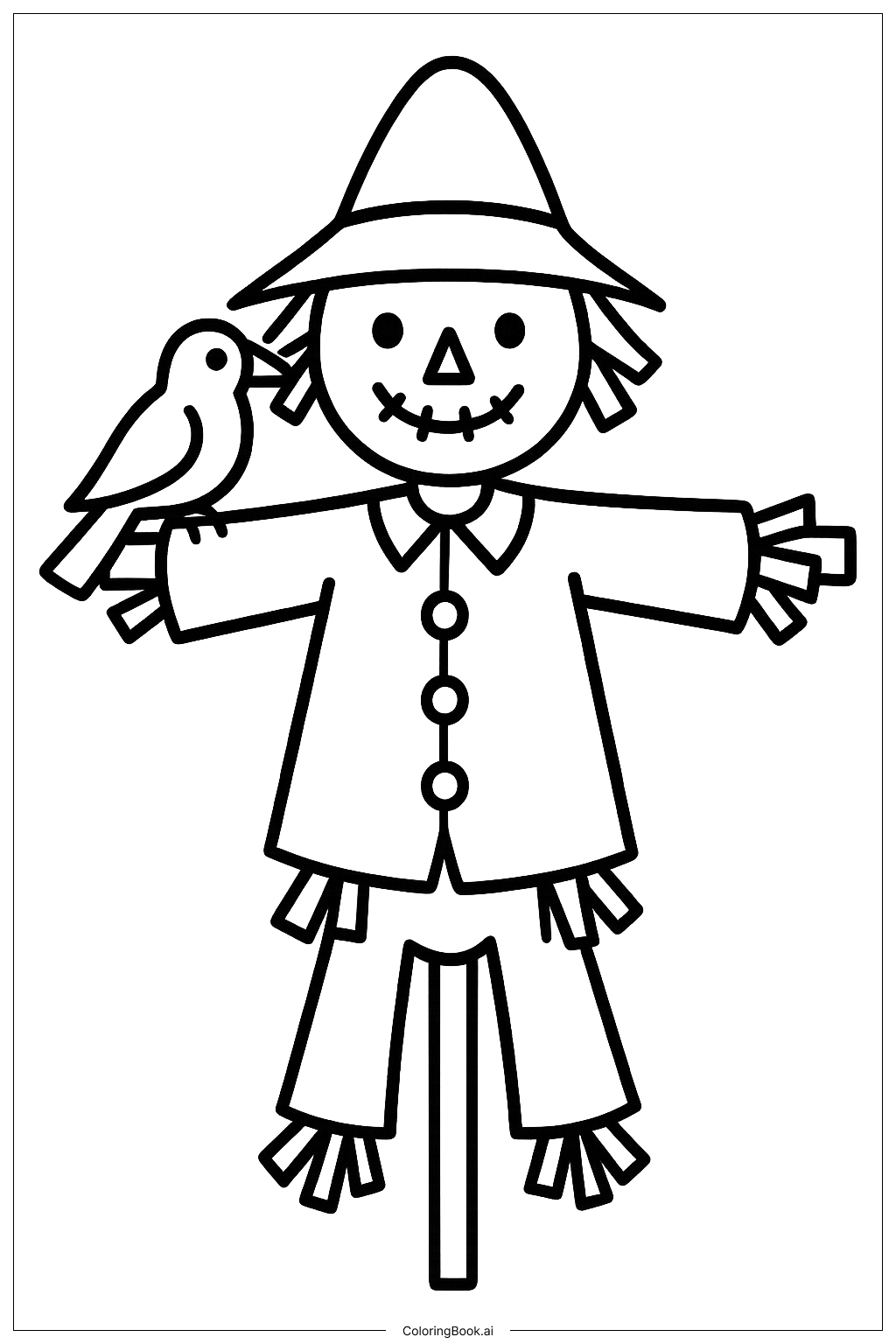
• Scarecrow Clothing Details: The scarecrow has many small details on its clothing, including patches, buttons, and stitched lines. These tiny elements are close together, making it tricky to color each one neatly without going outside the lines. Using a fine-tipped colored pencil or thin marker will help keep each patch and button clearly separated.
• Straw Texture: Straw sticks out from the scarecrow's hat, sleeves, and ankles in thin, overlapping strands. Coloring these strands individually takes patience. You will need to use short, light strokes in golden yellow or tan to give the straw a natural, layered look without the colors blending together.
• Vegetable Variety: The garden contains many different vegetables all at once, each needing its own color. Keeping pumpkins orange, tomatoes red, cabbages green, and corn yellow without the colors bleeding into one another can be a challenge, especially where vegetables grow close together or overlap slightly.
• Background Layers: The scene has multiple layers, including the fence, the sky, the ground, and plant rows. Coloring these layers without muddying the overall look requires careful planning. Starting from the background and working forward helps avoid accidentally coloring over details you have already finished.
• Shading and Depth: For older kids who want a more realistic result, adding shading to round vegetables and the scarecrow's clothes brings the image to life. This means using lighter and darker versions of the same color, which takes practice and a steady hand to blend smoothly.
Benefits of coloring books: Advantages of drawing Scarecrow In A Vegetable Garden coloring page
Coloring this scarecrow and vegetable garden scene offers a wonderful mix of fun and learning for kids of all ages. Working through the many details of the image builds fine motor skills and trains small hand muscles that are important for writing and everyday tasks. Choosing colors for the different vegetables encourages children to think about nature and the real world, sparking curiosity about where food comes from and how gardens grow. The variety of shapes and textures in this image, from round pumpkins to leafy cabbages to wispy straw, keeps kids engaged and helps them practice staying focused on one area at a time. Completing a detailed scene like this gives children a strong sense of achievement and pride in their work. The friendly, lighthearted design of the scarecrow also makes the coloring experience joyful and relaxing, which can reduce stress and support emotional well-being. For older kids, experimenting with shading and color mixing develops early artistic skills and creative confidence. Overall, this image is a great way to combine creativity, learning, and calm, focused play in one activity.