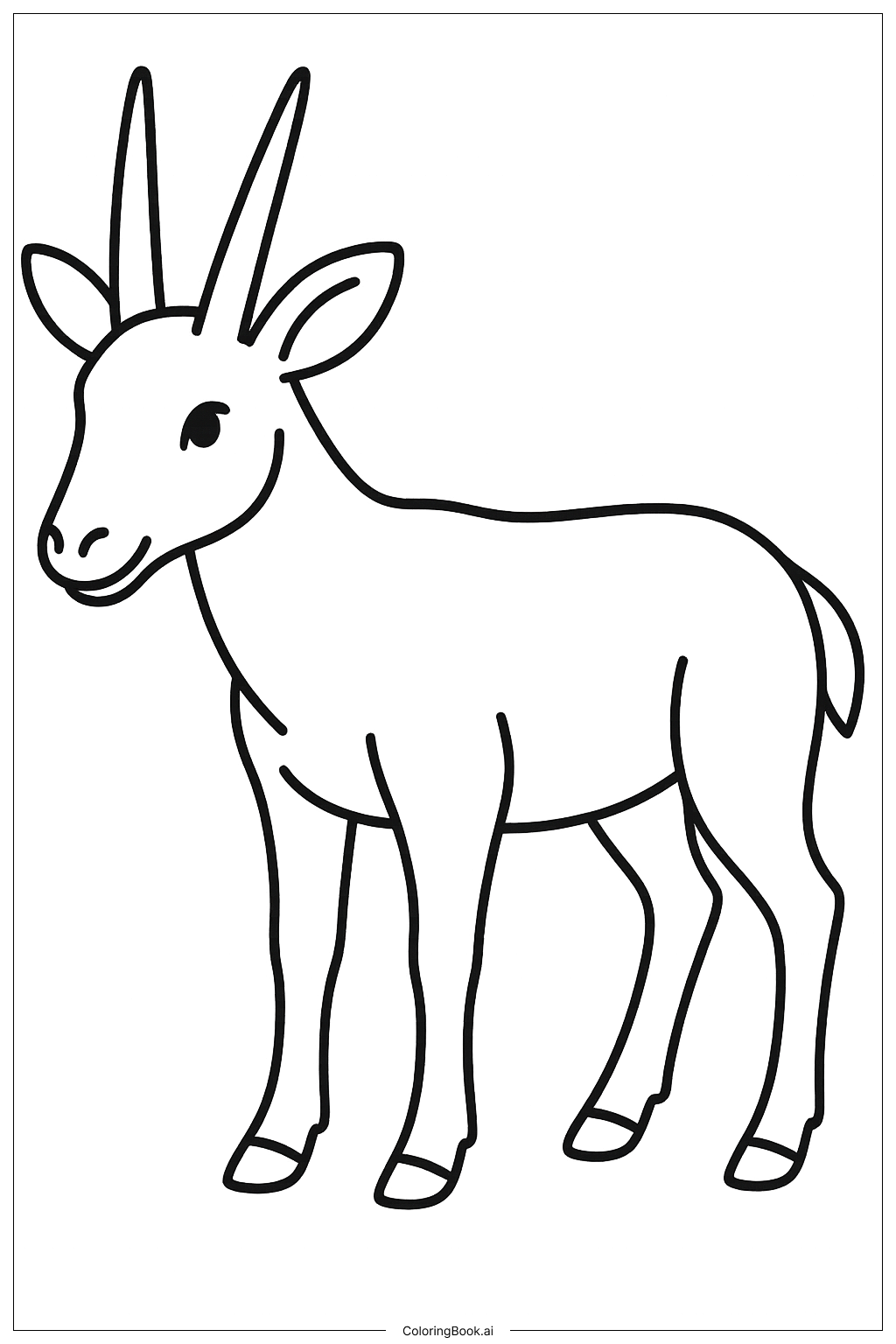
Coloring tips: How to color The Gentle Saola coloring page well?
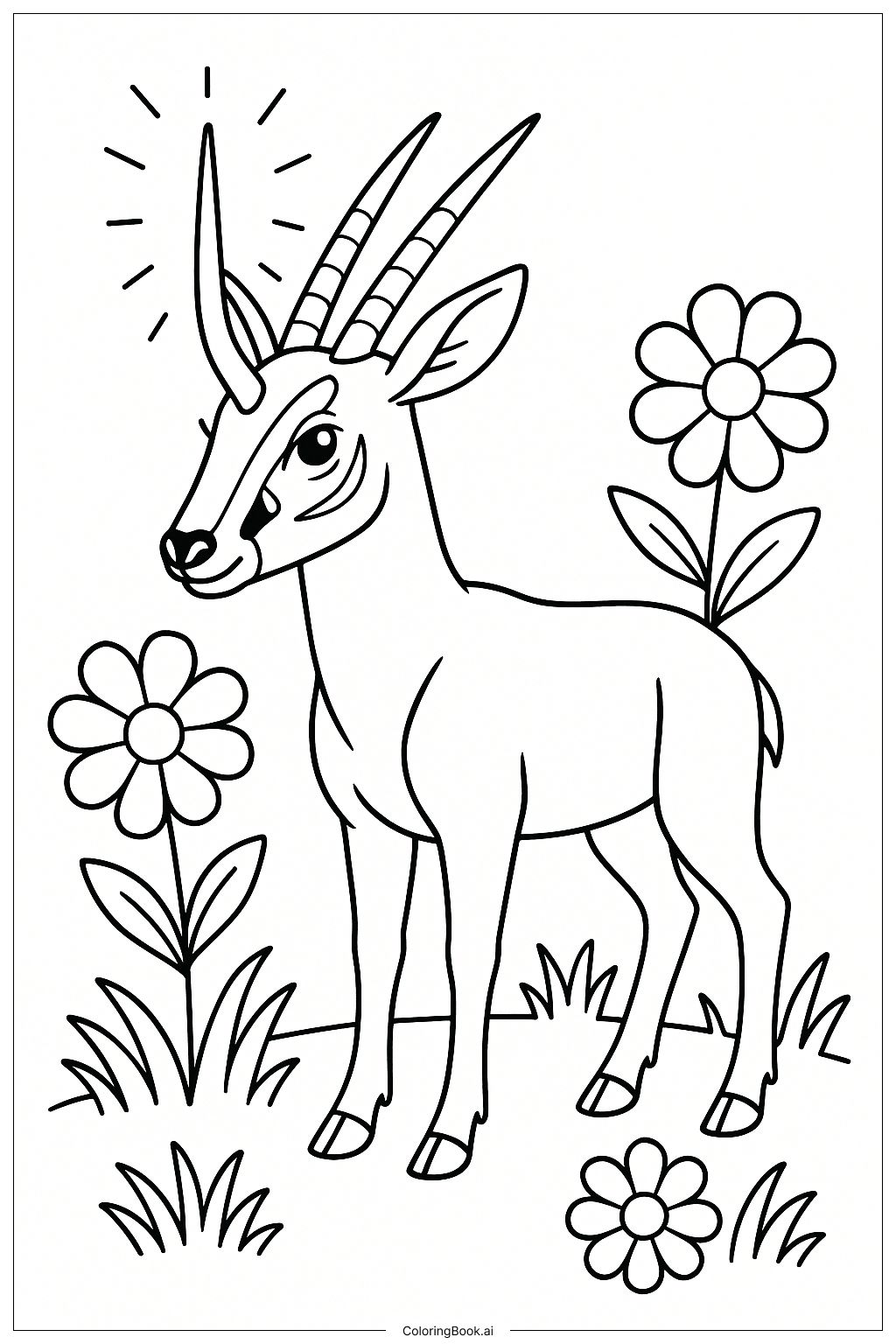
Start with the Saola's body using warm, earthy tones. Use light brown or tan for the main coat, and add darker brown shading along the back and sides to give it depth. The belly and inner legs can be a softer, lighter cream color. The long horns look best in a dark brown or charcoal gray, with slightly lighter highlights along the edges to make them look smooth and curved. Use bright, deep greens for the forest leaves in the background, mixing lighter and darker shades to show different plants. The ground can be colored in soft browns and greens to suggest soil and moss. Use a soft golden or amber tone around the eyes and nose for warmth. Take your time with the smaller details like the fur texture along the neck and the veins on the leaves. Whether you use colored pencils, markers, or crayons, layering your colors gently will help create a beautiful, lifelike result.
Coloring challenges: Which parts are difficult to color and need attention for The Gentle Saola coloring page?
• Saola's Coat Shading: The Saola has a smooth but subtly textured coat that requires careful blending. Getting the transition from a darker back to a lighter belly takes patience. Using multiple shades of brown and blending them gradually will help avoid harsh lines and make the animal look natural and three-dimensional.
• Long Parallel Horns: The Saola's most distinctive feature is its long, straight, parallel horns. Coloring them evenly while adding a sense of roundness and shine is tricky. You need to leave a thin lighter area along one edge of each horn to suggest a curved surface catching light, while keeping the rest darker and consistent in tone.
• Forest Background Detail: The surrounding leaves, ferns, and ground cover contain many overlapping shapes and fine lines. Choosing the right variety of greens without making the background look flat or too busy takes planning. Try to identify which leaves are closest to the viewer and make them slightly brighter or more saturated to create depth.
• Facial Expression and Eyes: The face of the Saola is gentle and detailed. The eyes, nostrils, and facial markings require a steady hand and careful use of small amounts of color. The eyes in particular benefit from a dark outline with a warm brown iris and a tiny white highlight dot to bring them to life.
• Negative Space and Line Density: Some areas of the image, particularly where the animal meets the background, have dense overlapping lines. It can be challenging to stay within the correct lines and avoid accidentally coloring the wrong section. Working slowly and using sharp pencil tips in these areas will help keep the image clean and clear.
Benefits of coloring books: Advantages of drawing The Gentle Saola coloring page
Coloring this image of the Gentle Saola offers a wonderful range of benefits for children and adults alike. The Saola is one of the rarest animals on Earth, so coloring this page is also a fun way to learn about wildlife and conservation. Kids can discover a real animal they may never have heard of before, sparking curiosity about nature and endangered species.
The detailed forest scene helps develop fine motor skills and hand-eye coordination as colorists carefully fill in leaves, fur texture, and background elements. Choosing colors and planning how to shade the Saola's coat encourages creative thinking and decision-making.
For younger children, the large, clear shapes of the animal's body are satisfying and easy to fill in, building confidence. For older kids and adults, the finer details of the horns, face, and layered vegetation offer a more challenging and meditative coloring experience.
Focusing on a calming nature scene like this one can also help reduce stress and encourage mindfulness. Spending quiet time with this page allows colorists to slow down, focus, and enjoy a peaceful creative activity. When the page is complete, it becomes a beautiful piece of art that celebrates one of the world's most mysterious and precious animals.