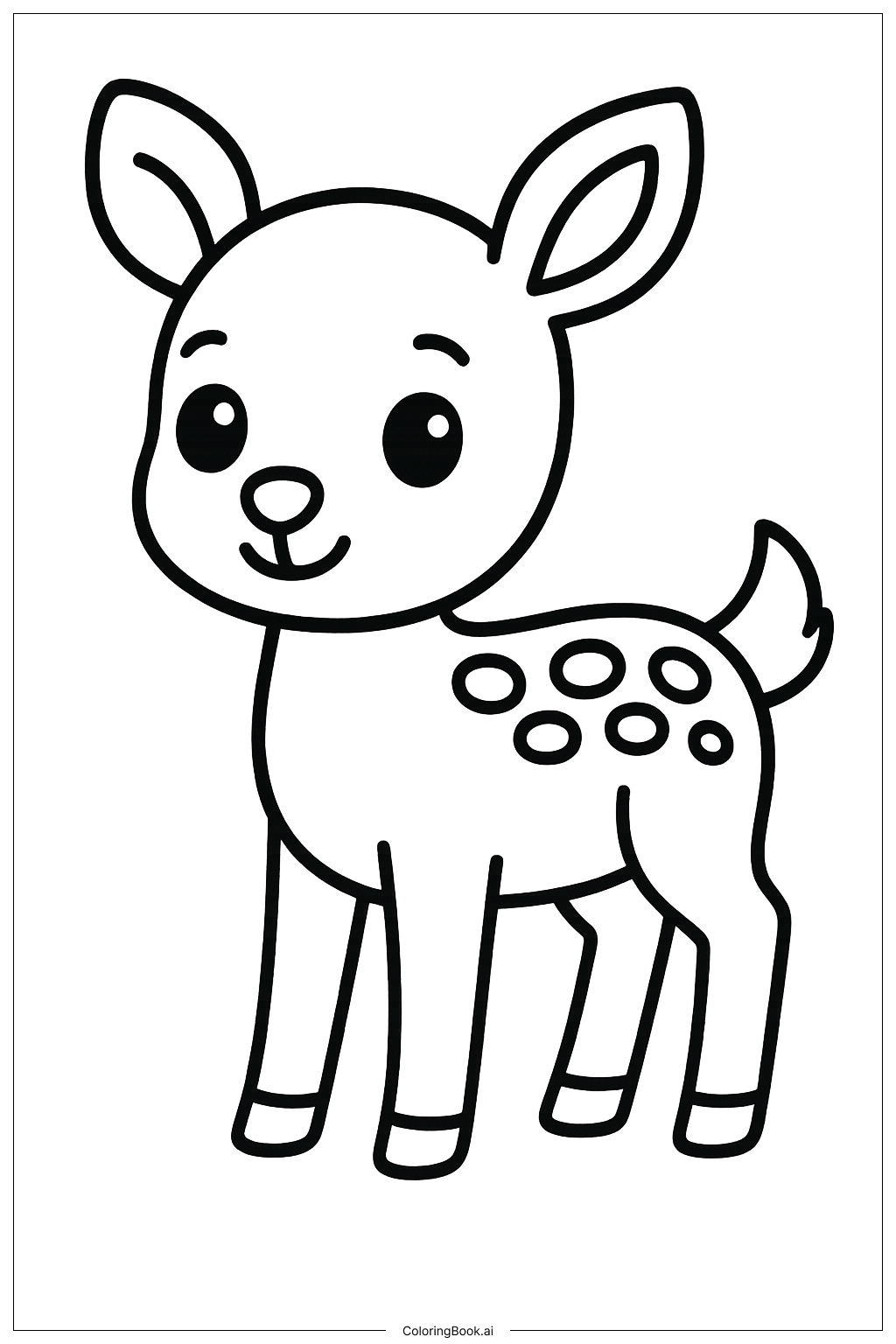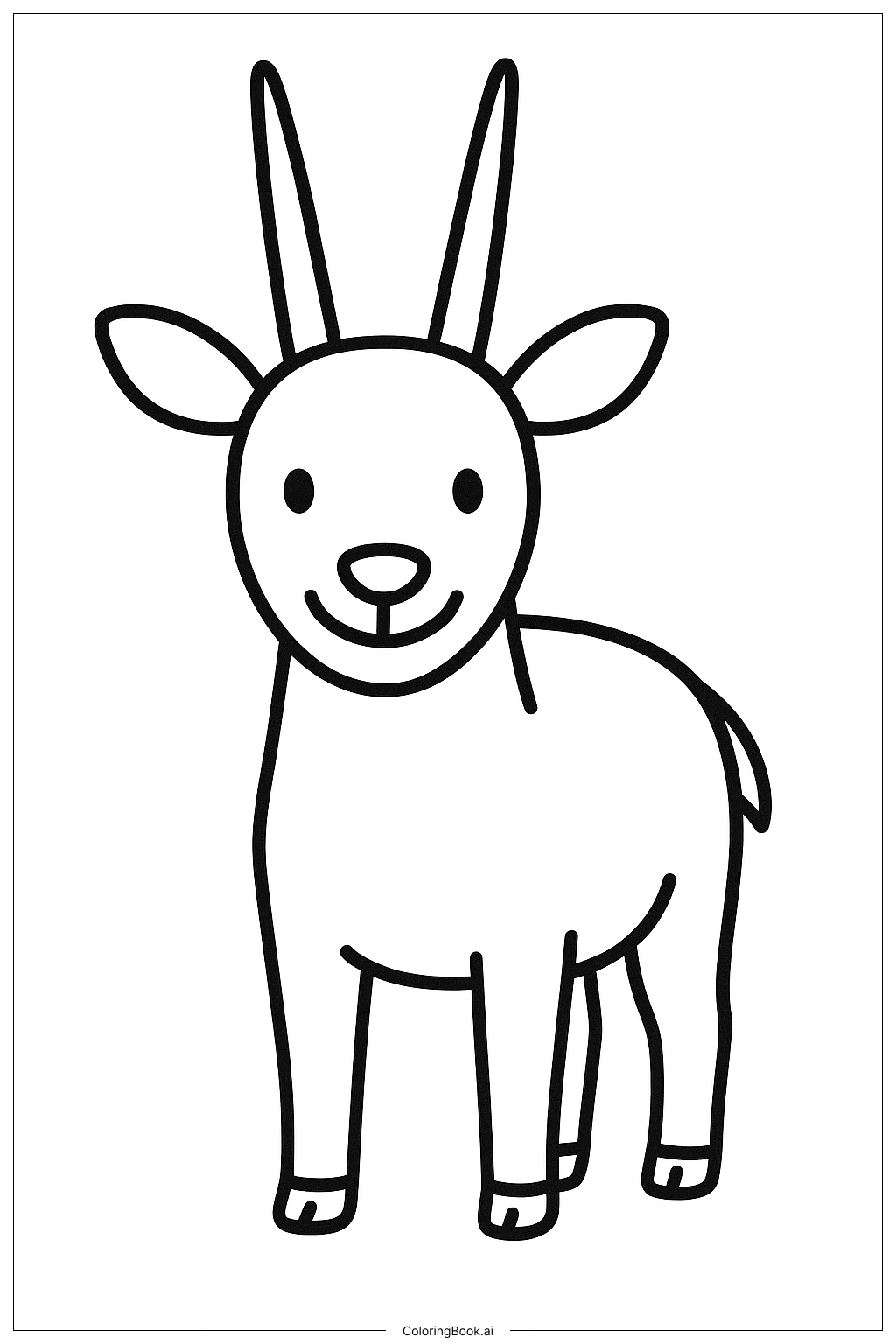
Coloring tips: How to color Saola With A Friendly Smile coloring page well?
Start with the Saola's body by using warm brown or chestnut tones. You can add a slightly darker shade along the back and belly to give the fur some depth. For the iconic white cheek patches, use bright white or very light cream. The long, elegant horns look great in a sandy beige or light tan color. Add darker tips to the horns for a natural feel. Use soft green shades for the leaves and grass in the background to keep things fresh and lively. The Saola's eyes can be colored in warm dark brown with a tiny white highlight to make them look bright and friendly. Try layering your colors gently for a soft, natural look. Light pressure with colored pencils works really well here. Feel free to use your imagination and experiment with colors to make your Saola truly unique and special.
Coloring challenges: Which parts are difficult to color and need attention for Saola With A Friendly Smile coloring page?
• Body Fur Shading: The Saola's body has smooth, flowing fur that can be tricky to shade realistically. You need to blend at least two or three shades of brown to avoid a flat, single-tone look. Younger colorists may find blending challenging, so practicing on a spare sheet first can help build confidence before working on the main image.
• Facial Markings: The Saola's face features distinct white patches on the cheeks alongside darker surrounding areas. Keeping these regions neatly separated requires a careful and steady hand. Accidentally coloring over the white patches can change the animal's whole look, so taking your time and using the tip of your pencil or marker is very important.
• Horn Detail: The long, straight horns have subtle ridges and a natural gradient from base to tip. Capturing this gradual color shift — from a warm tan at the base to a slightly darker hue at the tip — demands patience and light, controlled strokes. Rushing this step often results in uneven tones that make the horns look unrealistic.
• Background Foliage: The leaves and grass surrounding the Saola require multiple shades of green to look natural. Using only one flat green can make the background look dull. Layering light and dark greens, and perhaps adding a touch of yellow-green for highlights, will bring the forest setting to life without overwhelming the main subject.
• Eye Expression: The friendly, expressive eye of the Saola is small but full of life. Coloring a tiny eye neatly while keeping it bright and warm is one of the hardest parts of this page. A sharp pencil and careful attention to preserving a small white highlight dot will make the eye look lively and full of personality.
Benefits of coloring books: Advantages of drawing Saola With A Friendly Smile coloring page
Coloring this friendly Saola page offers wonderful benefits for kids and young learners of all ages. First, it helps children discover one of the world's rarest animals in a fun and creative way. Learning about the Saola while coloring sparks curiosity about wildlife and nature conservation. Second, working through the fine details of the fur, horns, and facial markings builds fine motor skills and improves hand-eye coordination. Children practice controlling their pencils or markers with precision, which supports their overall development. Third, choosing and mixing colors encourages creative thinking and artistic confidence. Kids learn that there is no single right answer — their imagination guides each decision. Fourth, the calm, focused activity of coloring helps reduce stress and anxiety, creating a relaxing experience that supports emotional well-being. It gives children a quiet moment to slow down and enjoy the process. Finally, completing the page gives a strong sense of achievement and pride, boosting self-esteem. Sharing their finished artwork with family or friends adds a joyful social dimension to the activity.