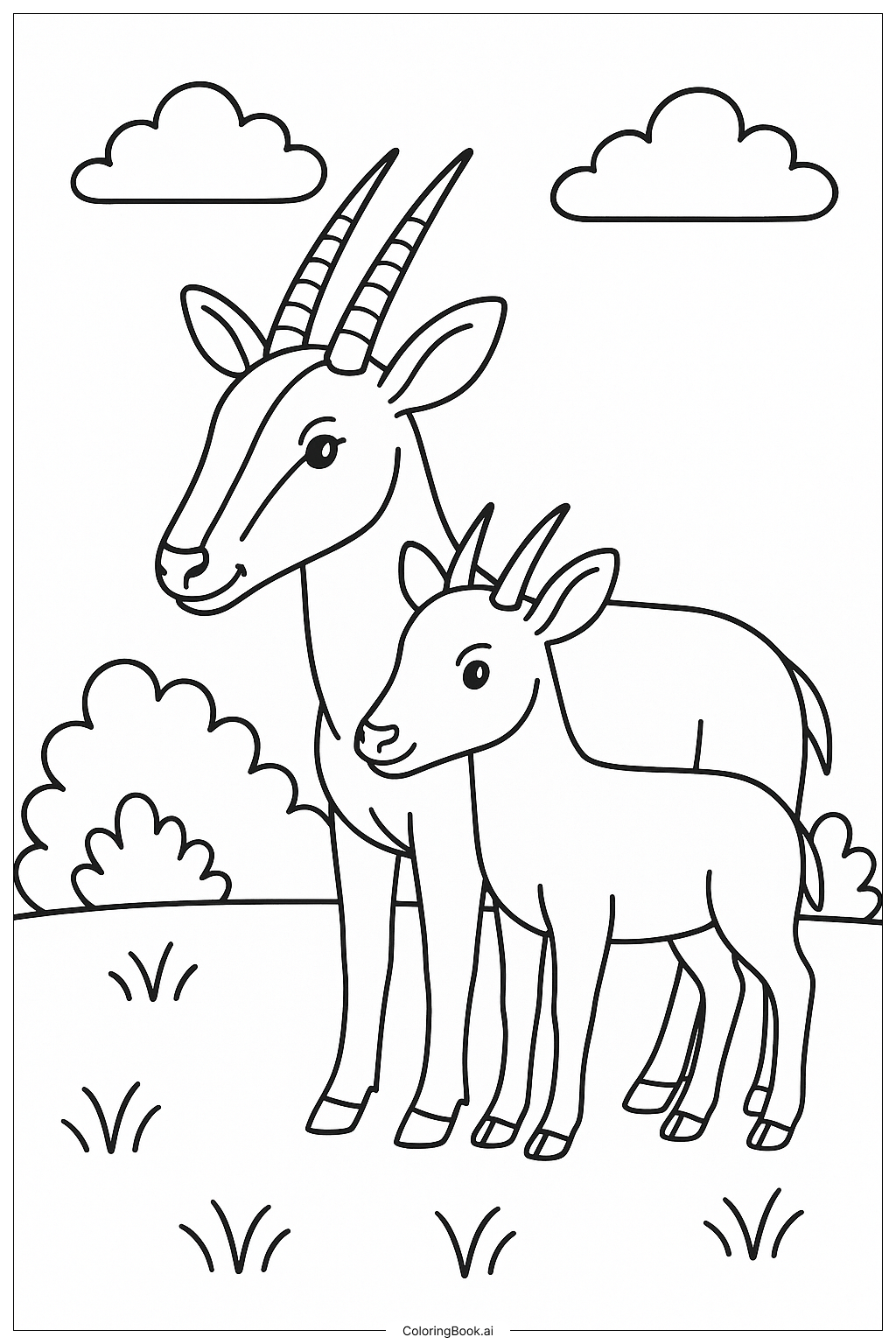
Coloring tips: How to color Mama Saola And Her Calf coloring page well?
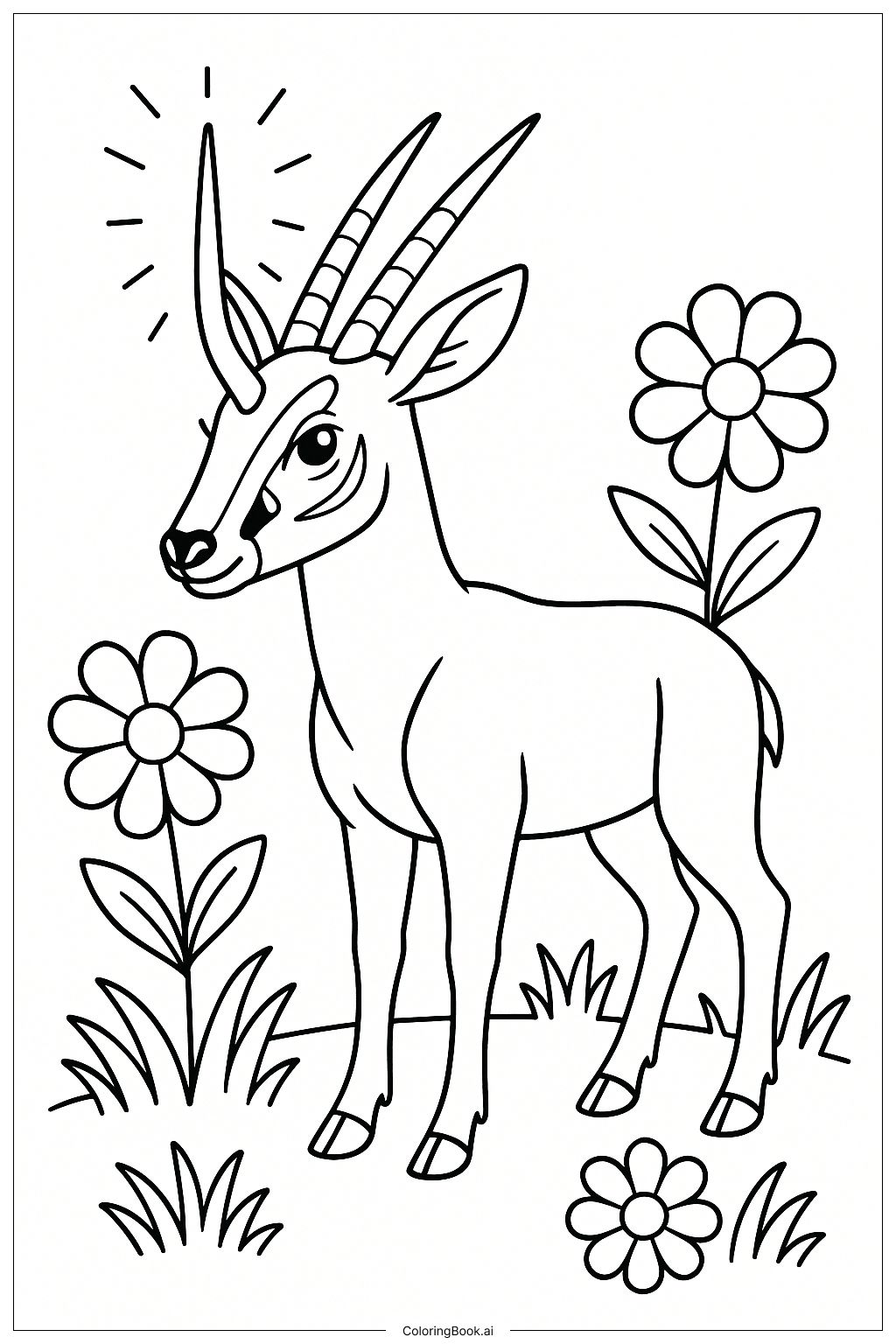
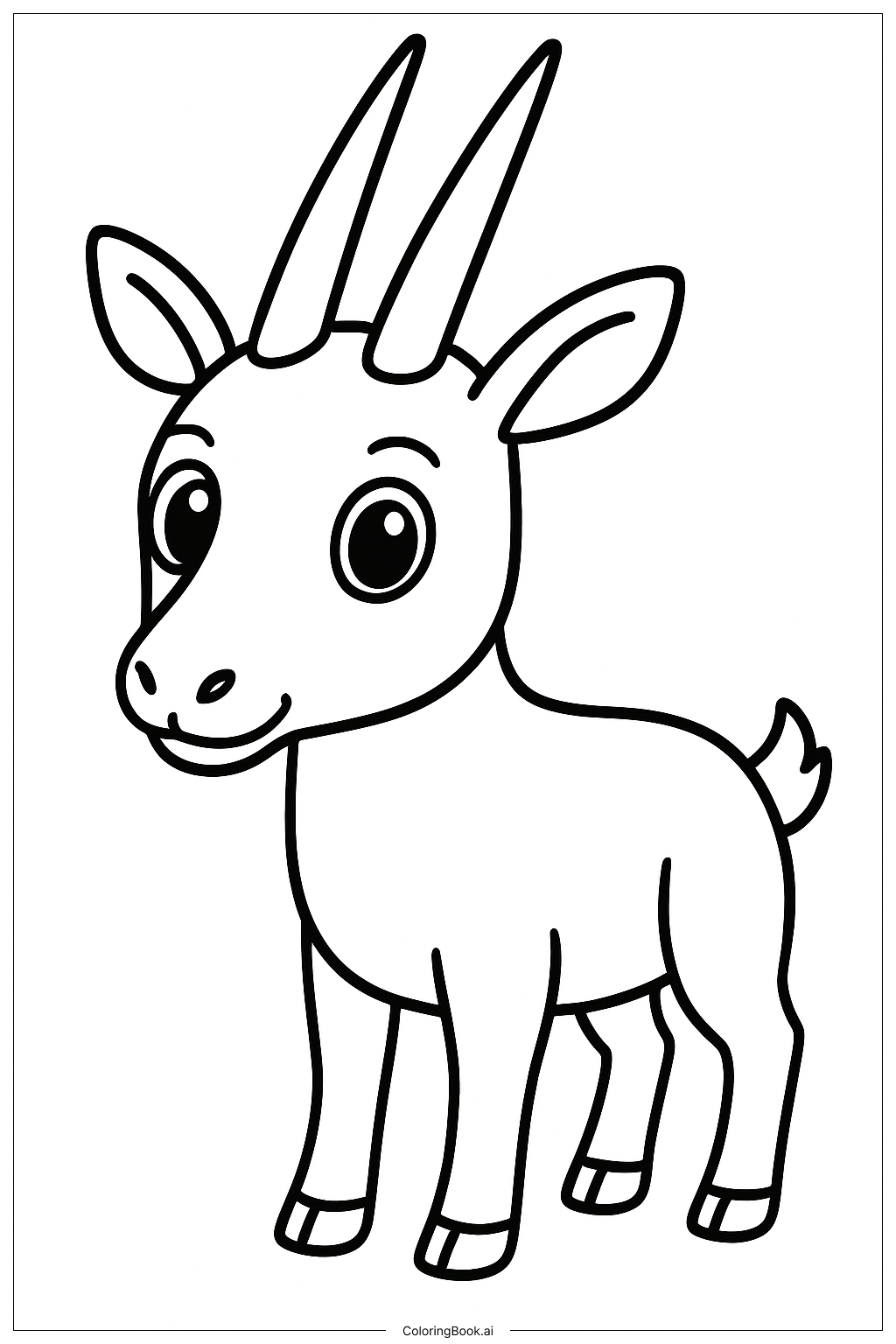
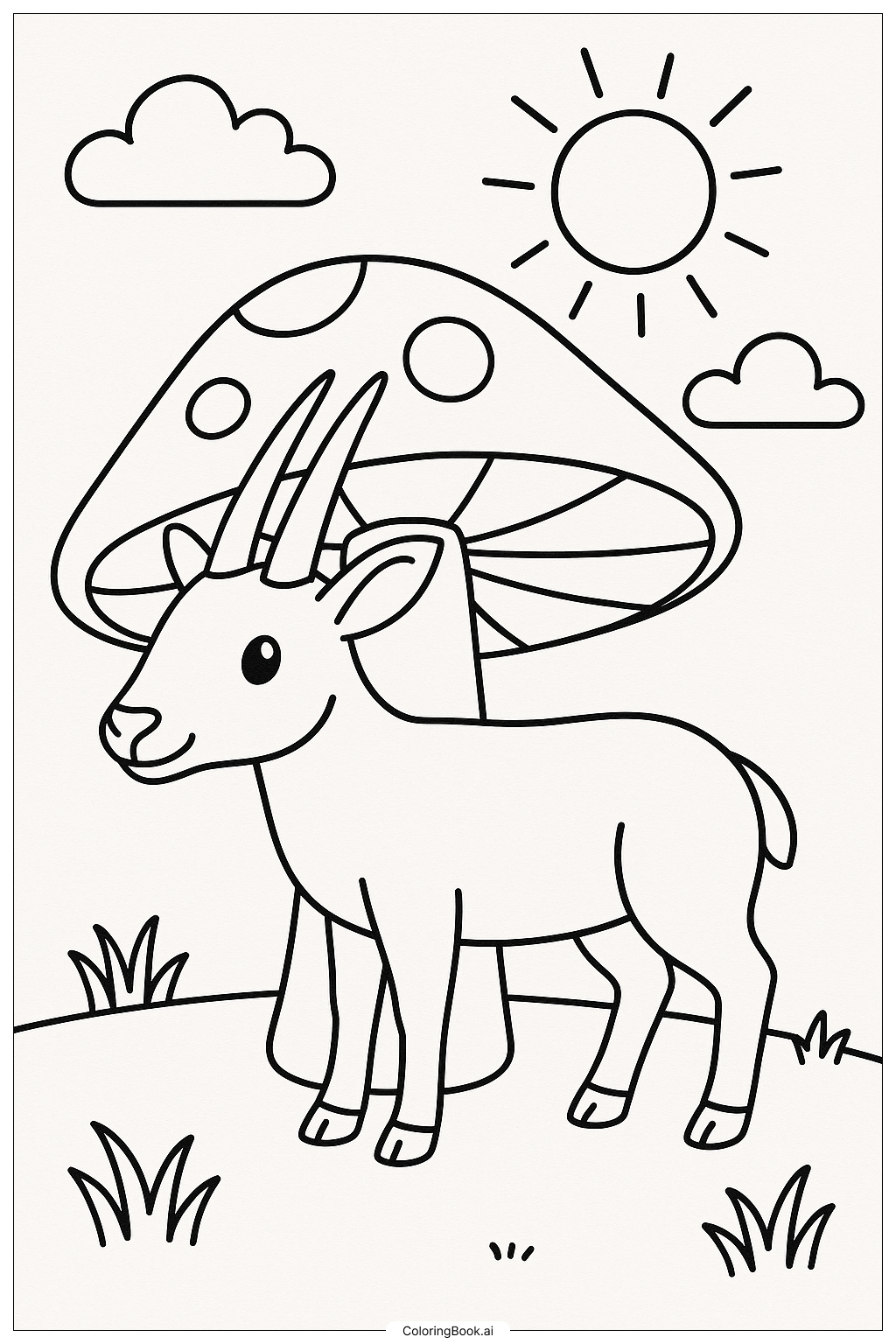
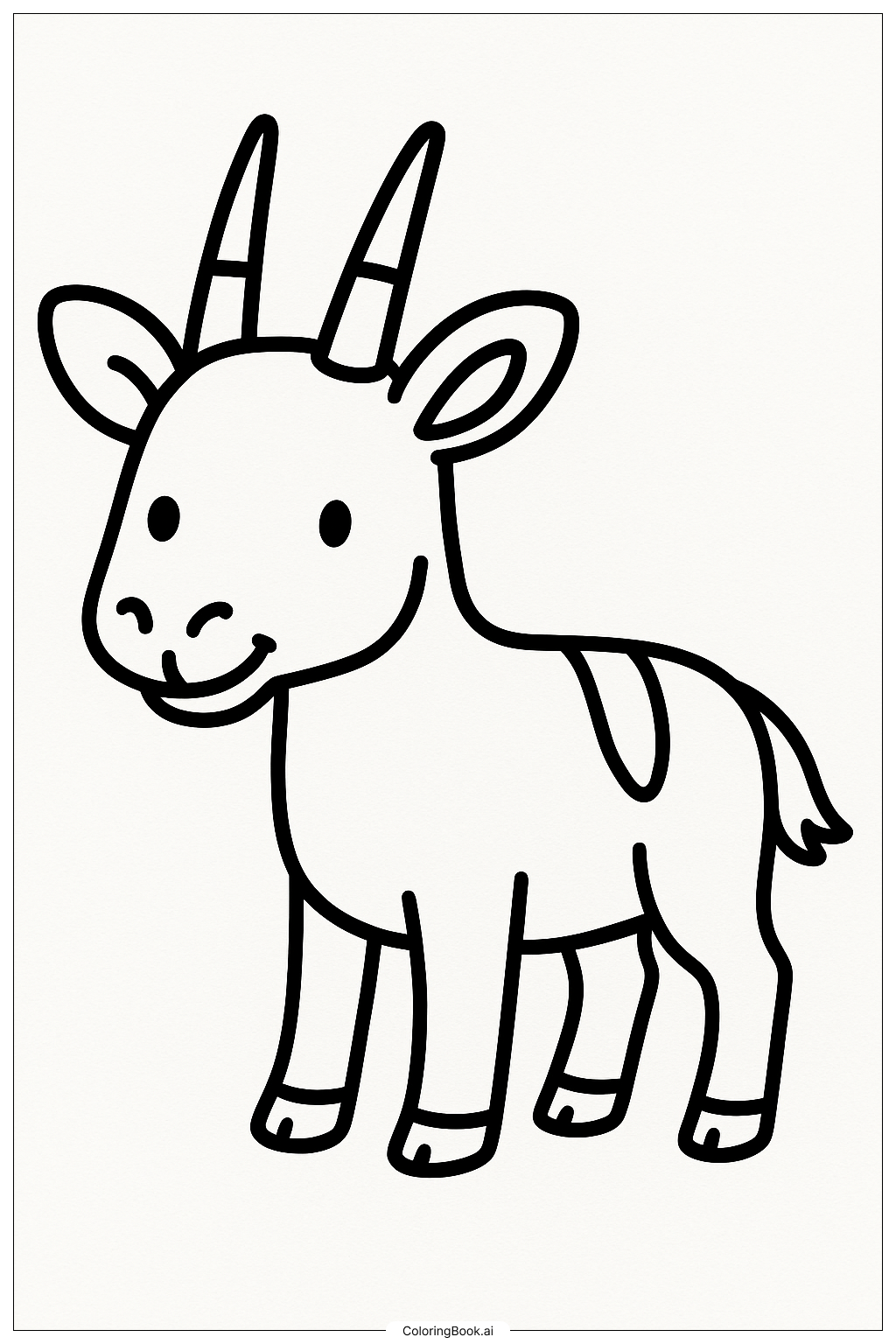
Start with the Saola bodies. Use a warm reddish-brown or chestnut brown for their fur. The belly area can be a slightly lighter tan or cream color. The mama's horns are long and slender — color them a smooth dark gray or ivory. For the calf, use a softer, lighter brown to show it is young and small. The white facial markings are a key feature of the Saola, so leave those areas white or use a very pale cream. Color the eyes dark brown with a warm highlight. For the background plants and leaves, use different shades of green — mix dark forest green with bright lime green to add depth. Add some earthy brown tones to the ground beneath them. If you want, try coloring the background with soft watercolor-style washes to keep the focus on the animals. Take your time with the facial details — they bring the whole scene to life.
Coloring challenges: Which parts are difficult to color and need attention for Mama Saola And Her Calf coloring page?
• Saola Body Fur Shading: The Saola has a smooth but richly toned coat that transitions between reddish-brown, chestnut, and lighter tan areas. Blending these shades naturally without creating hard lines can be tricky, especially around the legs, belly, and chest where the tones shift. Take time to layer colors gradually for a soft, realistic look.
• Distinctive White Facial Markings: One of the most recognizable features of the Saola is the set of white patches and spots on its face. Keeping these areas clean and bright while coloring the darker fur around them requires careful, precise work. Using a fine-tipped tool or coloring inward from the edges helps protect these details.
• Long, Slender Horns: The mama Saola's horns are long, narrow, and parallel. Coloring such thin shapes evenly without smudging or going outside the lines takes a steady hand. A smooth gradient from light at the tip to darker at the base can add a nice three-dimensional effect.
• Size Contrast Between Mother and Calf: The calf is noticeably smaller and should appear younger and softer. Using slightly lighter and warmer tones for the calf compared to the mama helps show this difference in age and size. Keeping the color contrast subtle but clear is the challenge here.
• Layered Forest Background: The leaves, plants, and ground elements in the background include many overlapping shapes. Choosing colors that are rich enough to look natural but not so bold that they overpower the animals in the foreground requires thoughtful color planning and balance.
Benefits of coloring books: Advantages of drawing Mama Saola And Her Calf coloring page
Coloring this page of a mama Saola and her calf offers a wonderful mix of fun, learning, and calm. Here are some great reasons to color this page:
• Learn about rare animals: The Saola is one of the rarest mammals in the world. Coloring this page helps kids discover and remember this special creature in a fun, hands-on way.
• Build focus and patience: The detailed fur, facial markings, and background plants encourage children to slow down, pay attention, and work carefully — great skills for everyday life.
• Develop fine motor skills: Staying within the lines and blending colors strengthens hand control and coordination, which supports writing and other precise tasks.
• Spark creativity: Choosing colors, mixing shades, and deciding how to fill the background gives children a chance to express themselves freely and build confidence in their creative choices.
• Encourage love for nature: This peaceful forest scene connects children to wildlife and wild places, planting early seeds of curiosity and care for the natural world.
• Promote emotional calm: The gentle bond between mother and calf creates a soothing, positive mood that makes coloring this page a relaxing and enjoyable experience for children of all ages.