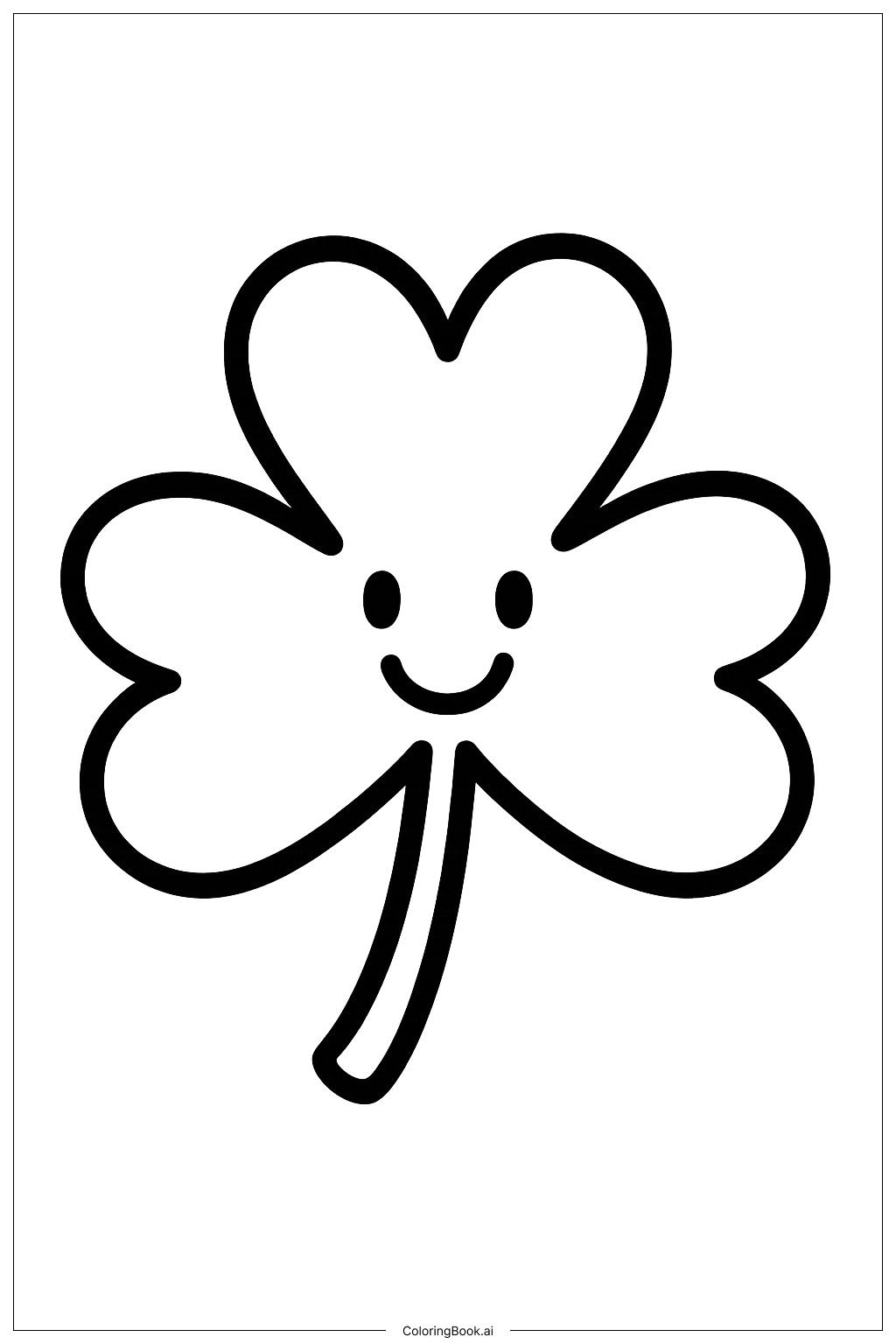
Coloring tips: How to color Saint Patrick Smiling Clover coloring page well?
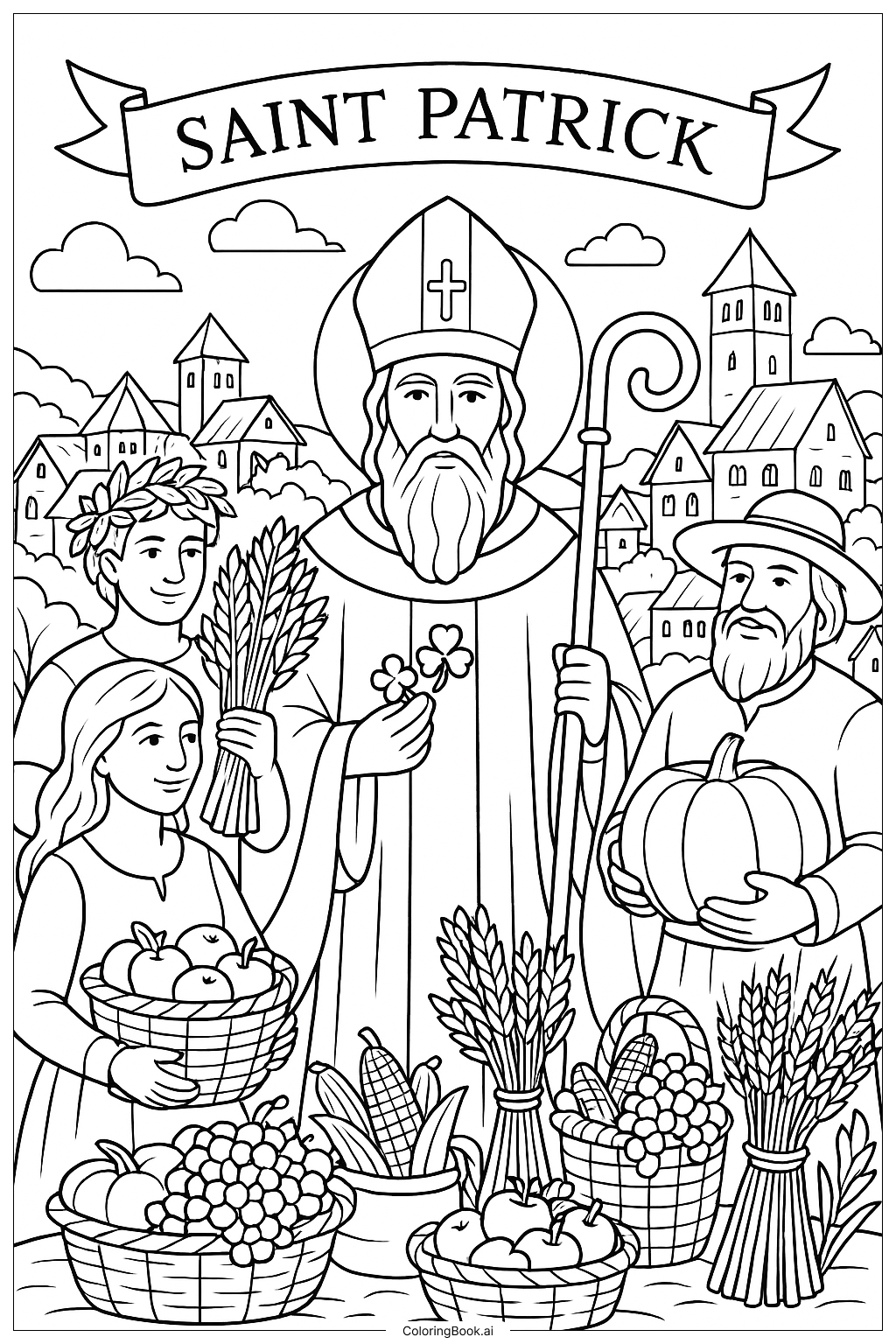
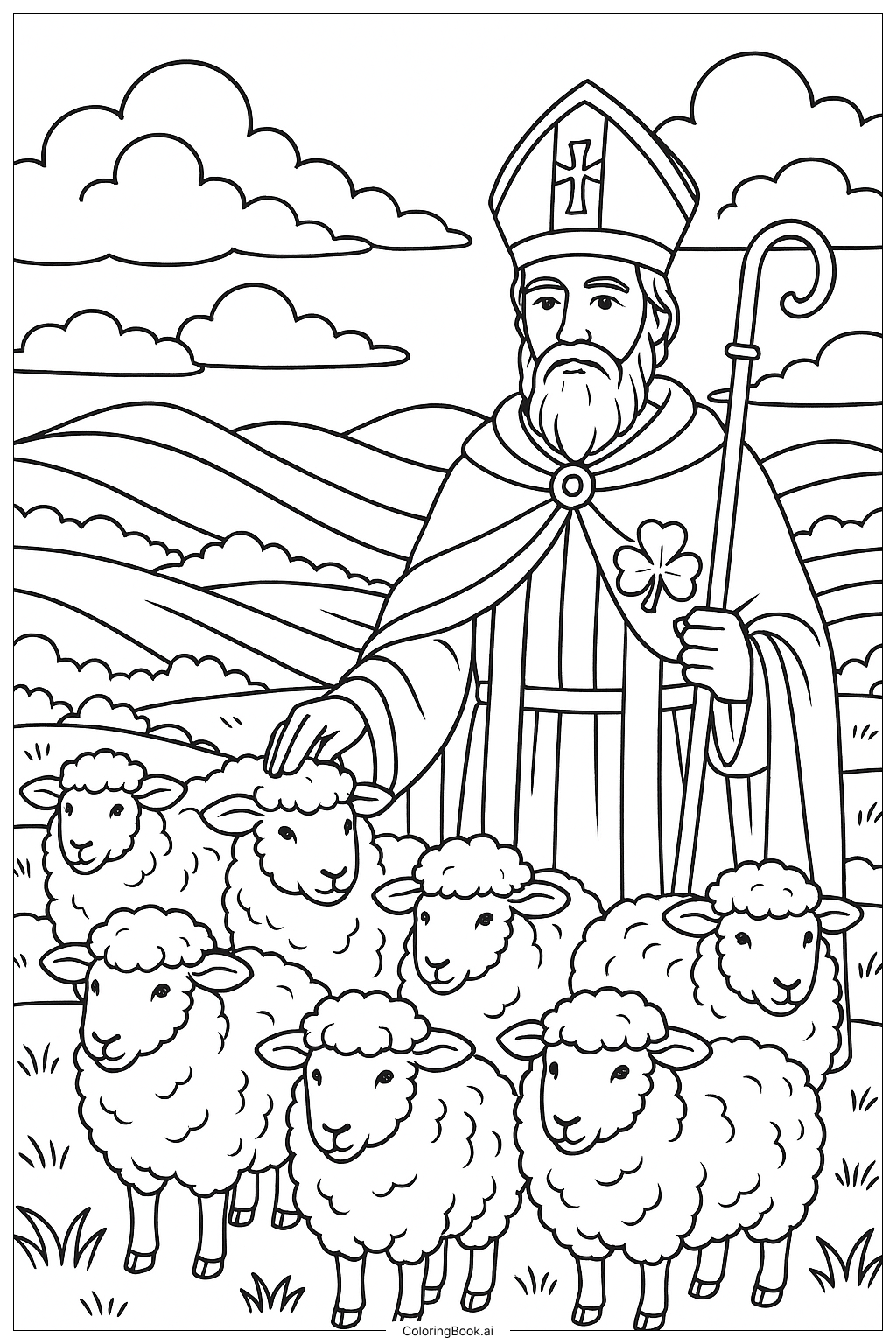
Start with Saint Patrick's face using peachy or tan tones for a warm, friendly look. His robes can be colored in traditional green to honor Irish heritage, or try rich golds, purples, and whites that bishops often wore. The mitre on his head looks beautiful in white or cream with gold accents and small emerald green crosses. Color the four-leaf clover in his hand bright green with darker shading on the edges to make it pop. The shamrocks floating around can be various shades of green from lime to forest. Add golden yellow to the Celtic crosses and staff details. For the background, consider soft blue sky tones or leave it white to make Saint Patrick stand out. Use brown for his beard and hair, and don't forget rosy cheeks to enhance his joyful smile.
Coloring challenges: Which parts are difficult to color and need attention for Saint Patrick Smiling Clover coloring page?
• Facial Expression Details: Saint Patrick's smiling face requires careful coloring to preserve his joyful expression. The curves around his mouth, the warmth in his eyes, and the gentle creases that show happiness need subtle shading. Young colorists should use light pressure and blend skin tones smoothly to maintain the cheerful character. The beard and facial hair add texture complexity, requiring attention to direction and layering.
• Celtic Pattern Intricacy: The Celtic crosses and knotwork designs on the robes and staff present intricate, interwoven patterns with small enclosed spaces. These traditional designs require patience and a steady hand to color without crossing lines. Children may find it challenging to keep different strands of the knotwork distinct while maintaining the flowing, continuous appearance that makes Celtic art special.
• Fabric Folds and Draping: Saint Patrick's flowing robes feature multiple layers with natural folds, creases, and shadows. Accurately representing depth and dimension through shading techniques can be difficult. Younger artists need to understand where light hits the fabric and where shadows naturally fall to create realistic-looking garments rather than flat shapes.
• Clover and Shamrock Leaves: The four-leaf clover and surrounding shamrocks have organic, curved shapes with subtle veining and natural variation. Each leaf requires consistent coloring while showing slight differences in tone to appear natural. The overlapping leaves create depth challenges, and maintaining the delicate heart-shaped leaf structure takes concentration and fine motor control.
Benefits of coloring books: Advantages of drawing Saint Patrick Smiling Clover coloring page
Coloring this Saint Patrick image offers wonderful learning opportunities for children. It introduces them to an important historical and religious figure while celebrating Irish culture and traditions. The detailed Celtic patterns help develop fine motor skills and hand-eye coordination as young artists carefully navigate intricate designs. Working on the facial expression encourages emotional recognition and artistic technique as children learn to preserve the saint's joyful smile through their color choices. The combination of large areas like robes and small details like shamrocks accommodates different skill levels, building confidence. This coloring page also provides a perfect opportunity to discuss virtues like kindness and faith that Saint Patrick represents. The festive, cheerful theme makes it enjoyable for St. Patrick's Day celebrations while teaching patience and attention to detail through the complex patterns and flowing garments.