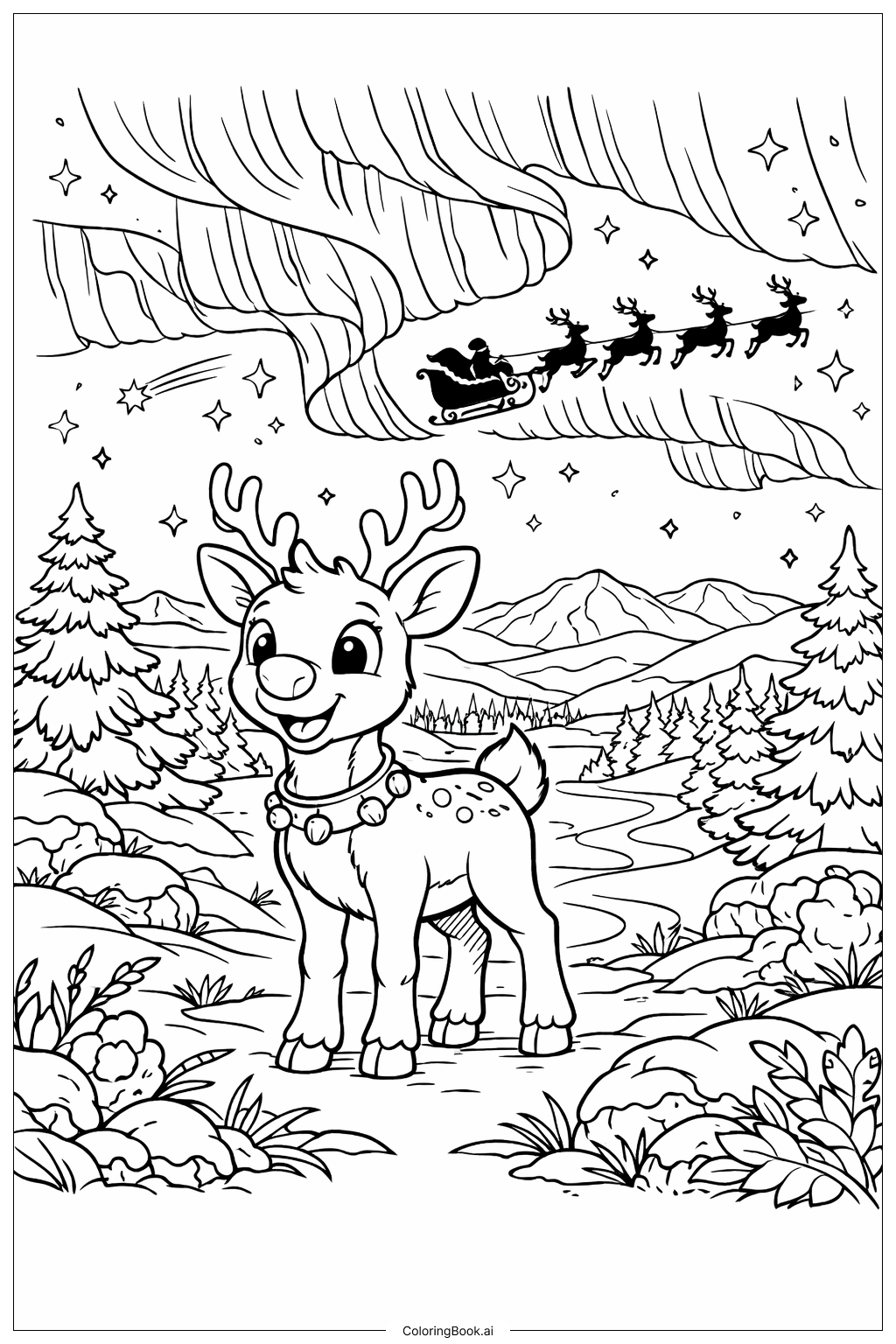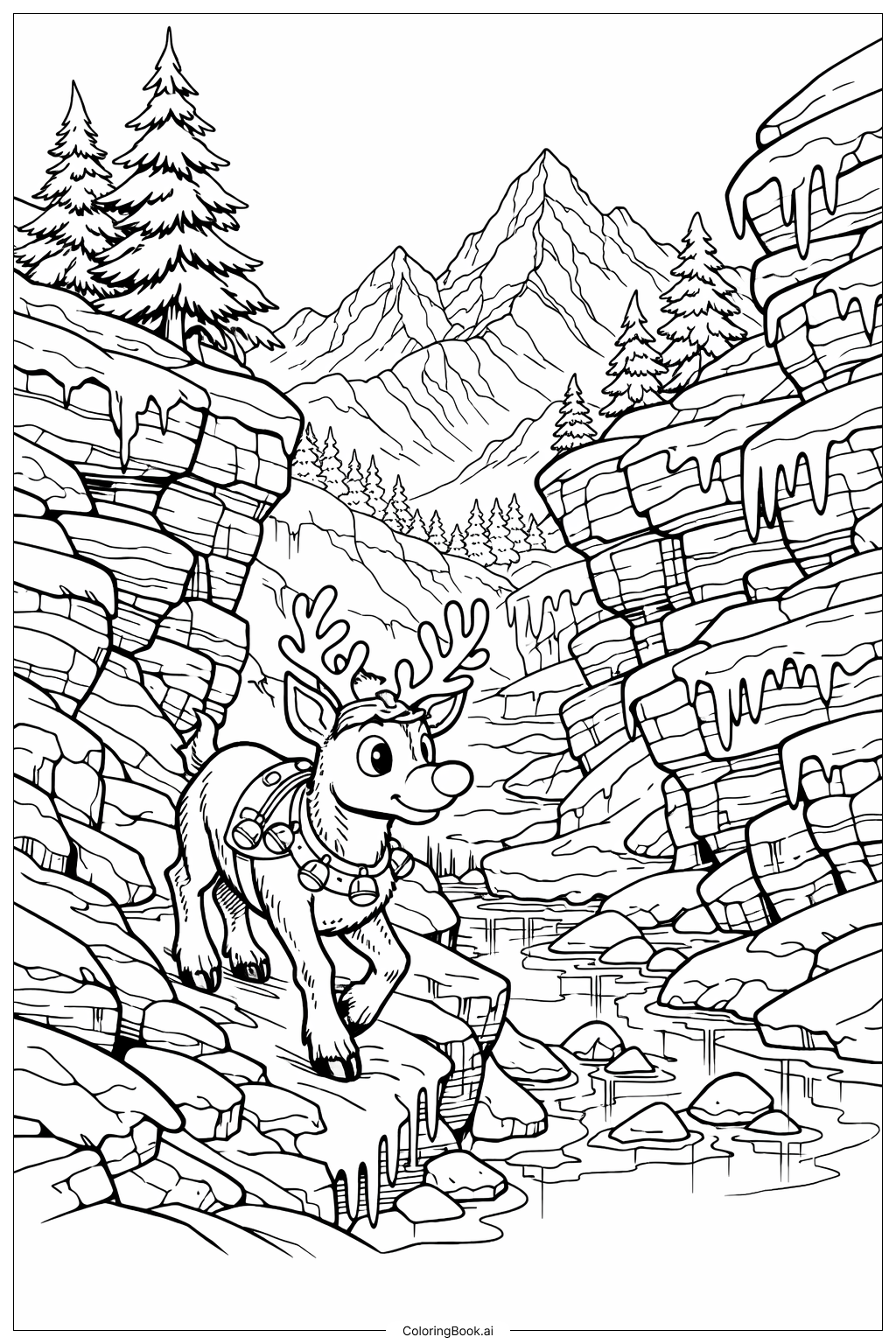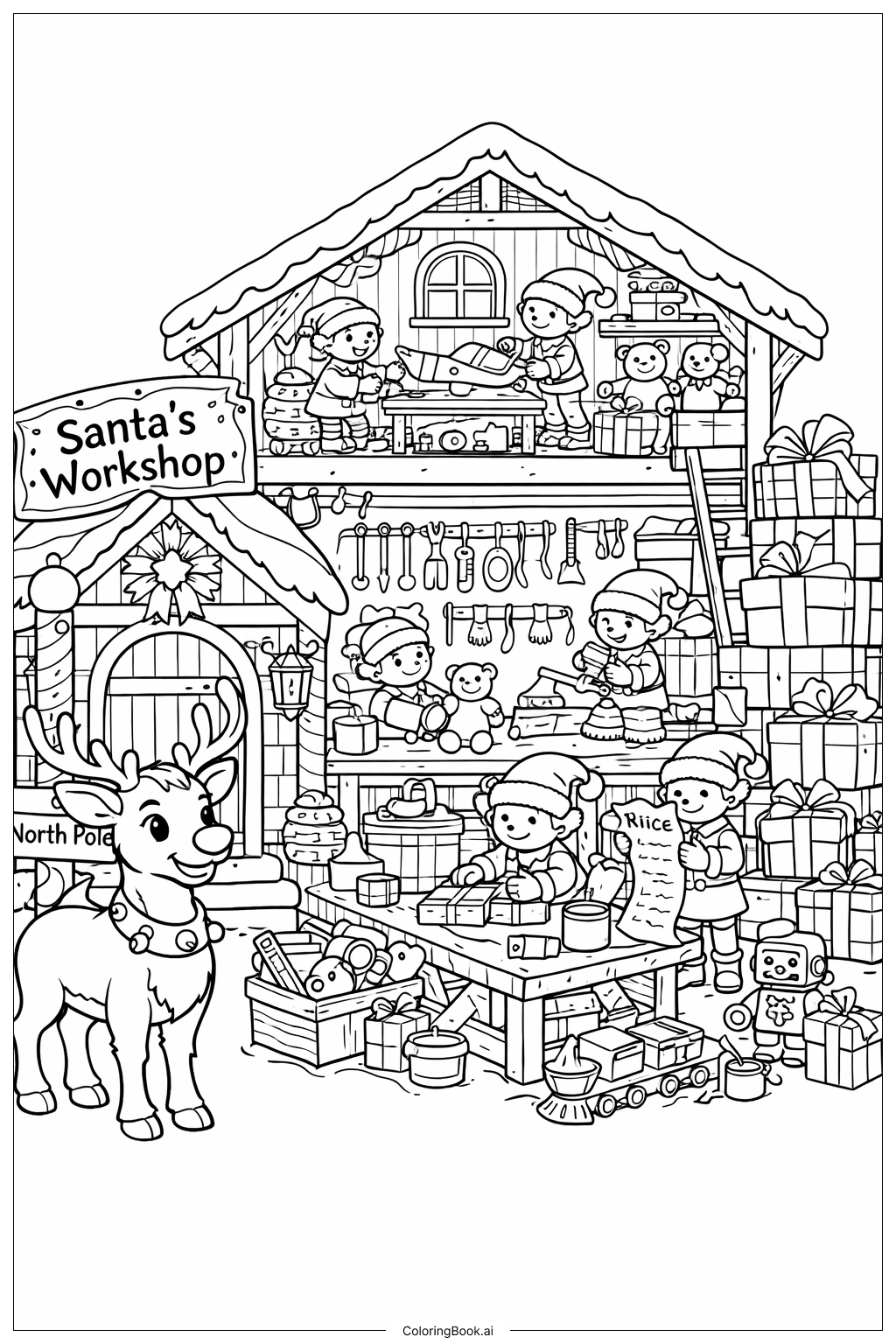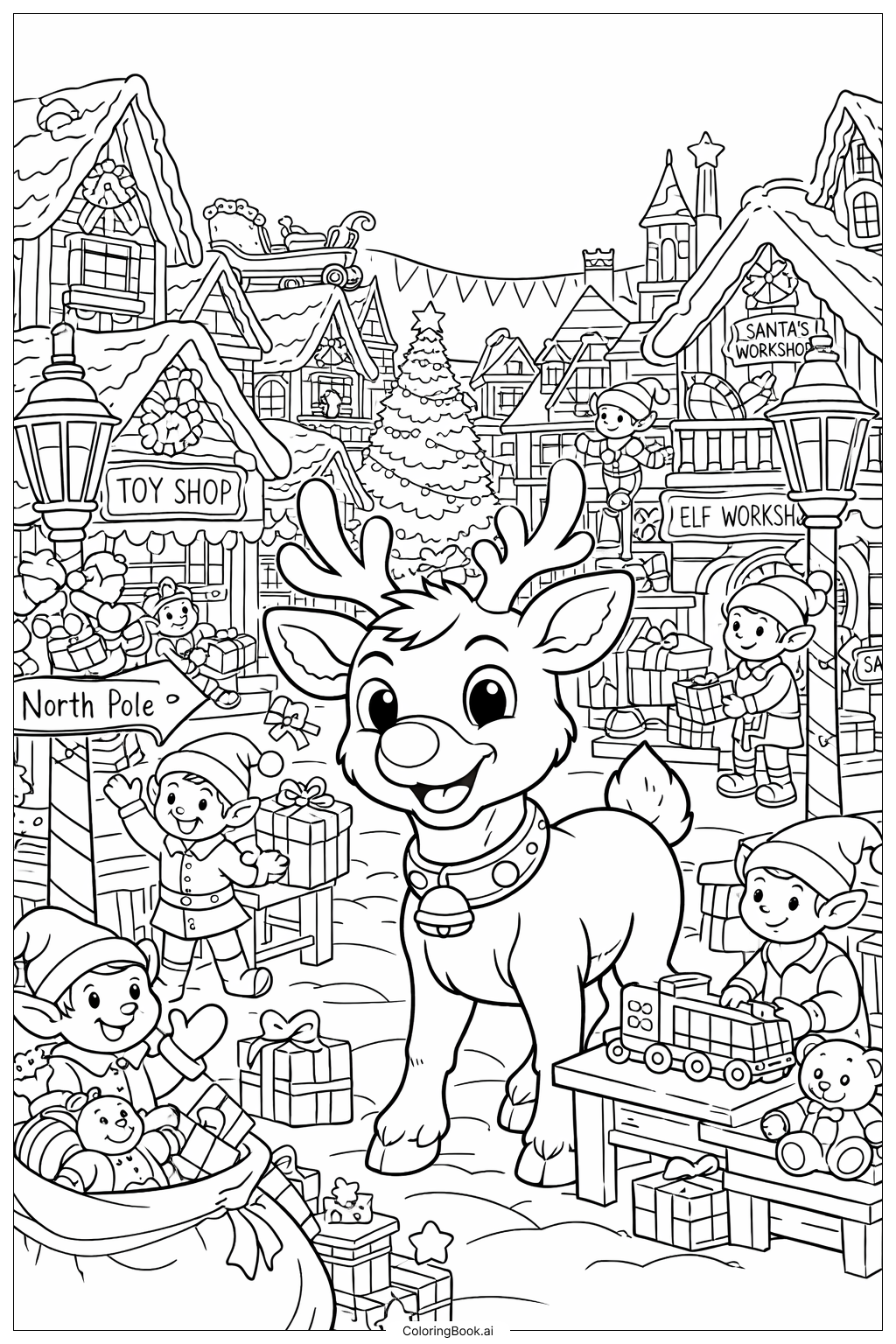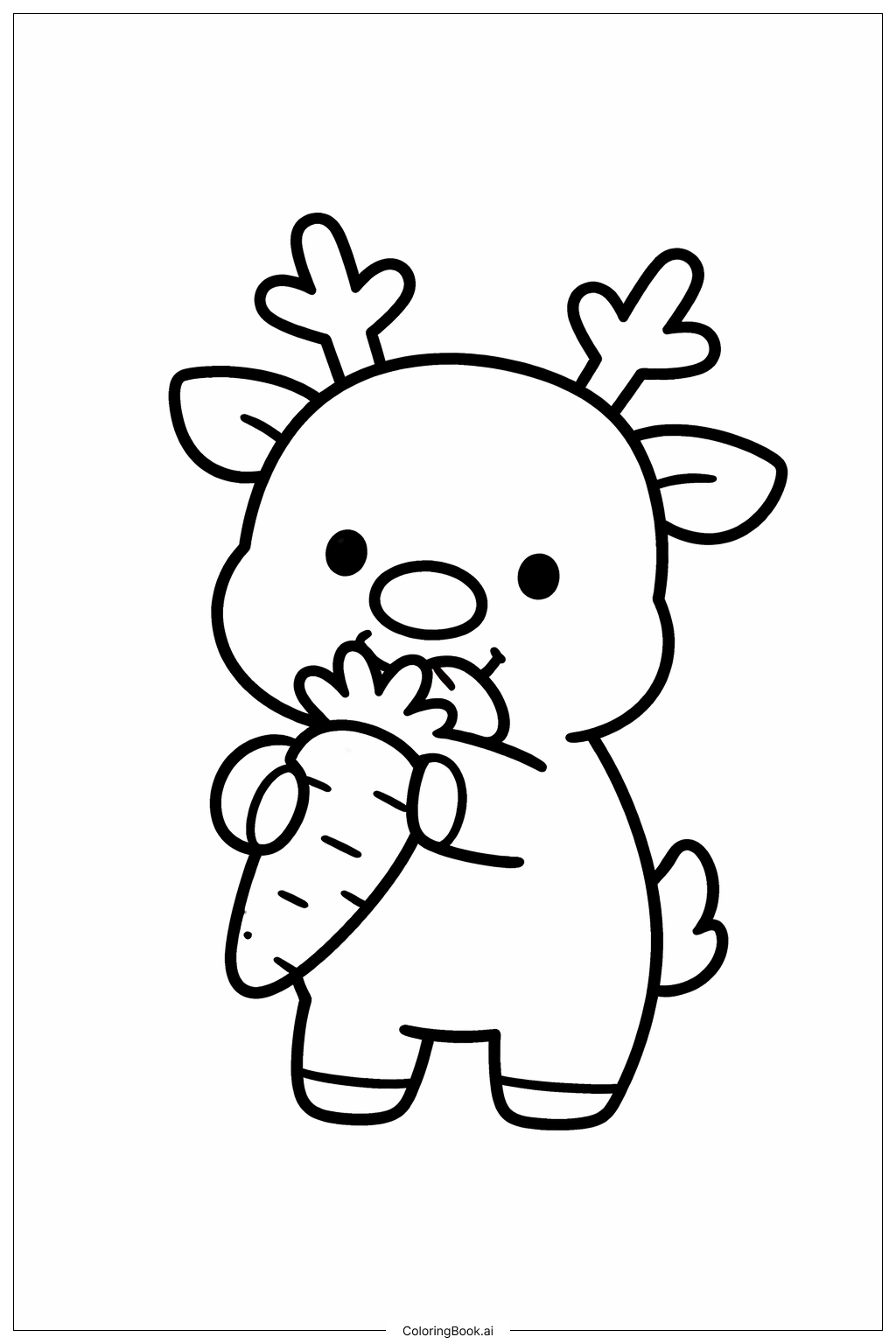
Coloring tips: How to color Rudolph Eating Carrot coloring page well?
Start with Rudolph's body using warm brown tones. You can mix light tan on his belly and face for a softer look. His iconic nose should be bright red — use your boldest red crayon or marker to make it pop. Color the antlers in a darker brown to contrast nicely with his body. His eyes look great in dark brown or black, with a tiny white dot left uncolored to show a sparkle. The carrot is a fun part — use bright orange for the main body and green for the leafy top. If you want to add a background, try a snowy white or pale blue sky to give Rudolph a wintry setting. Feel free to add rosy cheeks in pink or light red to make him look extra cheerful. There are no strict rules — let your imagination guide your color choices and make this Rudolph truly your own!
Coloring challenges: Which parts are difficult to color and need attention for Rudolph Eating Carrot coloring page?
Coloring this image is fun, but a few areas may require extra care and attention. Here are the main challenges to watch out for:
• Rudolph's Glowing Nose: The round nose is the most iconic feature of this image. Getting the right shade of red — bright and bold without going too dark — can be tricky. You want it to look like it is glowing, so try leaving a small uncolored spot to suggest light, or blending in a lighter pink near the center.
• Antler Details: The antlers branch out in multiple directions and have narrow, pointed tips. Coloring inside these small areas neatly takes patience and a sharp, thin pencil or fine-tipped marker. Using a darker and lighter shade of brown can help give them a realistic, dimensional look.
• Carrot Shading: The carrot seems simple, but blending orange tones to show its round, bumpy surface adds depth. The leafy green top also has small, overlapping shapes that require careful color placement to avoid muddying the colors together.
• Facial Expression: Rudolph's face has small details like eyes, eyebrows, and a smile that are close together. Coloring these neatly without smudging or going outside the lines needs a steady hand and a fine-tipped tool.
• Body Fur Texture: If you want Rudolph's coat to look soft and fluffy, blending two or three shades of brown can help suggest texture. Flat single-color fills work fine too, but achieving that furry feel adds an extra layer of difficulty for more advanced colorists.
Benefits of coloring books: Advantages of drawing Rudolph Eating Carrot coloring page
Coloring this cheerful image of Rudolph eating a carrot offers a wonderful range of benefits for kids and adults alike. For younger children, it helps develop fine motor skills and hand-eye coordination as they carefully fill in Rudolph's fur, antlers, and carrot. Staying within the lines builds focus and patience, skills that carry over into reading, writing, and everyday tasks. Choosing colors for Rudolph's body, nose, and background encourages creative thinking and self-expression. There is no single right answer, so children feel free to experiment and build confidence in their choices. For older kids and adults, the more detailed areas like the antler tips and facial features provide a calm, meditative activity that helps reduce stress and quiet a busy mind. Engaging with a familiar, beloved character like Rudolph also sparks feelings of joy and nostalgia, making the coloring experience emotionally uplifting. Completing the page gives a sense of accomplishment that boosts self-esteem for colorists of all ages. Sharing the finished artwork with family or friends adds a social and celebratory element to the creative process. Overall, this page is a simple but meaningful way to relax, create, and celebrate the magic of the holiday season.