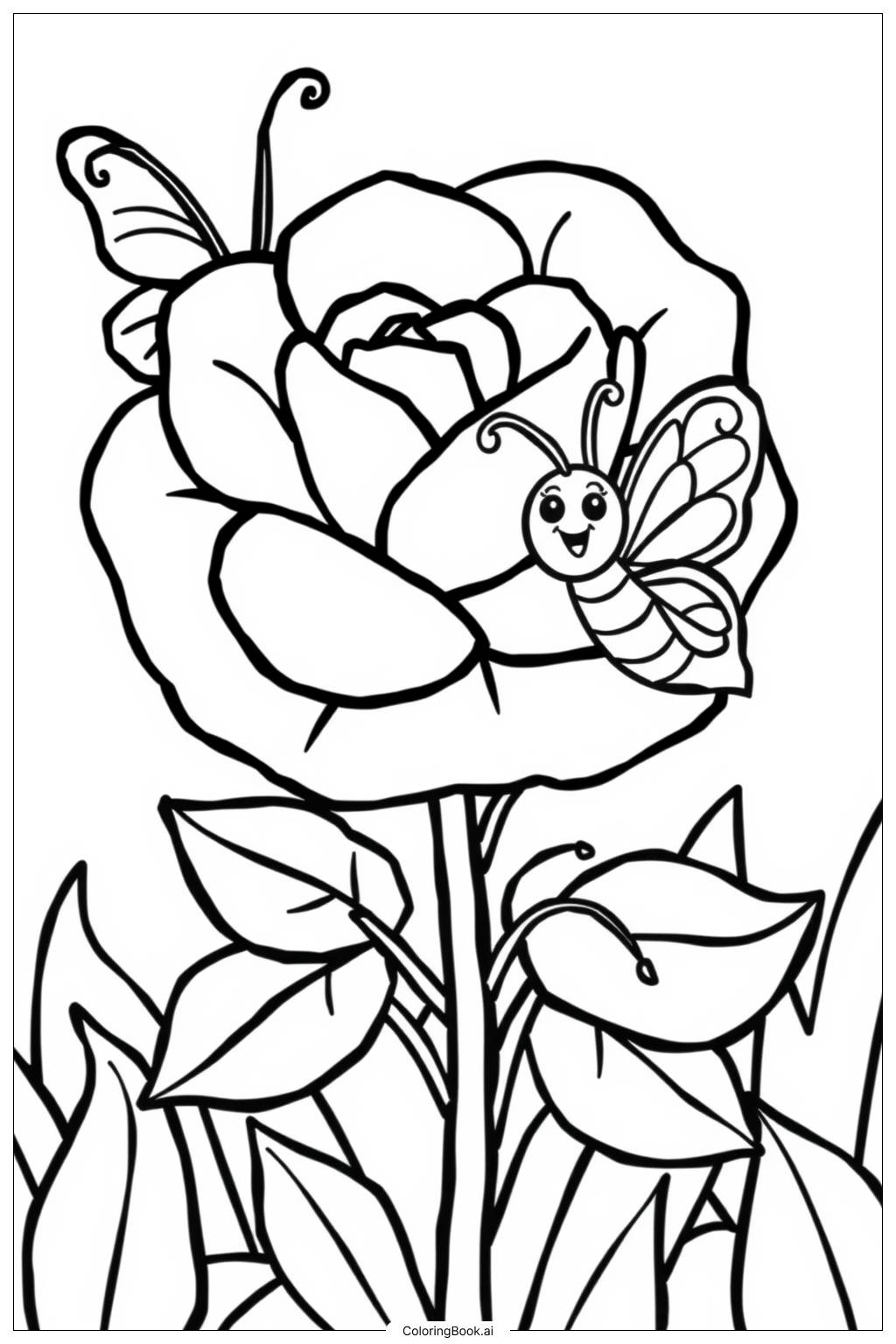
Coloring tips: How to color Rose Butterfly Garden coloring page well?
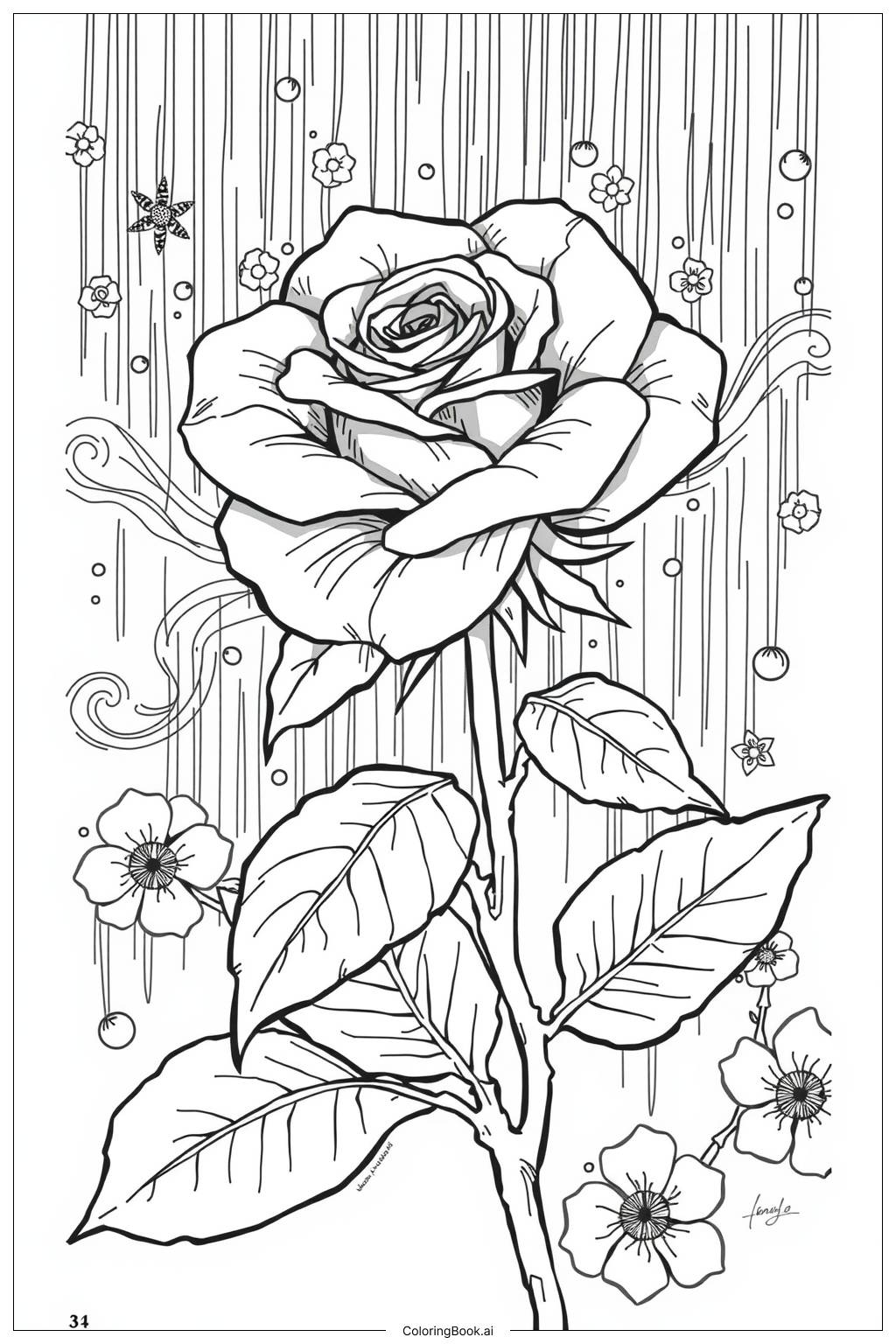
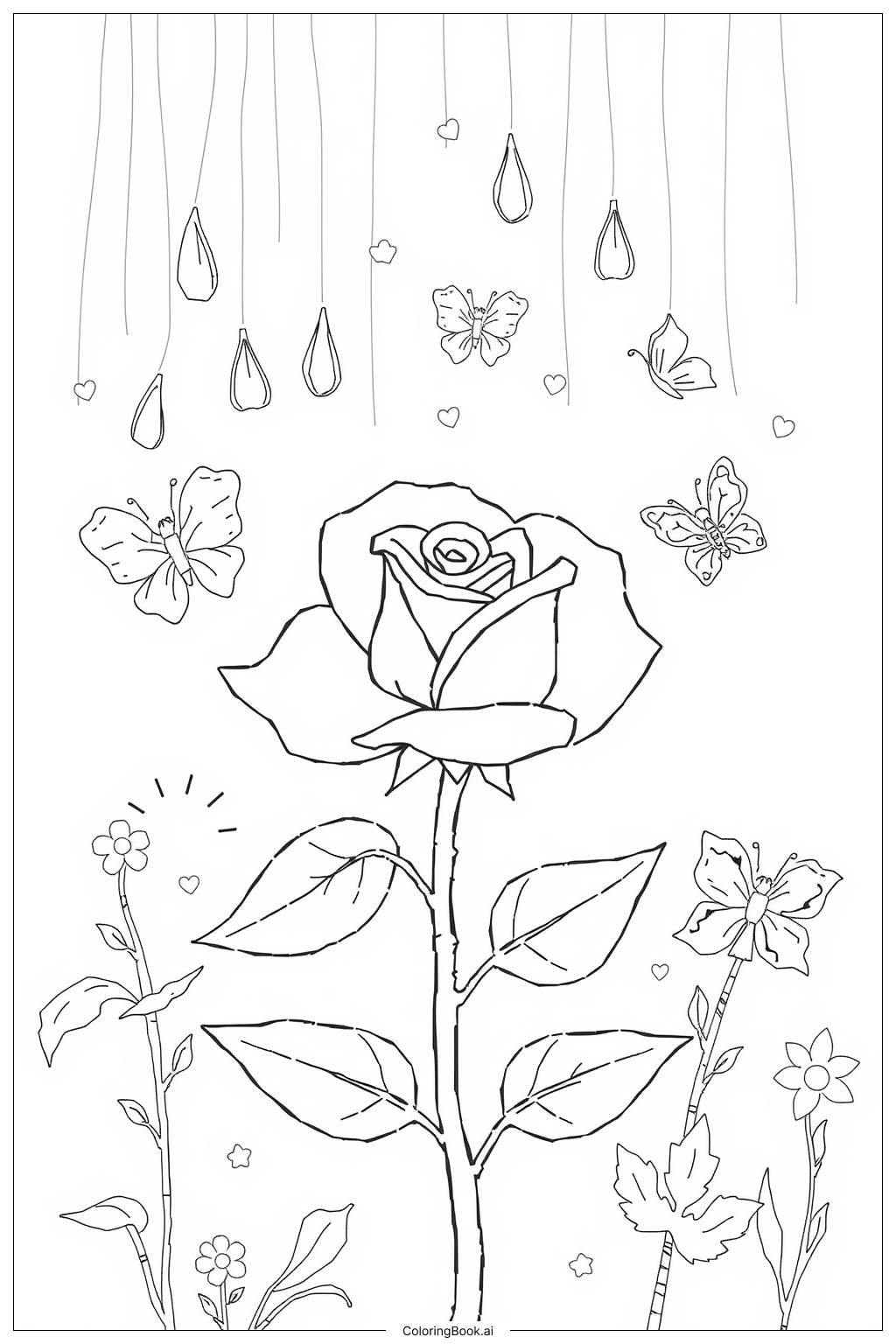
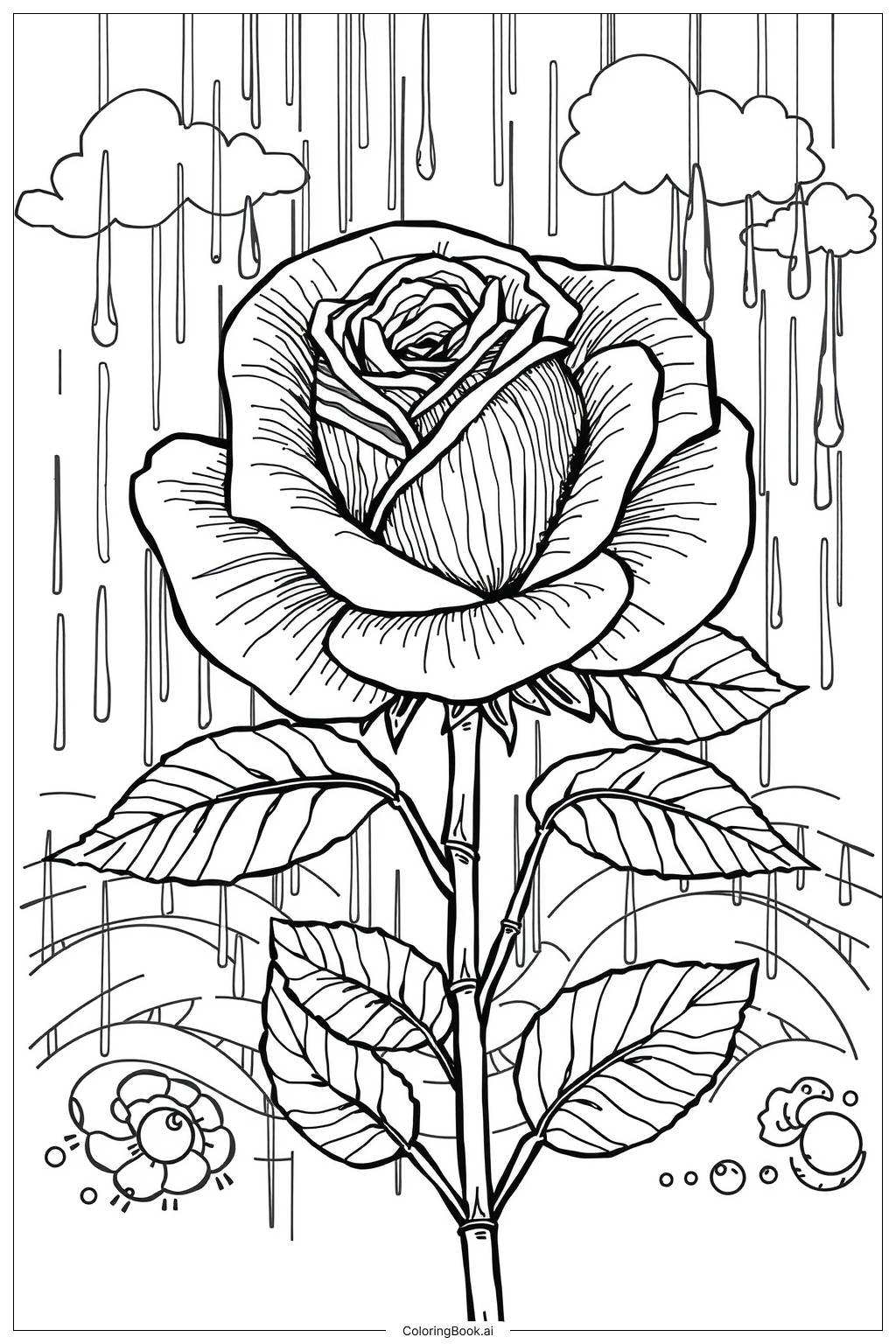
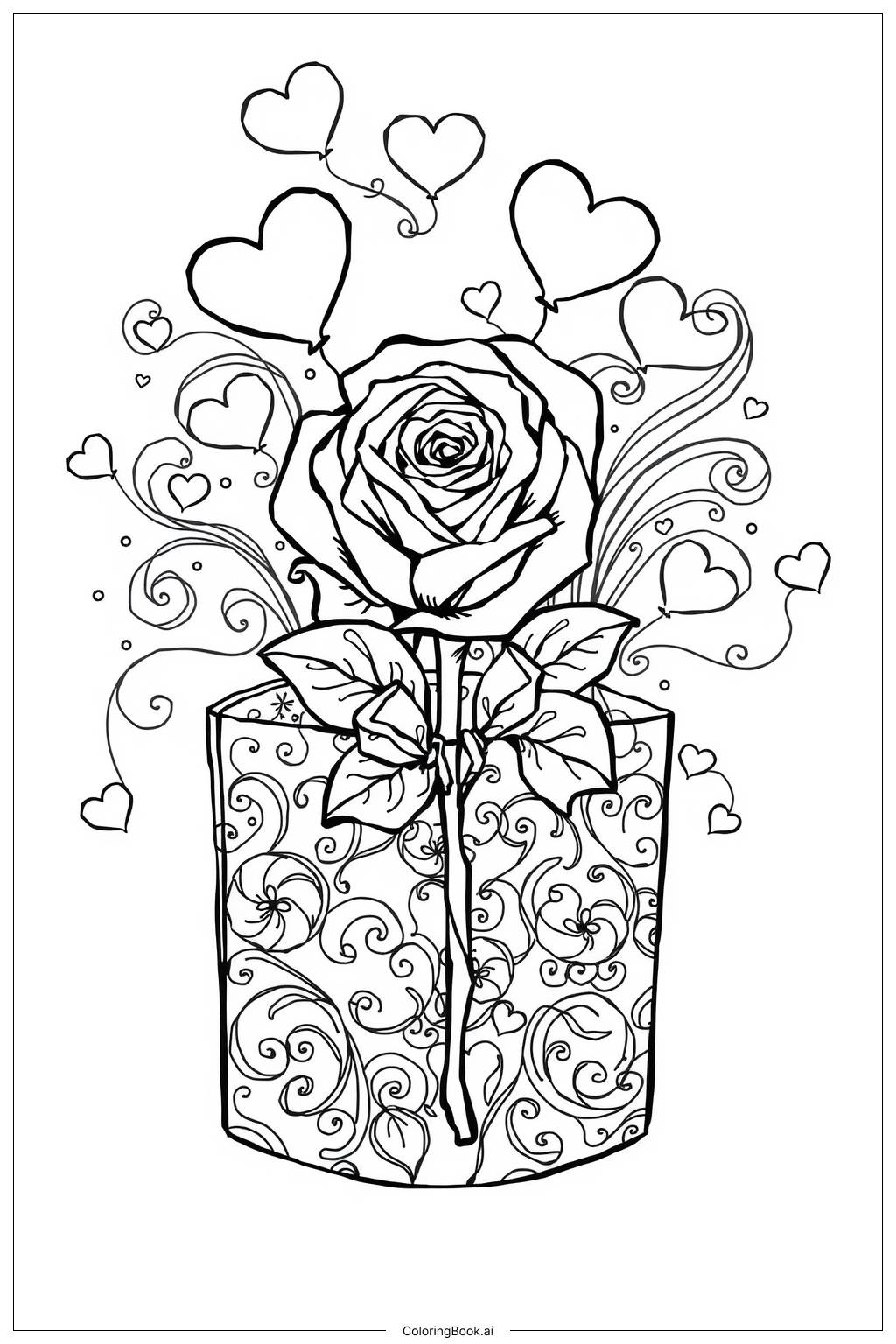
Start with the rose at the center. Use deep red or pink for the petals, and add lighter shades like pale pink or white near the edges to show softness. Color the leaves and vines in different shades of green to give depth. For the butterflies, have fun with bright colors — try orange, yellow, purple, or blue. Use contrasting colors on the wing patterns to make them stand out. You can make each butterfly a different color so the page feels lively and full of variety. Fill the background foliage with soft greens and yellows to keep the focus on the rose and butterflies. Light colors work best for backgrounds. Take your time with the small wing details — even simple colors can look amazing when placed carefully.
Coloring challenges: Which parts are difficult to color and need attention for Rose Butterfly Garden coloring page?
• Rose Petal Layering: The rose has many overlapping petals arranged in a spiral. Coloring each petal individually while showing depth and shadow takes patience. You need to shift between light and dark shades of the same color without making the petals blend into one flat shape. This is one of the trickiest parts of the whole image.
• Butterfly Wing Patterns: Each butterfly has detailed wing markings, including spots, fine lines, and curved edges. Staying inside these small shapes requires a steady hand and a sharp pencil or thin marker. If colors bleed across the lines, the wing patterns lose their definition and visual impact.
• Small Vein and Line Details: Butterfly wings contain thin vein lines that divide the wing into sections. These narrow spaces are difficult to fill without accidentally going over the lines. Using a fine-tipped coloring tool is strongly recommended for these areas.
• Background Foliage Balance: The leaves and vines in the background are dense and close together. Choosing colors that support the main subjects — the rose and butterflies — without overpowering them is a real challenge. Too many bold colors in the background can make the image look crowded and confusing.
• Depth and Dimension: Because this is a flat line drawing, creating a sense of depth requires intentional shading. Adding highlights to petals and shadows under butterfly wings gives the image a three-dimensional feel, but it takes practice and careful color blending to pull off successfully.
Benefits of coloring books: Advantages of drawing Rose Butterfly Garden coloring page
Coloring this Rose Butterfly Garden page offers many wonderful benefits for kids and adults alike. Focusing on the detailed petals and butterfly wings helps improve concentration and fine motor skills. Carefully coloring within small shapes trains hand-eye coordination and builds patience over time. Choosing colors for the rose, butterflies, and leaves encourages creative thinking and personal expression. There are no wrong choices — every color combination tells a unique story. The calming nature of this garden scene makes it a great activity for reducing stress and anxiety. Sitting quietly and coloring helps slow down the mind and create a sense of peace. For younger children, learning to recognize different shades of color and practicing how to stay within lines builds early learning skills that support school readiness. For older kids and adults, the intricate details provide a satisfying challenge that builds focus and artistic confidence. Completing a full page also gives a real sense of accomplishment. Sharing your finished artwork with family or friends can spark conversations about nature, flowers, and butterflies. Overall, this page combines creative fun with meaningful developmental and emotional benefits for colorists of all ages.