Coloring tips: How to color Resurrection Blooming Path coloring page well?
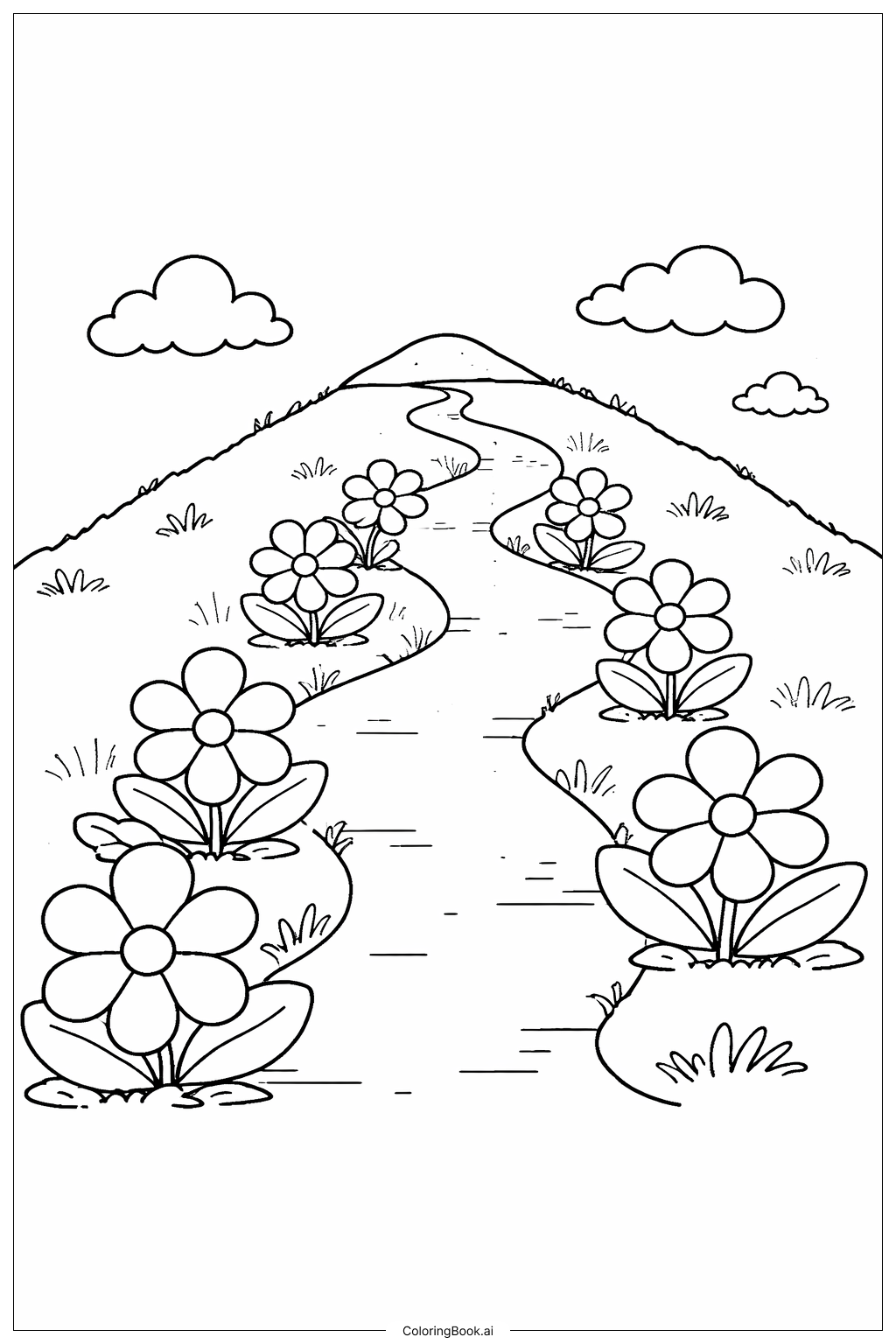
Use soft and warm colors like gentle pinks, yellows, and greens for the flowers to show the sense of new life. The path can be colored in light browns or soft grays to stand out against the bright flowers. For the trees, try mixing different shades of green for the leaves and add hints of sunlight with yellows or gold. The birds can be colored in bright colors like blues or reds to make them lively and joyful. You can experiment with blending colors gently to show the soft light shining through the leaves. Remember, bright and fresh colors will bring out the theme of Resurrection and growth beautifully.
Coloring challenges: Which parts are difficult to color and need attention for Resurrection Blooming Path coloring page?
• Detailed Flowers: The flowers have many small petals and intricate shapes that may be tricky for young children to color inside the lines carefully. It requires patience and steady hand control.
• Light and Shadow: Showing the sunlight filtering through branches with subtle shading can be challenging, as it needs a gentle touch to blend colors smoothly.
• Path Texture: The winding path has small stones and grass patches which need different coloring techniques to look natural without making it too busy.
• Bird Details: The flying birds have delicate wings and feathers that require careful coloring to keep them clear and defined.
• Layered Foliage: The layers of trees and bushes overlap, making it important to use different shades to create depth without losing details between them.
Benefits of coloring books: Advantages of drawing Resurrection Blooming Path coloring page
Coloring this image helps improve focus and fine motor skills as children carefully fill in detailed flowers and small areas. It encourages creativity by letting them choose colors that reflect the theme of new life and hope. The soft shapes of blossoms and natural elements also promote relaxation and mindfulness. This picture supports learning about nature and the symbolic meaning of Resurrection in a gentle, visual way. Coloring this scene can inspire positive feelings and a sense of calm, making it a wonderful activity for both children and adults.