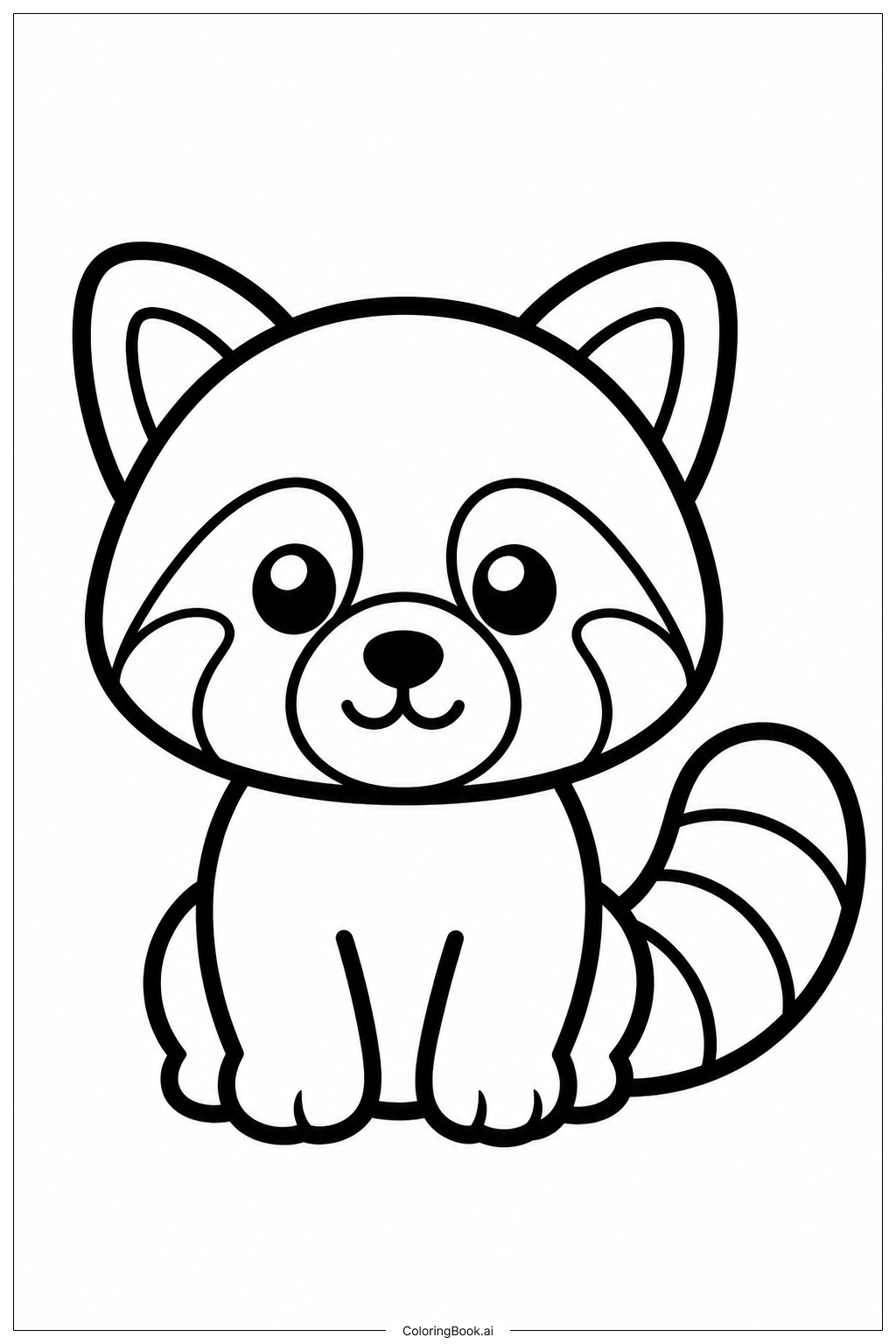
Coloring tips: How to color Red Panda With Big Eyes coloring page well?
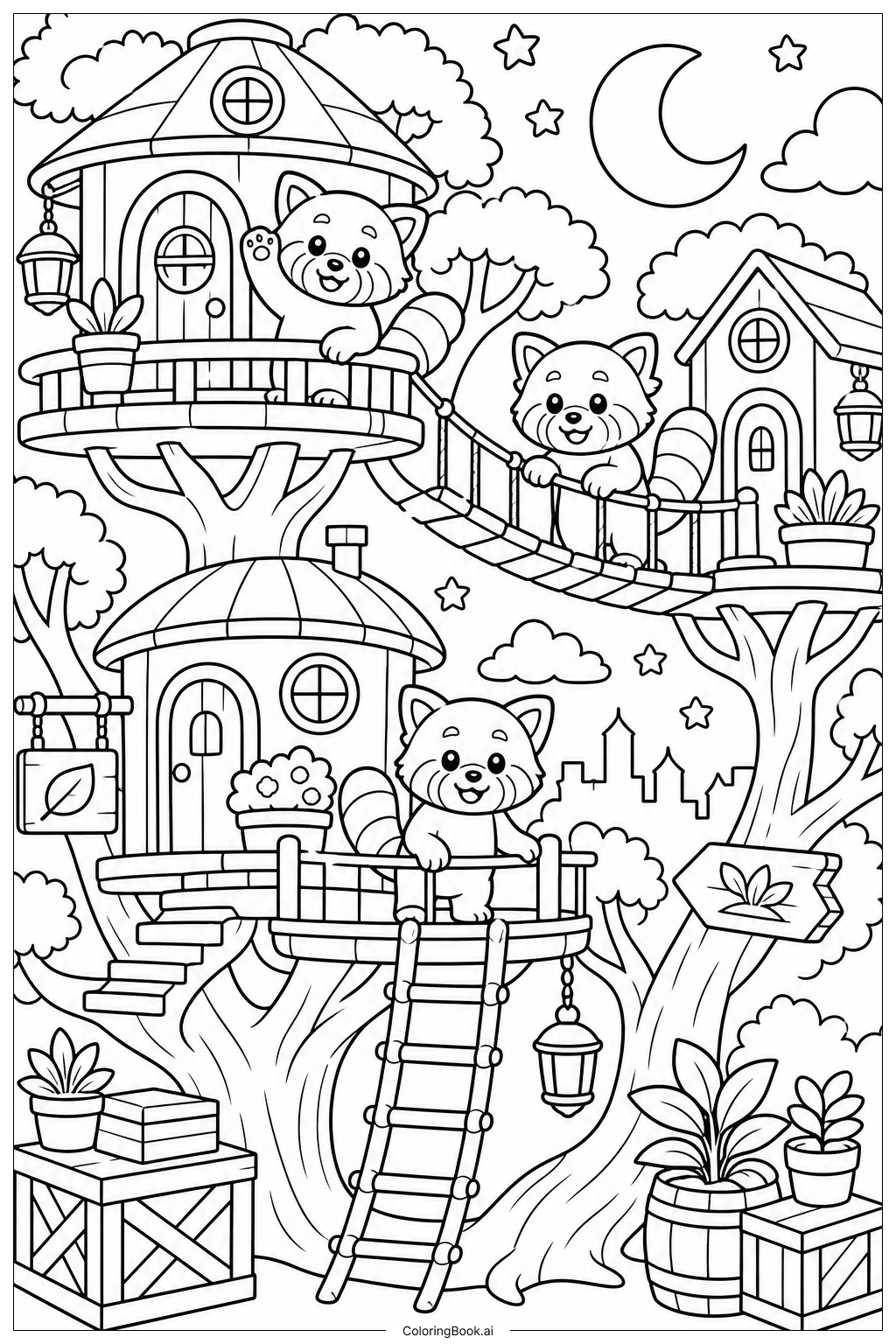
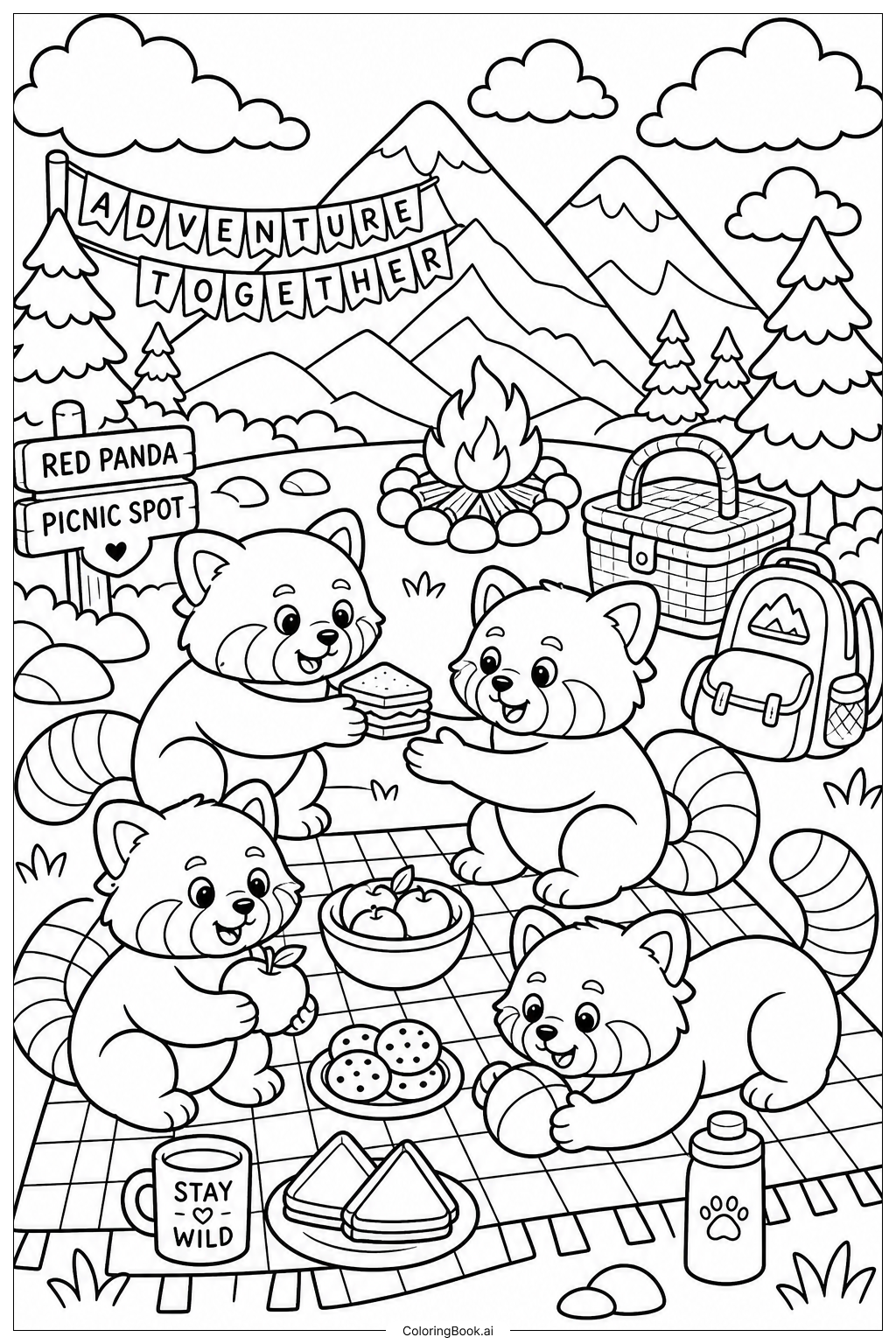
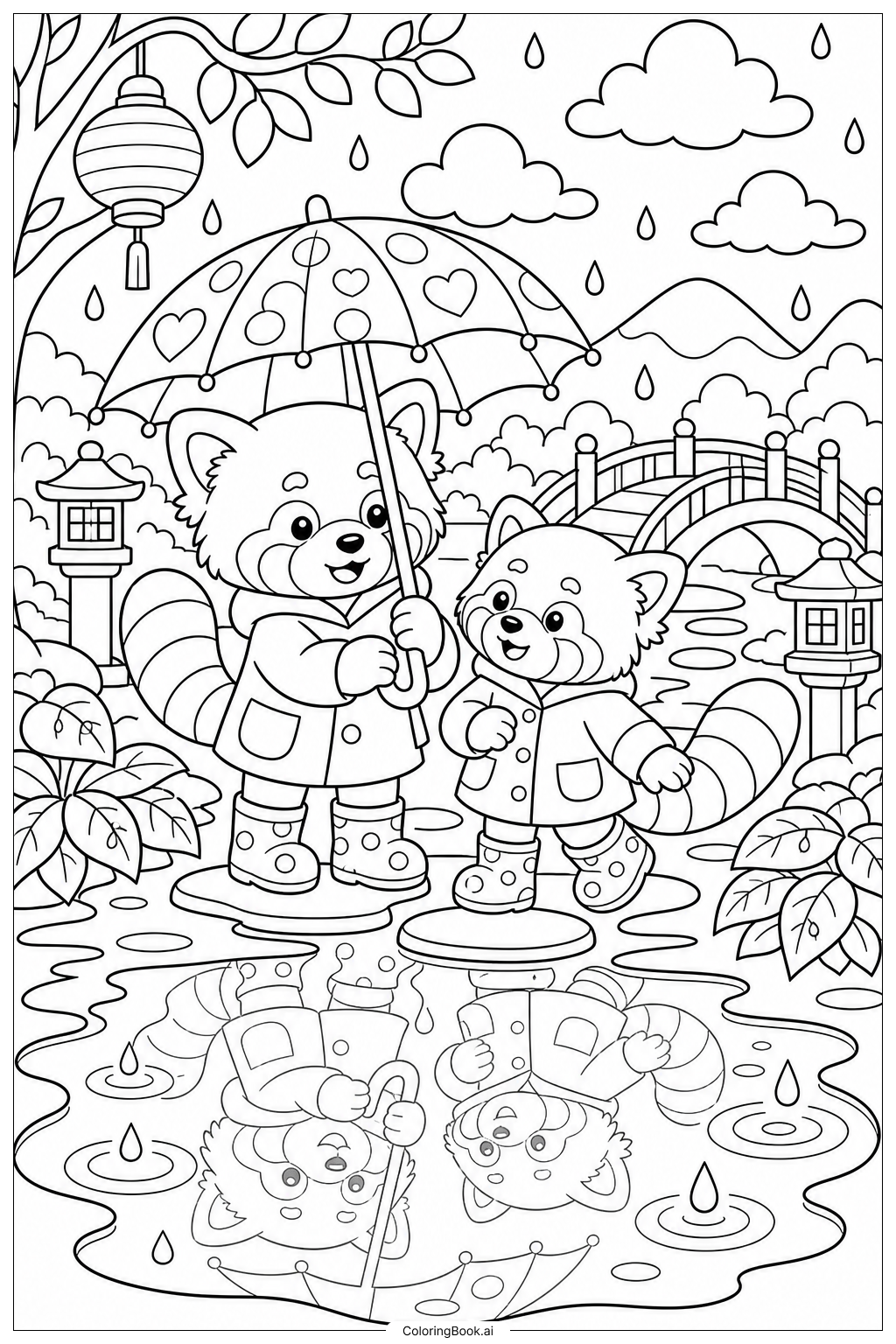
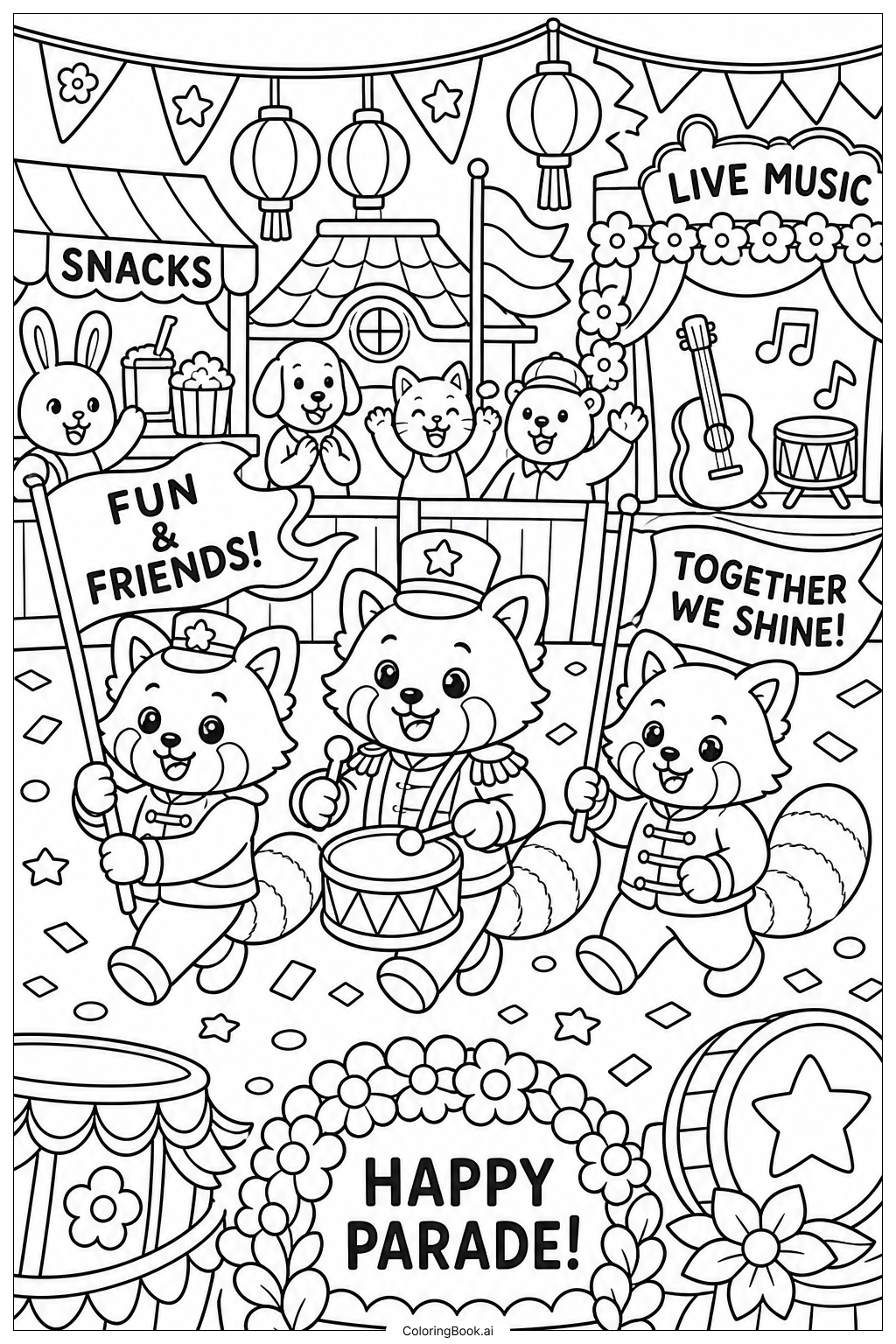
Start with the face by coloring the large eyes dark brown or black, leaving white highlights to make them sparkle. Use light cream or tan for the facial markings around the muzzle and above the eyes. The main body should be colored in warm rusty-red or reddish-brown tones. For the tail rings, alternate between the rusty-red and darker brown bands to create the striped pattern. Color the ears reddish-brown on the outer edges with cream inside. The paws and lower legs can be colored in deep chocolate brown or black. Add soft orange and peach tones to the chest and belly area for contrast. Consider using colored pencils to blend the rusty-red fur smoothly, and add darker shading around the edges to create dimension and fluffiness.
Coloring challenges: Which parts are difficult to color and need attention for Red Panda With Big Eyes coloring page?
• Large Expressive Eyes: The oversized eyes are the focal point and require careful attention to detail. Children need to color the pupils precisely while leaving small white spots uncolored to create a shiny, lively appearance. Getting the highlights positioned correctly can be tricky for younger colorists, as it requires steady hand control and understanding of light reflection.
• Tail Ring Patterns: The bushy tail features multiple alternating bands that need to be colored in contrasting shades. Keeping the stripes evenly spaced and maintaining clean boundaries between each ring requires patience and planning. Children must decide on their color scheme beforehand and carefully stay within each section without bleeding colors together, which can be challenging in the curved areas.
• Fur Texture Details: The image shows fine lines throughout the body suggesting fluffy fur texture. Coloring these detailed areas without losing the texture requires light pressure and possibly layering multiple shades. Young artists may find it difficult to color around these texture lines while maintaining the overall shape and avoiding a patchy appearance.
• Facial Markings Precision: The red panda's face includes distinctive tear-streak markings, lighter patches around the muzzle, and subtle color transitions. Accurately coloring these small facial features with different colors while keeping them symmetrical and proportional demands concentration and fine motor control that may challenge children aged 4-8.
Benefits of coloring books: Advantages of drawing Red Panda With Big Eyes coloring page
Coloring this red panda helps children develop fine motor skills and hand-eye coordination, especially when working on the detailed facial features and intricate tail rings. The large eyes provide an excellent opportunity to practice precision and learn about creating highlights and depth. This page teaches kids about color blending and shading techniques as they work with warm reddish-brown tones and create the fluffy fur texture. Children learn about animal anatomy and the unique characteristics of red pandas, including their distinctive markings and coloring patterns. The symmetrical face and repeating tail patterns help develop pattern recognition skills. This calming activity encourages focus and patience while allowing creative expression through color choices. Completing this detailed image builds confidence and gives children a sense of accomplishment, while the adorable subject matter keeps them engaged and motivated throughout the coloring process.