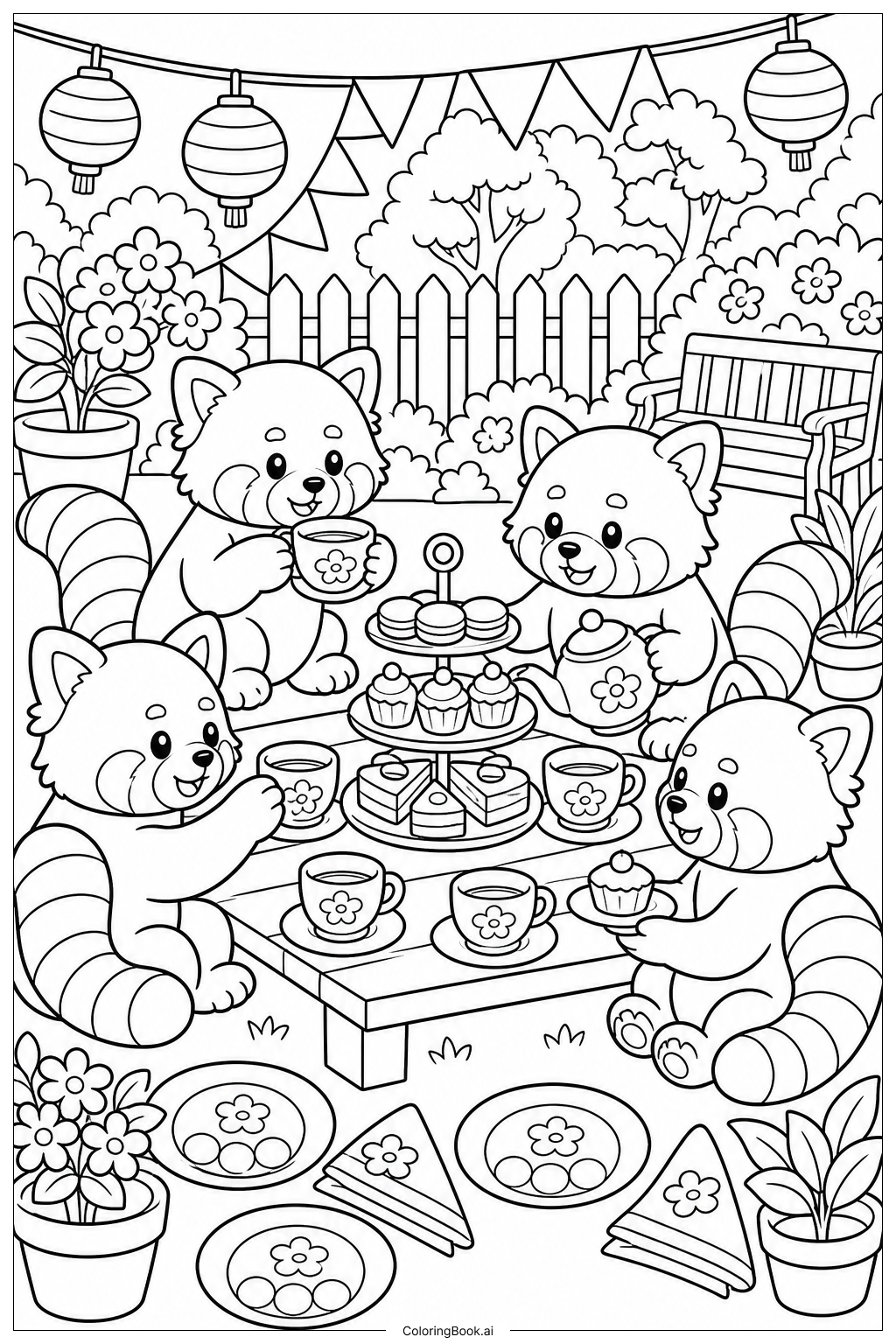
Coloring tips: How to color Red Panda Tea Party Gathering coloring page well?
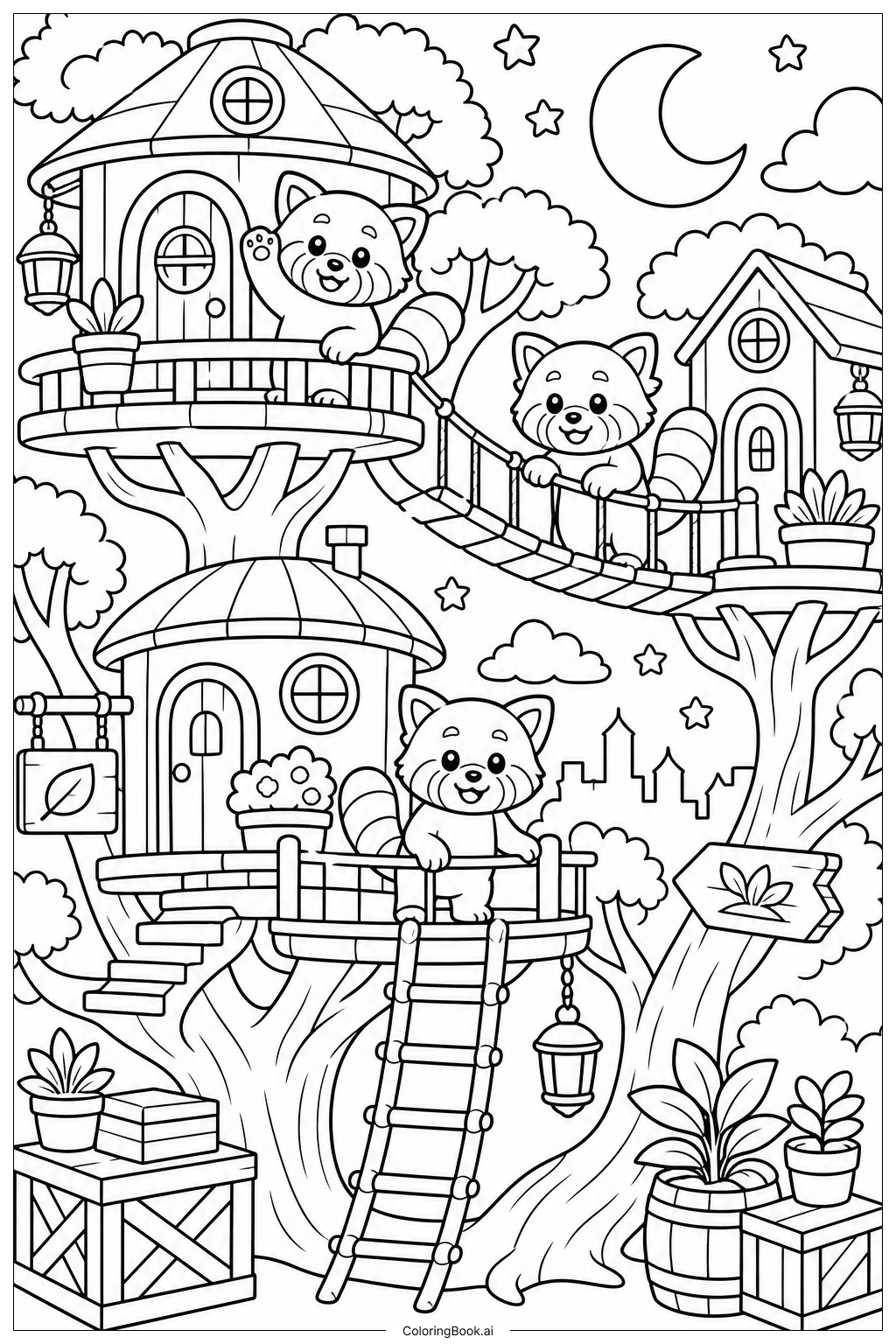
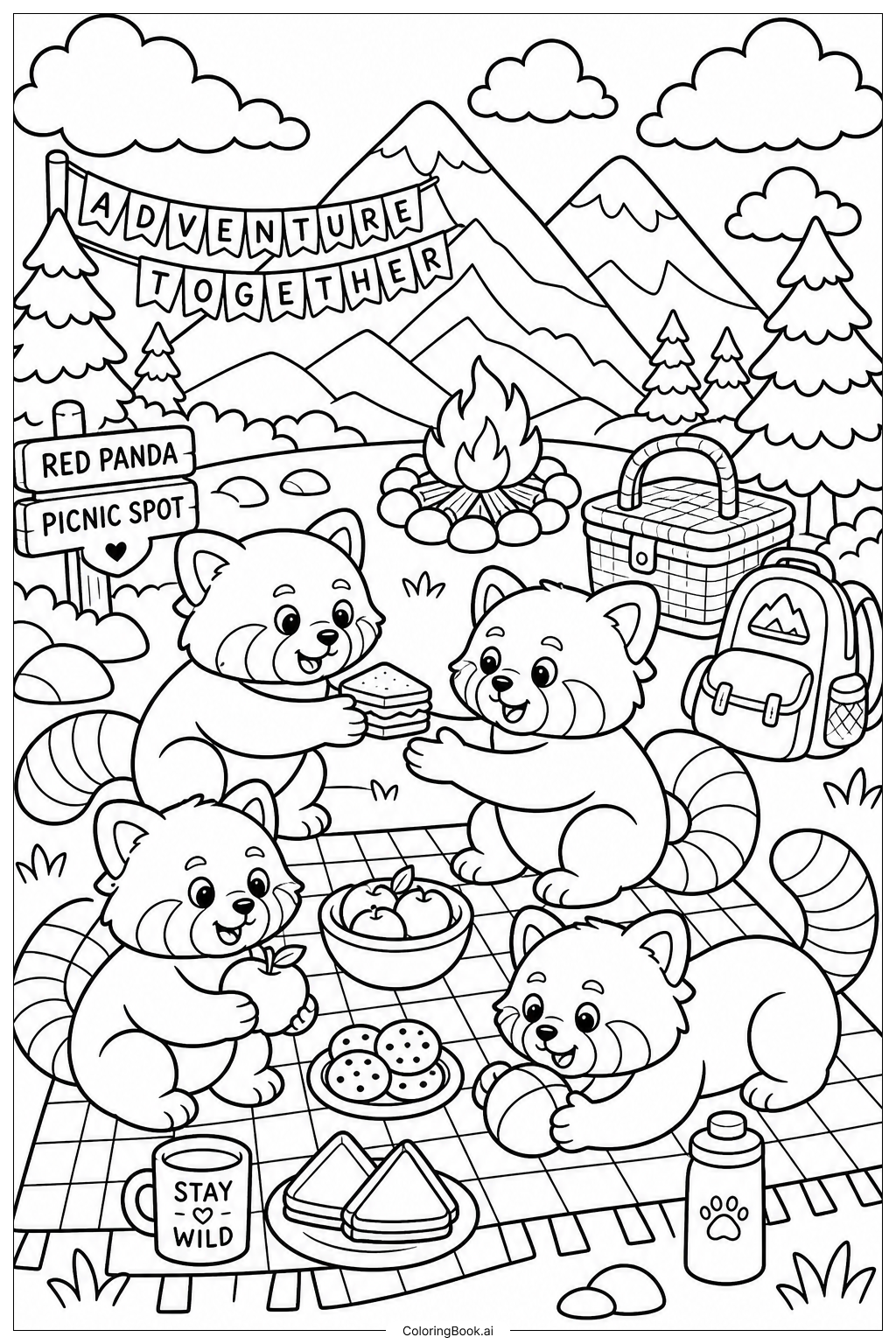
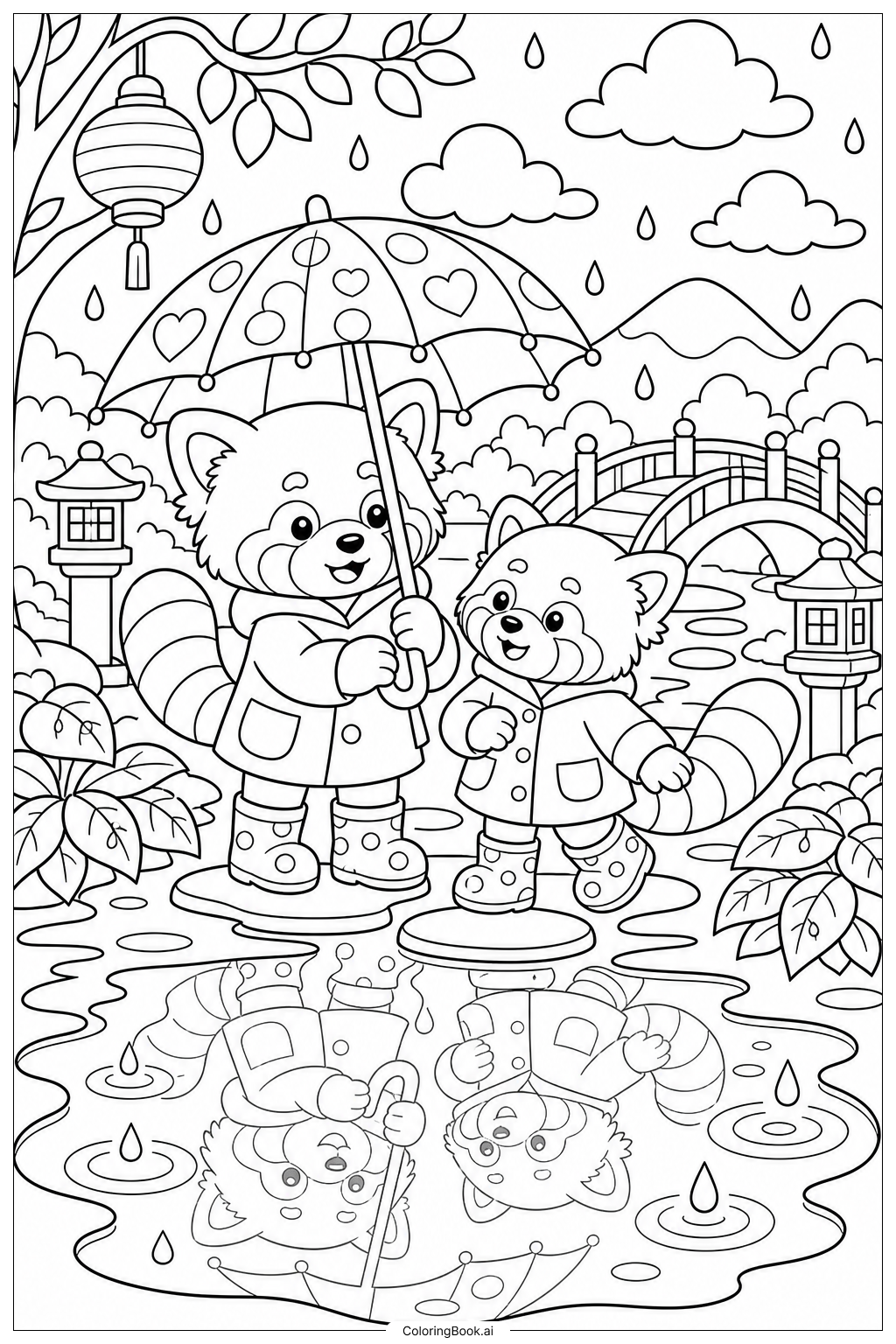
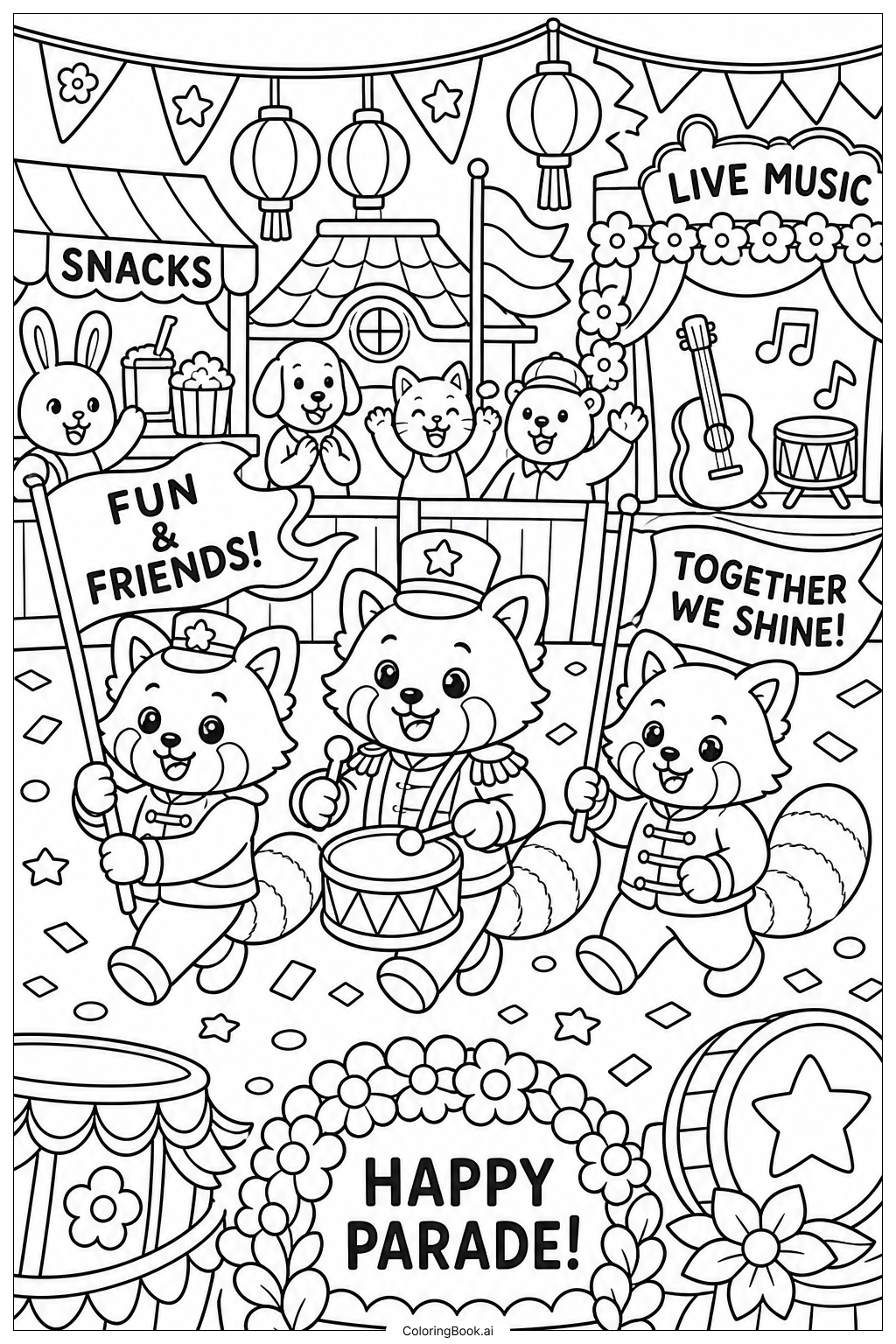
For the red panda, use warm rusty orange and reddish-brown tones for the body, with cream or white for the face markings and inner ears. The fluffy tail can feature alternating rings of orange-brown and darker brown bands. Make the teacups and teapot colorful with pastels like soft pink, mint green, or lavender, adding delicate floral patterns if desired. The tablecloth could be cheerful yellow or light blue with decorative details. Flowers surrounding the scene work beautifully in vibrant colors like purple, pink, red, and yellow with green leaves and stems. The treats on the table can be colored in appetizing shades like golden brown for cookies or pink for frosted cakes. Background trees and grass should use various shades of green to create depth. Consider using colored pencils for soft blending on the red panda's fur and markers for bold, vibrant flowers.
Coloring challenges: Which parts are difficult to color and need attention for Red Panda Tea Party Gathering coloring page?
• Fur Texture and Detail: The red panda's fluffy coat features intricate line work that requires careful attention to create a realistic furry appearance. Colorists need to blend multiple shades of orange, brown, and cream to achieve depth and dimension. The tail rings demand consistent color alternation and smooth transitions between bands, which can be challenging for younger children.
• Small Tea Party Accessories: The teacups, teapot, and tiny treats contain delicate details and patterns that require precision coloring. Staying within the small lines of decorative elements on the china pieces tests fine motor control. These miniature objects also benefit from shading techniques to show their three-dimensional form, which requires planning where light and shadow fall.
• Layered Floral Elements: The flowers and foliage create overlapping layers throughout the composition, making it difficult to distinguish which petals and leaves are in front or behind. Colorists must decide on a color scheme that helps separate these elements while maintaining visual harmony. The variety of flower types and leaf shapes each demand different coloring approaches.
• Background Depth Creation: Creating a sense of distance between the foreground tea party and background woodland requires strategic color choices. Lighter, less saturated colors should be used for distant elements while bolder colors bring forward elements closer. This concept of atmospheric perspective can be challenging for beginners to understand and execute effectively.
Benefits of coloring books: Advantages of drawing Red Panda Tea Party Gathering coloring page
Coloring this tea party scene helps children develop fine motor skills and hand-eye coordination through the detailed work required for small objects and intricate patterns. The variety of elements encourages color recognition and experimentation with different combinations, fostering creativity and artistic decision-making. Working on the red panda's fur texture teaches blending techniques and patience, as achieving smooth color transitions takes time and practice. The whimsical nature of the scene sparks imagination and storytelling, allowing children to create narratives about the tea party as they color. Completing this detailed image builds concentration skills and provides a sense of accomplishment. The calming, repetitive motion of coloring offers stress relief and promotes mindfulness, making it beneficial for both children and adults. Additionally, learning about red pandas and their habitats through this activity can inspire interest in wildlife conservation and nature appreciation.