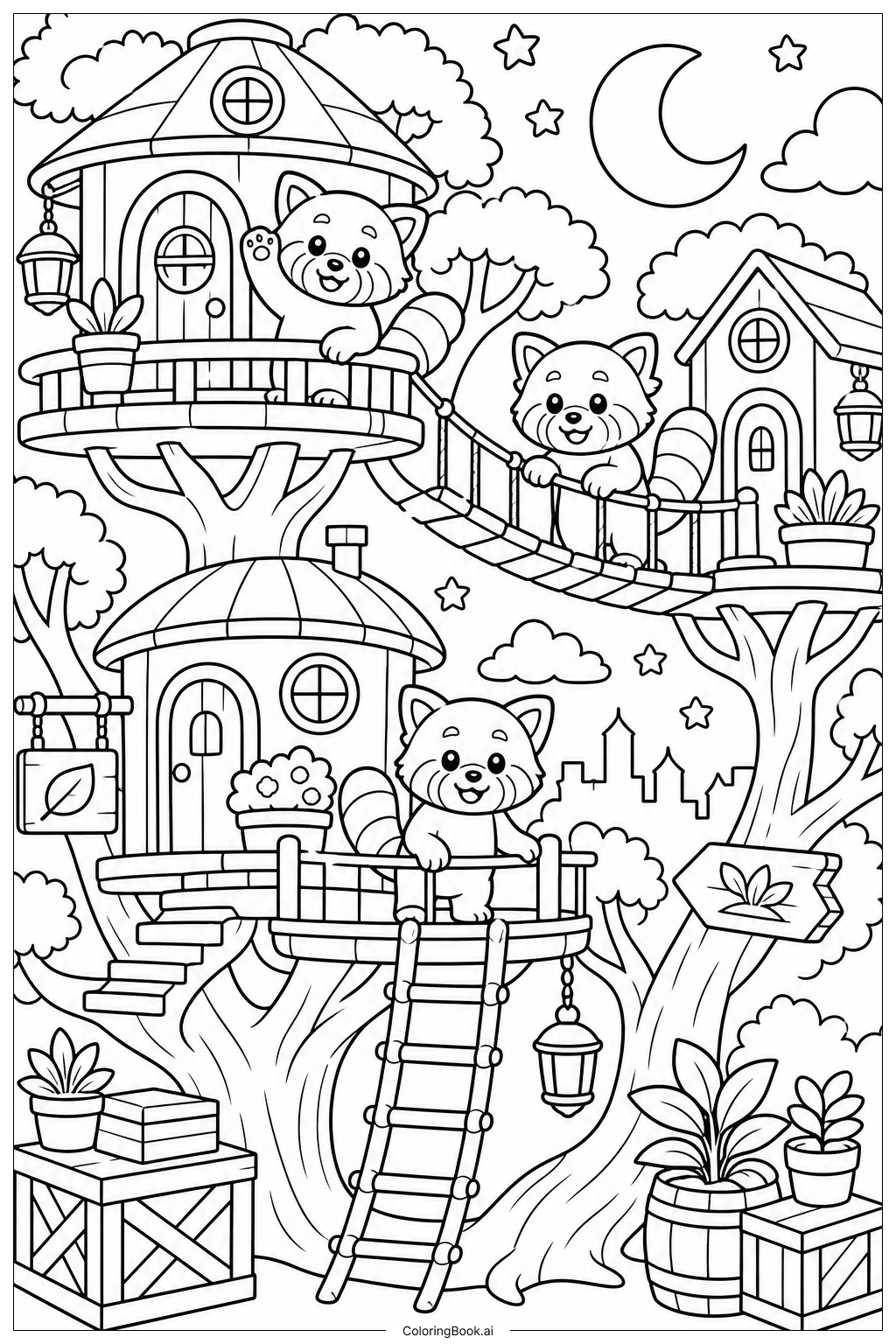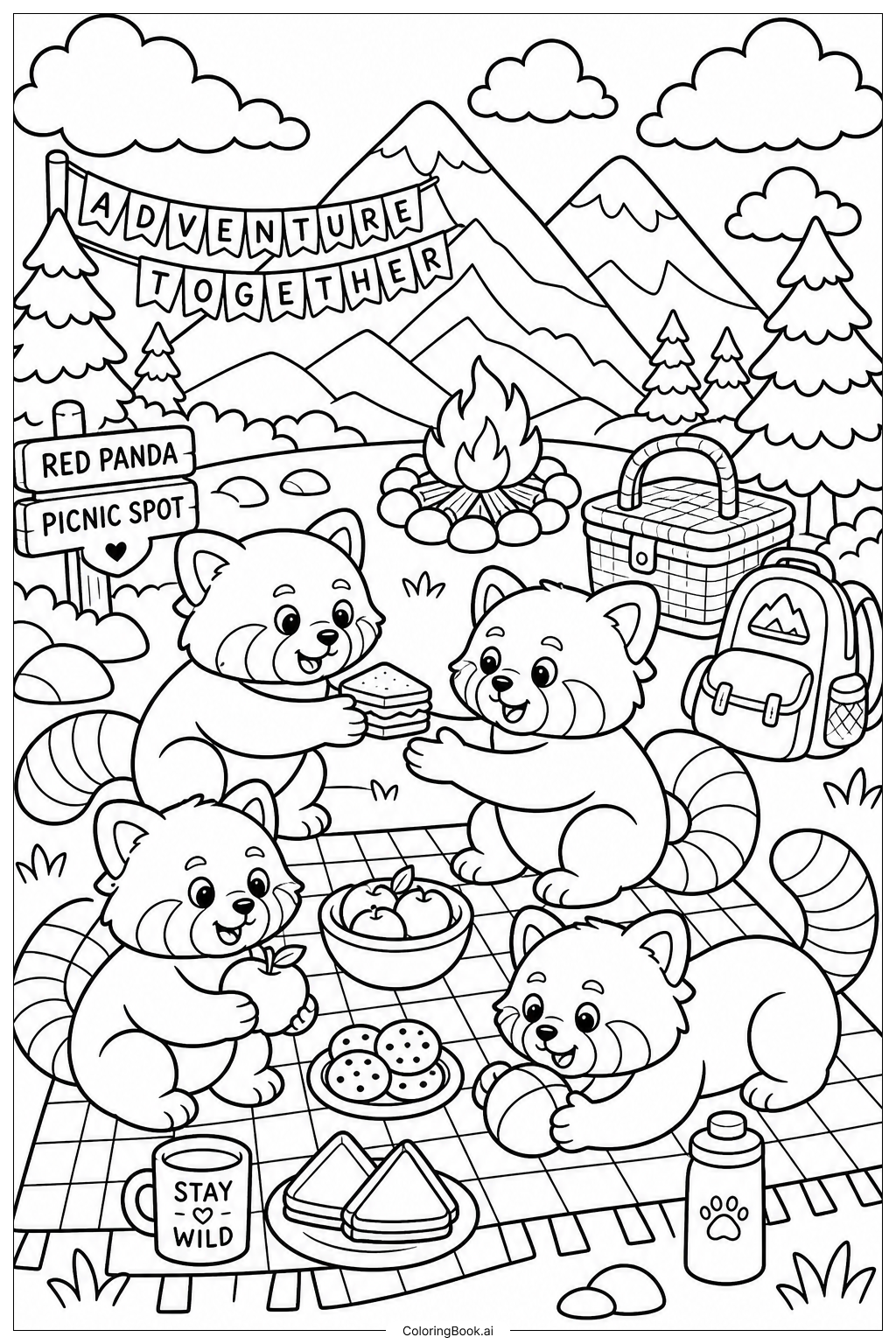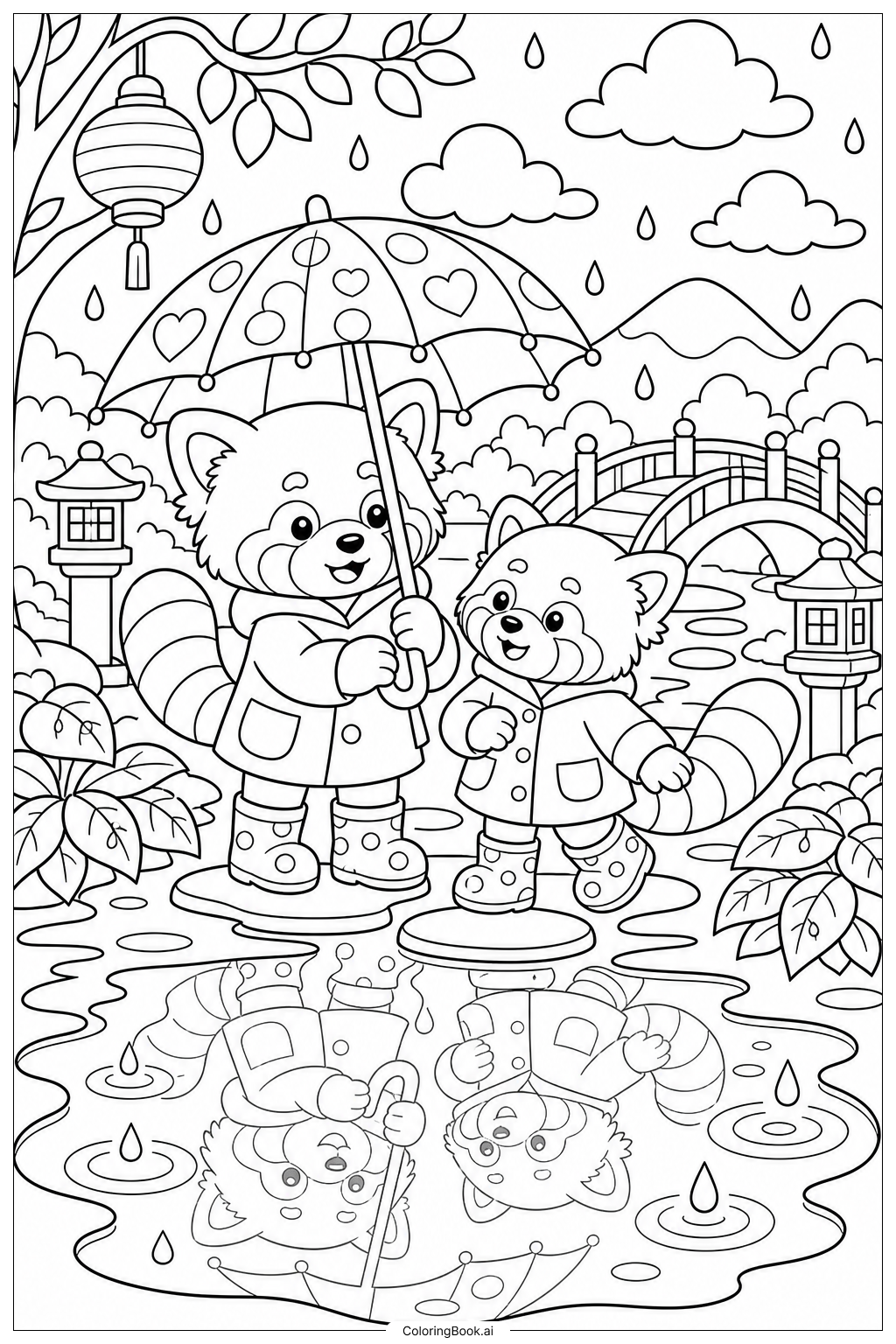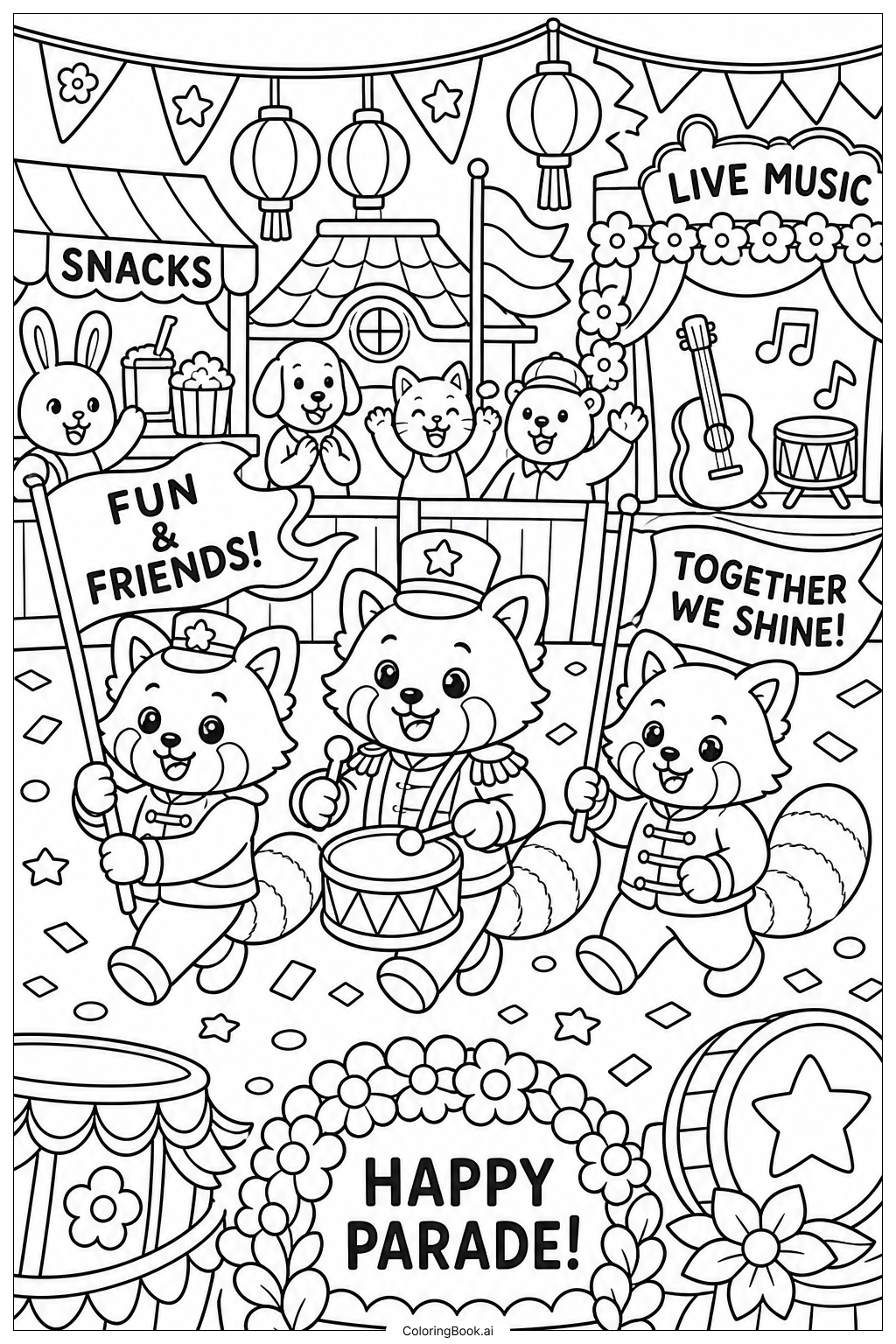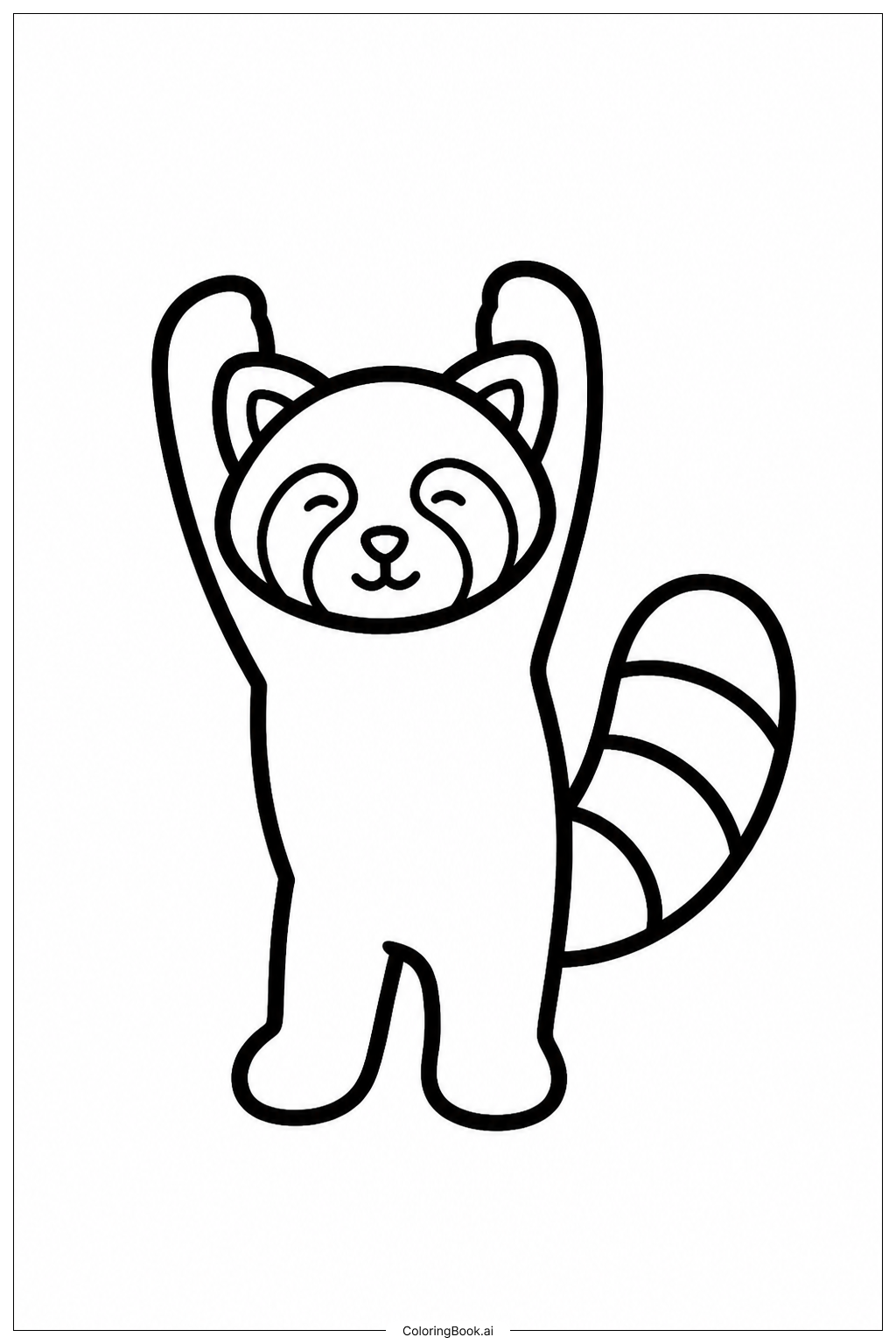
Coloring tips: How to color Red Panda Stretching Up coloring page well?
For this adorable red panda, start with warm reddish-brown or russet tones for the main body fur, which gives red pandas their name. Use darker brown or black for the legs, creating a striking contrast. The face can be colored with lighter cream or white around the eyes and muzzle, with reddish-brown on the outer face. Color the tail with alternating bands of reddish-brown and darker brown or orange, typically six to seven rings. The ears should be white or cream with darker reddish edges. Consider using colored pencils to layer different shades, creating depth and dimension in the fur. Add lighter highlights on the chest and belly area with cream or pale orange. For the eyes, use dark brown or black with a small white highlight to make them sparkle. You can also add subtle shading under the body and tail to create a sense of depth and make your red panda look three-dimensional.
Coloring challenges: Which parts are difficult to color and need attention for Red Panda Stretching Up coloring page?
• Fur Texture and Direction: The red panda's thick, fluffy coat requires careful attention to fur direction and layering. Young colorists may find it challenging to create realistic fur texture using short, directional strokes rather than solid coloring. The fur flows in different directions across the body, from the head down the back, and requires understanding of how to layer colors to achieve depth and softness.
• Tail Ring Patterns: The distinctive banded tail presents a significant challenge with its alternating colored rings. Maintaining consistent ring width, keeping the bands evenly spaced, and ensuring smooth transitions between colors requires patience and precision. Children must carefully stay within the lines of each ring segment while blending colors naturally where the rings meet.
• Facial Feature Details: The red panda's face contains many small, intricate details including the eyes, nose, whiskers, and the distinctive facial markings. The tear-mark patterns around the eyes and the subtle color transitions from the white muzzle to the reddish face require careful color selection and steady hand control. Young artists may struggle with the small spaces and precise color placement needed to bring the face to life.
• Shading and Dimension: Creating realistic depth through shading is particularly challenging in the stretched pose, where the body extends vertically. Understanding where shadows naturally fall under the chin, belly, and tail, and where highlights appear on raised areas like the top of the head and back, requires spatial awareness and color value understanding that develops with practice.
Benefits of coloring books: Advantages of drawing Red Panda Stretching Up coloring page
Coloring this red panda stretching up offers wonderful developmental benefits for children. The intricate fur details and small facial features help improve fine motor skills and hand-eye coordination as young artists carefully control their coloring tools within detailed spaces. The distinctive tail rings provide excellent practice in pattern recognition and consistency, teaching patience and attention to detail. Working with the warm color palette of reds, browns, and oranges helps children learn about color families, shading techniques, and how to create depth through layering. The playful stretching pose encourages observation of animal anatomy and movement, fostering an appreciation for wildlife and nature. This coloring page also promotes focus and concentration as children work through the various textures and sections. The rewarding result of bringing this charming creature to life builds confidence and a sense of accomplishment, while the cute subject matter makes the activity enjoyable and engaging for extended creative sessions.