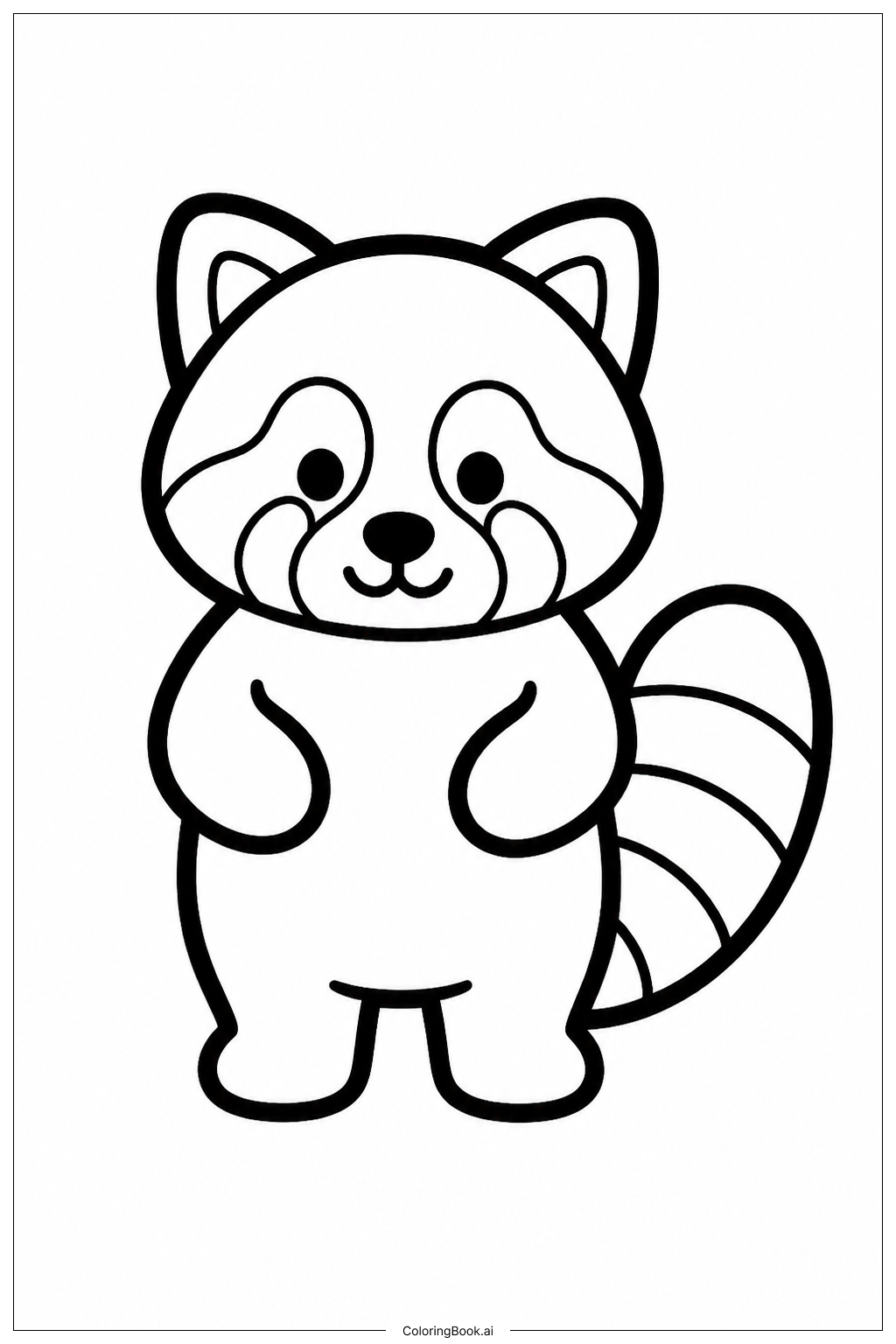
Coloring tips: How to color Red Panda Standing Pose coloring page well?
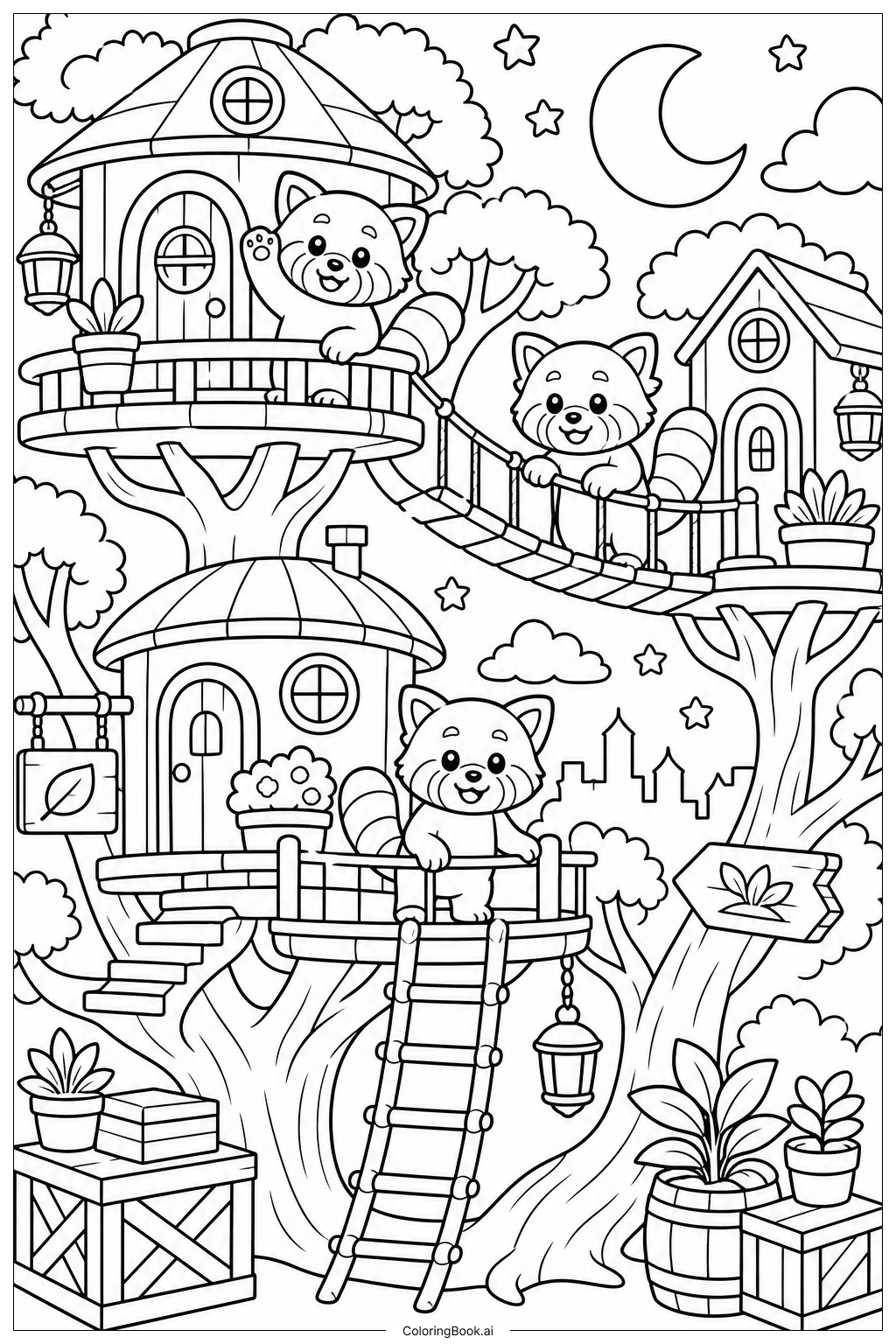
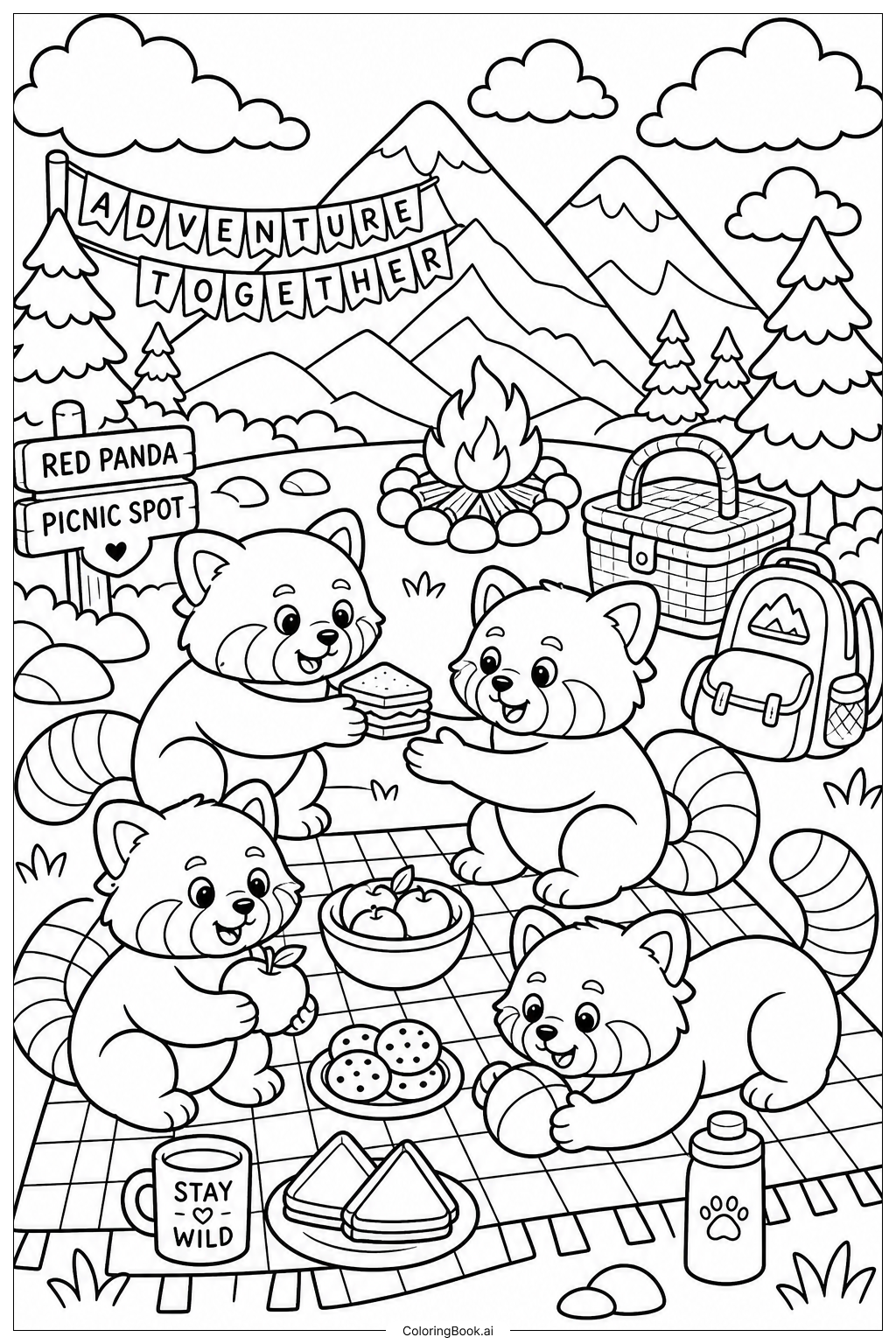
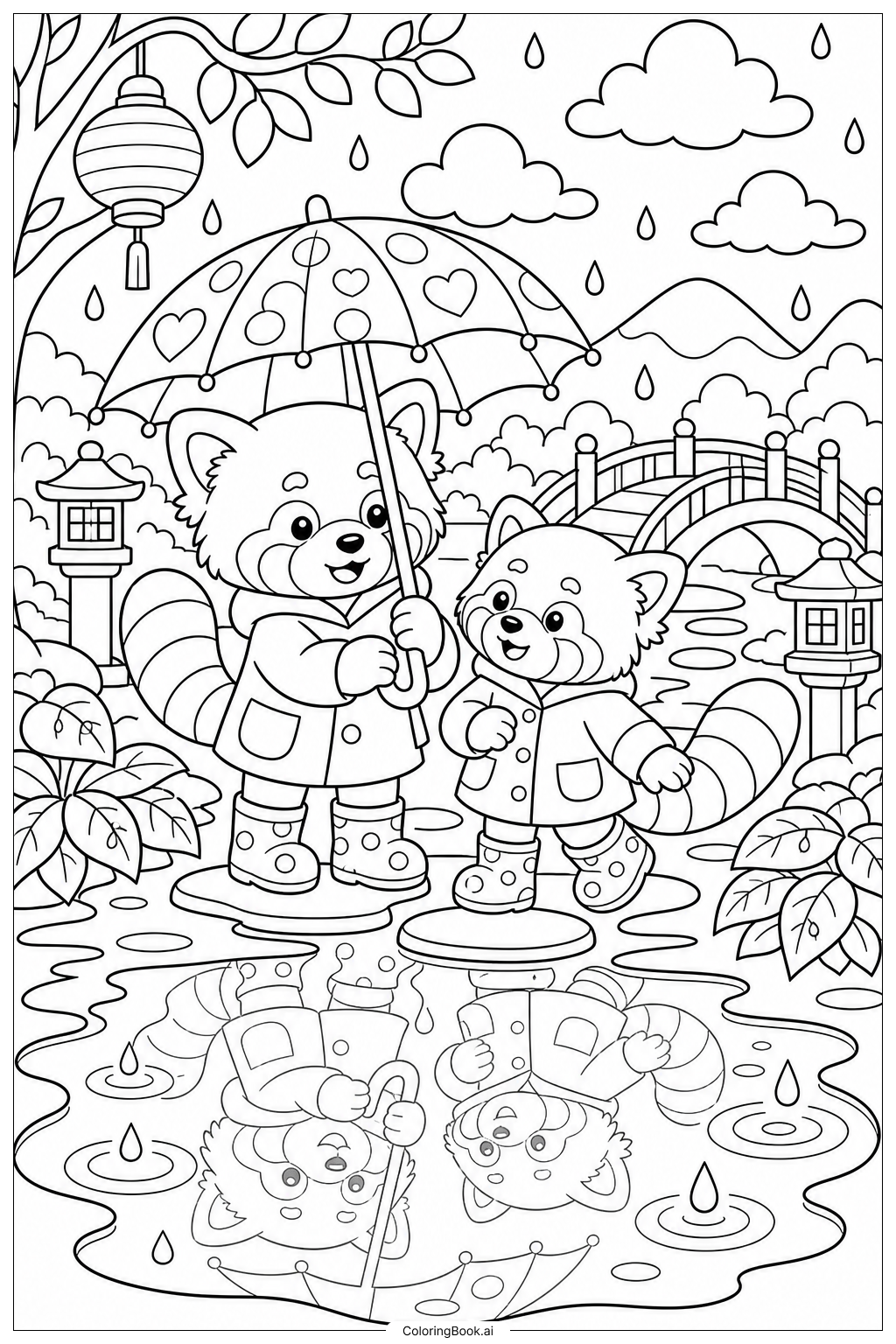
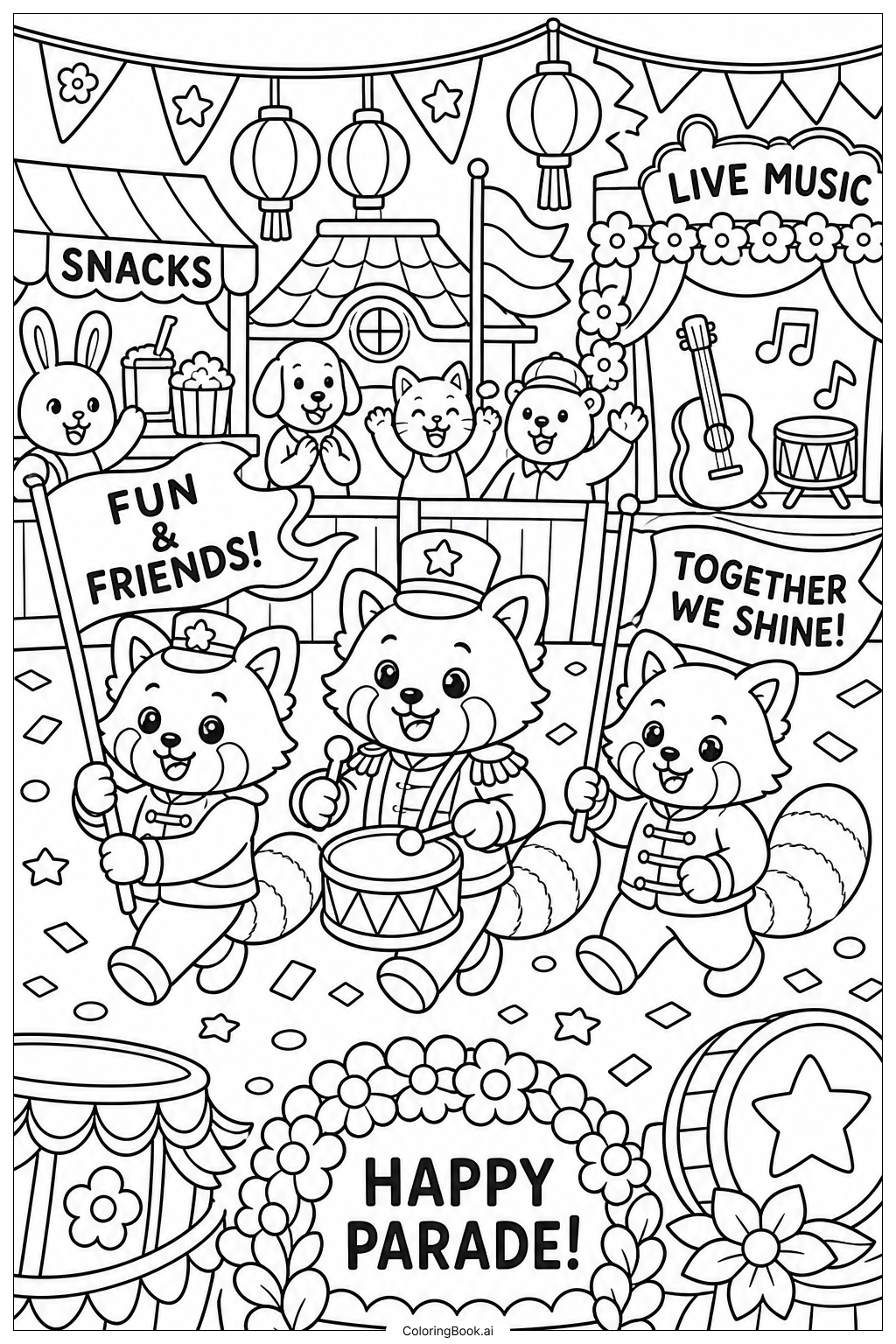
Red pandas have gorgeous reddish-brown fur that gives them their name. Use rich rust, auburn, or copper tones for the main body. The face should be lighter, with cream or white around the muzzle and above the eyes. Add dark brown or black for the tear-mark stripes below the eyes and for the legs. The famous ringed tail alternates between the reddish-brown body color and lighter tan or cream rings. The ears can be outlined with darker fur at the tips. For a realistic look, try layering colors to create depth in the fluffy fur. Start with a lighter base color and add darker shading in areas like under the chin, belly, and where the legs meet the body. You can also get creative with backgrounds—perhaps add bamboo leaves or forest elements in greens and browns to create a natural habitat scene.
Coloring challenges: Which parts are difficult to color and need attention for Red Panda Standing Pose coloring page?
• Fur Texture and Layering: The red panda's thick, fluffy coat requires careful color blending to achieve a realistic appearance. Children may find it challenging to create the soft, layered look of fur rather than solid blocks of color. Using multiple shades of red-brown and practicing gentle strokes or small circular motions can help create texture, but this takes patience and practice to master effectively.
• Tail Ring Patterns: The distinctive alternating rings on the red panda's bushy tail present a precision challenge. Keeping the rings evenly spaced and maintaining clean boundaries between the light and dark bands requires steady hand control and attention to detail. Younger colorists might struggle with staying within the lines of these narrow striped sections, especially as the tail curves.
• Facial Detail Work: The red panda's face features delicate markings including the tear-mark stripes, lighter muzzle area, and darker features around the eyes and nose. These small areas require careful color selection and precise application. Switching between different colors in tight spaces can be tricky, and blending the transitions smoothly between the darker and lighter facial zones takes skill.
• Creating Depth and Dimension: To make the red panda look three-dimensional rather than flat, colorists need to understand where to add shadows and highlights. The standing pose means considering how light falls on the rounded body, under the arms, and along the tail. This shading technique is more advanced and may be difficult for beginners to visualize and execute properly.
Benefits of coloring books: Advantages of drawing Red Panda Standing Pose coloring page
Coloring this red panda standing pose offers wonderful developmental benefits for children. It helps improve fine motor skills and hand-eye coordination as they carefully fill in different sections, especially the detailed facial features and tail rings. The varying sizes of areas to color—from the large body to tiny facial markings—provide practice with both broad strokes and precise control. This activity encourages focus and concentration, as completing the image requires sustained attention to detail. Learning about red pandas while coloring can spark curiosity about wildlife conservation and different animal species. The standing pose also helps children understand animal anatomy and posture. Choosing and blending colors develops color recognition and artistic decision-making skills. The repetitive motion of coloring is calming and can reduce stress while building patience. Successfully completing this adorable red panda creates a sense of accomplishment and boosts confidence in artistic abilities.