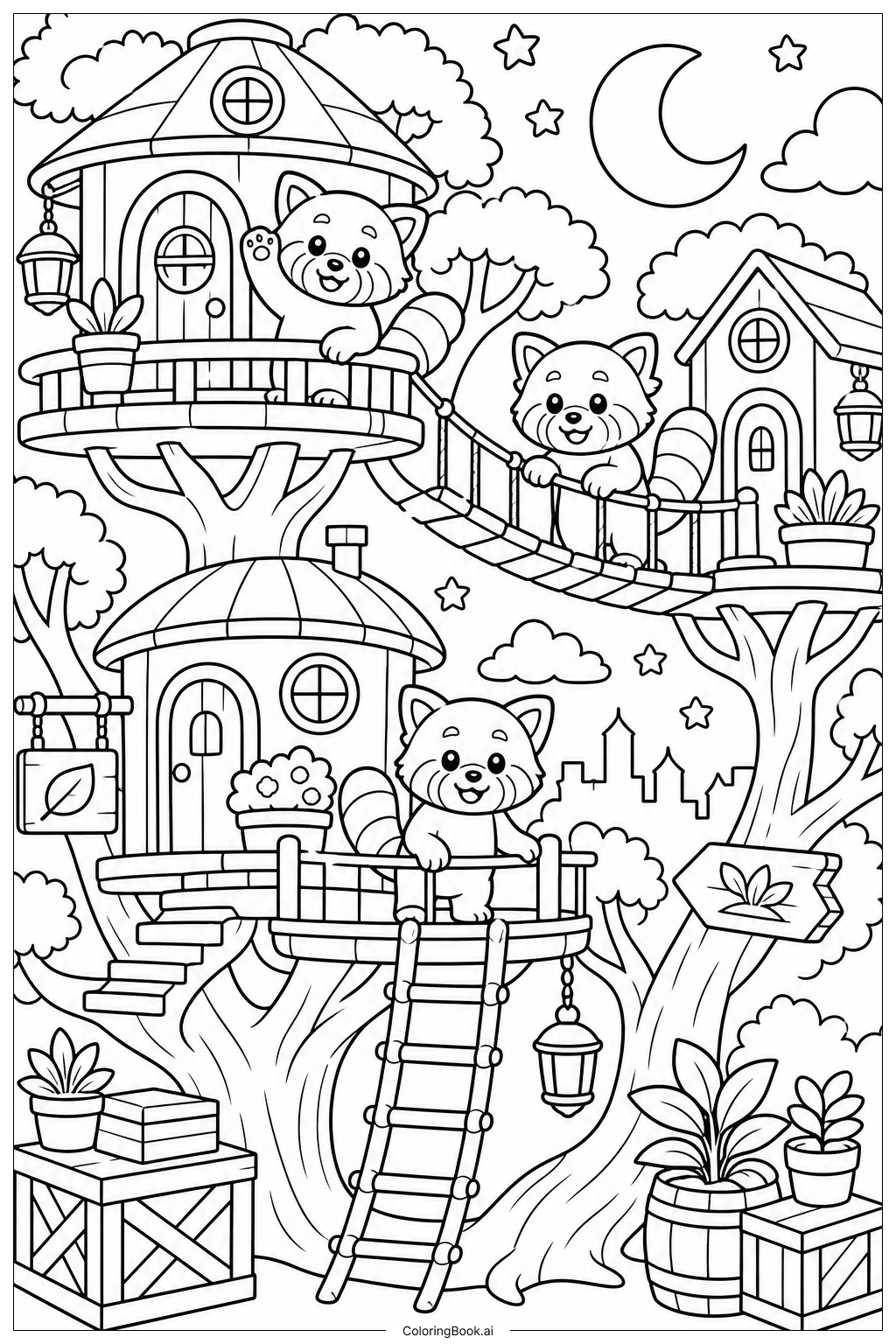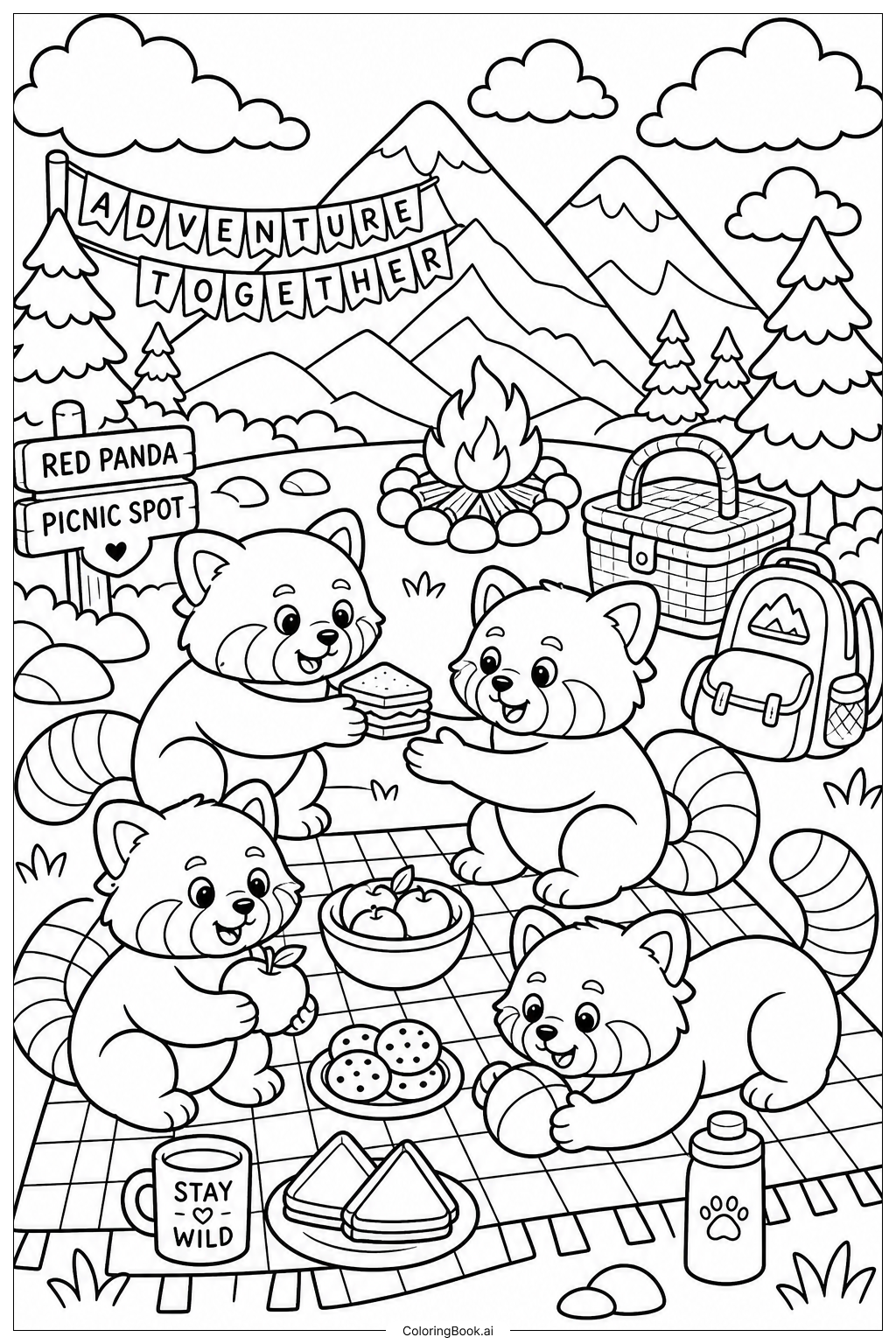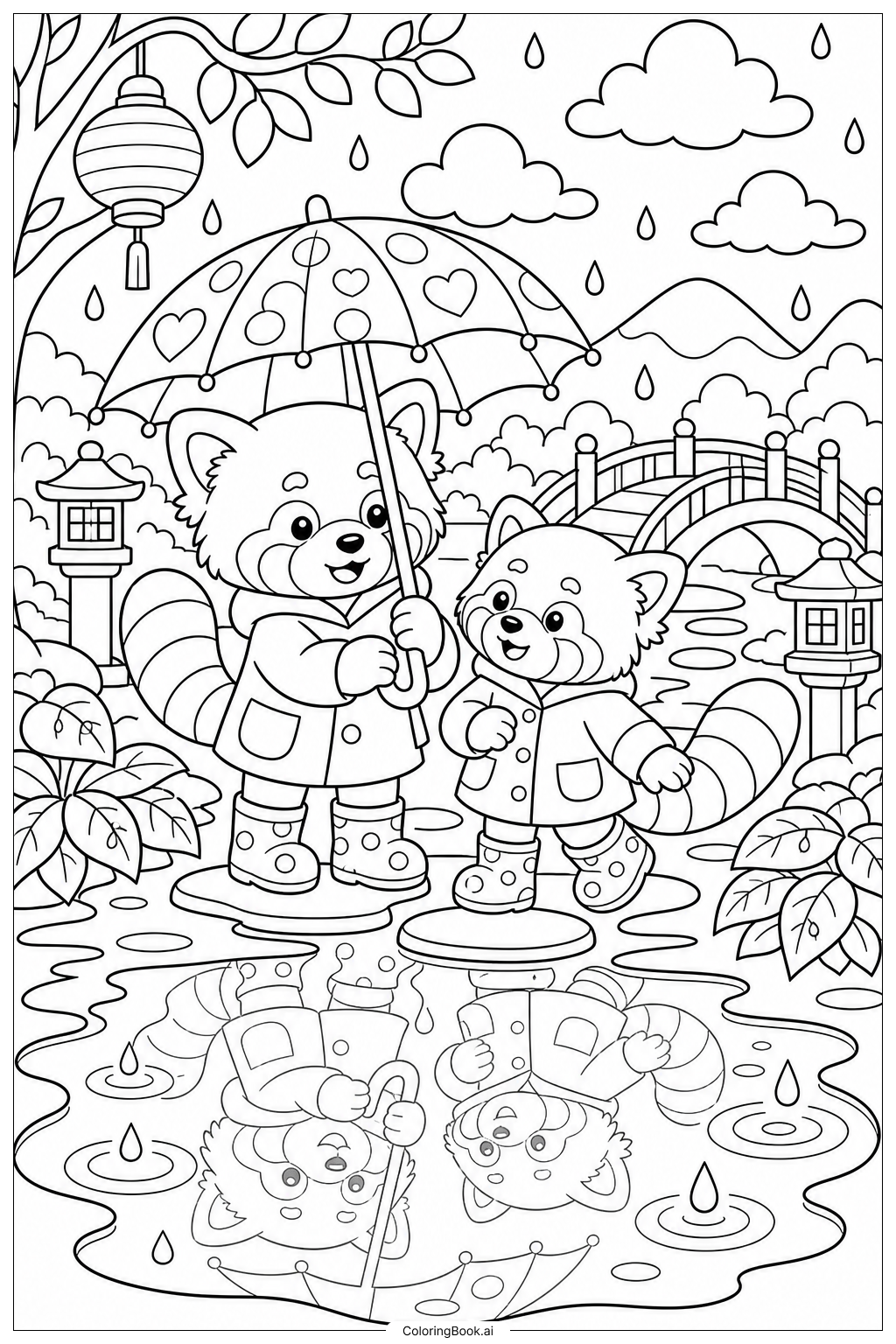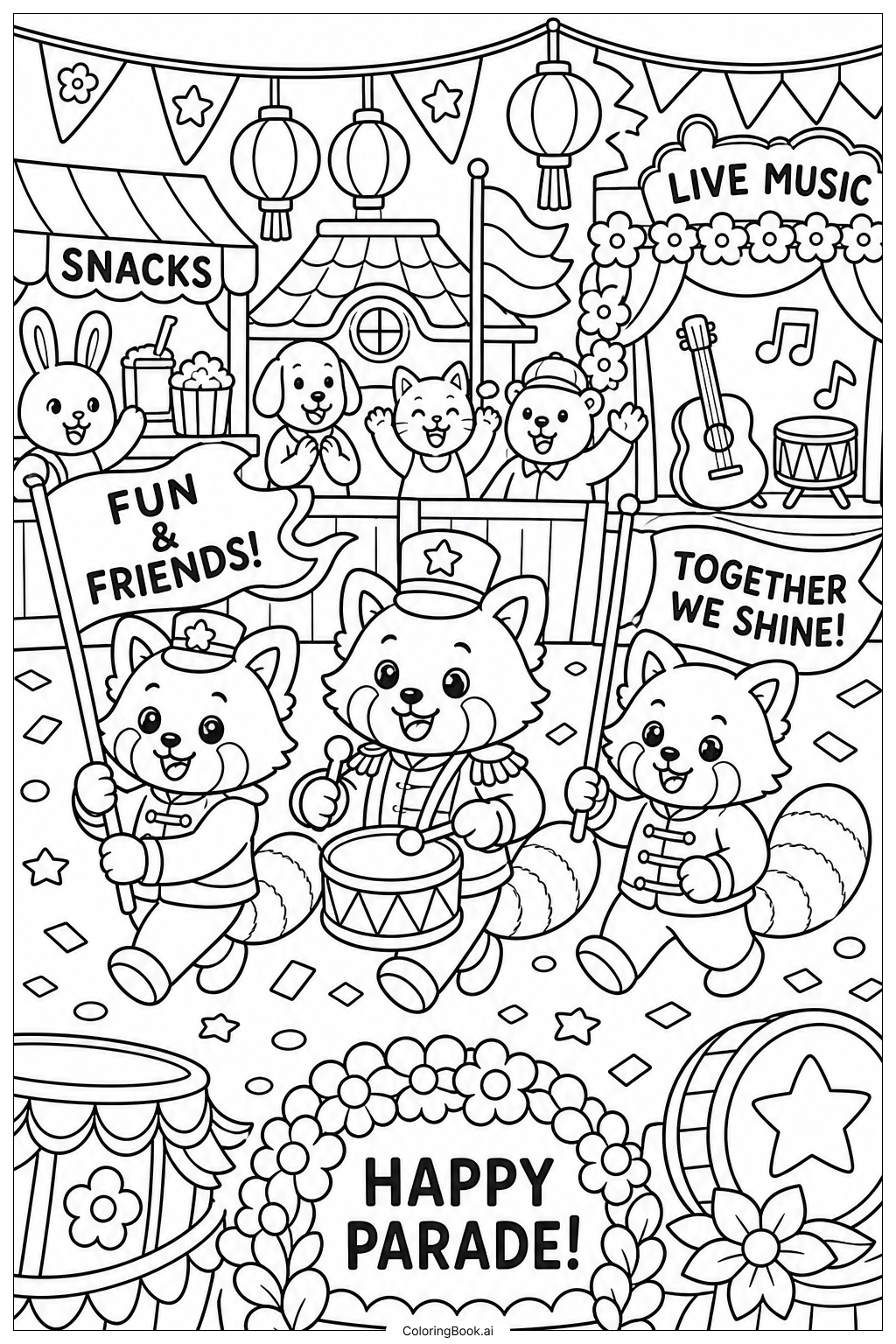
Coloring tips: How to color Red Panda Sitting With Bamboo coloring page well?
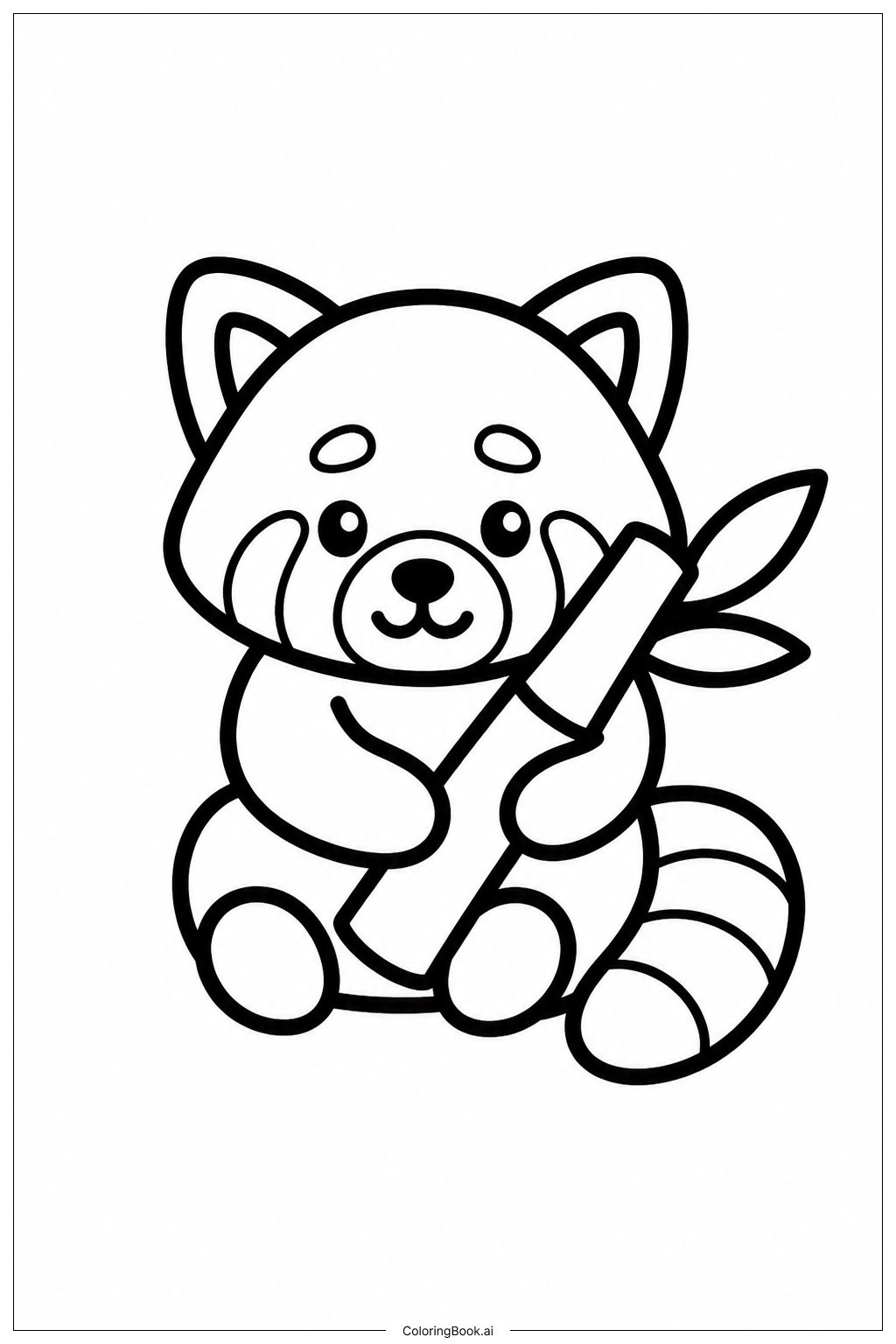
For the red panda, use warm reddish-brown or russet tones for the main body fur, with darker brown or black for the legs and tail rings. The face markings should be white around the eyes and muzzle, with reddish-brown cheeks. Use black for the nose, eyes, and ear edges. The fluffy tail looks beautiful with alternating bands of red-brown and cream or tan colors. For the bamboo, try various shades of green—lime green for new shoots, deeper forest green for mature stalks, and yellow-green for leaves catching sunlight. The bamboo stalks can be colored in natural tan, beige, or light green with darker green segments. Add depth by using lighter colors where sunlight might hit and darker shades in shadowed areas beneath leaves and behind the red panda.
Coloring challenges: Which parts are difficult to color and need attention for Red Panda Sitting With Bamboo coloring page?
• Fur Texture Details: The red panda's fluffy coat requires careful attention to create a soft, realistic appearance. Children may find it challenging to blend colors smoothly to suggest the thick, dense fur texture. The transition between the reddish body fur and darker legs needs gradual shading to look natural rather than abrupt.
• Tail Ring Patterns: The distinctive banded pattern on the red panda's bushy tail presents a unique challenge. Keeping the rings evenly spaced and consistently colored while maintaining the tail's curved, three-dimensional form requires patience and planning. Younger colorists may struggle to follow the tail's contour while alternating colors accurately.
• Bamboo Leaf Arrangement: The overlapping bamboo leaves create complex layering that can be confusing to color. Determining which leaves are in front and which are behind requires spatial reasoning. Maintaining consistent green tones while adding variety for depth and realism demands color management skills that develop with practice.
• Facial Feature Precision: The red panda's face contains small, detailed elements including tear-streak markings, eye patches, and whisker dots. Coloring these tiny areas neatly without going outside the lines or accidentally connecting separate features requires fine motor control and concentration, especially for younger children.
Benefits of coloring books: Advantages of drawing Red Panda Sitting With Bamboo coloring page
Coloring this Red Panda Sitting With Bamboo page offers wonderful developmental benefits for children. It enhances fine motor skills and hand-eye coordination as they carefully fill in the detailed fur textures and small facial features. The varied elements—from the fluffy tail rings to the delicate bamboo leaves—encourage focus and concentration, helping children practice patience and attention to detail. Learning about red pandas and their bamboo habitat sparks curiosity about wildlife and conservation, fostering environmental awareness. The repetitive motion of coloring promotes relaxation and stress relief, making this activity both calming and educational. Children develop color recognition and creativity as they experiment with different shades for realistic or imaginative results. Completing this detailed image builds confidence and provides a sense of accomplishment, while the adorable subject matter makes the learning process joyful and engaging.