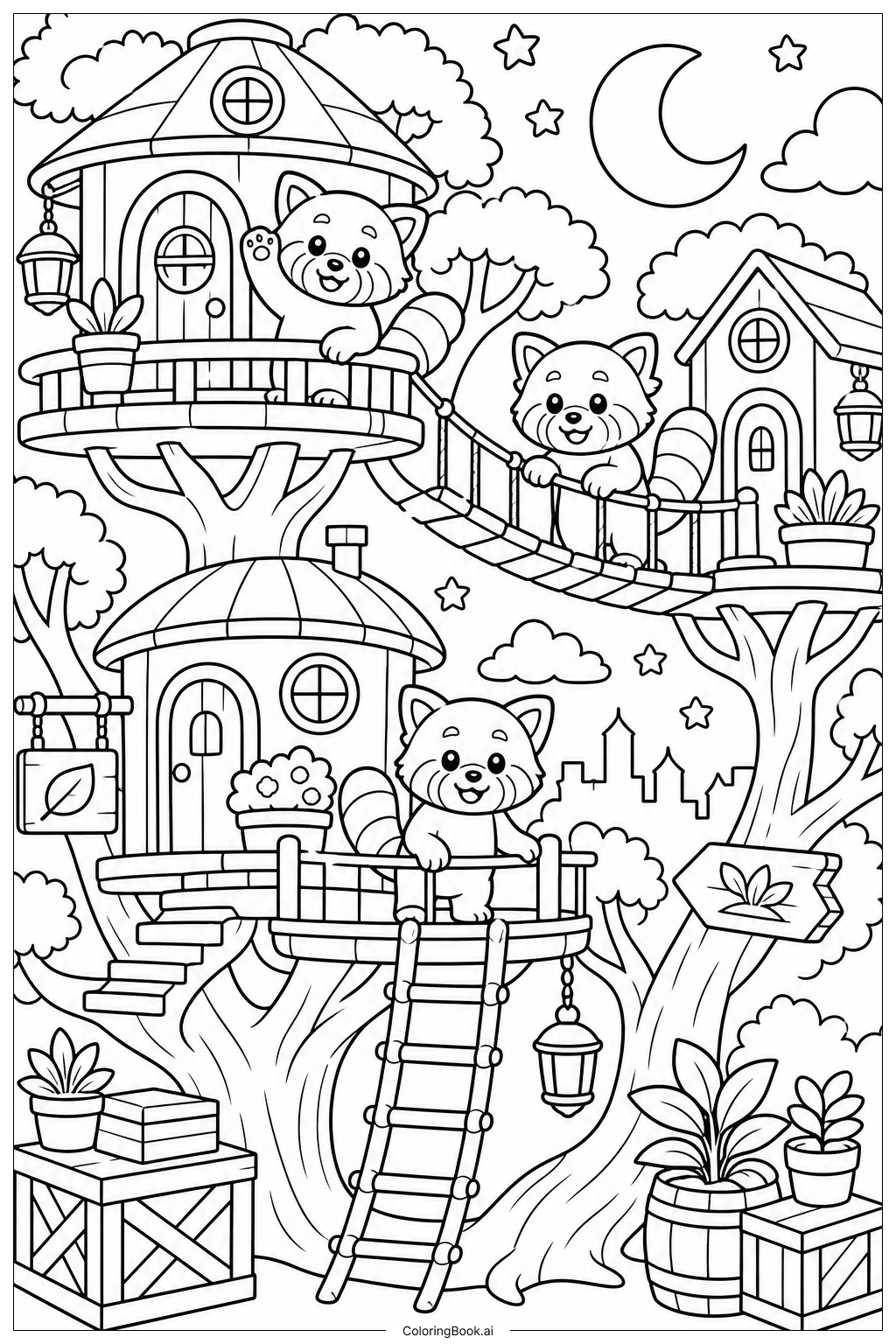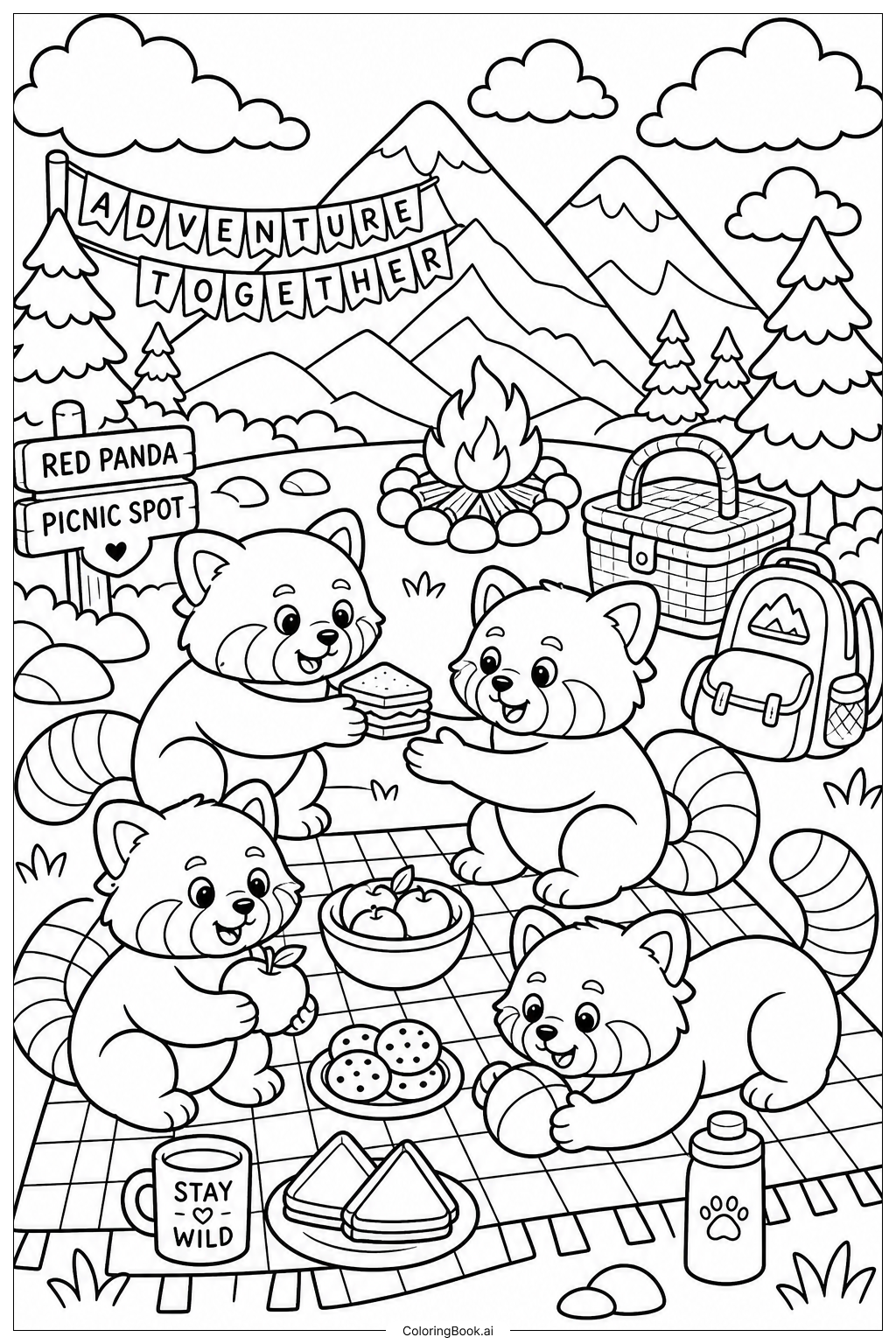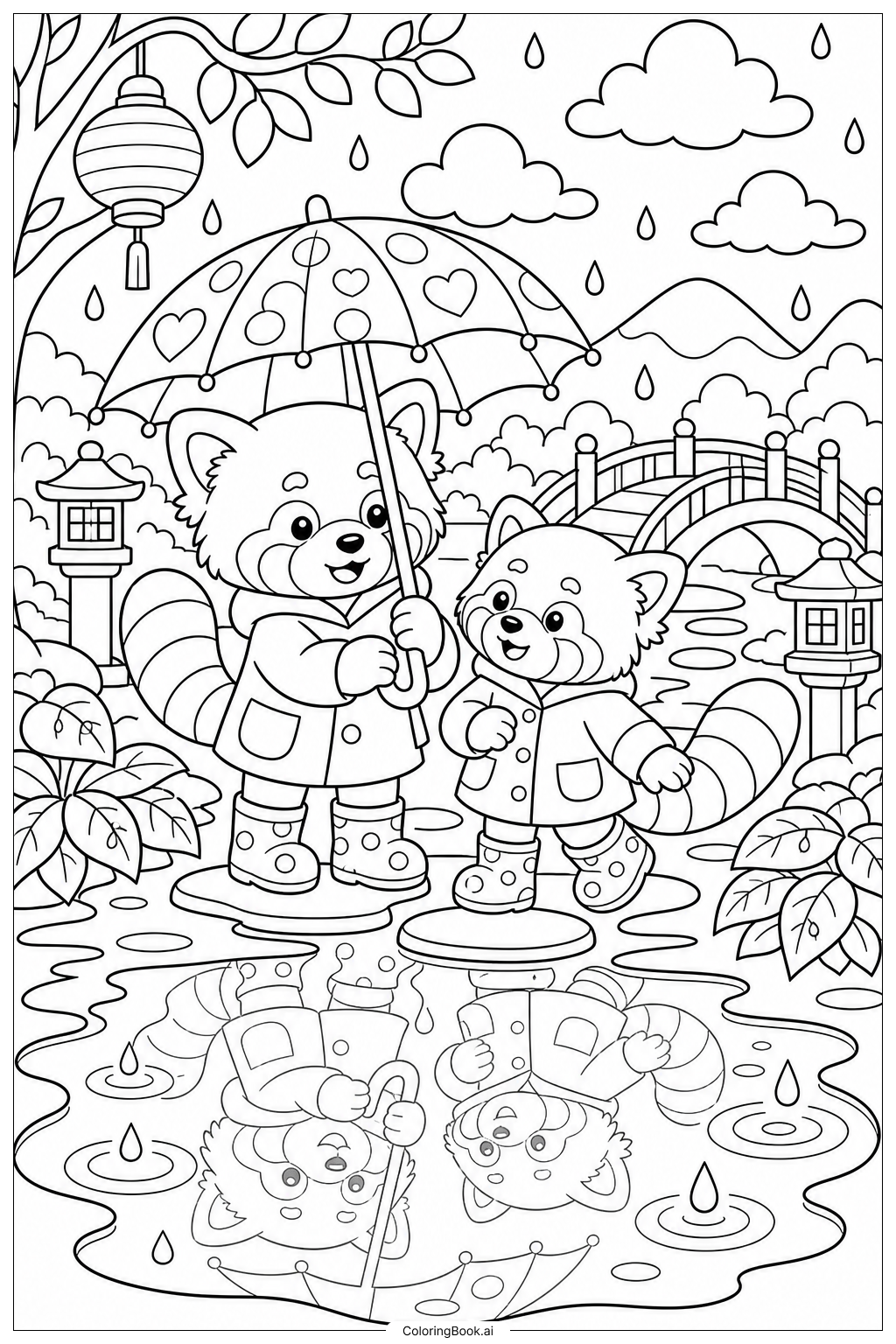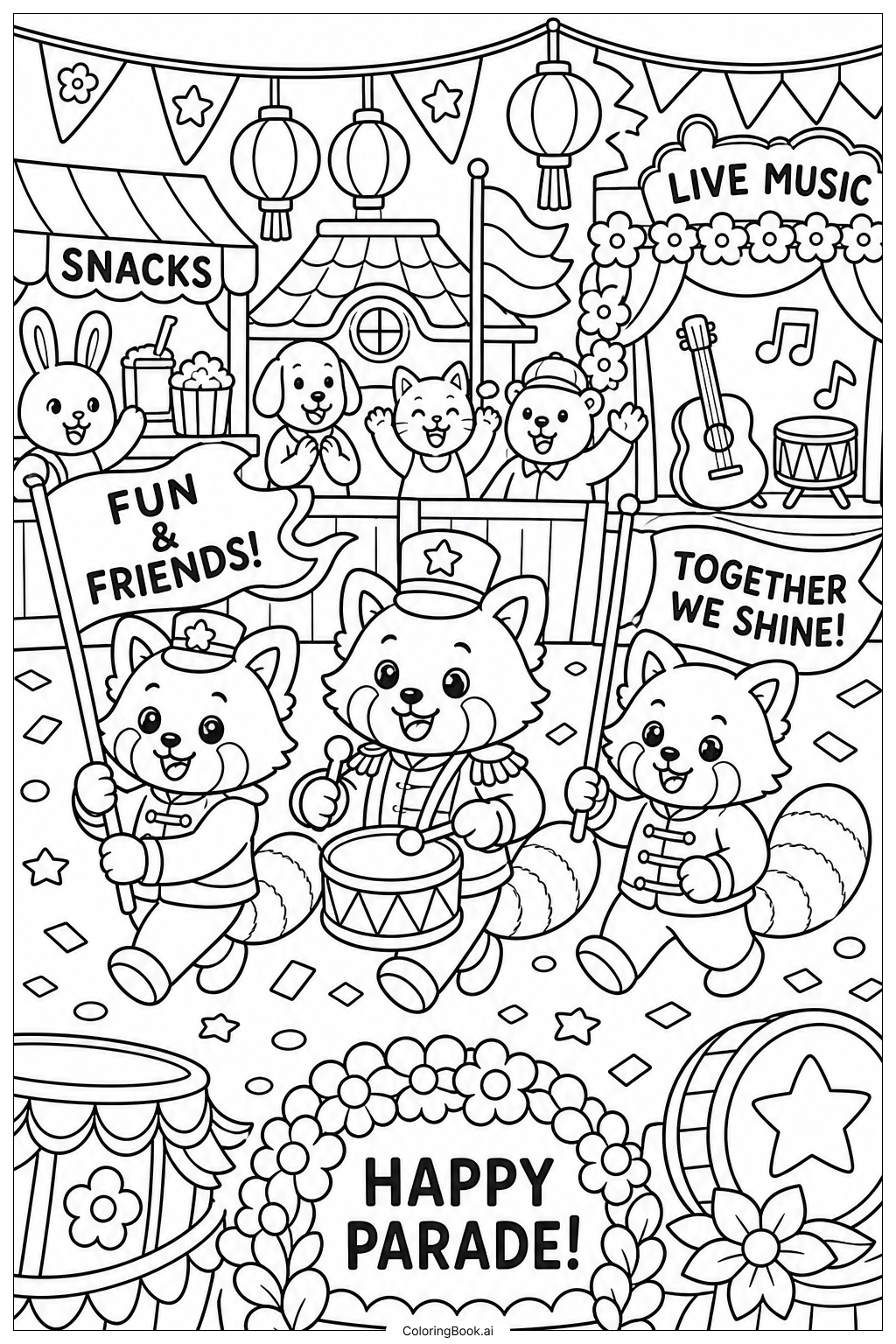
Coloring tips: How to color Red Panda Painting A Leaf coloring page well?
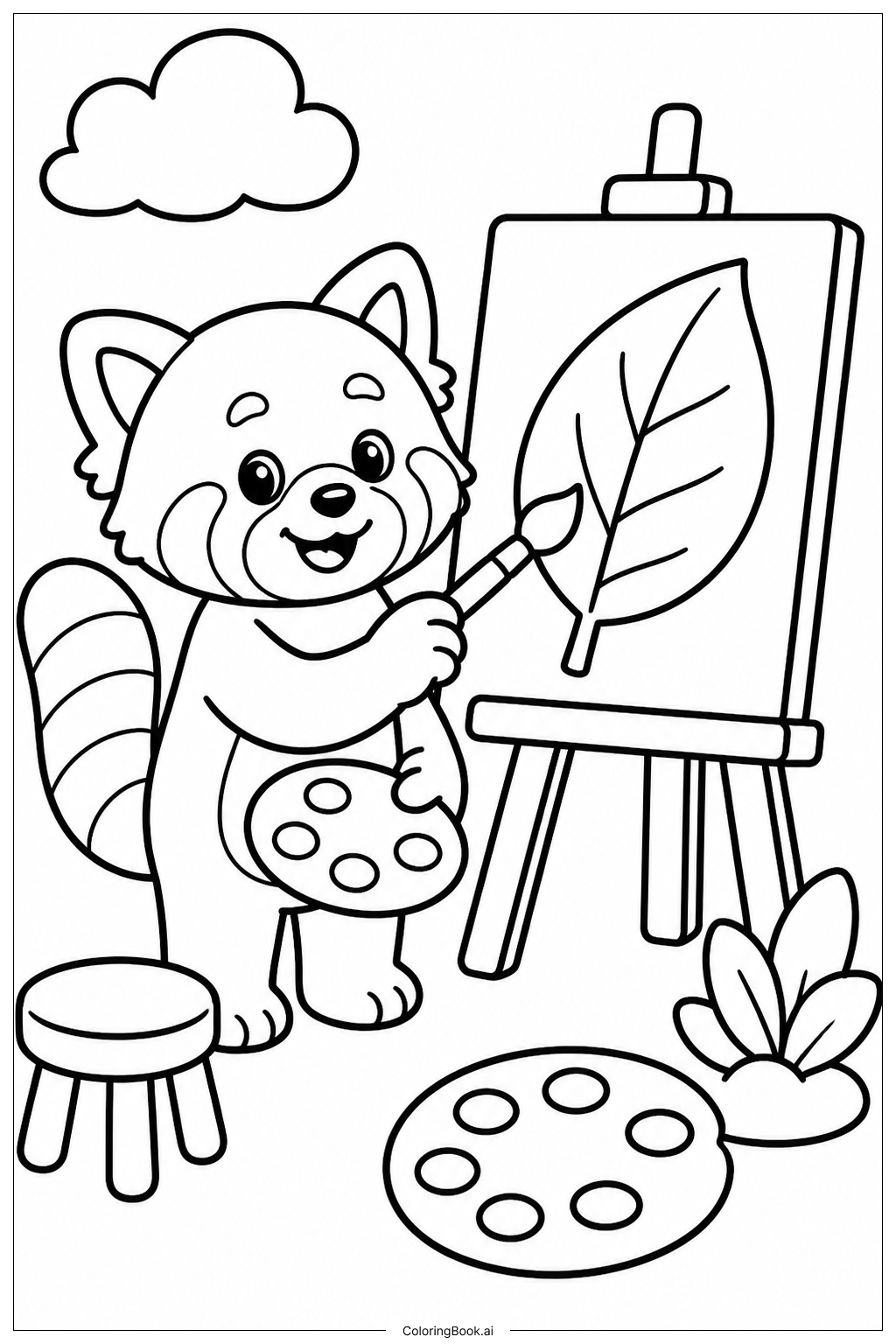
For the red panda's body, use rich rusty orange or reddish-brown tones for the main fur areas. Color the facial markings with white or cream, creating contrast around the eyes and muzzle. The distinctive tail rings can alternate between dark brown or black and lighter rust tones. Use deep brown or black for the legs and ears. The leaf can be colored in vibrant autumn shades like golden yellow, bright orange, or deep red, or keep it fresh with spring green. Add light brown for the leaf stem and darker green for the veins to create depth. Consider using gentle shading techniques to make the fur look fluffy and three-dimensional. The background can remain white or add a soft pastel sky blue or pale green to suggest an outdoor forest setting.
Coloring challenges: Which parts are difficult to color and need attention for Red Panda Painting A Leaf coloring page?
• Fur Texture Details: The red panda's fluffy coat contains many fine lines that indicate fur direction and texture. Coloring these areas requires patience and careful attention to avoid losing the detailed texture. Young colorists may find it challenging to maintain consistent strokes that follow the fur patterns while keeping colors within the boundaries of these intricate lines.
• Tail Ring Patterns: The characteristic striped rings on the red panda's bushy tail require alternating colors with precision. Each ring must be clearly distinguished from the next, which demands steady hand control and color planning. Children may struggle to keep the transitions clean and the rings evenly spaced, especially when working with markers or crayons that can bleed.
• Facial Feature Precision: The red panda's face contains small, delicate areas including the eyes, nose, and distinctive white markings around the face. These require careful coloring to preserve the sweet expression. Staying within the lines of tiny eye areas and creating smooth color transitions on the rounded face shape can be challenging for younger children.
• Leaf Vein System: The leaf held by the red panda displays intricate vein patterns that branch throughout. Coloring around or highlighting these thin lines while maintaining the leaf's natural appearance requires fine motor control and attention to detail, which can be difficult for beginners.
Benefits of coloring books: Advantages of drawing Red Panda Painting A Leaf coloring page
Coloring this red panda image helps children develop fine motor skills and hand-eye coordination through detailed fur textures and small facial features. The repetitive patterns on the tail promote focus and patience while creating a meditative, calming experience. Learning about red pandas and their natural behaviors encourages environmental awareness and appreciation for endangered species. The artistic theme of the red panda painting a leaf sparks creativity and imagination, inspiring young artists to explore their own artistic abilities. The varying complexity levels make this page suitable for different age groups, with simpler large areas for beginners and intricate details for advanced colorists. Completing this charming scene provides a sense of accomplishment and pride, boosting confidence in artistic abilities while creating a beautiful finished piece suitable for display.