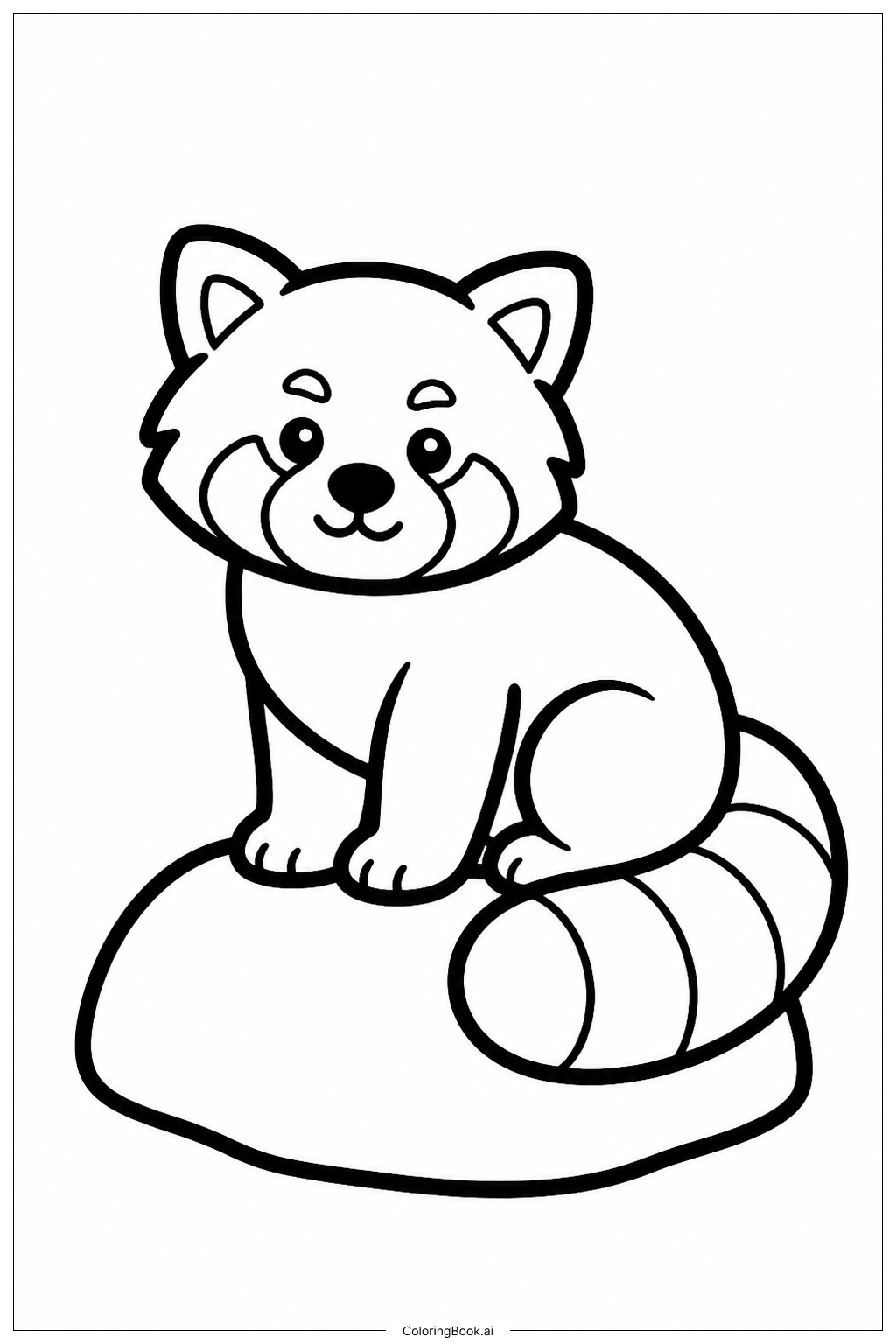
Coloring tips: How to color Red Panda On Rock coloring page well?
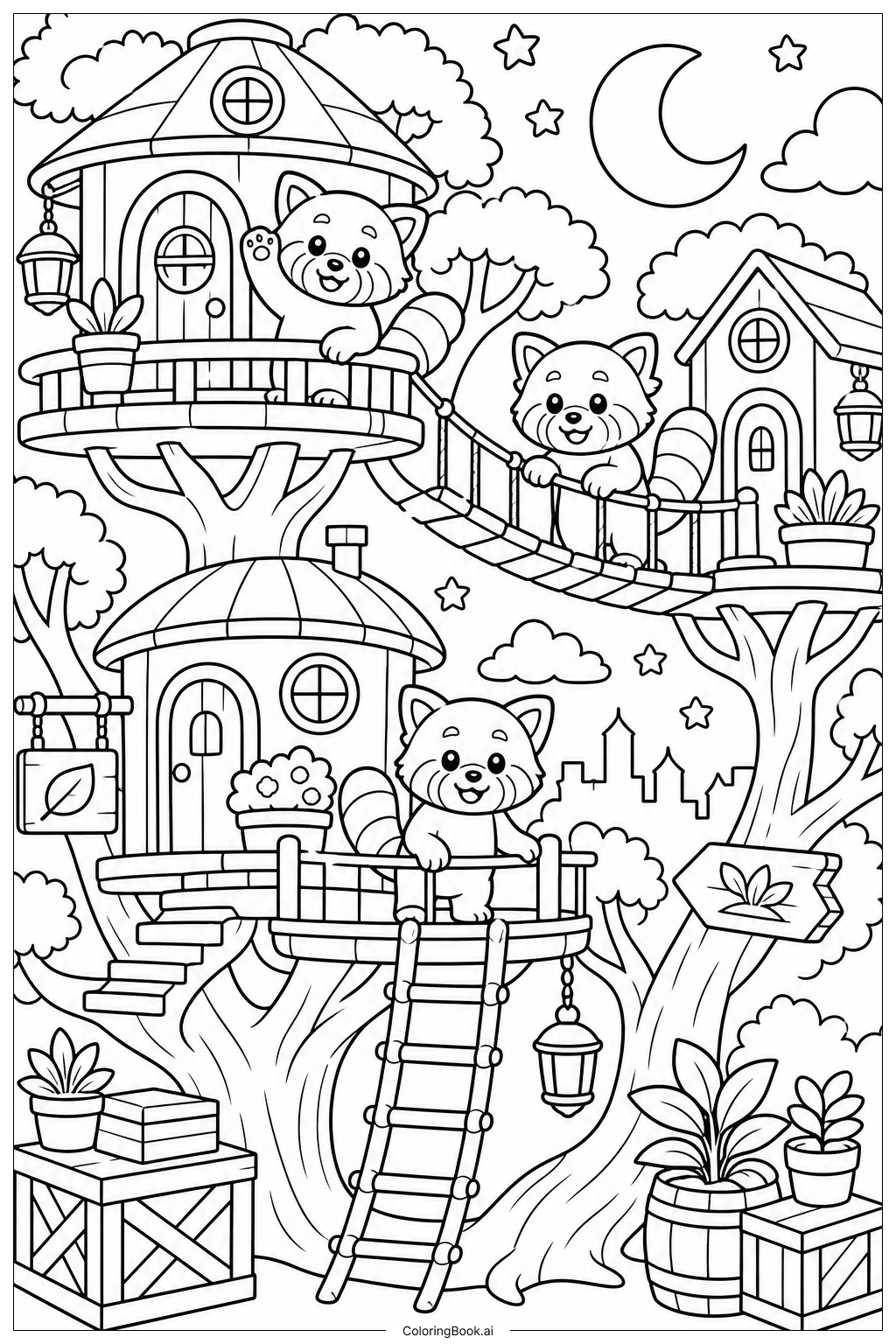
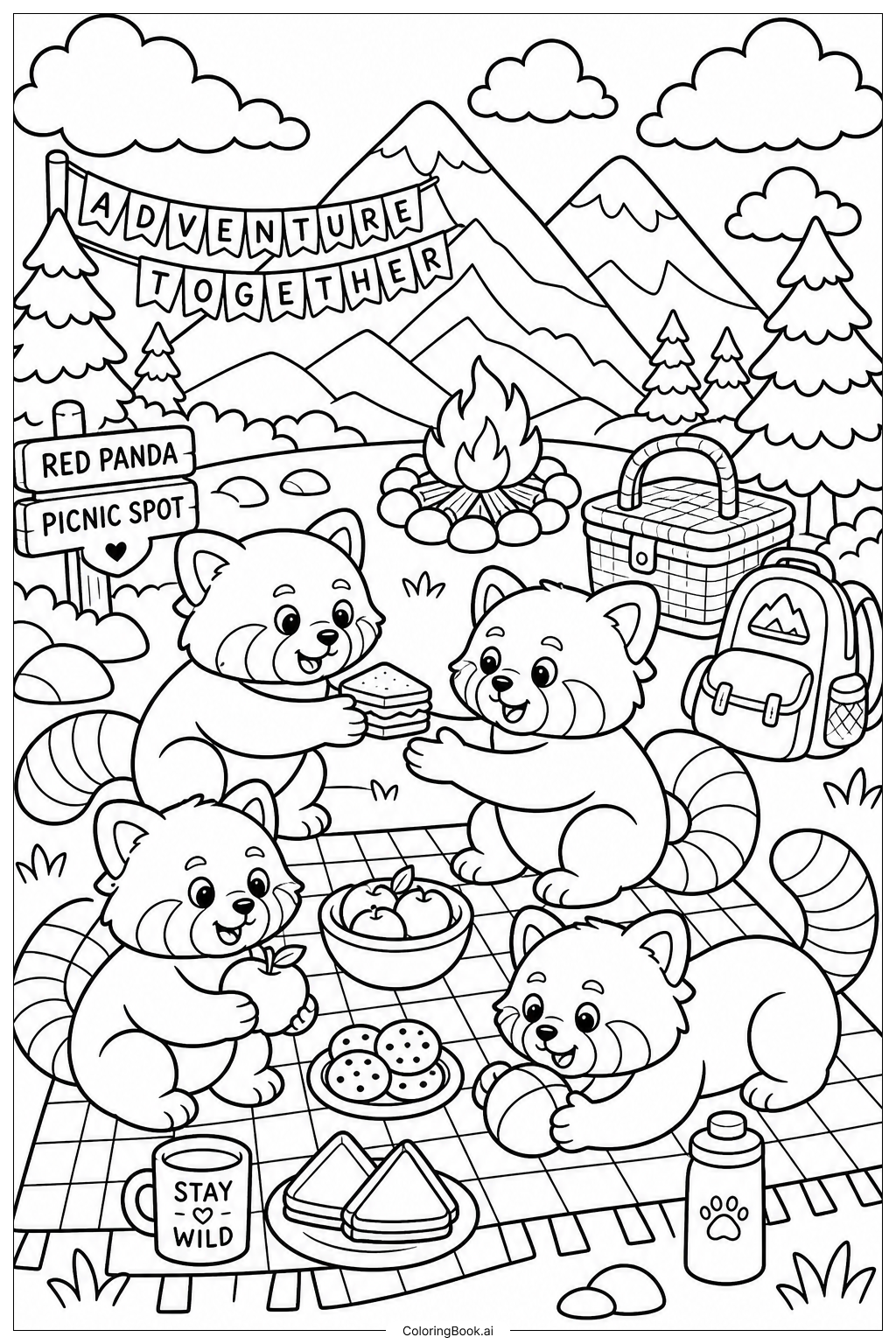
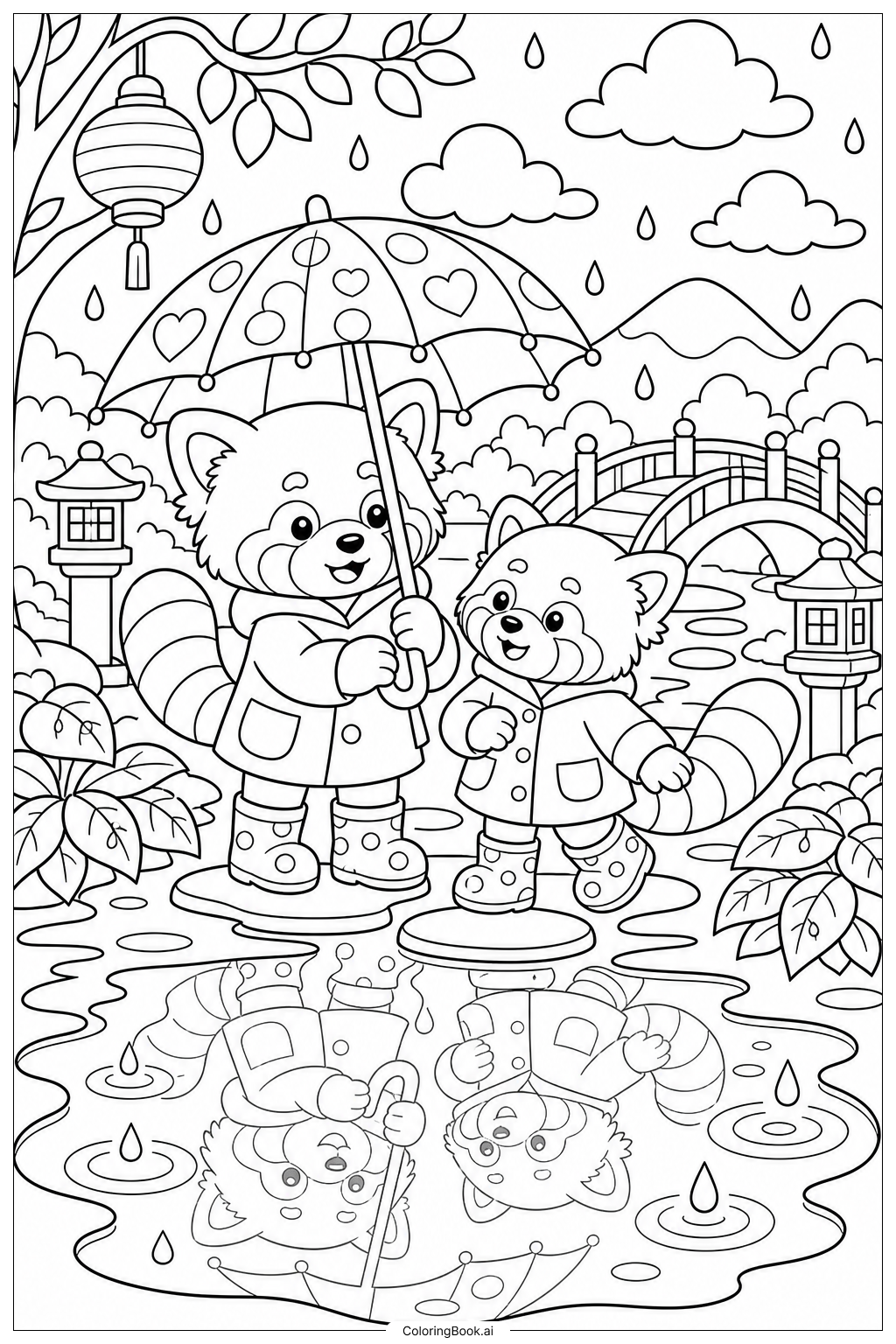
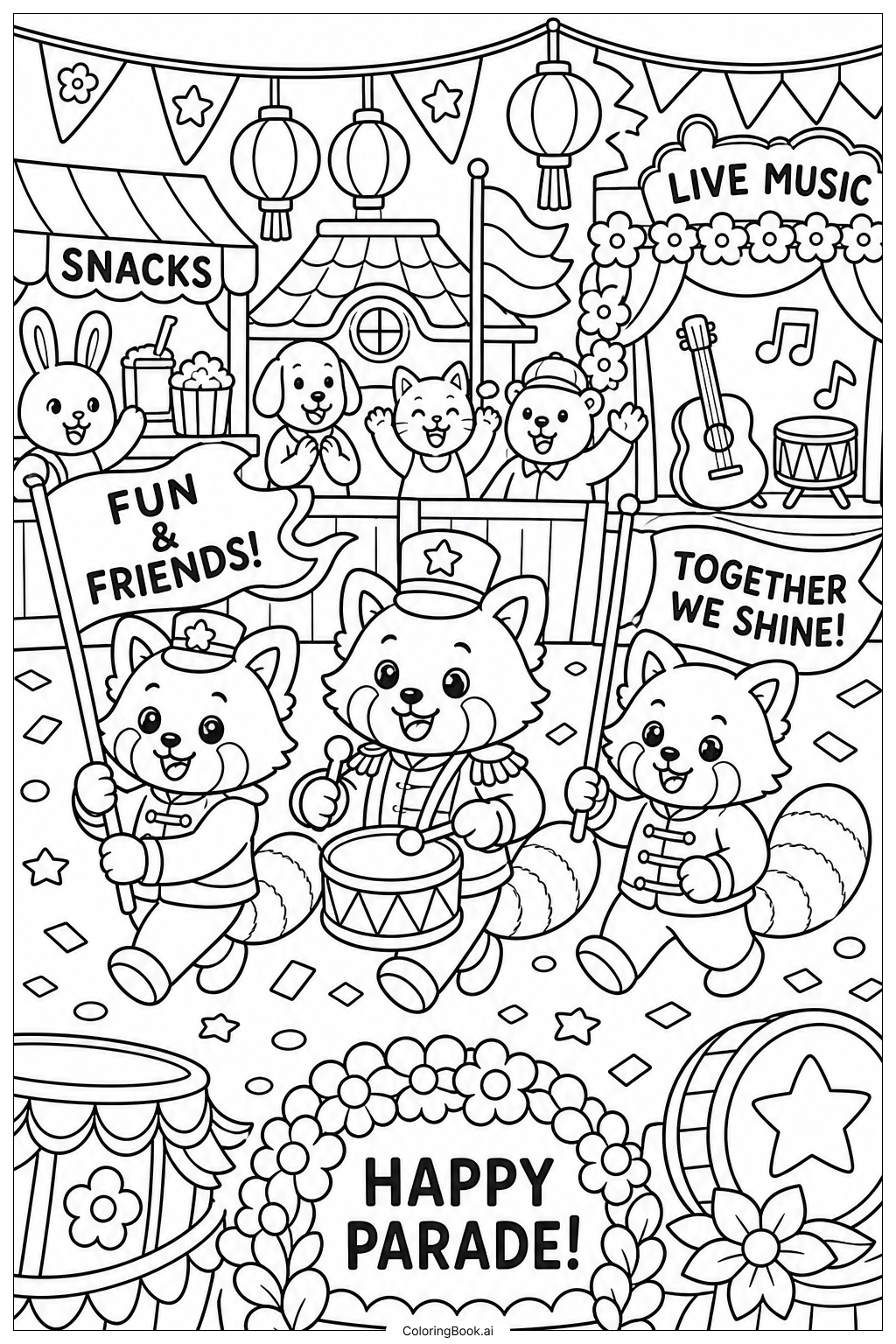
Start with the red panda's distinctive reddish-brown fur on the body, using warm rust or cinnamon tones. The face features beautiful white markings around the eyes and muzzle, creating a mask-like pattern. Use darker brown or black for the legs and the underside of the bushy tail. Add lighter cream or beige highlights on the chest and inner ears. The tail can have subtle ring patterns with alternating shades of red-brown. For the rock, try using various shades of gray, brown, or even warm earth tones like tan and ochre. Add shadows under the panda and in the rock crevices with darker grays or browns to create dimension. Consider a soft sky blue or gentle green background to suggest the mountain forest environment where red pandas live.
Coloring challenges: Which parts are difficult to color and need attention for Red Panda On Rock coloring page?
• Fur Texture and Direction: The red panda's thick, fluffy coat requires careful attention to create a realistic appearance. Young colorists may find it challenging to show the layered texture of the fur, especially around the tail where the fluffiness is most prominent. Using different pressure levels and layering techniques helps achieve depth, but this requires patience and practice.
• Facial Feature Details: The red panda's face contains intricate markings including the white mask pattern around the eyes, the transition between colors on the muzzle, and the small delicate features like the nose and mouth. Keeping these areas neat while switching between colors can be tricky for younger children, requiring steady hand control and precision.
• Rock Surface Variations: The rock formation presents its own challenges with irregular surfaces, cracks, and dimensional aspects. Creating a realistic stone appearance involves using multiple shades and understanding how light and shadow work on uneven surfaces. Blending different tones smoothly while maintaining the hard, solid quality of rock takes skill.
• Color Transitions: Moving smoothly between the different colored areas of the red panda, such as where the reddish body meets the dark legs or where the white facial markings blend into the rust-colored head, requires careful blending. Sharp transitions can look harsh while overly blended areas might lose definition.
• Tail Ring Patterns: If choosing to add subtle ring patterns to the bushy tail, maintaining consistent spacing and color intensity throughout the curved tail shape demands attention to detail and planning.
Benefits of coloring books: Advantages of drawing Red Panda On Rock coloring page
Coloring this red panda image offers wonderful developmental benefits for children. It helps improve fine motor skills and hand-eye coordination as they carefully fill in the detailed fur textures and small facial features. The varying shapes and sizes of areas to color support focus and concentration skills. Learning about red pandas and their natural habitat encourages curiosity about wildlife and environmental awareness. The calming nature of the subject and the repetitive coloring motion can be very relaxing, reducing stress and promoting mindfulness. Children practice color recognition and decision-making as they choose appropriate shades for the fur, face markings, and rocky environment. The project builds patience and perseverance since completing all the details takes time and effort. Successfully finishing this charming scene creates a sense of accomplishment and boosts confidence in artistic abilities.