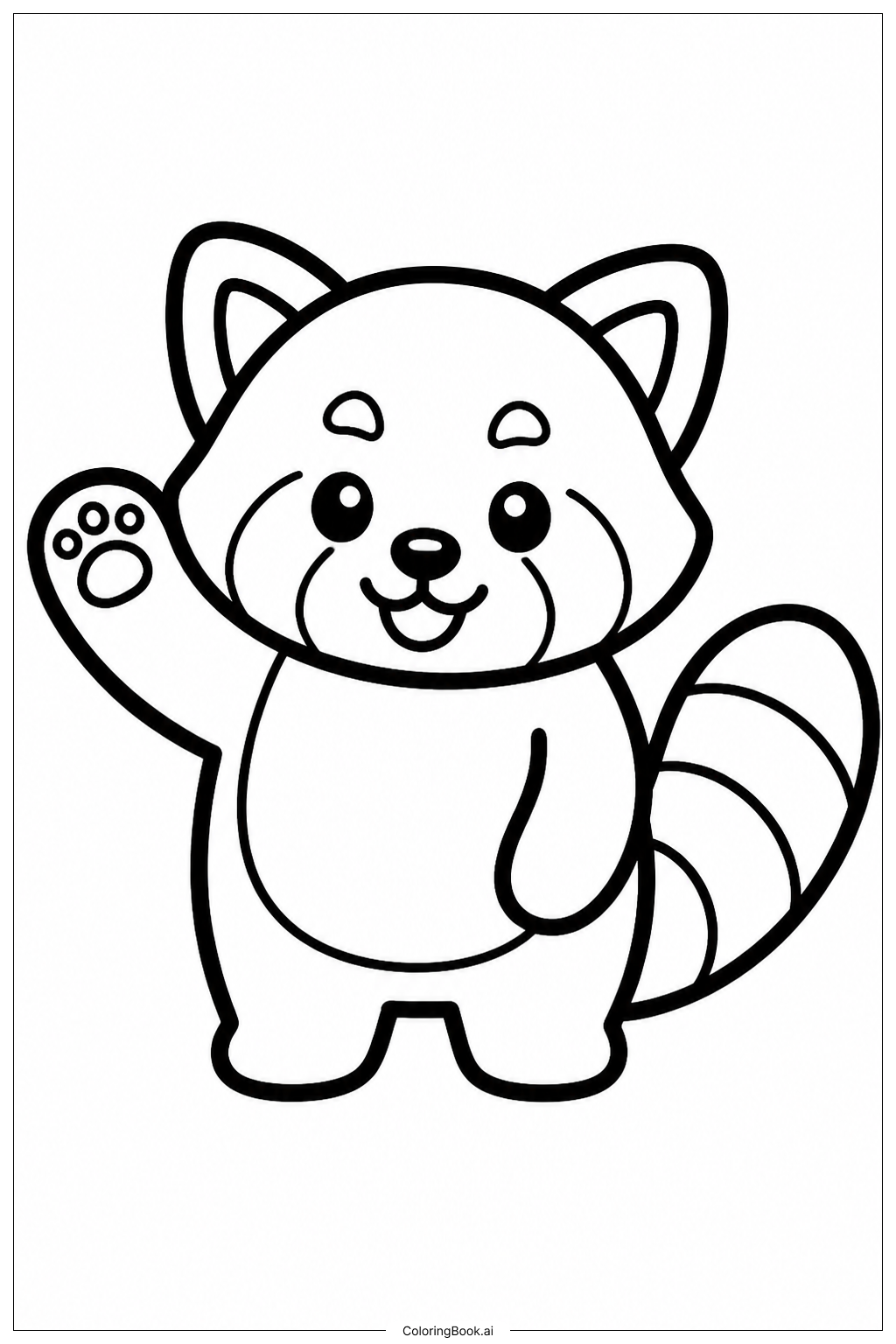
Coloring tips: How to color Red Panda Lifting Paw coloring page well?
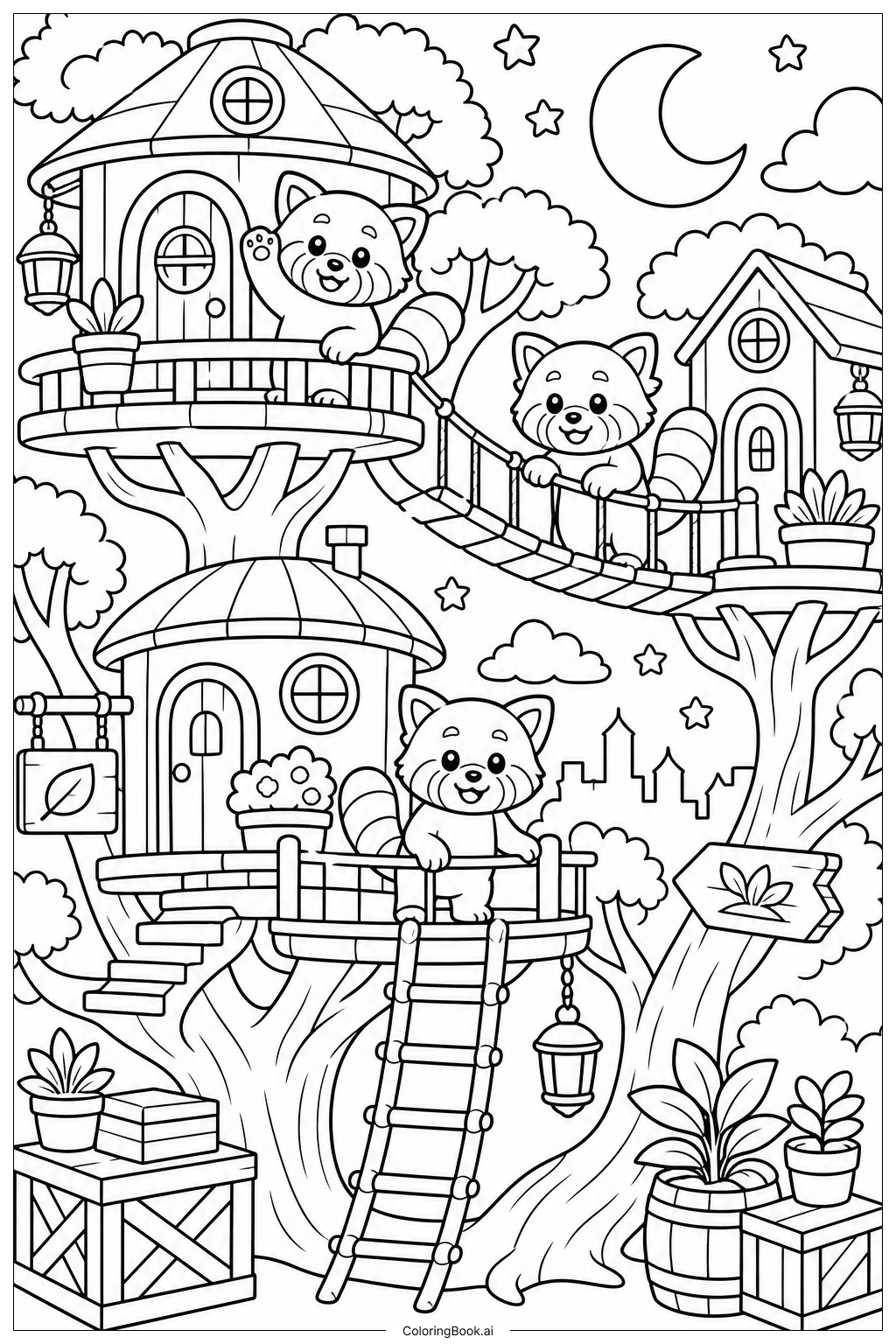
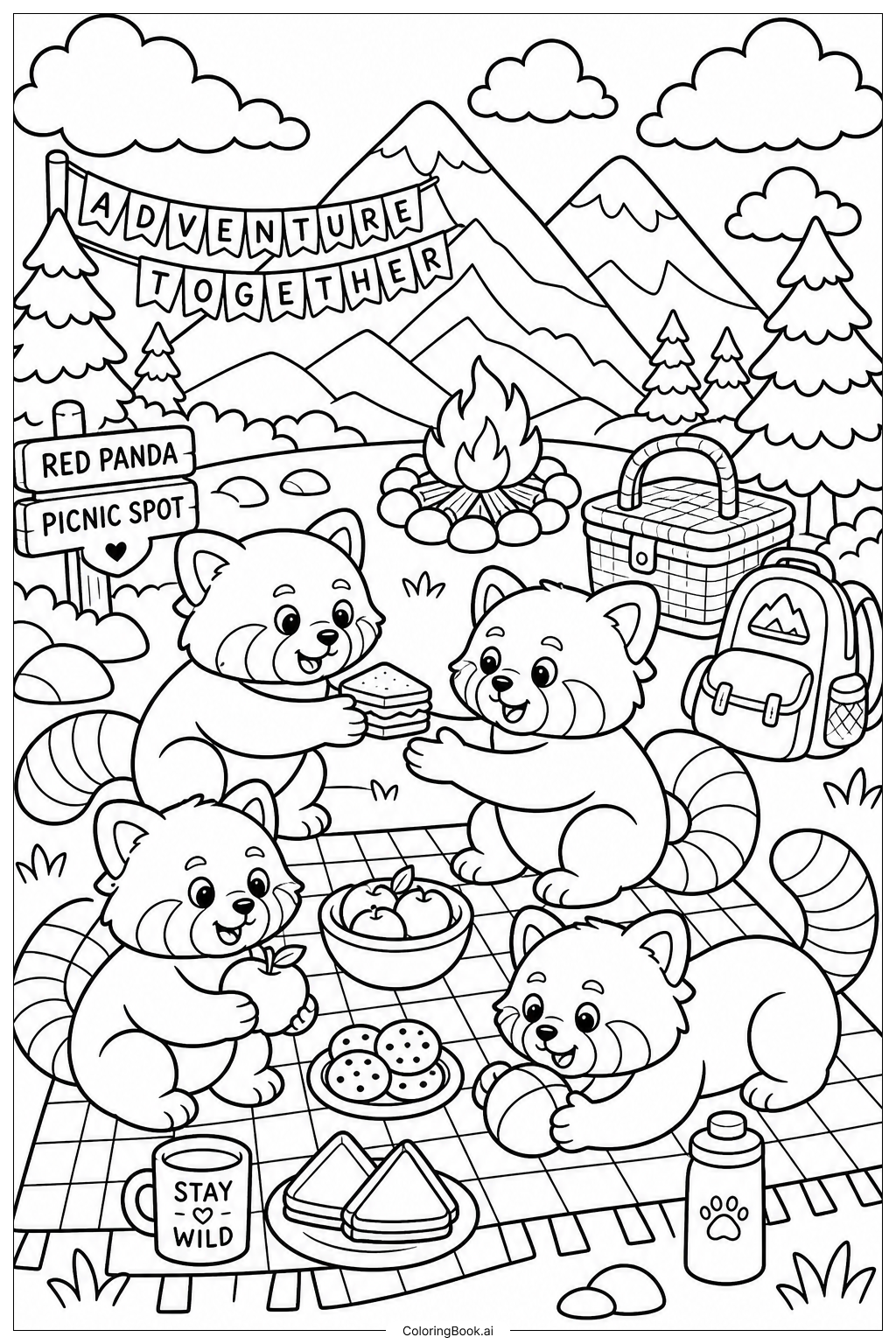
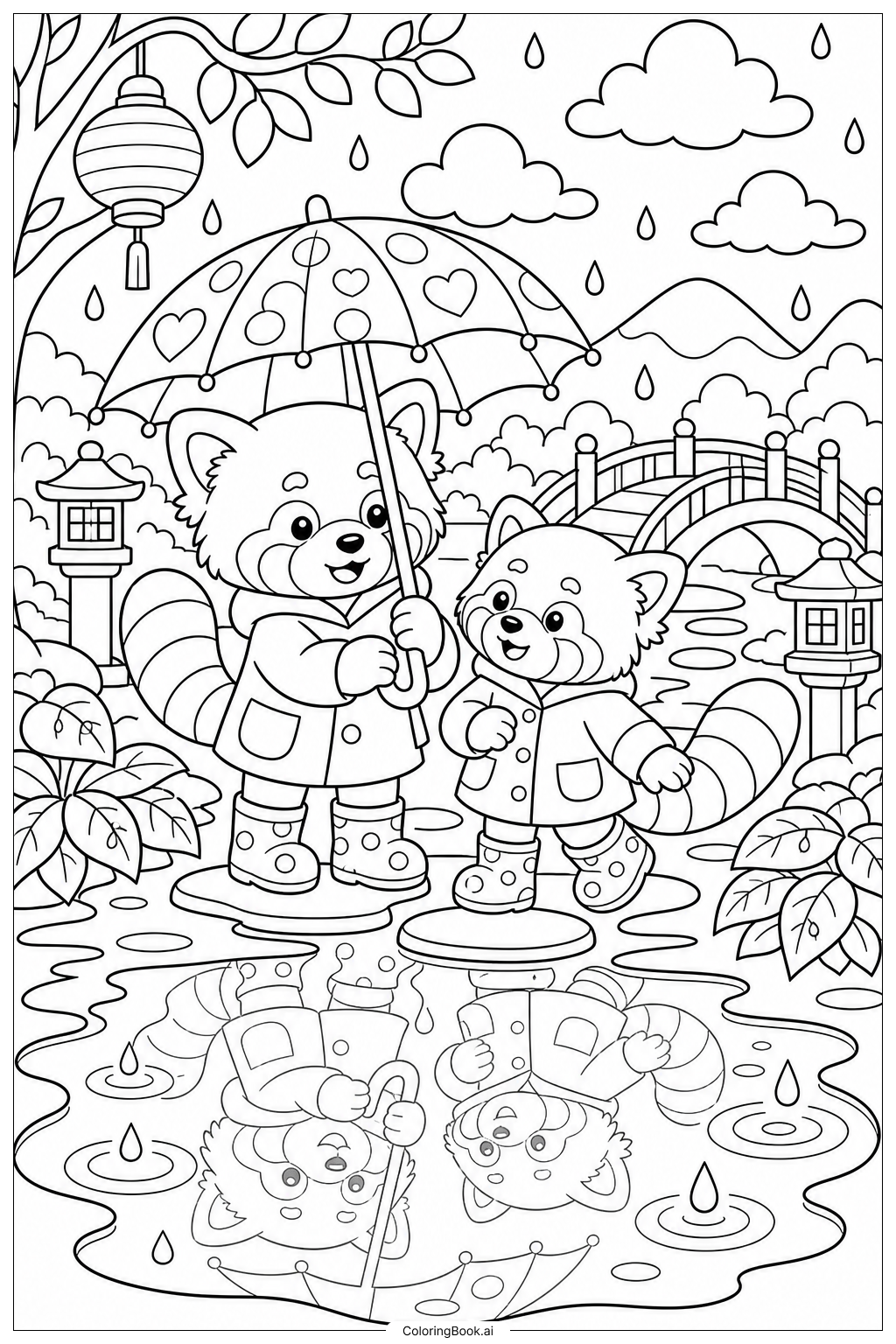
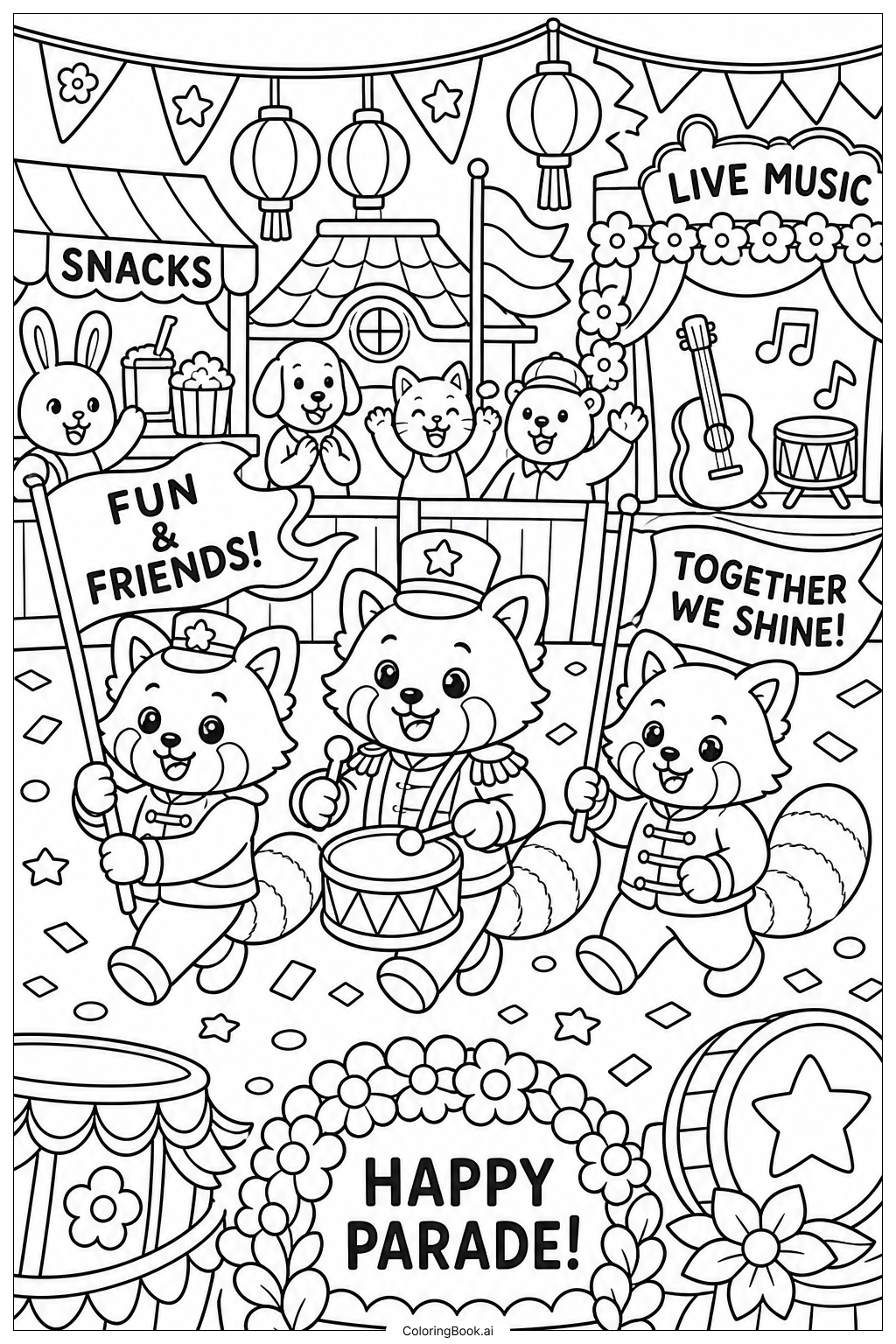
Start with the red panda's signature reddish-brown or rusty orange color for the upper body and outer limbs. Use darker brown or black for the legs, feet, and the underside of the body. The face can be colored with white or cream around the eyes and muzzle, with reddish-brown on the cheeks and forehead. Add light pink to the inner ears and paw pads. The magnificent tail should feature alternating rings of reddish-brown and cream or light orange. The eyes can be dark brown or black with white highlights for a sparkly, lively look. Consider using colored pencils to create soft fur texture by layering colors and following the direction of the fur lines. You can also add subtle shading with darker tones along the edges to give the red panda dimension and depth.
Coloring challenges: Which parts are difficult to color and need attention for Red Panda Lifting Paw coloring page?
• Fur Texture Details: The illustration contains numerous fine lines representing fur throughout the red panda's body. Coloring these intricate fur patterns requires patience and careful attention to stay within the lines. Younger children may find it challenging to color the small spaces between fur strokes without accidentally crossing boundaries. Using sharp colored pencils or fine-tip markers can help achieve better control in these detailed areas.
• Tail Ring Patterns: The red panda's bushy tail features alternating ring patterns that require planning and precision. Colorists need to identify where each ring begins and ends, then alternate colors consistently throughout the length of the tail. Maintaining clean divisions between rings while working around the curved shape of the tail demands steady hand control and focus.
• Facial Feature Precision: The face includes small, detailed elements like the eyes, nose, mouth, and the distinctive white markings around the eyes. These tiny areas require careful coloring to maintain the red panda's sweet expression. The eye highlights are especially important to preserve for creating a lively, engaging look, which means working around very small white spaces.
• Shading and Dimension: To make the red panda look three-dimensional rather than flat, colorists should apply varied pressure and layering techniques. This involves using darker shades in recessed areas like under the chin, behind the lifted paw, and along the body's underside, while keeping raised areas lighter. Understanding where light naturally falls requires spatial thinking and color blending skills.
Benefits of coloring books: Advantages of drawing Red Panda Lifting Paw coloring page
Coloring this Red Panda Lifting Paw page offers wonderful developmental benefits for children and relaxation for all ages. The detailed fur patterns help improve fine motor skills and hand-eye coordination as colorists carefully navigate small spaces. Planning the tail's ring pattern and facial markings encourages strategic thinking and color organization skills. Learning about red pandas' natural coloring provides an educational opportunity to discover this endangered species and their habitat. The adorable, friendly pose of the red panda lifting its paw creates an emotional connection that makes the coloring experience joyful and engaging. For younger children, this page builds concentration and patience as they work through detailed areas. Older children and adults can practice advanced techniques like shading, blending, and creating realistic fur textures. The act of coloring this charming creature provides stress relief and mindfulness, allowing colorists to focus on the present moment while creating something beautiful.