Coloring tips: How to color Red Panda In Bamboo Grove coloring page well?
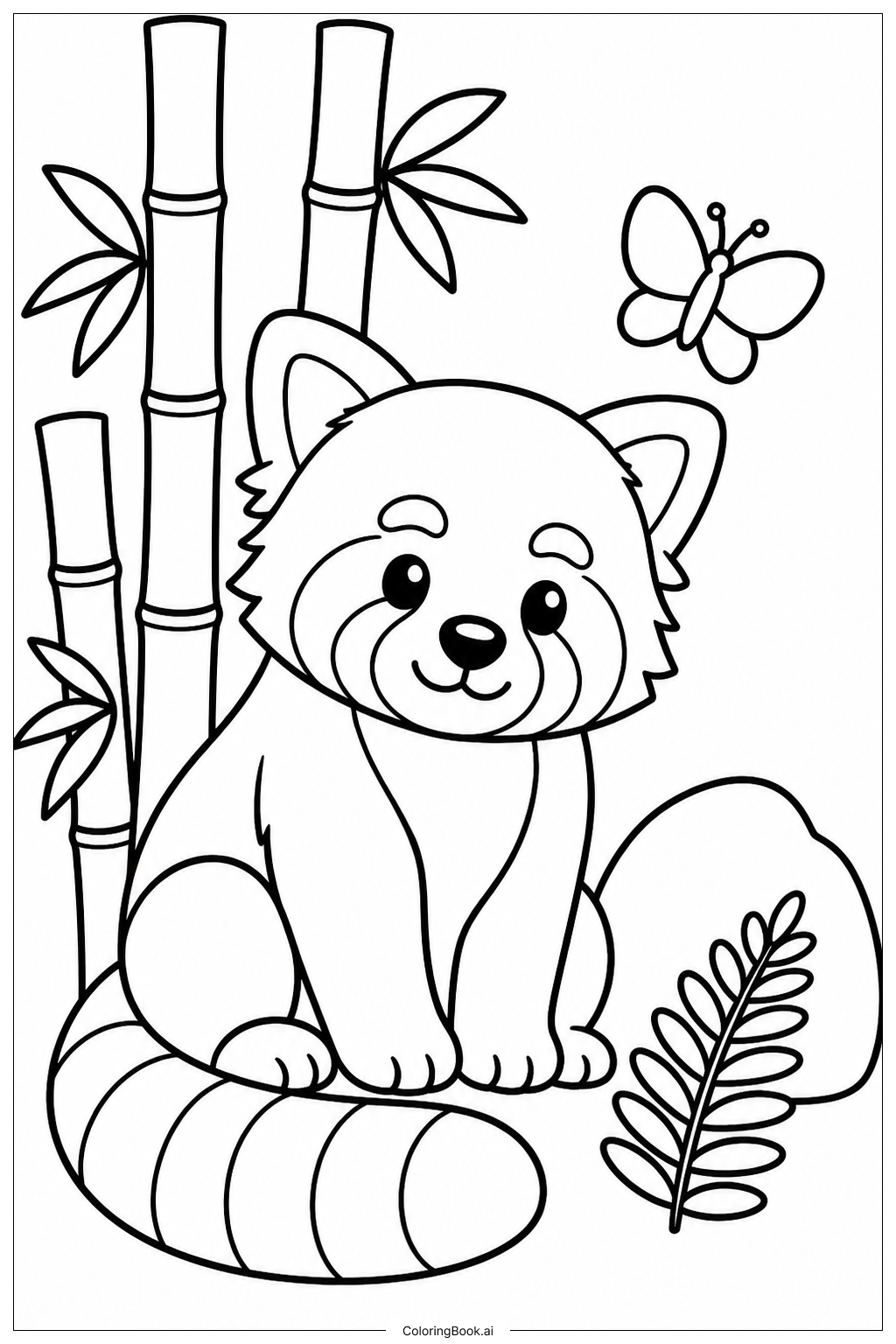
Start by coloring the red panda with rusty red-brown tones for its body and tail, using darker brown or black for its legs and belly. Add white to the face around the eyes and muzzle. For the bamboo stalks, use various shades of green, from light lime to deep forest green, alternating colors to create variety. Color the bamboo leaves in different green tones, perhaps adding yellow-green for younger leaves and darker green for mature ones. Consider using brown or tan for the bamboo stem segments. The red panda's facial markings can be colored with reddish-brown and white contrasts. Add subtle shading to create depth in the fur and bamboo. You might also include a soft blue or pale green background to suggest sky peeking through the grove.
Coloring challenges: Which parts are difficult to color and need attention for Red Panda In Bamboo Grove coloring page?
• Fur Texture and Detail: The red panda's thick, fluffy coat requires careful attention to create a realistic appearance. Colorists should layer multiple shades of red, brown, and orange to achieve depth and dimension. The tail rings present an additional challenge, requiring alternating light and dark bands that maintain consistent spacing while following the tail's curved form.
• Bamboo Complexity: The bamboo grove contains numerous overlapping stalks and leaves at various depths, creating a dense composition. Distinguishing between foreground and background elements requires strategic color choices. Using lighter shades for distant bamboo and darker, more saturated colors for closer elements helps create depth. The many individual leaves demand patience and attention to avoid color bleeding between adjacent shapes.
• Small Detailed Areas: The red panda's facial features, including the eyes, nose, and distinctive white markings, are relatively small and require precise coloring. The bamboo joints and leaf veins add intricate details throughout the image. Young children may find these tiny spaces challenging to color within the lines, while older colorists can use fine-tipped markers or colored pencils to enhance these details.
• Color Variation and Harmony: Achieving a natural look requires balancing warm tones in the red panda with the cool greens of the bamboo. Creating enough contrast so the red panda stands out from its surroundings while maintaining a cohesive color palette presents a thoughtful challenge for intermediate to advanced colorists.
Benefits of coloring books: Advantages of drawing Red Panda In Bamboo Grove coloring page
Coloring this red panda scene offers wonderful benefits for children and adults alike. It helps develop fine motor skills and hand-eye coordination, especially when working on the detailed fur patterns and small facial features. The repetitive nature of coloring multiple bamboo leaves and stalks provides a calming, meditative activity that reduces stress and anxiety. This image encourages learning about red pandas and their natural habitat, fostering appreciation for wildlife and conservation. Children can practice color mixing and shading techniques while experimenting with different green tones for the bamboo and warm colors for the red panda. The complexity of overlapping elements helps improve focus and concentration. Completing this detailed coloring page builds patience and provides a sense of accomplishment, boosting confidence and self-esteem.