Coloring tips: How to color Red Panda Eating Bamboo Shoot coloring page well?
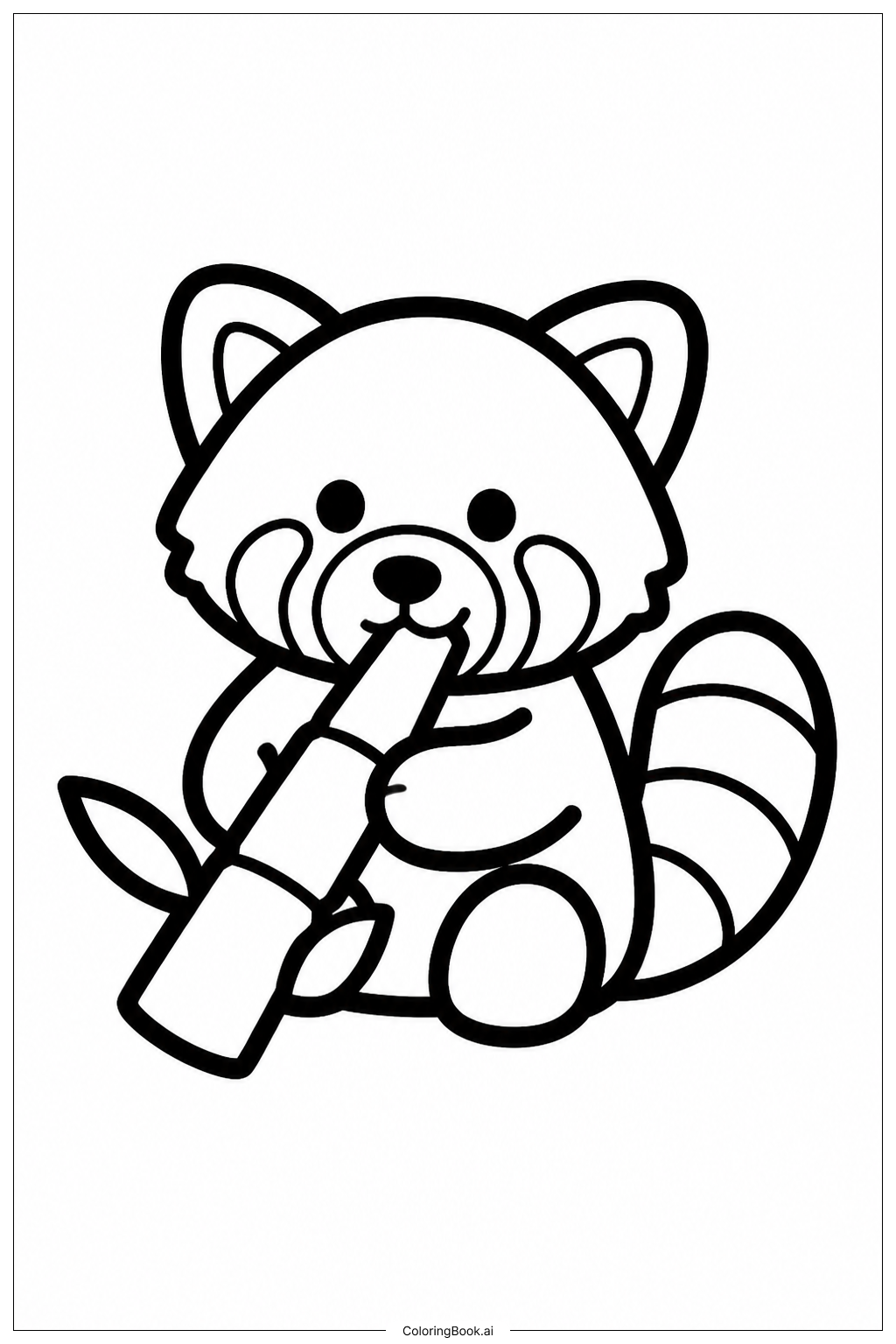
Start with the red panda's fur using warm reddish-brown or rusty orange tones for the back and sides. Color the face with lighter cream or white shades, adding reddish-brown markings around the eyes like a mask. The ears can be white on the inside with darker edges. Use deep brown or black for the legs and belly. The bushy tail is perfect for alternating reddish-brown and dark brown rings. For the bamboo shoots the red panda is eating, choose light green or yellow-green colors. The bamboo stalks work beautifully in various shades of green, from light lime to deeper forest green. Add brown or tan to the bamboo nodes for realistic detail. Background bamboo leaves can be colored in different green shades to create depth. Consider adding subtle shading with darker colors along edges to make your red panda pop off the page.
Coloring challenges: Which parts are difficult to color and need attention for Red Panda Eating Bamboo Shoot coloring page?
• Fur Texture and Detail: The red panda's body contains intricate fur texture lines throughout, requiring careful color blending and patience. Young colorists may find it challenging to stay within these fine lines, especially on the fluffy tail where multiple rings need distinct colors. The fur details on the face and body demand steady hand control and attention to directional strokes to create a realistic appearance.
• Bamboo Forest Complexity: The composition includes multiple overlapping bamboo stalks and leaves at various depths, creating a layered scene that can be confusing to navigate. Colorists must identify which bamboo pieces are in the foreground versus background and decide on appropriate color variations to show depth. The bamboo nodes and segments require consistent coloring patterns while maintaining visual interest across numerous similar elements.
• Tail Ring Pattern: The red panda's signature bushy tail features alternating color bands that must be carefully separated and colored distinctly. This requires precision to keep each ring clean and avoid color bleeding between sections. The tail's curve and volume mean the rings vary in width, demanding careful observation and steady coloring technique.
• Fine Facial Features: The red panda's face includes delicate details such as the eyes, nose, mouth, and distinctive facial markings. These small areas require precision coloring tools and steady hands. The mask-like markings around the eyes need to blend naturally with the lighter face color while maintaining clear boundaries, which can be particularly challenging for younger children.
Benefits of coloring books: Advantages of drawing Red Panda Eating Bamboo Shoot coloring page
Coloring this red panda scene offers wonderful developmental benefits for children and relaxation for all ages. The intricate fur details help improve fine motor skills and hand-eye coordination as colorists carefully work within detailed lines. Following the bamboo stalks through the composition enhances visual tracking abilities and spatial awareness. Children learn about endangered species and their natural habitats, fostering environmental awareness and empathy for wildlife. The repetitive action of coloring the bamboo pattern provides a calming, meditative experience that reduces stress and anxiety. Choosing appropriate colors for the red panda's distinctive markings encourages color recognition and decision-making skills. The complexity of layering colors for fur texture and bamboo depth develops patience and focus while building confidence as the image comes to life. This coloring page also sparks curiosity about Asian wildlife and ecosystems, potentially inspiring further learning about conservation efforts.