Coloring tips: How to color Red Panda Climbing Tree Branch coloring page well?
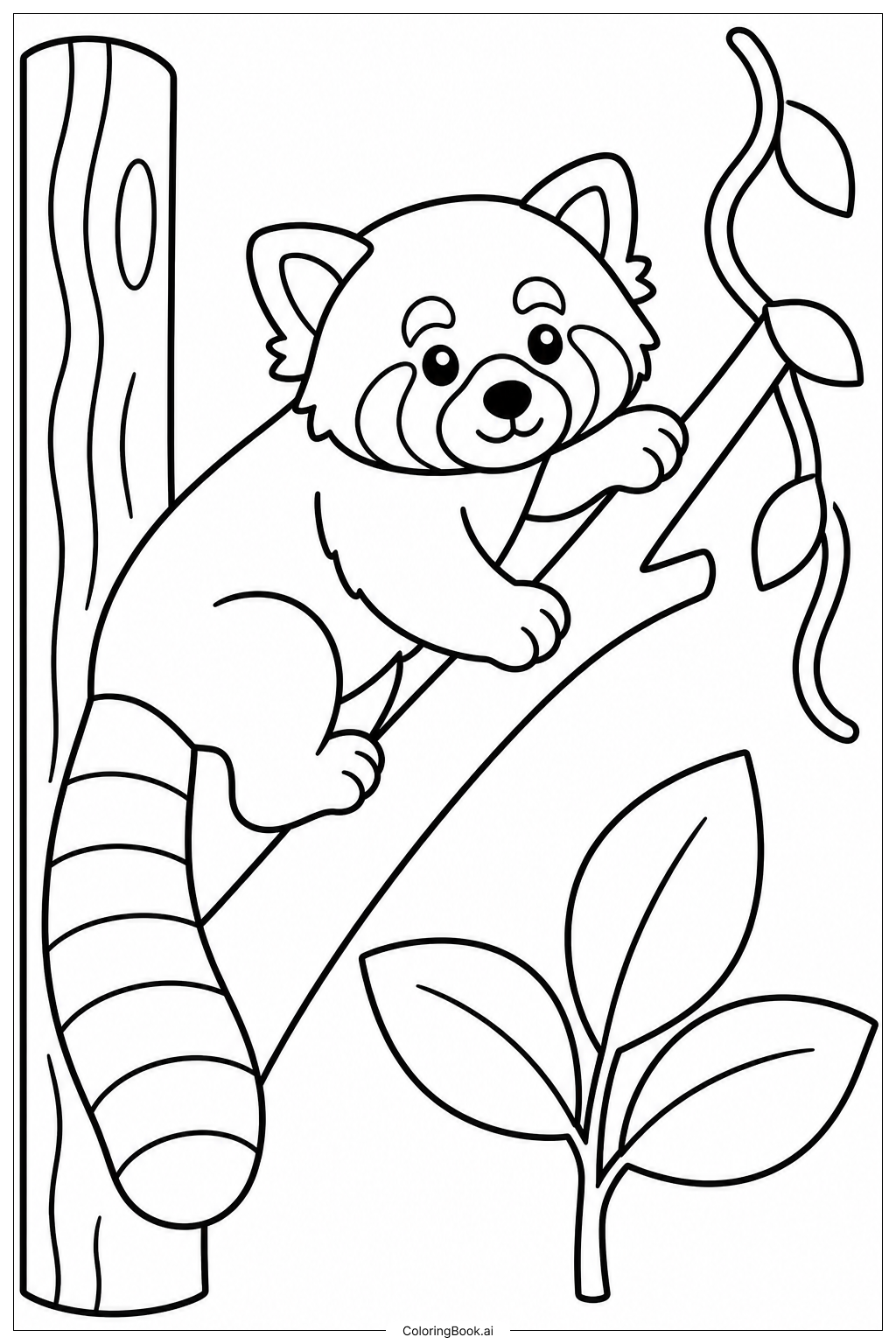
Start with warm colors for your red panda. Use reddish-brown or rusty orange for the body and outer limbs. The face should have white markings with reddish-brown tear marks under the eyes. Color the ears with darker reddish-brown edges. The tail looks beautiful with alternating rings of rusty red and cream or light brown. For the belly and inner legs, use cream, white, or light beige. The tree branch can be colored in various shades of brown, from light tan to deep chocolate, adding darker tones in the bark crevices for depth. Color the leaves in different shades of green, or try autumn colors like yellow, orange, and red for seasonal variety. Add shadows under the panda and along the branch using slightly darker versions of your base colors to create dimension.
Coloring challenges: Which parts are difficult to color and need attention for Red Panda Climbing Tree Branch coloring page?
• Fur Texture Details: The red panda's fluffy coat requires careful attention to create a realistic furry appearance. The outline shows flowing fur lines that need consistent coloring to avoid a patchy look. Young colorists may find it challenging to blend colors smoothly along these fur direction lines, especially where the reddish-brown body meets the cream-colored belly and legs.
• Tail Striping Pattern: The red panda's distinctive ringed tail presents a unique challenge with its alternating light and dark bands. Keeping the stripes even and maintaining clean boundaries between each ring requires steady hands and patience. Children must plan their color sequence before starting to ensure the pattern looks balanced and natural throughout the entire length of the bushy tail.
• Bark Texture and Wood Grain: The tree branch features intricate bark patterns with cracks, knots, and natural wood textures that require shading techniques to look three-dimensional. Colorists need to use multiple brown tones and apply them thoughtfully to create depth in the crevices while keeping raised areas lighter, which can be difficult for beginners still developing their shading skills.
• Facial Feature Precision: The red panda's sweet face includes small details like the eyes, nose, distinctive tear-mark stripes, and white facial markings that require careful coloring within tight spaces. Staying within these small areas while switching between white, dark, and reddish tones demands good fine motor control and concentration, especially for younger children.
Benefits of coloring books: Advantages of drawing Red Panda Climbing Tree Branch coloring page
Coloring this red panda image helps children develop fine motor skills and hand-eye coordination through detailed work on fur textures and small facial features. The repetitive striping pattern on the tail teaches pattern recognition and sequencing skills. Working with the natural color palette of reds, browns, and creams introduces color theory and helps kids learn about warm earth tones found in nature. The tree branch and leaves encourage observation of natural textures and how light and shadow create depth. This page also provides an educational opportunity to learn about red pandas, their habitat, and conservation. The combination of a cute animal subject with moderate detail level makes this coloring page engaging for a wide age range while building patience, focus, and artistic confidence. Completing this detailed scene gives children a sense of accomplishment and pride in their finished artwork.