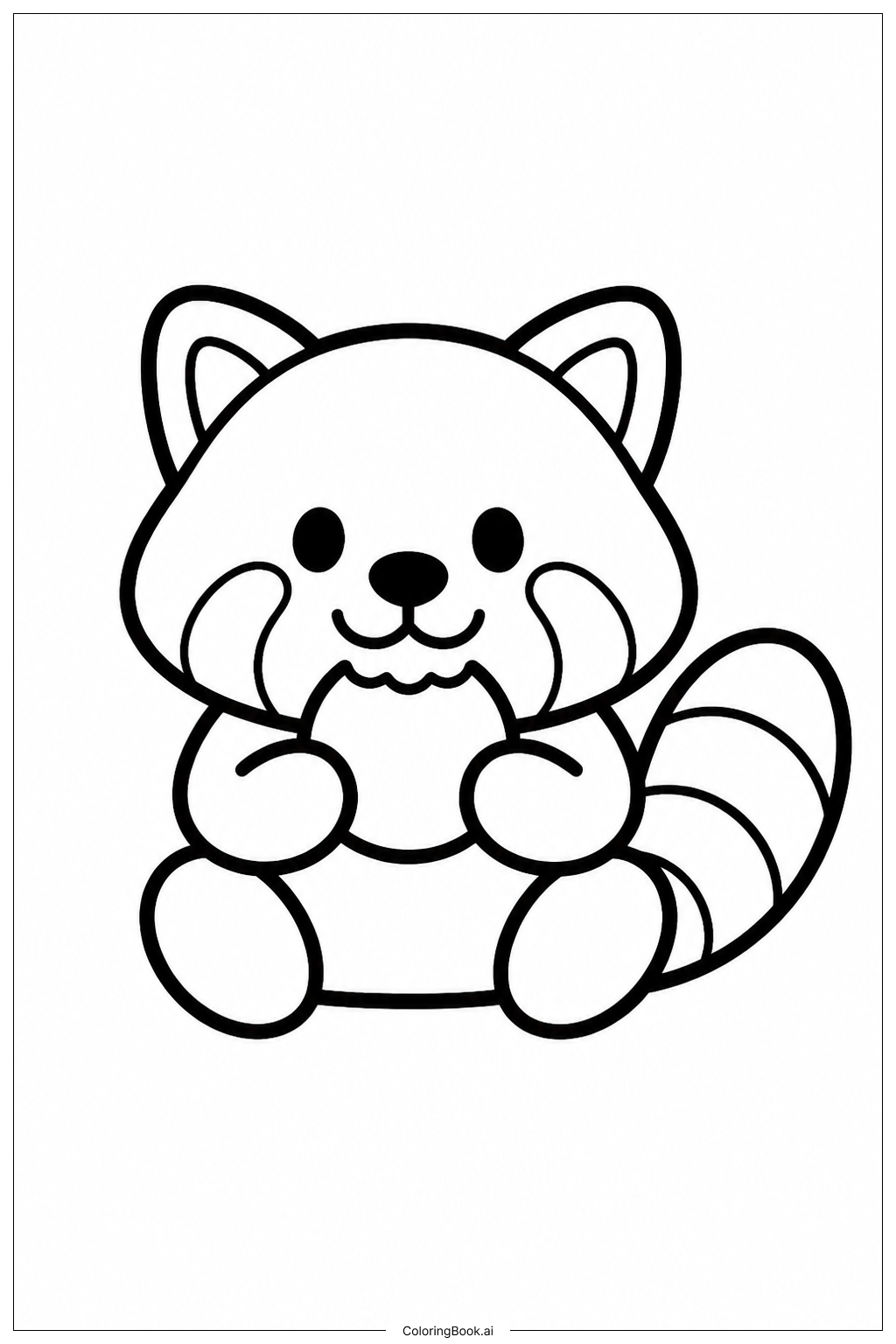
Coloring tips: How to color Red Panda Cheek Puff coloring page well?
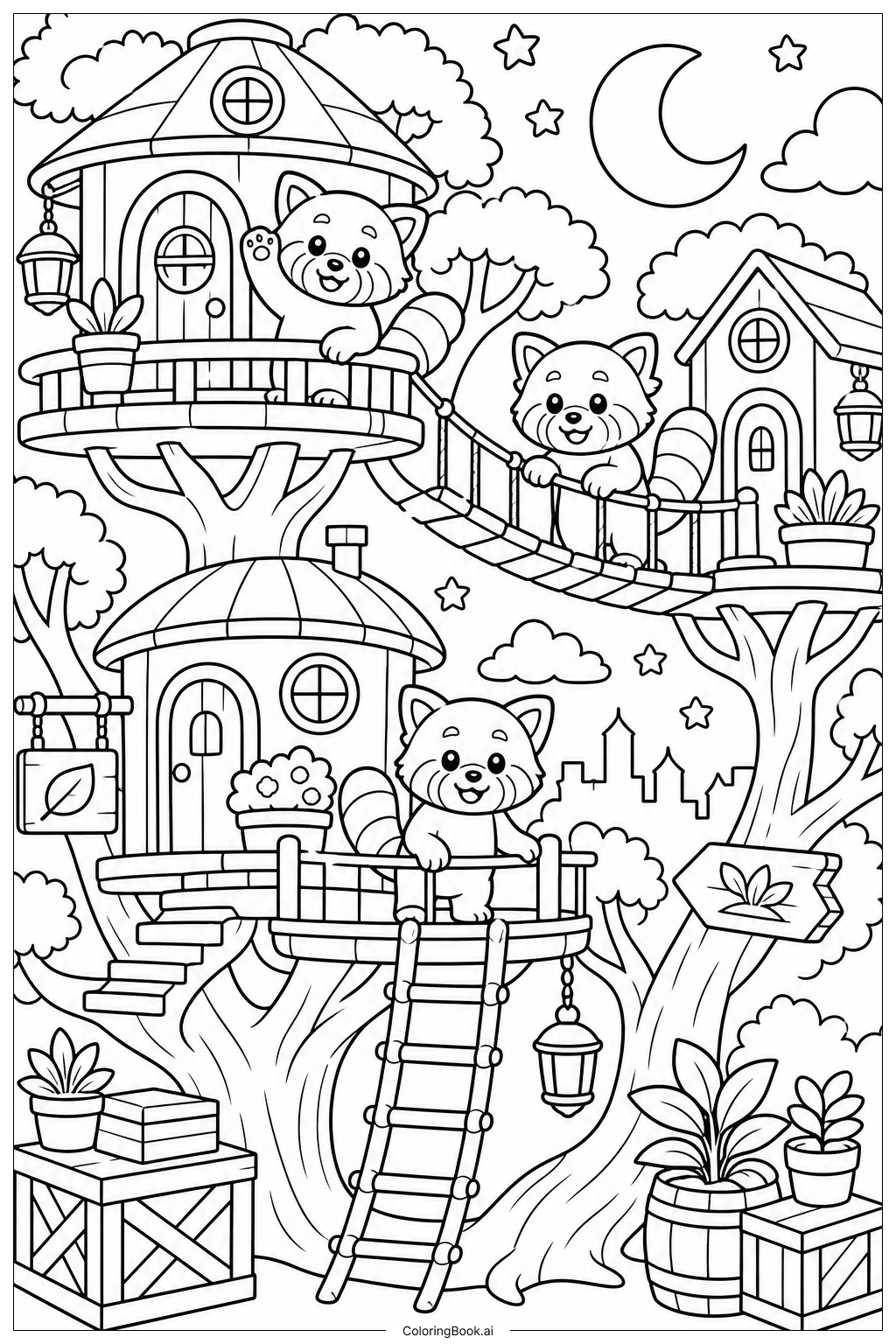
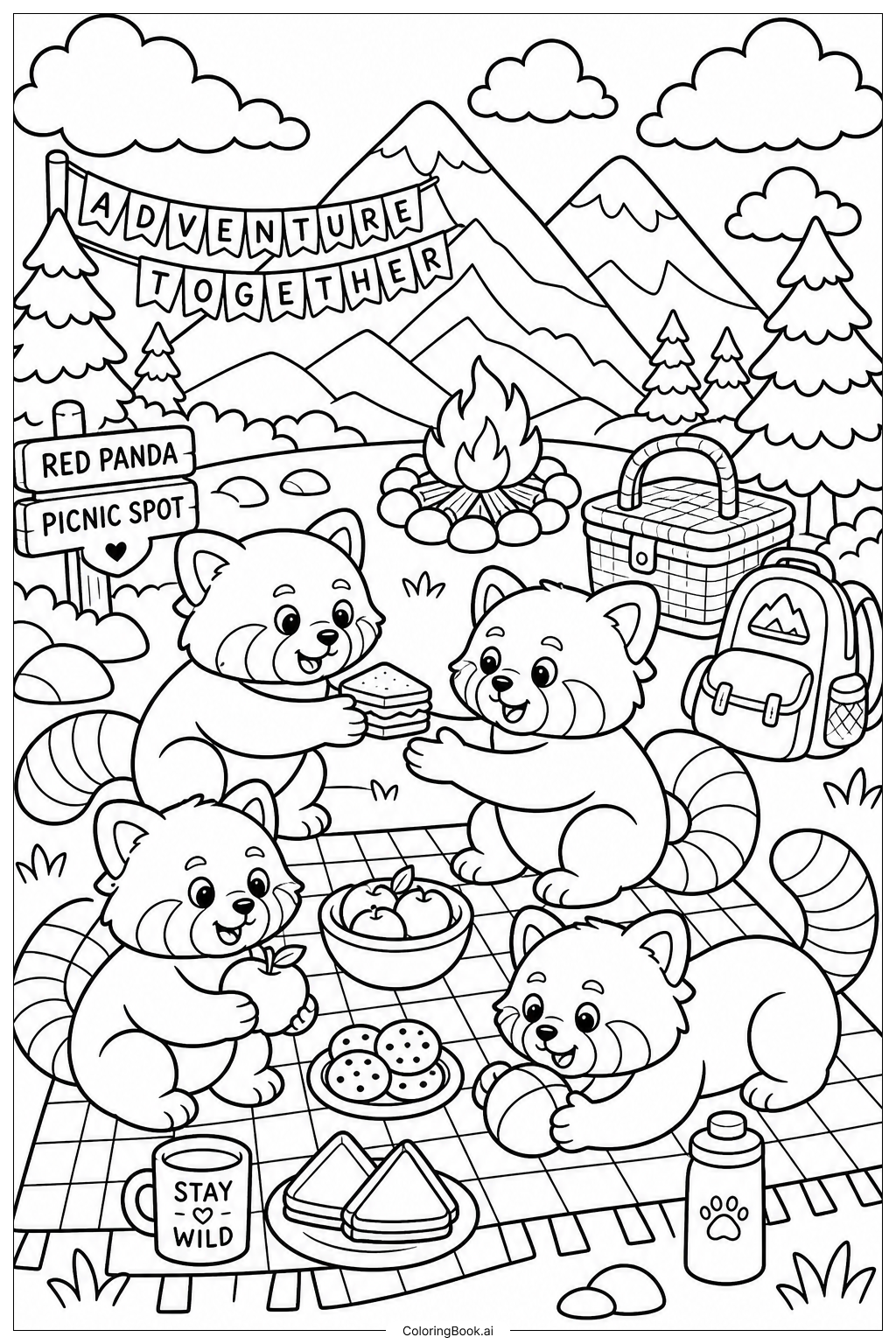
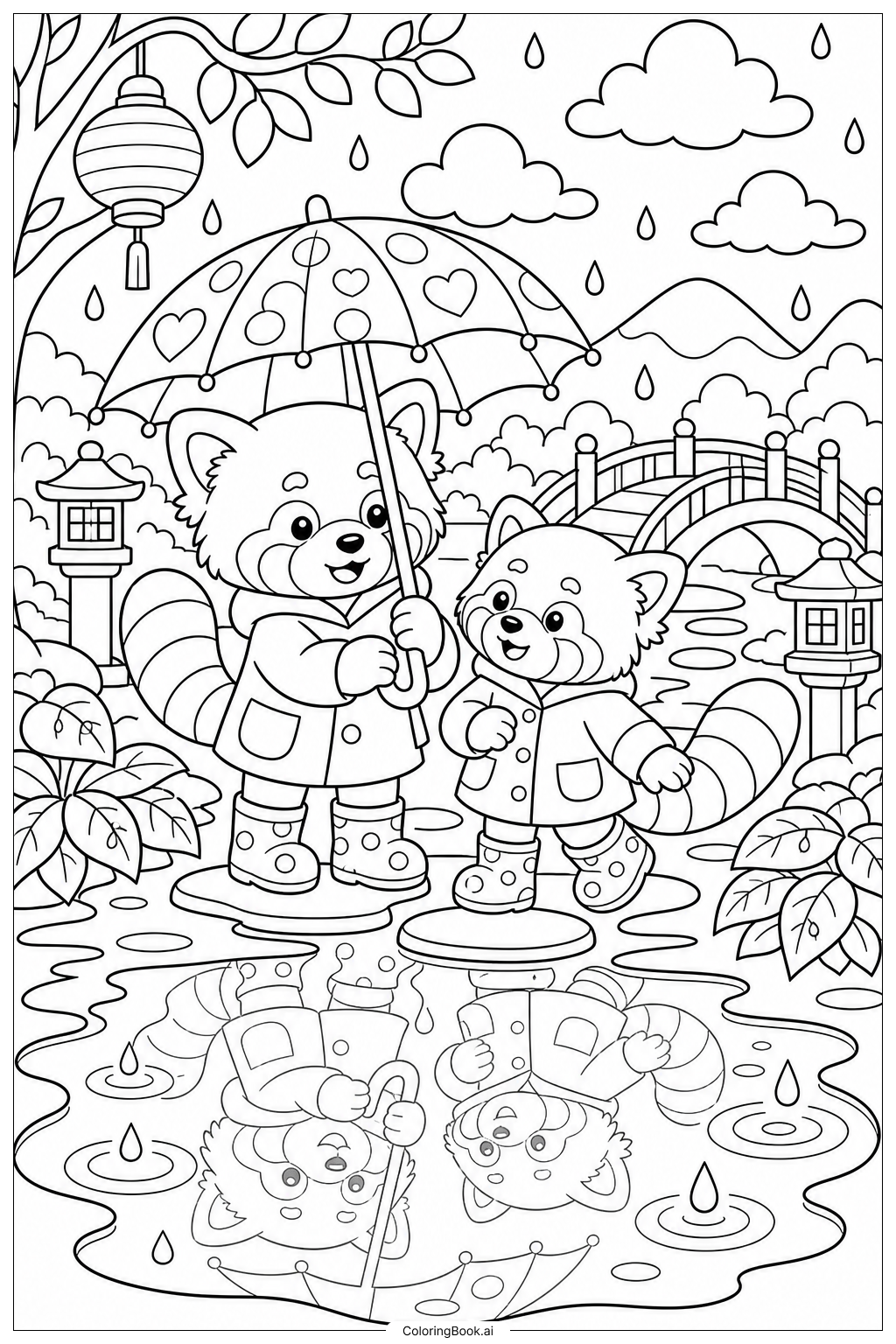
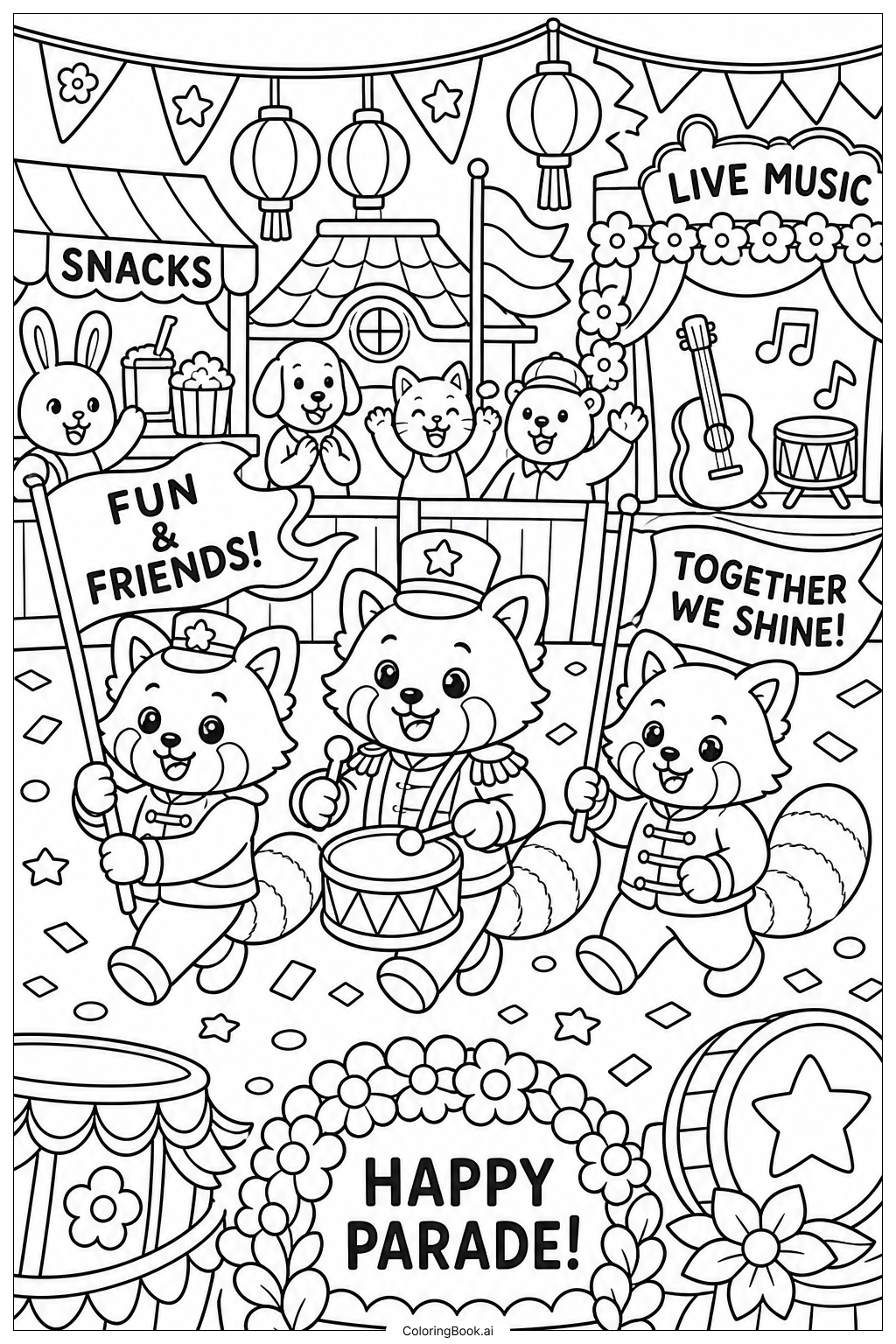
Start with the red panda's distinctive rusty-red or auburn fur as the main color for the body, legs, and upper tail. Use a darker reddish-brown or burnt sienna for the ears and the rings on the tail. The face mask can be colored with white or cream, extending from the cheeks to around the eyes, creating that classic red panda look. Add soft pink to the puffed cheeks and inner ears for extra charm. The belly and chest area work well in light cream or off-white. For the eyes, use dark brown or black with a small white highlight to create a sparkle. Color the nose black with a tiny pink accent. The tail rings alternate between dark brown and the base red color. Consider adding subtle shading with darker tones along the edges to create depth and dimension in the fur.
Coloring challenges: Which parts are difficult to color and need attention for Red Panda Cheek Puff coloring page?
• Fur Texture and Direction: The red panda's thick, fluffy coat requires careful attention to create a realistic appearance. Coloring in the direction of fur growth helps achieve a natural look, but this can be challenging around curved areas like the cheeks, belly, and tail. Young colorists may find it difficult to maintain consistent strokes that follow the body's contours, especially where the fur changes direction around joints and facial features.
• Tail Ring Patterns: The distinctive ringed pattern on the red panda's bushy tail presents a significant challenge. Each ring must be colored precisely to maintain clean separation between the alternating light and dark bands. Keeping the rings evenly spaced and ensuring the colors don't bleed into adjacent sections requires patience and steady hand control. The rings also follow the tail's curve, adding complexity to the task.
• Facial Details and Expression: The puffed cheeks, large eyes, and small features on the face demand precision coloring. The cheeks need subtle shading to appear three-dimensional and genuinely puffed out. The eyes require careful work to create depth and that characteristic sparkle, while the small nose and mouth need steady hands to color accurately without going outside the lines.
• Color Transitions and Shading: Creating smooth gradients from the darker back fur to the lighter belly requires blending skills. The transition between the rusty-red body and cream-colored face mask must look natural rather than harsh. Adding shadows under the chin, around the puffed cheeks, and beneath the tail to create depth involves layering colors and understanding where light naturally falls on the rounded body.
Benefits of coloring books: Advantages of drawing Red Panda Cheek Puff coloring page
Coloring this adorable Red Panda Cheek Puff page offers wonderful developmental benefits for children and relaxation for all ages. The intricate fur patterns help improve fine motor skills and hand-eye coordination as colorists carefully fill in detailed areas. Working with the various textures and patterns encourages focus and concentration, providing a calming, meditative activity that reduces stress and anxiety. The cute, friendly character sparks creativity and allows for personal expression through color choices. Children learn about color mixing and shading techniques while exploring how to create depth and dimension. This coloring page also provides an educational opportunity to learn about red pandas, their appearance, and their habitat, fostering appreciation for wildlife. The engaging subject matter keeps young artists motivated to complete the project, building patience and perseverance. The satisfying result boosts confidence and provides a sense of accomplishment that encourages further artistic exploration.