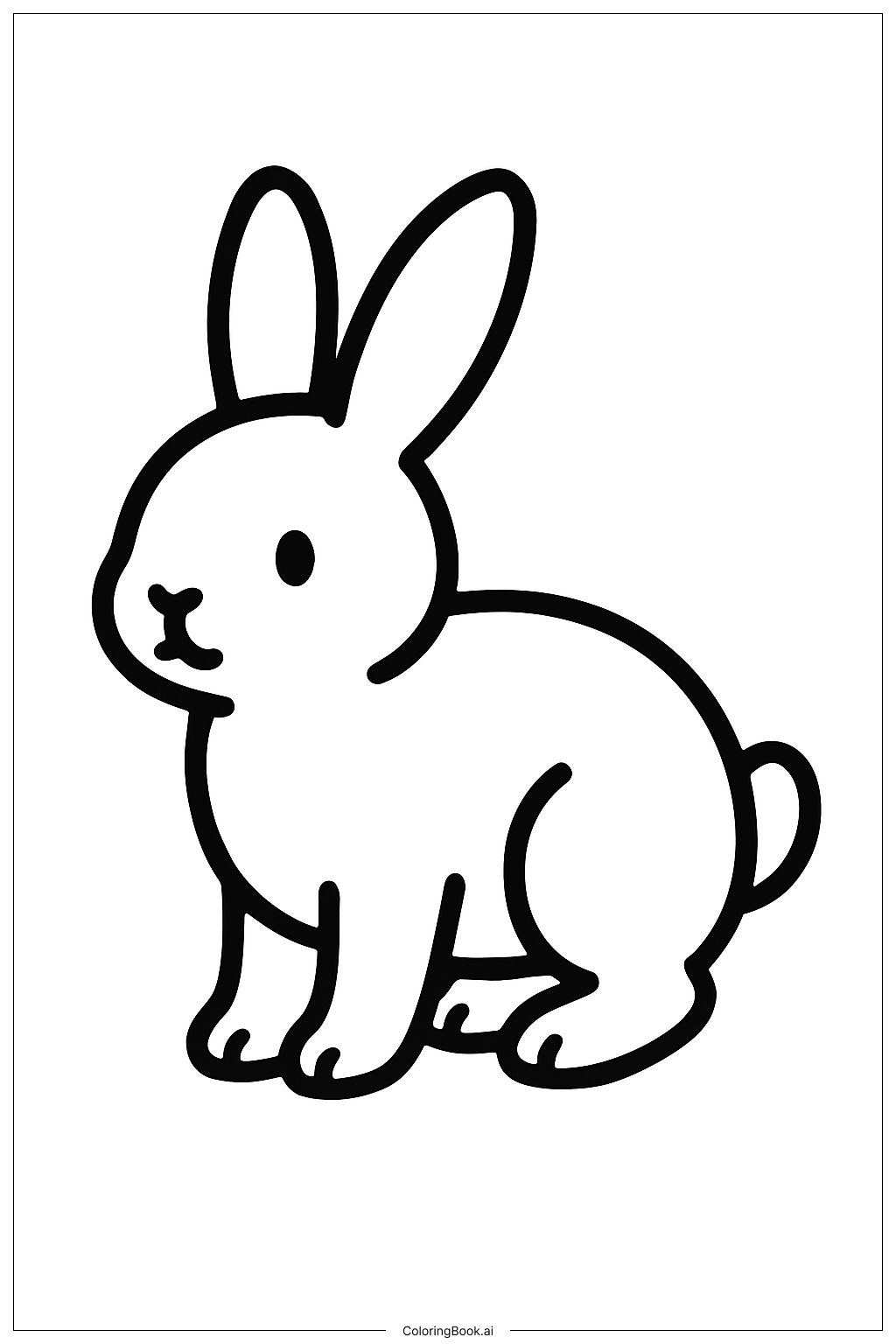
Coloring tips: How to color Tiny Forest Rabbit coloring page well?
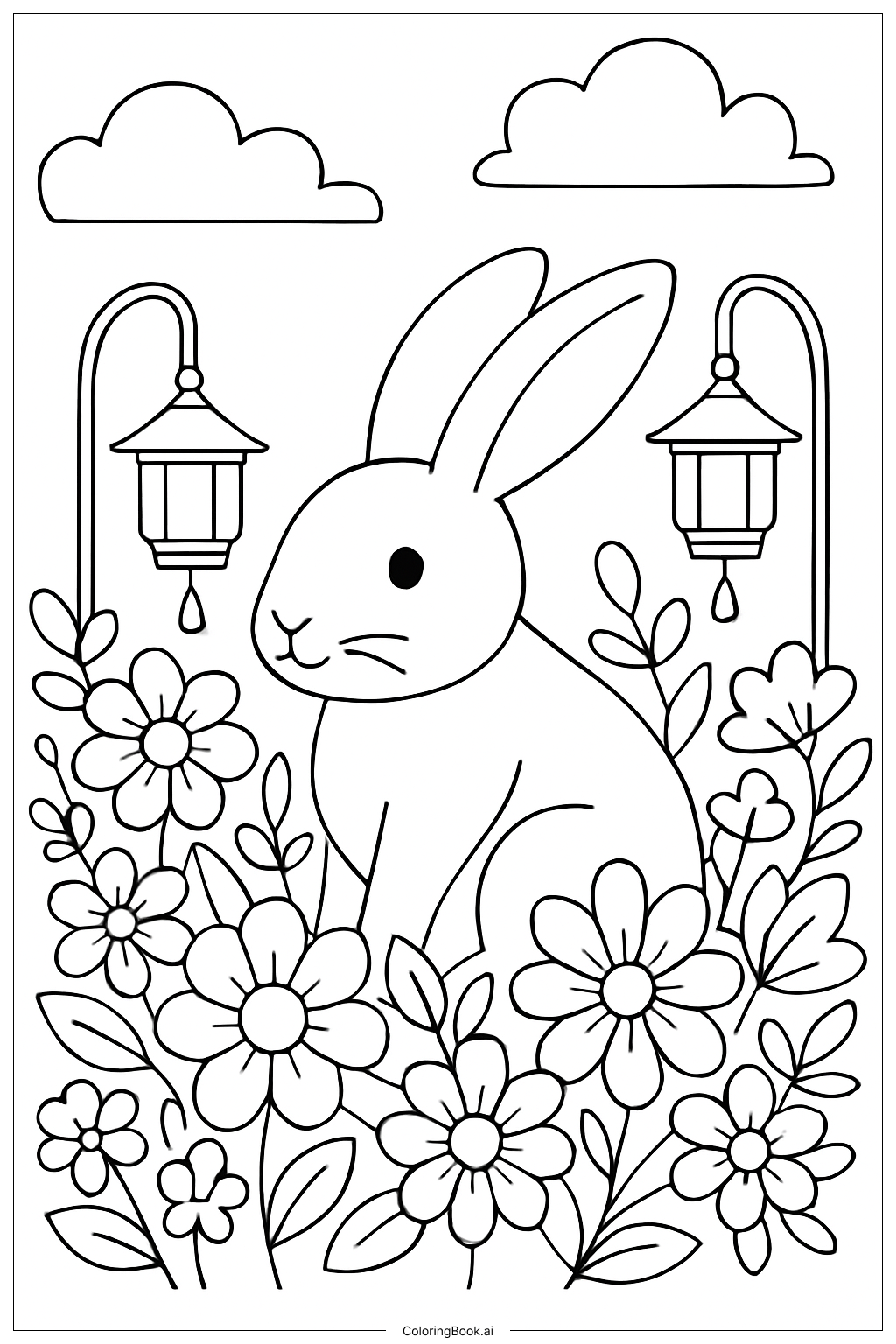
Use soft browns, creams, and light grays to color the Tiny Forest Rabbit’s fur for a realistic look. You can add white or pale pink inside the ears to make them stand out. For the forest, try varying shades of green for the grass and leaves — dark greens for dense parts and light greens for newer leaves. Add little pops of color to the wildflowers using yellows, purples, or reds to make the scene lively. Don’t forget to color the tree bark with rich browns and add some texture by mixing darker and lighter tones. Feel free to get creative and use pastel colors to give the image a magical, fairy-tale feel.
Coloring challenges: Which parts are difficult to color and need attention for Tiny Forest Rabbit coloring page?
• Fine Details: The Tiny Forest Rabbit’s fur and facial features have small lines that require patience to color inside carefully. Staying within these lines helps the rabbit look neat and clear. • Overlapping Elements: The plants, grass, and flowers overlap with each other and the rabbit. Coloring these parts separately without mixing colors can be challenging and takes focus. • Texture Variation: To make the forest look natural, you need to use different shades for tree bark, leaves, and grass. Blending colors smoothly while keeping distinct textures can be tricky for beginners. • Small Spaces: Some areas, like between the rabbit’s ears and under its feet, are narrow and need a steady hand to color without going outside the lines. • Balancing Colors: Choosing colors that look good together but also create contrast—such as the rabbit against the green background—requires some color sense. Putting too many bright colors may take away from the calm forest feel.
Benefits of coloring books: Advantages of drawing Tiny Forest Rabbit coloring page
Coloring this image helps children improve their fine motor skills by practicing careful, controlled strokes on detailed parts like the rabbit’s fur and the leaves. It encourages attention to detail and patience, as some areas need slow and steady coloring. The scene invites creativity in choosing colors for nature elements, helping kids learn about blending and contrasting colors. Additionally, focusing on a calm woodland rabbit can promote relaxation and mindfulness, making coloring a fun and soothing activity. This page also sparks interest in wildlife and nature, helping kids appreciate small animals and the natural world.