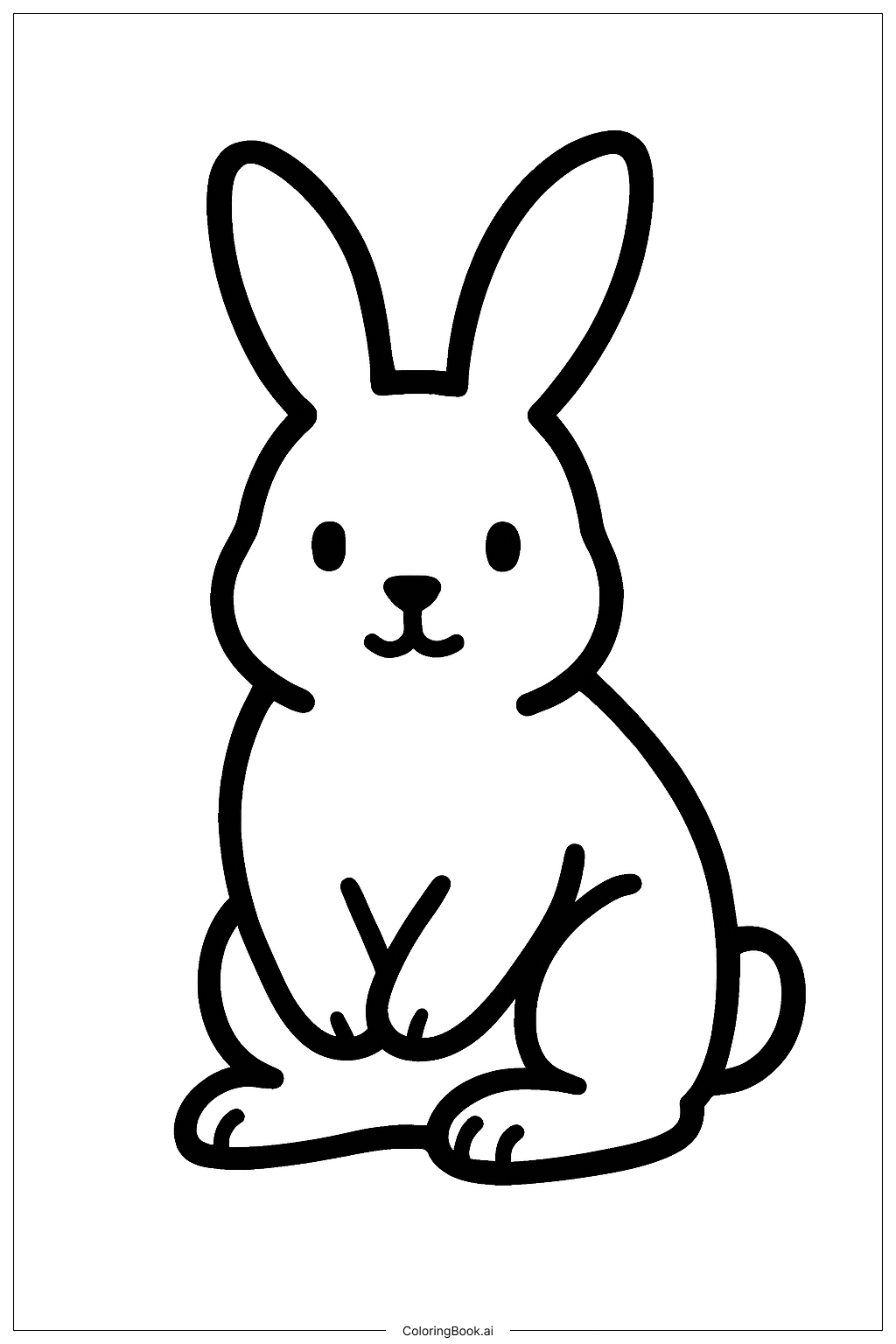
Coloring tips: How to color Sitting Garden Rabbit coloring page well?
When coloring the rabbit, consider using light shades of gray or brown for its fur, while keeping the ears a soft pink. You can add vibrant colors for the background, like green for grass or blue for the sky. Adding flowers with bright colors like yellow, pink, or purple can make the scene pop. Don't forget to use your imagination! You can choose any colors you like, even rainbow colors for a fun twist. Remember to color inside the lines to make your rabbit look neat and happy!
Coloring challenges: Which parts are difficult to color and need attention for Sitting Garden Rabbit coloring page?
1. Choosing Colors: Kids may struggle to decide which colors to use. Some might want a traditional brown rabbit, while others may want to experiment with brighter colors. Encourage creativity but also give guidance for a balanced and pleasing look. 2. Shading: Adding depth through shading can be tricky. Kids might find it challenging to blend colors smoothly. It takes practice to learn how to create lighter and darker areas. 3. Detailed Areas: The rabbit's paws and facial features might have small areas that require careful coloring. Children must concentrate to ensure they stay within the lines to maintain the character's cute appearance. 4. Background Filling: Choosing how to color the background can also be a challenge. Deciding whether to create a garden scene or keep it simple may confuse some kids. They might feel overwhelmed with too many options. 5. Staying Patient: Coloring can be time-consuming. Some children may lose interest if they don't see quick results. Remind them that it's okay to take their time for the best outcome!
Benefits of coloring books: Advantages of drawing Sitting Garden Rabbit coloring page
Coloring this rabbit image helps develop fine motor skills. Children practice holding crayons or colored pencils, which strengthens their hand muscles. It also boosts creativity; they can choose any colors and make the rabbit unique. Coloring can be very relaxing, helping children to calm down and focus. It provides a chance to express feelings and ideas through colors. Moreover, it's a great way to enhance concentration. Kids must pay attention to details and stay in the lines. Finally, it encourages sharing; children can show their finished artworks to friends or family, promoting communication and confidence.