Coloring tips: How to color Rabbit In Flower Meadow coloring page well?
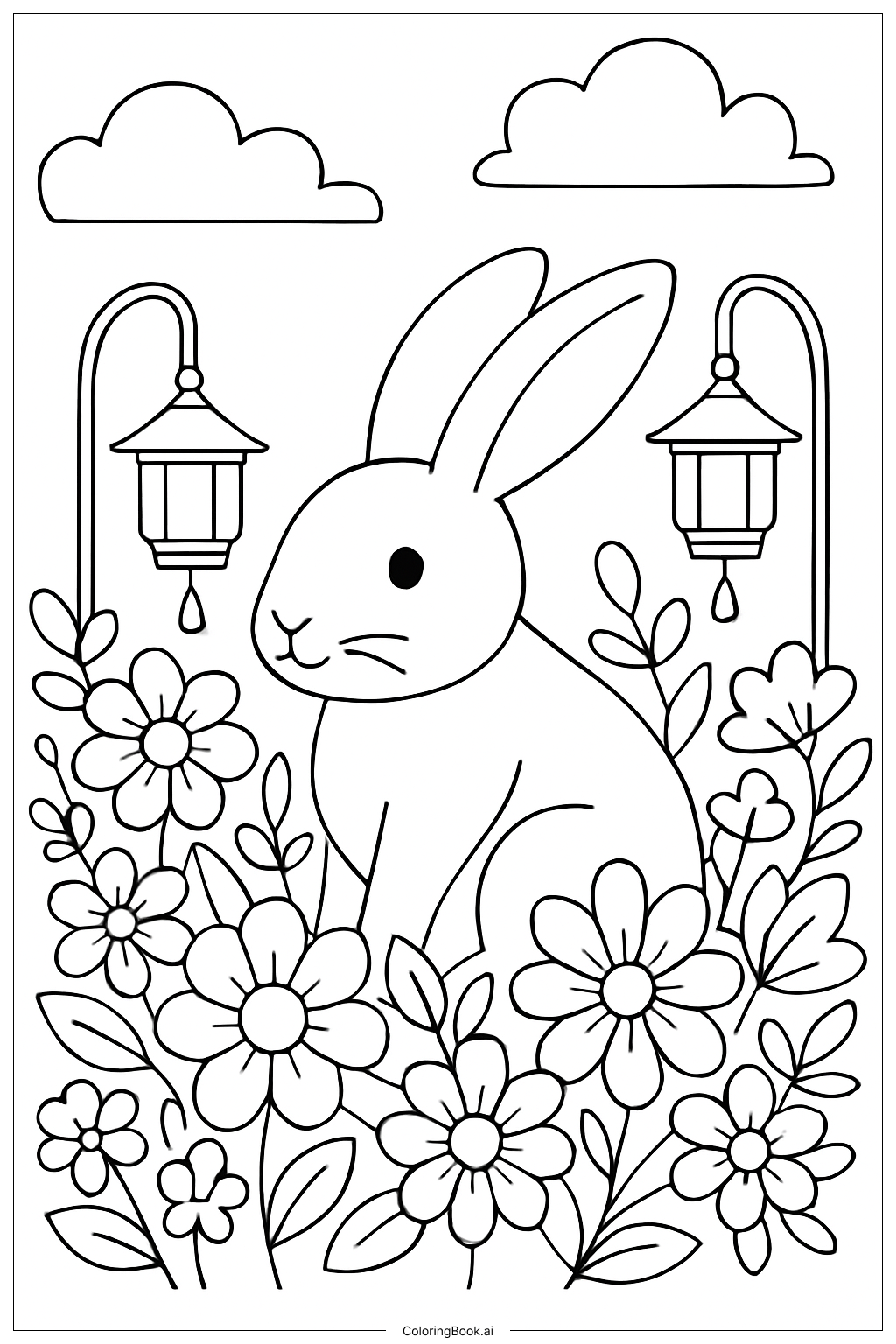
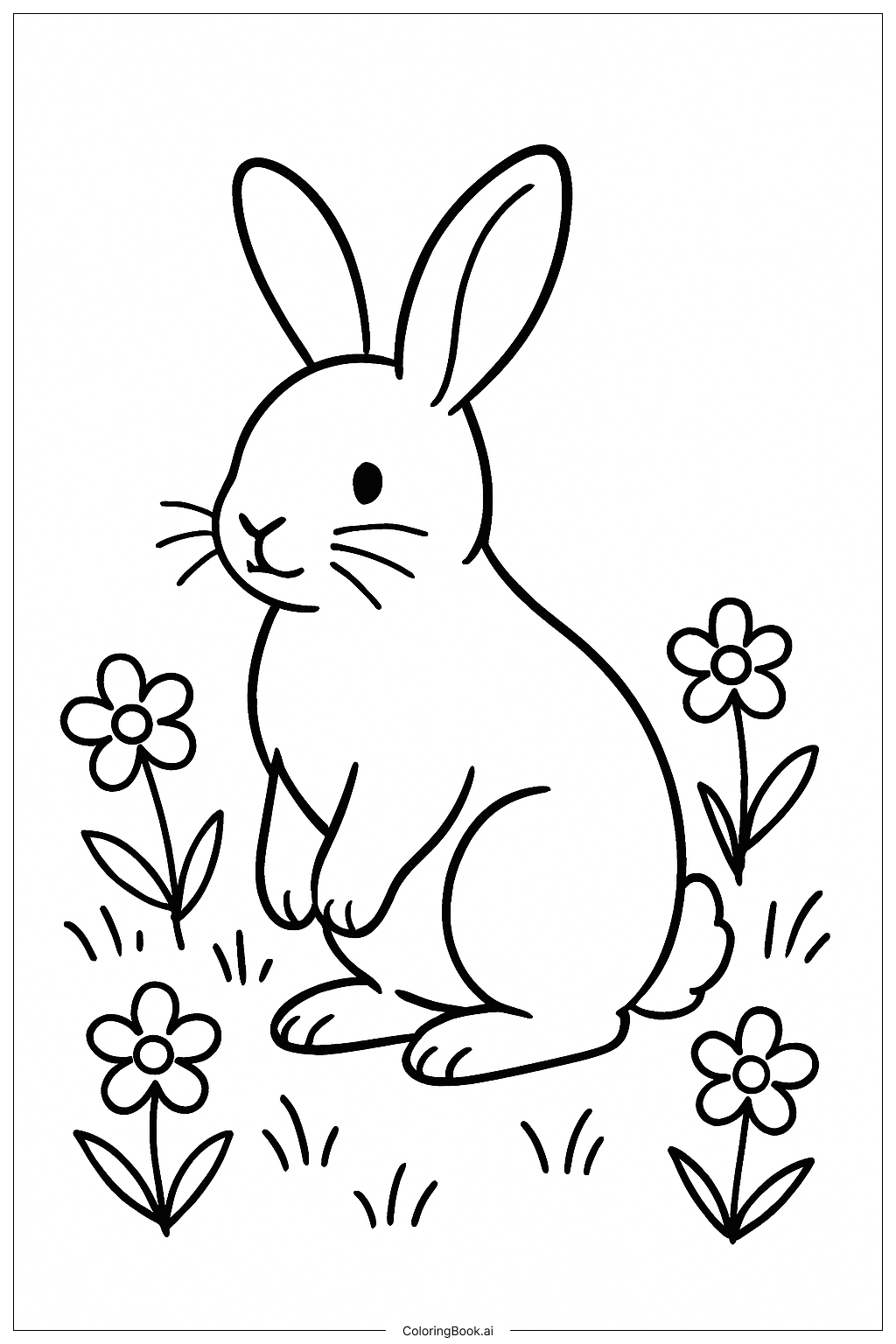
Start with the rabbit's body using soft, warm tones. Light gray or creamy white works beautifully for the fur. Use gentle shading with a slightly darker gray around the edges to give the fur some depth and texture. Color the ears with a soft pink on the inside to make them look realistic. For the flowers, have fun with bright and cheerful colors. Use yellows, pinks, purples, reds, and oranges to make the meadow pop. Mix different shades of the same color on each flower to add dimension. The leaves and stems look great in various shades of green. Try light green for younger leaves and deeper green for larger ones. If there are butterflies, use vivid contrasting colors to make them stand out. Feel free to use your imagination and create a magical, colorful scene. There are no rules — just enjoy the process and make it your own!
Coloring challenges: Which parts are difficult to color and need attention for Rabbit In Flower Meadow coloring page?
• Rabbit Fur Texture: The rabbit's fluffy fur can be tricky to color realistically. To capture the softness, you need to use light, feathery strokes and layer multiple shades. Simply filling it in with one flat color will make the fur look stiff and flat. Take your time blending light and shadow tones to create a soft, three-dimensional appearance.
• Intricate Flower Details: The meadow is packed with many different flowers, each with its own petals, centers, and layered details. Keeping the colors clean and distinct between each individual flower requires careful attention. It is easy for colors to bleed into neighboring petals or stems, especially in the areas where flowers overlap closely.
• Overlapping Elements: In several parts of the image, leaves, stems, and flowers overlap one another. Deciding which element sits in front and which sits behind — and coloring accordingly with light and shadow — can be challenging. Using slightly different shades for overlapping sections helps create a convincing sense of depth.
• Small Decorative Details: Tiny elements like butterfly wings, small buds, and delicate leaf veins require a fine-tipped tool for precise coloring. Using a thick marker or crayon in these areas can result in going outside the lines or accidentally covering fine details in the original artwork.
• Achieving Color Harmony: With so many flowers, leaves, and the rabbit all sharing the same space, balancing the colors so the whole image looks unified rather than chaotic is a real challenge. Planning a cohesive color palette before you begin — for example, choosing warm tones or a pastel theme — will help the finished piece look polished and beautiful.
Benefits of coloring books: Advantages of drawing Rabbit In Flower Meadow coloring page
Coloring this Rabbit In Flower Meadow image offers a wide range of wonderful benefits for children and adults alike. For younger kids, carefully coloring the rabbit's fur and the many small flowers helps develop fine motor skills and hand-eye coordination. Staying within the detailed lines takes focus and patience, which builds concentration over time. Choosing colors for the flowers and the rabbit's features encourages creative thinking and allows kids to express themselves freely. There is no single correct answer, which builds confidence and a love of artistic exploration. For older children and teens, the intricate details of the meadow provide a satisfying challenge that sharpens attention to detail and teaches color blending and shading techniques. For adults, the repetitive, calming nature of coloring this peaceful nature scene is a wonderful stress-relief activity. It encourages mindfulness by drawing full attention to the present moment. Completing the image also brings a genuine sense of accomplishment and pride. Overall, this coloring page is a joyful and enriching activity that nurtures creativity, focus, and relaxation for colorists of all ages.