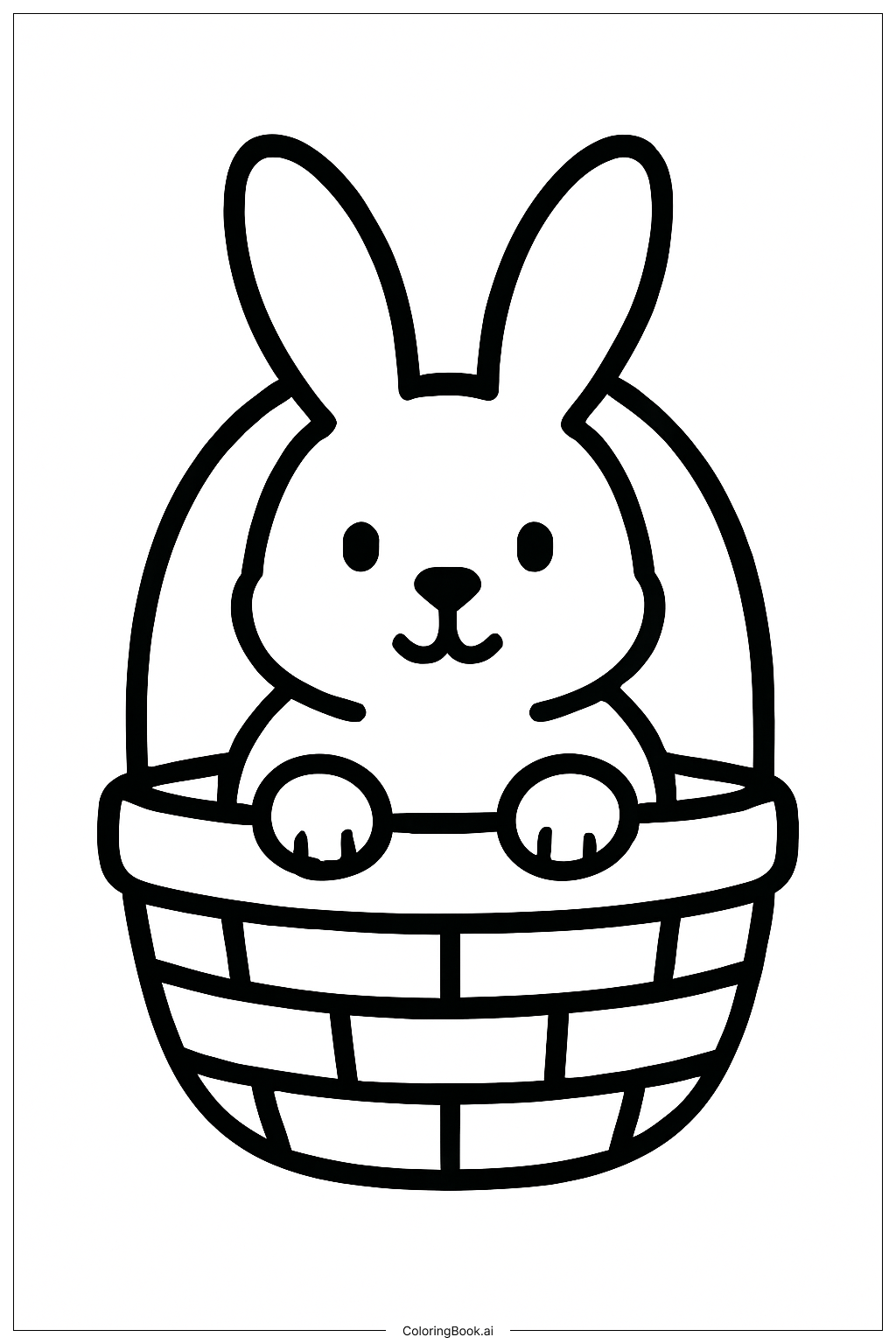
Coloring tips: How to color Rabbit In Basket coloring page well?
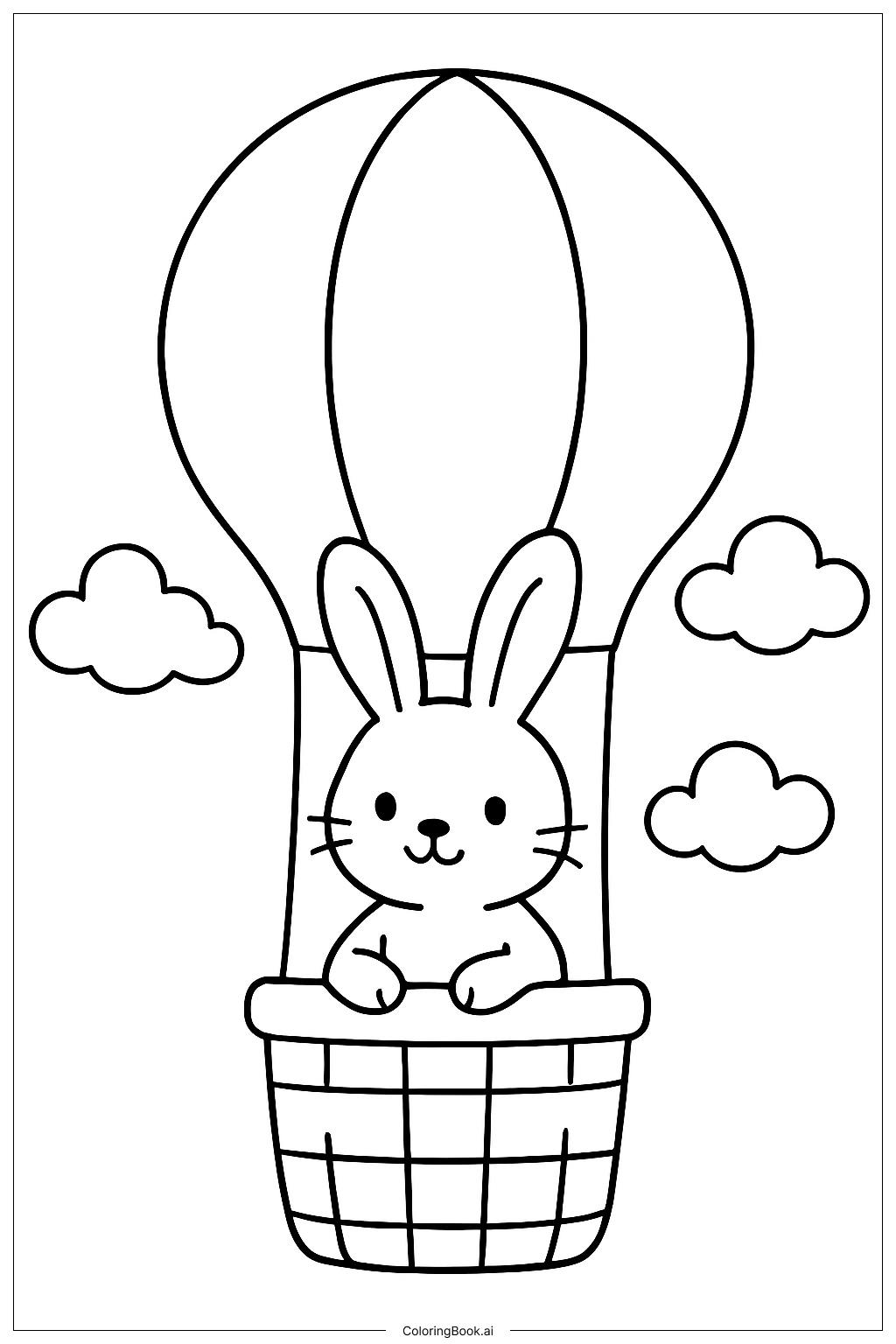
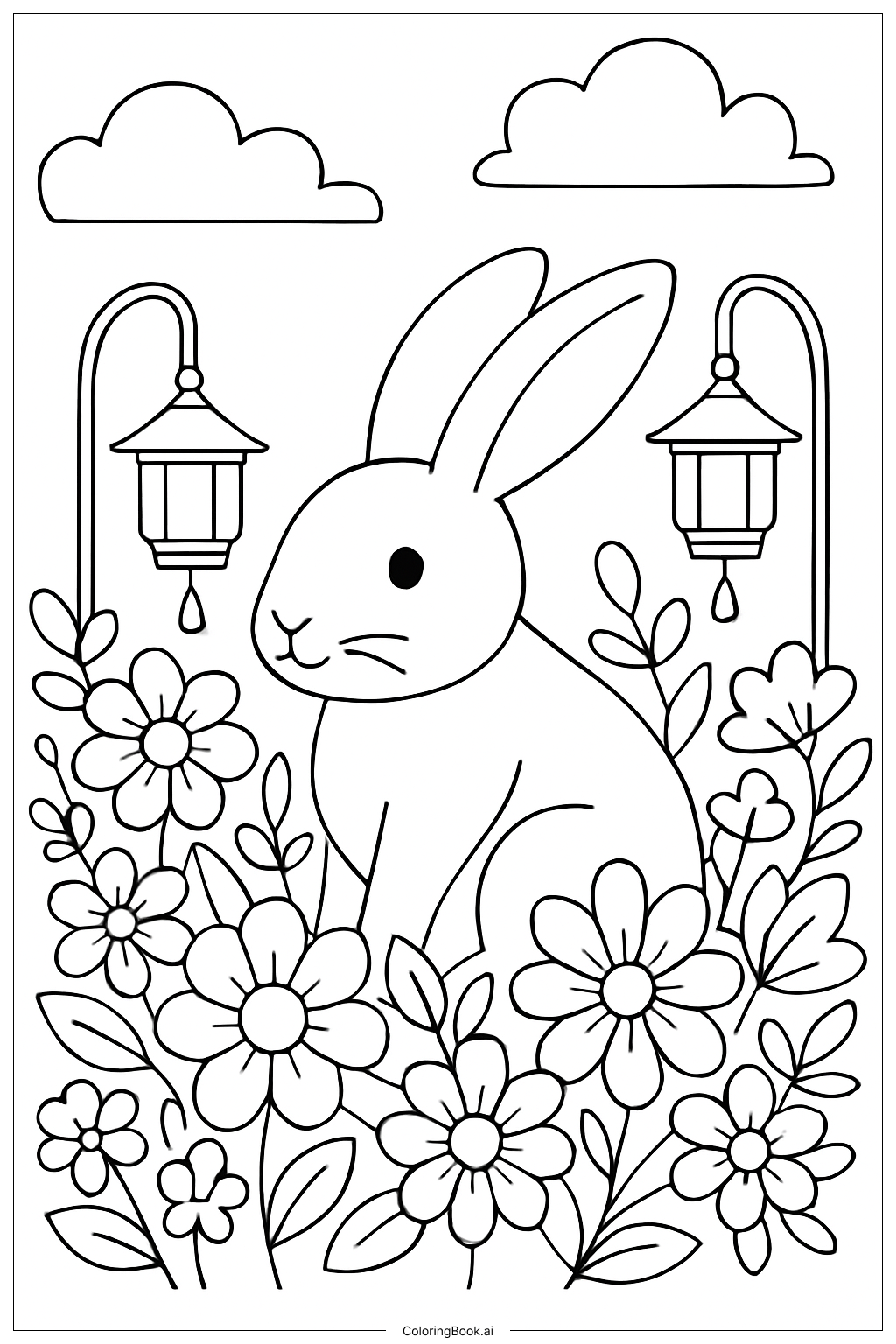
For coloring this image, start by giving the Rabbit gentle colors like soft browns, grays, or creamy whites to show its fluffy fur. Use light shading to show the softness of the Rabbit’s fur, especially on its ears and face. The basket can be colored with warm natural tones like light brown, tan, or honey yellow to resemble real woven straw. Add green and bright colors to any flowers or leaves around the basket to create a lively, fresh look. Use gentle blending for the fur and basket to give the picture depth and warmth. Keep the colors light and natural to emphasize the calm and cute mood of the scene.
Coloring challenges: Which parts are difficult to color and need attention for Rabbit In Basket coloring page?
• Fine Details: The basket weaving has many small patterns that require careful coloring to stay within the lines and show its texture clearly. Coloring these tiny parts precisely can be challenging for younger children. • Fur Texture: Capturing the soft look of the Rabbit’s fur needs delicate shading and smooth strokes, which can be difficult to achieve evenly. • Ears and Face: The Rabbit’s ears and facial features are key to expressing its gentle mood, so making sure these areas are colored carefully to highlight the shape and expression takes focus. • Overlapping Elements: Some parts of the Rabbit overlap with the basket, so coloring these transitions smoothly without mixing colors requires attention. • Natural Elements: If there are small flowers or leaves, shading and choosing realistic colors while keeping them bright can be tricky but helps make the scene lively.
Benefits of coloring books: Advantages of drawing Rabbit In Basket coloring page
Coloring this Rabbit In Basket page helps children improve their fine motor skills by requiring careful control within small patterns and shapes. It encourages attention to detail while coloring the basket weaving and the Rabbit’s fur texture. The image also inspires creativity through color choices for natural elements like flowers and leaves. Engaging with this calming and cute scene can help reduce stress and foster mindfulness. Coloring the gentle expressions and cozy setting encourages empathy and appreciation for nature and animals. Overall, it offers a fun way to develop focus, hand-eye coordination, and artistic expression.