Coloring tips: How to color Rabbit Eating Lettuce coloring page well?
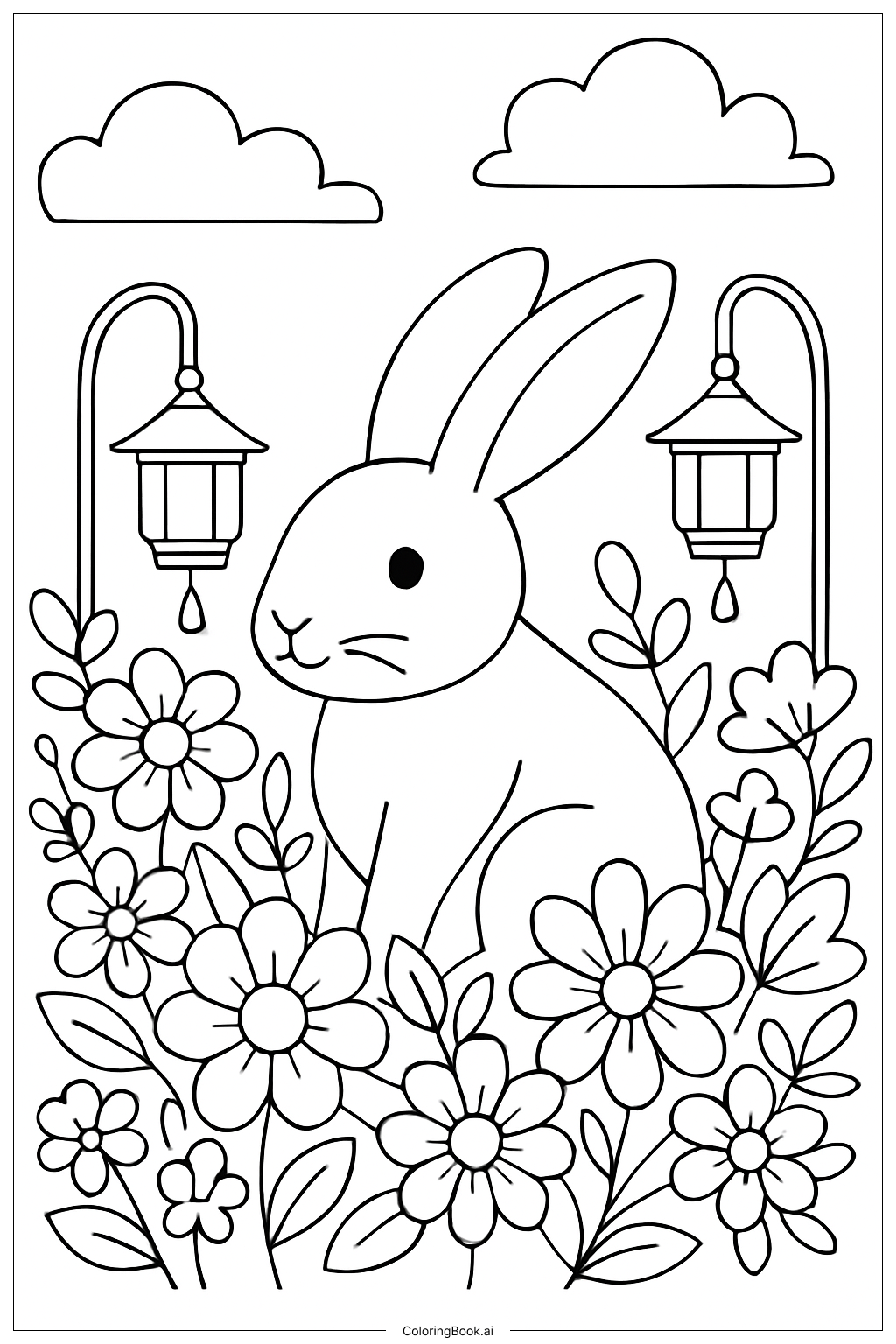
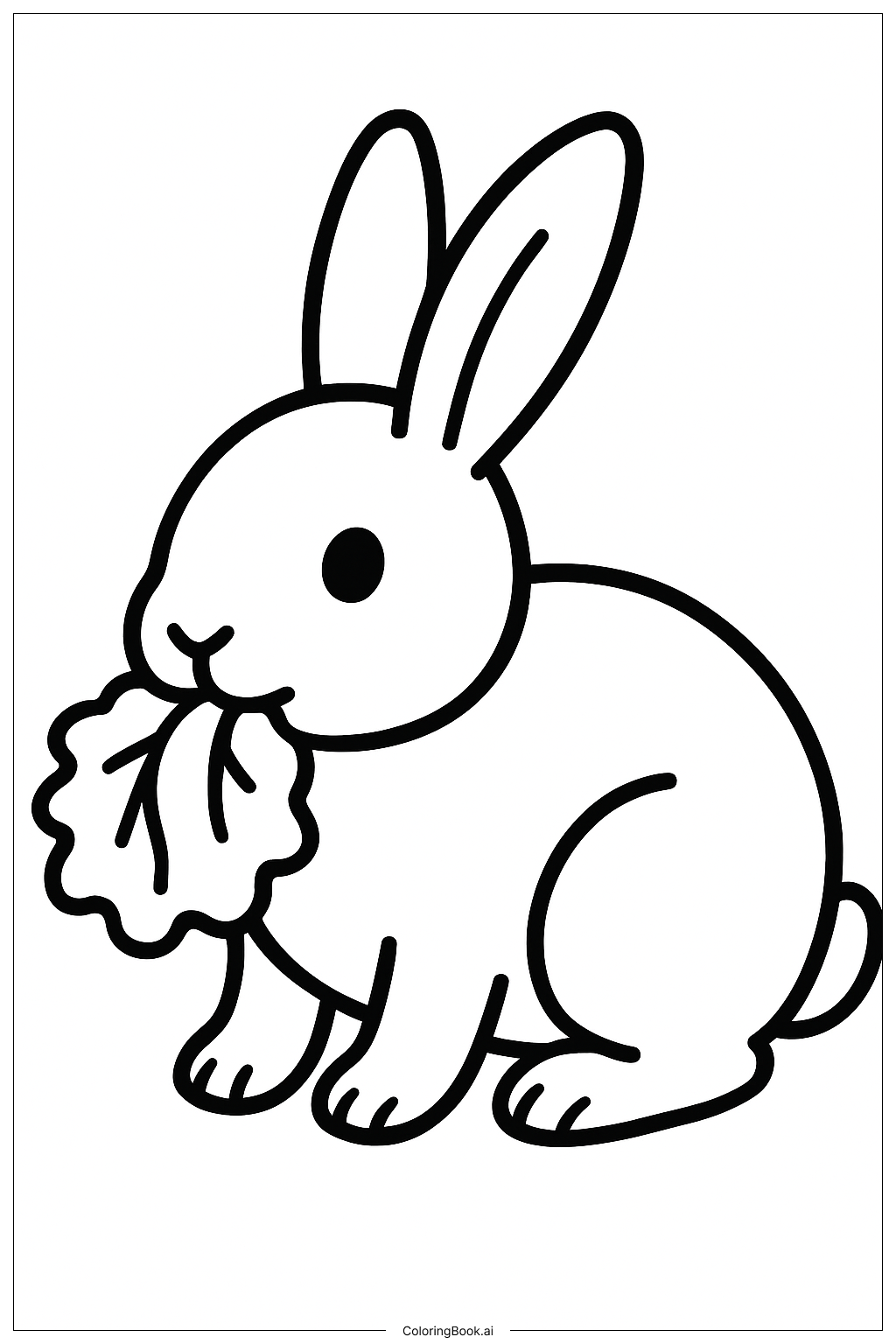
When coloring the rabbit, consider using shades of gray, brown, or white for the fur. You can use a light color for the body and add darker shades for shadows and depth. For the rabbit’s ears, a soft pink inside can add a lovely touch. The lettuce can be colored green, with light and dark shades to make the leaves look fresh and realistic. Try adding some yellow or orange to the background to make the scene brighter. Get creative with colors to make it unique!
Coloring challenges: Which parts are difficult to color and need attention for Rabbit Eating Lettuce coloring page?
1. Coloring the rabbit's fur: The rabbit has soft, fluffy fur, so blending colors can be tricky. Use light strokes with colored pencils or pastels to create a smooth texture. 2. Adding detail to the lettuce: The leaves are layered and have curves, requiring careful coloring to show depth. Focusing on the shadows and highlights will make it more realistic. 3. Creating contrast: Balancing the colors between the rabbit and the lettuce is important. Ensure the rabbit stands out against the green leaves, which may involve using a lighter or darker shade for better contrast. 4. Staying within the lines: Younger children may find it challenging to stay within the lines, especially with fine details. Encouraging them to take their time can help improve their control. 5. Using multiple colors: Combining different shades for the lettuce needs some practice. Explaining color mixing can help children experiment and learn different techniques.
Benefits of coloring books: Advantages of drawing Rabbit Eating Lettuce coloring page
Coloring this page can offer many benefits. First, it helps develop fine motor skills as children practice holding crayons or colored pencils. It also encourages creativity, allowing kids to choose colors and imagine their own versions of the scene. Coloring can be a relaxing activity, helping reduce stress and promote focus. Additionally, it opens up conversations about nature and animals, inspiring curiosity and learning. Children can also share their finished work, building confidence and a sense of accomplishment.