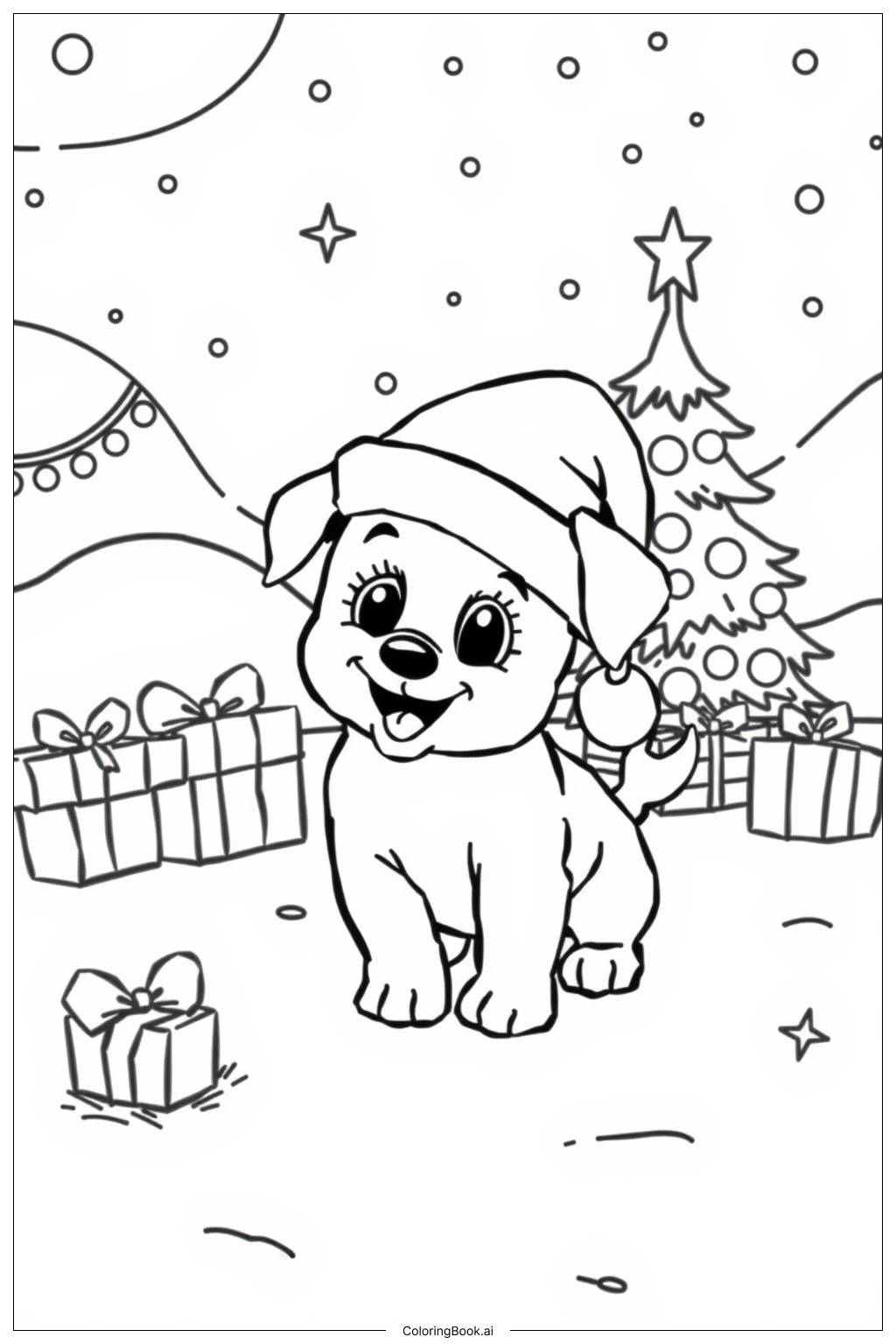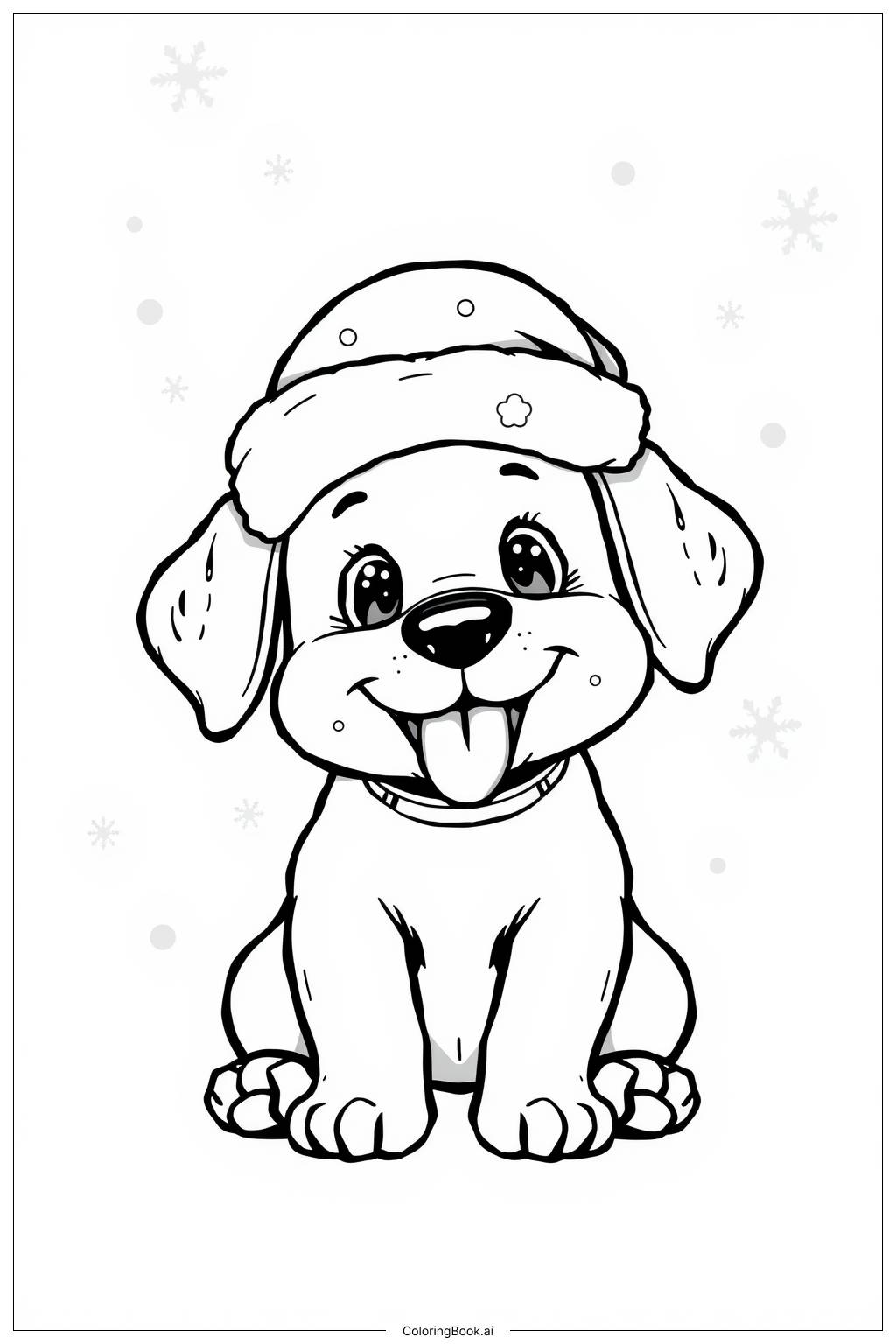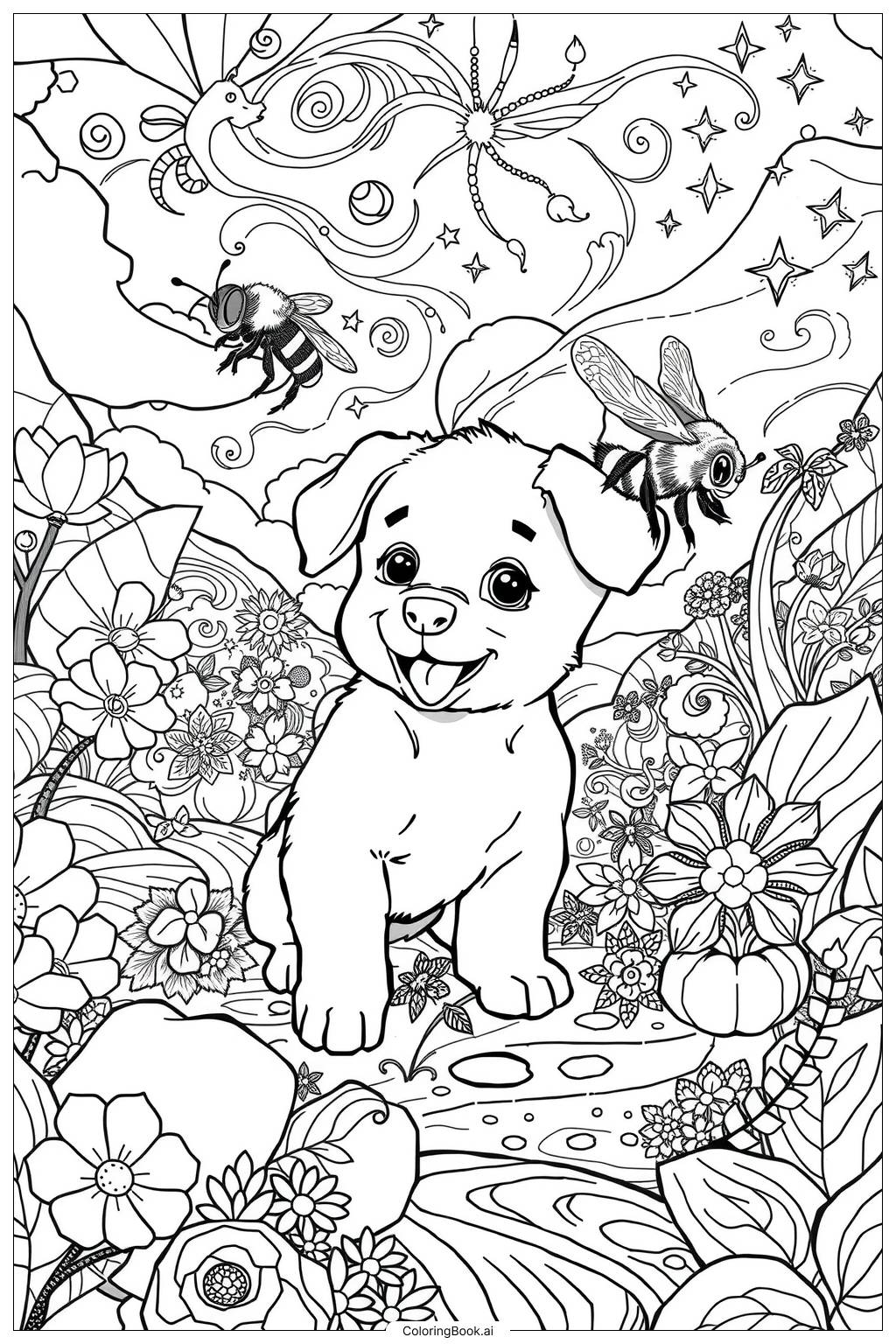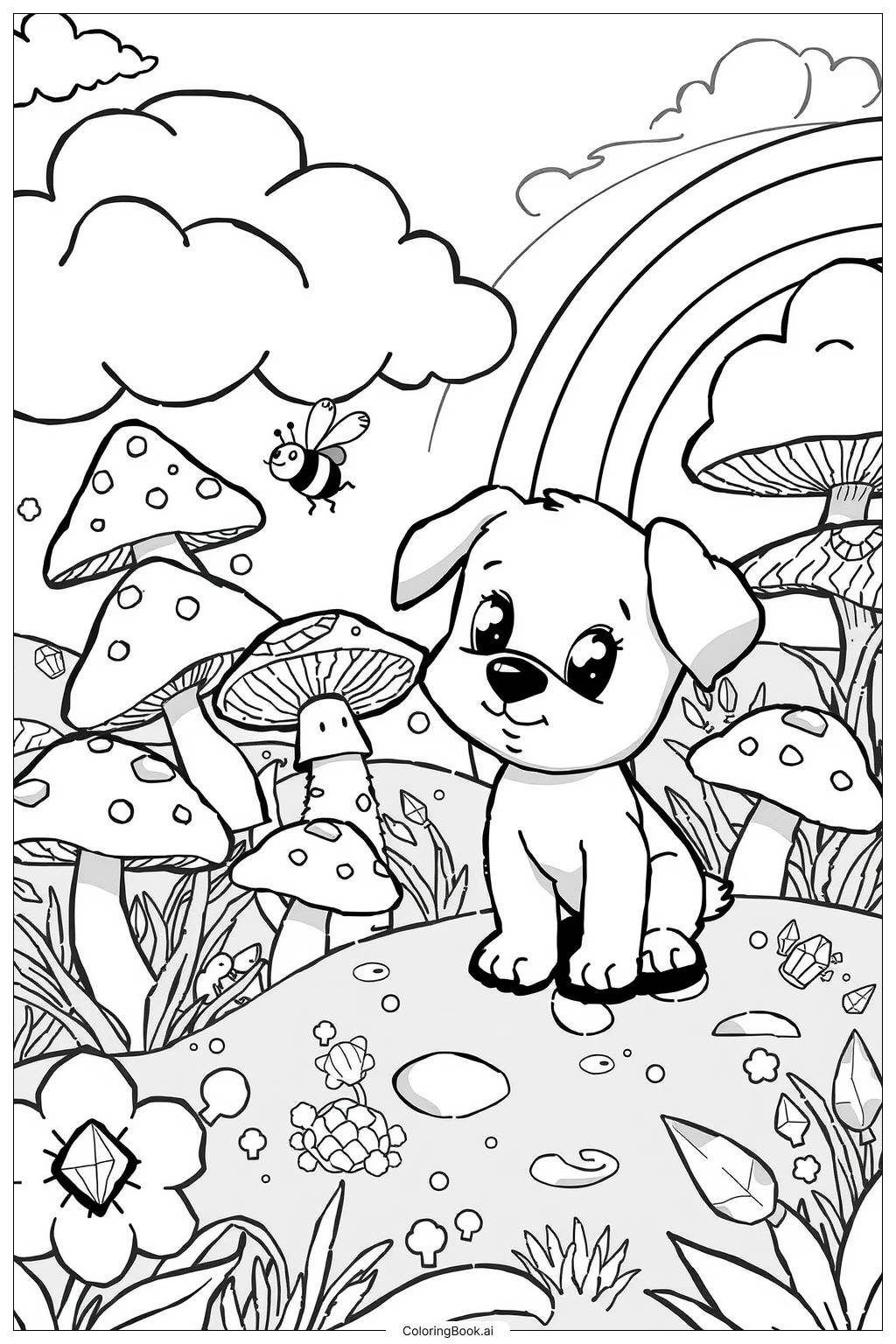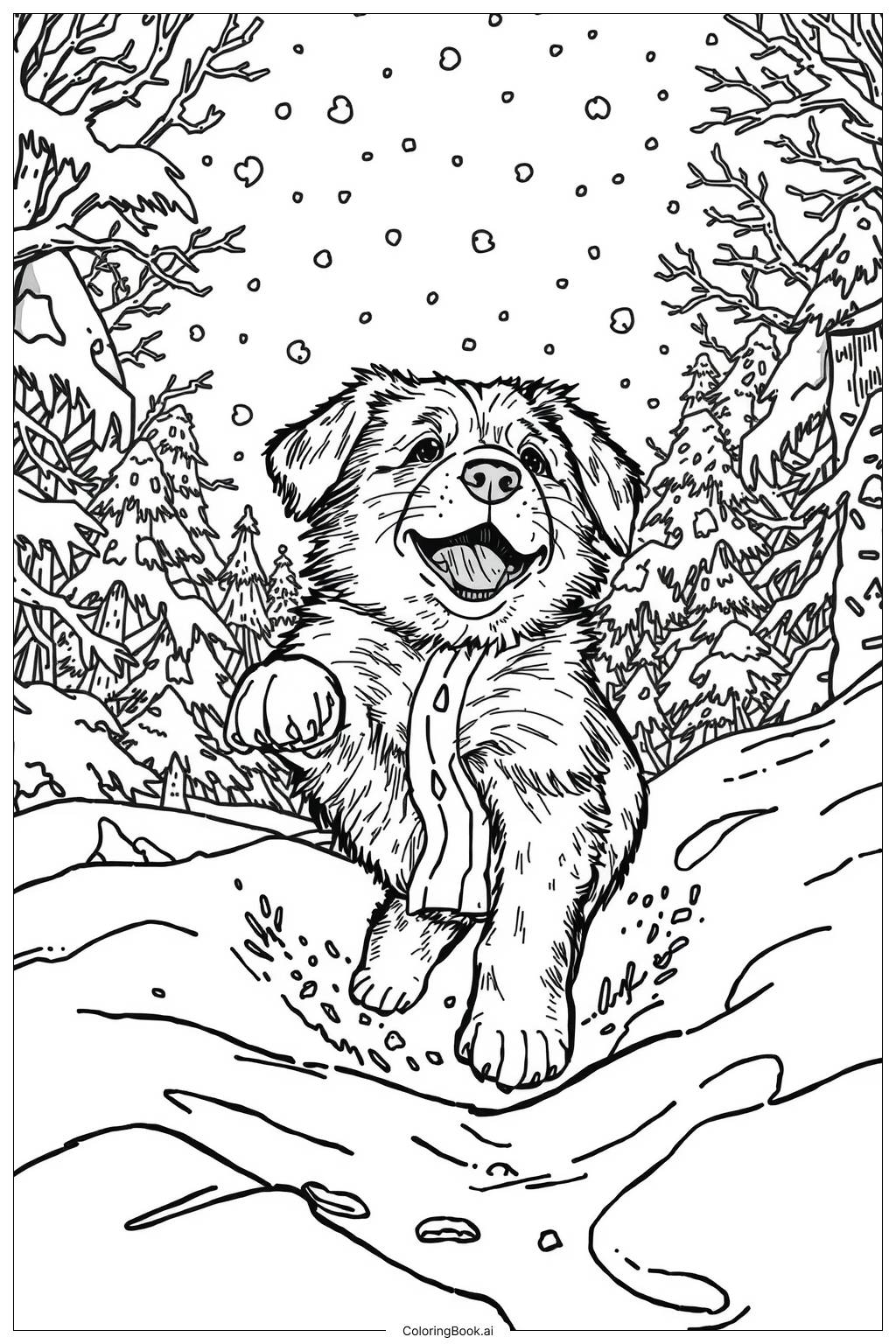
Coloring tips: How to color Realistic Puppy Playing in the Snow coloring page well?
Start with the puppy's fur. Use warm tones like golden yellow, cream, or light brown for a natural look. Add darker shading along the edges of the fur to give it depth and a fluffy texture. For the eyes, use rich dark brown with a small white highlight to make them look alive and shiny. Color the nose a soft pink or dark brown. For the snow, use pure white as your base. Then add very light blue or lavender shadows in the dips and curves of the snow to show depth. Keep the snowflakes mostly white with a faint icy blue tint. The background can be a soft pale blue or gray to suggest a cold winter sky. This contrast will make the warm-toned puppy pop against the cool snowy setting. Take your time blending colors gently for a smooth, realistic finish.
Coloring challenges: Which parts are difficult to color and need attention for Realistic Puppy Playing in the Snow coloring page?
• Fur Texture and Layering: Recreating the look of realistic fluffy fur is one of the biggest challenges. You need to use short, overlapping strokes that follow the direction of the fur growth. Layering multiple shades of the same color family, from light to dark, helps create dimension. Without careful layering, the fur can look flat and dull instead of soft and three-dimensional.
• Snow Shading and Depth: Snow may look simple, but coloring it realistically requires skill. Pure white alone makes the snow appear flat. You need to add cool shadows using pale blue, lavender, or light gray in the hollows and around the puppy's paw prints. Getting the balance right between bright highlights and subtle shadows takes patience and a careful hand.
• Expressive Eyes: The eyes are the emotional center of this image. Coloring them realistically means building up layers of dark brown, adding a deep black pupil, and leaving or adding a small white highlight. If the highlight is missed or the layers are too heavy, the eyes can lose their lifelike sparkle and warmth.
• Contrast Between Puppy and Snow: Keeping the puppy visually separate from the snowy background is tricky. The light colors of the fur and the white snow can blend together. You need to use slightly warmer or darker tones on the puppy's outline and cooler, bluer tones on the snow to maintain clear separation and keep the puppy as the main focal point.
• Fine Details in Snowflakes: Small snowflakes require steady hands and very fine tools. Each flake has a delicate structure, and coloring them without smudging or over-filling the tiny spaces needs concentration and precision.
Benefits of coloring books: Advantages of drawing Realistic Puppy Playing in the Snow coloring page
Coloring this image of a puppy playing in the snow brings many wonderful benefits for kids and adults alike. For younger children, it helps develop fine motor skills as they carefully color the puppy's fur, the snow, and tiny snowflake details. Staying within the lines and switching between colors also builds focus and concentration. For older kids and teens, the challenge of realistic shading and blending encourages creative thinking and artistic skill. Choosing the right colors for fur, shadows, and snow teaches basic color theory in a fun and hands-on way. For adults, coloring this peaceful winter scene offers a calming, meditative experience that helps reduce stress and quiet a busy mind. The repetitive, gentle motion of coloring can lower anxiety and bring a sense of accomplishment when the page is complete. Across all ages, this image sparks a connection to the simple joy of nature and animals. It can also spark conversations about seasons, winter weather, and caring for pets. Whether you color it for fun, relaxation, or learning, this puppy scene is a rewarding and heartwarming coloring experience for everyone.