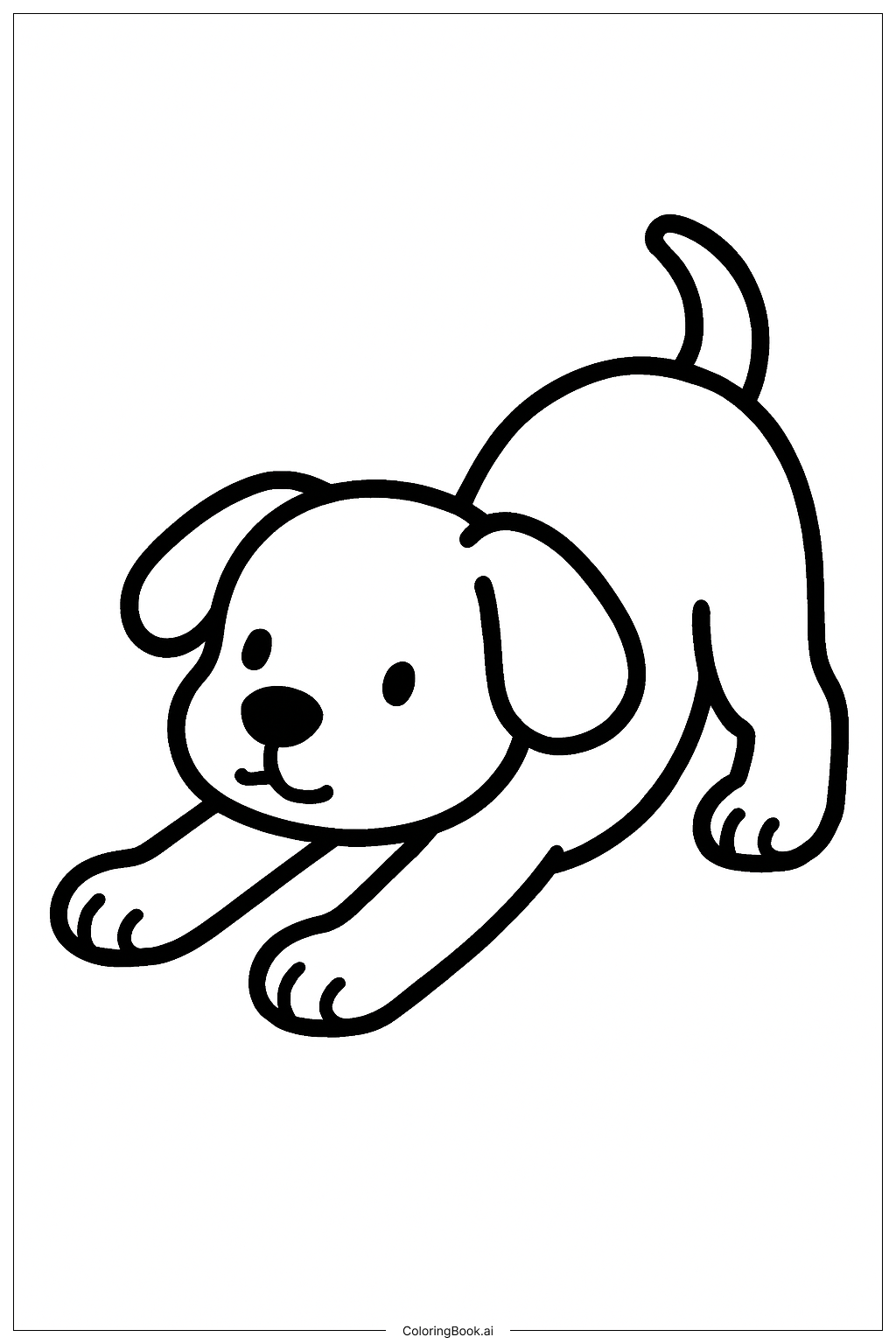
Coloring tips: How to color Puppy Dog Stretching coloring page well?
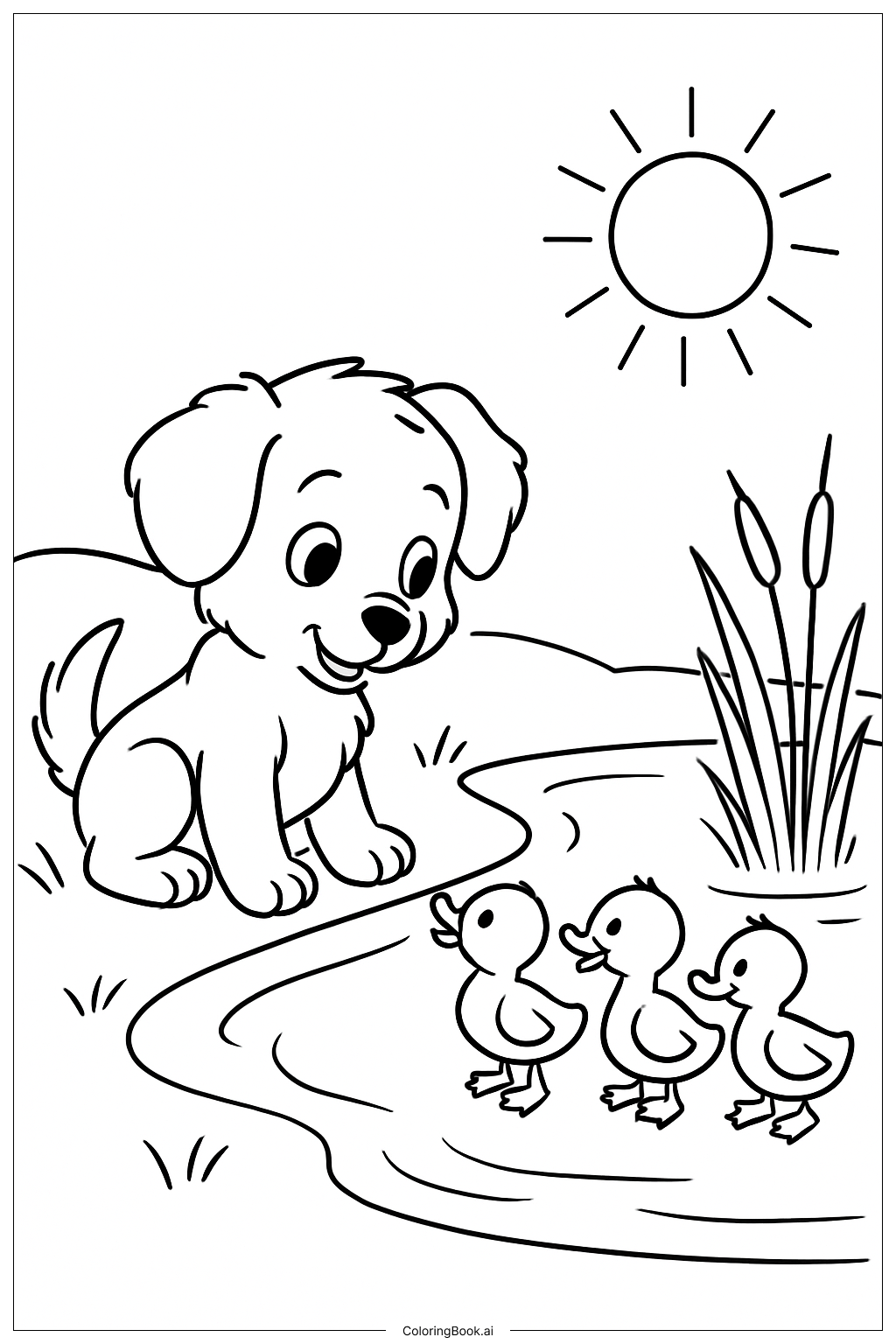
Start with the puppy's body using a warm, light base color. Golden yellow, cream, or soft brown all work beautifully for a classic puppy look. You could also try a spotted coat — use white as the base and add patches of brown or black for a dalmatian or beagle style. Color the ears a slightly darker shade than the body to give them depth. Use a soft pink for the inner ear areas, the nose, and the tongue if visible. The eyes look great in deep brown or hazel with a tiny white highlight dot to make them shine. For the paws, keep them a little lighter than the legs to show the soft paw pads underneath. Add a light gray or tan to the belly area for a natural gradient effect. Kids can have fun experimenting with fantasy colors too — a purple polka-dotted puppy or a rainbow-striped dog makes the page wonderfully unique and imaginative.
Coloring challenges: Which parts are difficult to color and need attention for Puppy Dog Stretching coloring page?
Coloring this stretching puppy page is fun, but a few areas need extra care and attention. Here are the main challenges to watch out for:
• Body Proportions and Shading: The puppy's body is at an angle because it is stretching, which means different parts of the body are at different heights. Keeping your colors consistent across the whole body while also showing light and shadow on raised and lowered areas can be tricky for younger colorists.
• Floppy Ear Detail: The ears hang forward and have soft folds in them. Coloring these neatly to show the curve and shadow inside the ear fold requires a steady hand and a slightly darker shade in the fold lines to give a natural three-dimensional look.
• Tiny Facial Features: The puppy's face has small details — eyes, nose, and mouth — placed closely together. Staying inside these tiny areas without smudging into neighboring sections takes patience and a fine-tipped colored pencil or marker.
• Fluffy Fur Texture: To make the puppy look truly soft and fluffy, short overlapping strokes work better than flat solid fills. This technique takes more time and practice, especially around the chest, ears, and tail where the fur appears thickest.
• Paw Details: The front paws are stretched out and show individual toe lines. Carefully coloring each toe segment without muddling the lines keeps the paws looking clean and realistic, which can be challenging for beginners.
Benefits of coloring books: Advantages of drawing Puppy Dog Stretching coloring page
Coloring this cute stretching puppy page offers wonderful benefits for kids and families alike. First, it builds fine motor skills. Carefully filling in the puppy's small facial features, fur lines, and paw details strengthens hand muscles and improves pencil control — skills that directly support handwriting and drawing. Second, it encourages creativity and self-expression. Choosing colors, inventing a unique coat pattern, and deciding on a background all let children make the page their own, building confidence in their creative choices. Third, it teaches focus and patience. Staying inside the lines and working through all the small details requires concentration, helping children practice sitting with a task from start to finish. Fourth, coloring is calming. The repetitive, gentle motion of coloring has a soothing effect that can reduce stress and anxiety in both children and Adults. Finally, this puppy theme sparks conversations about animals, pets, and caring for living creatures, making it a great activity to enjoy together with a parent or teacher. It is a simple, screen-free activity with lasting developmental value.