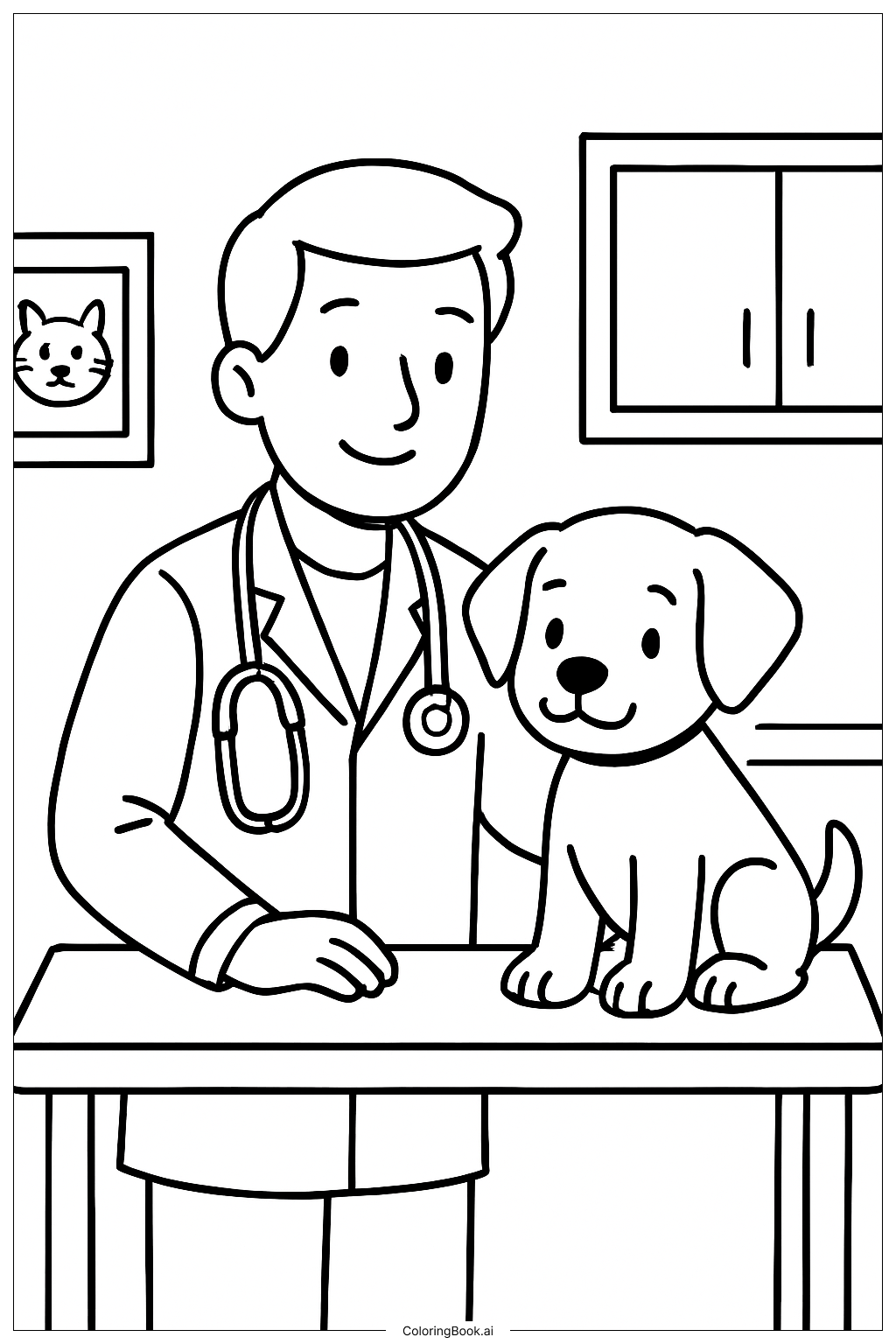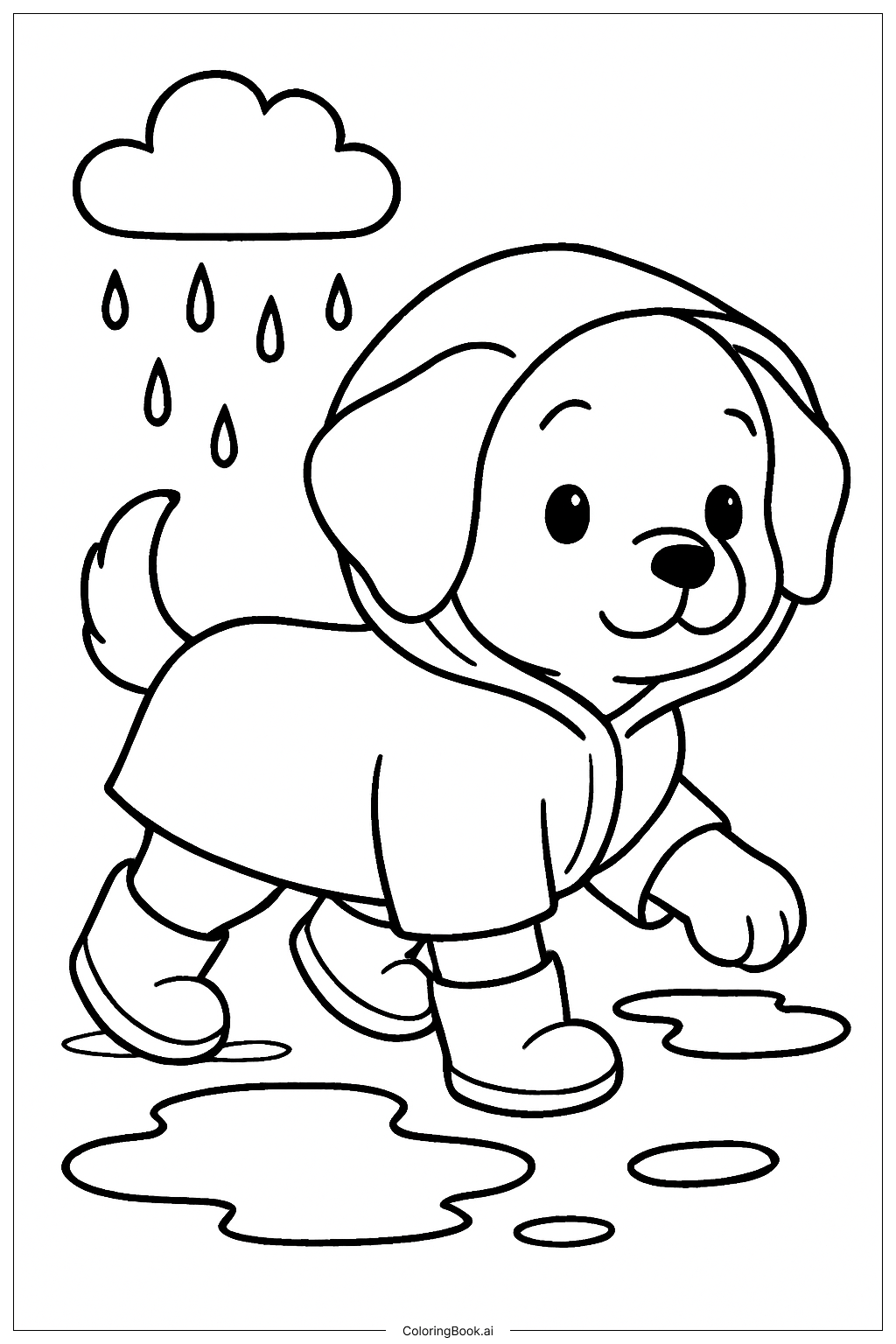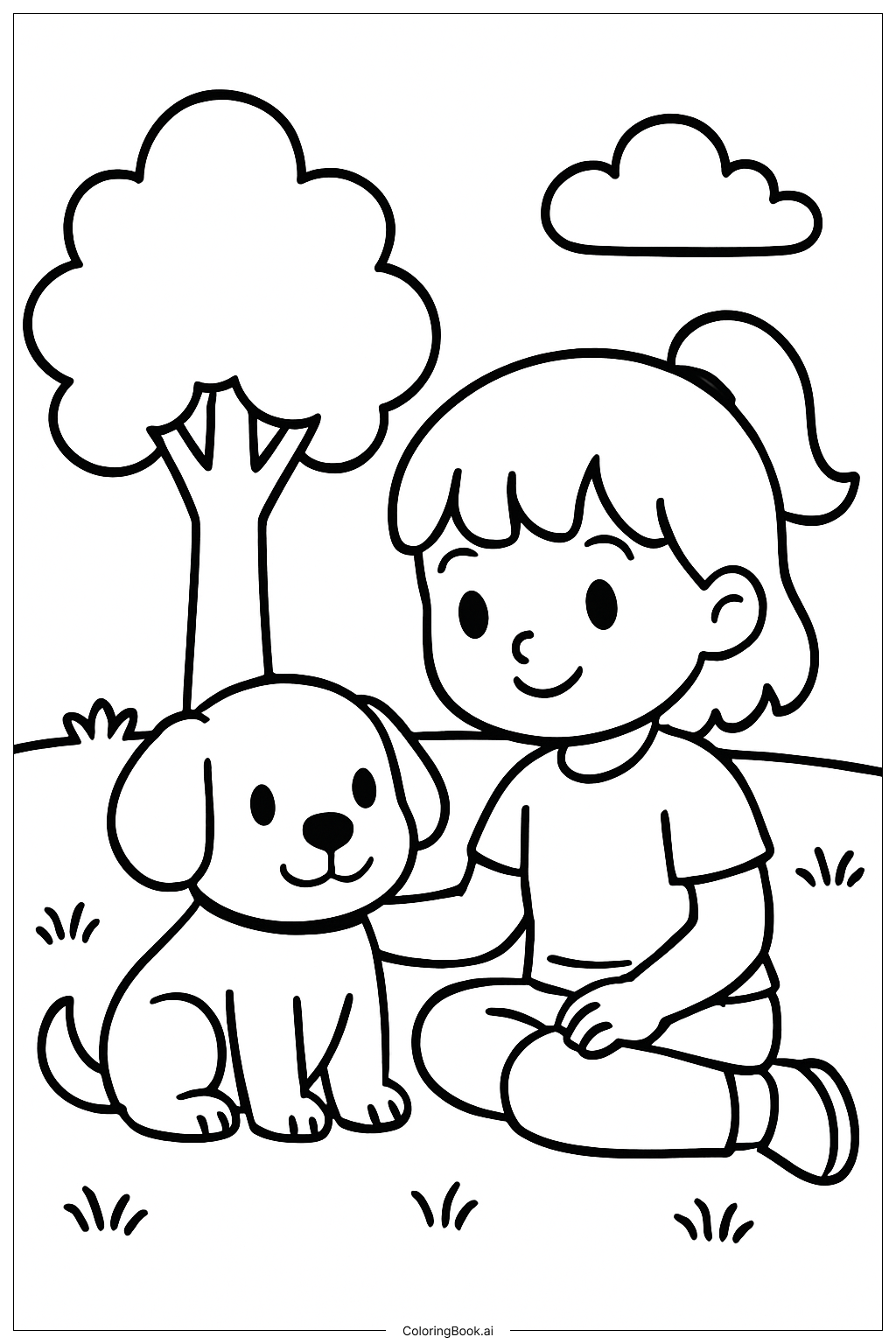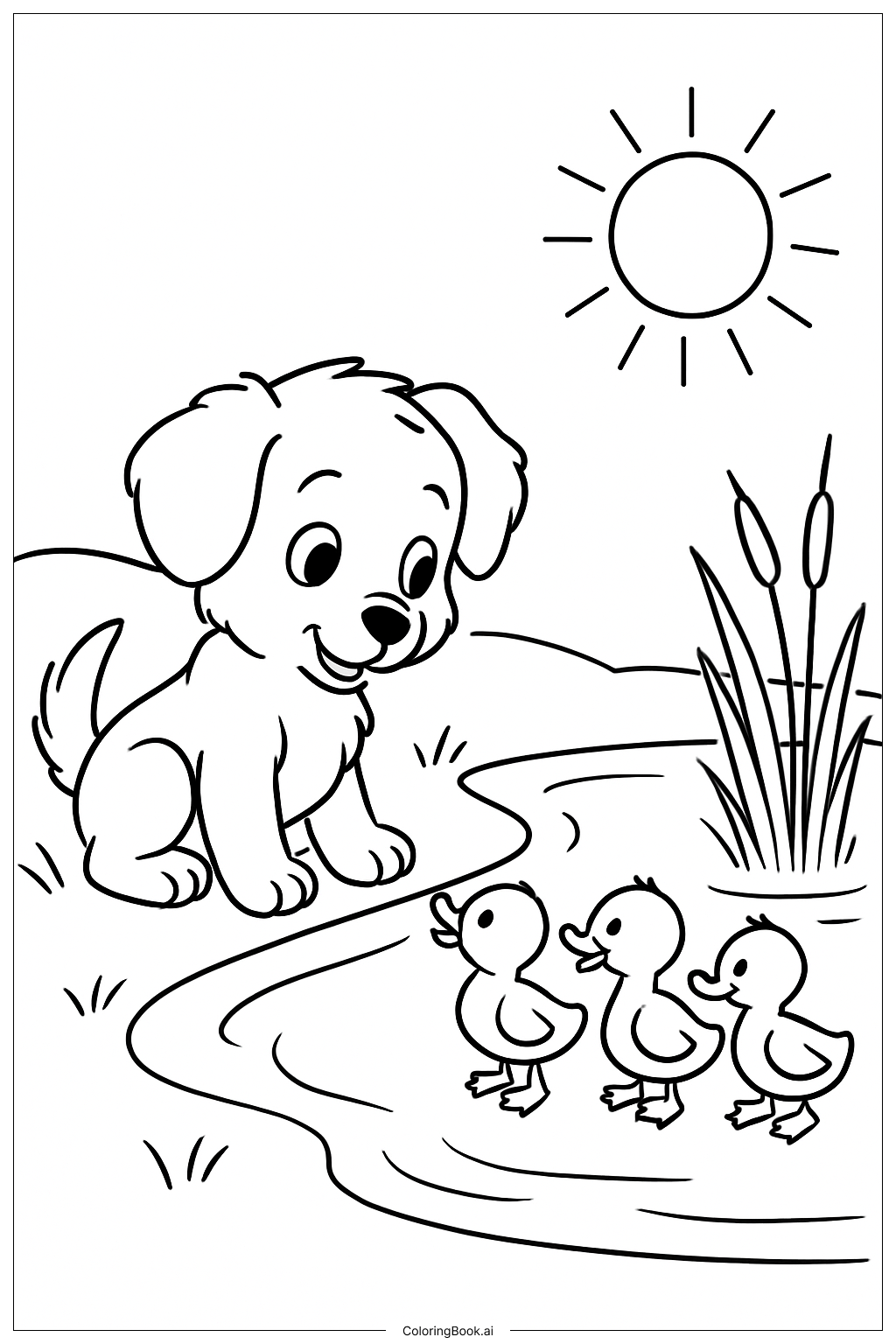
Coloring tips: How to color Puppy Dog Looking Curious coloring page well?
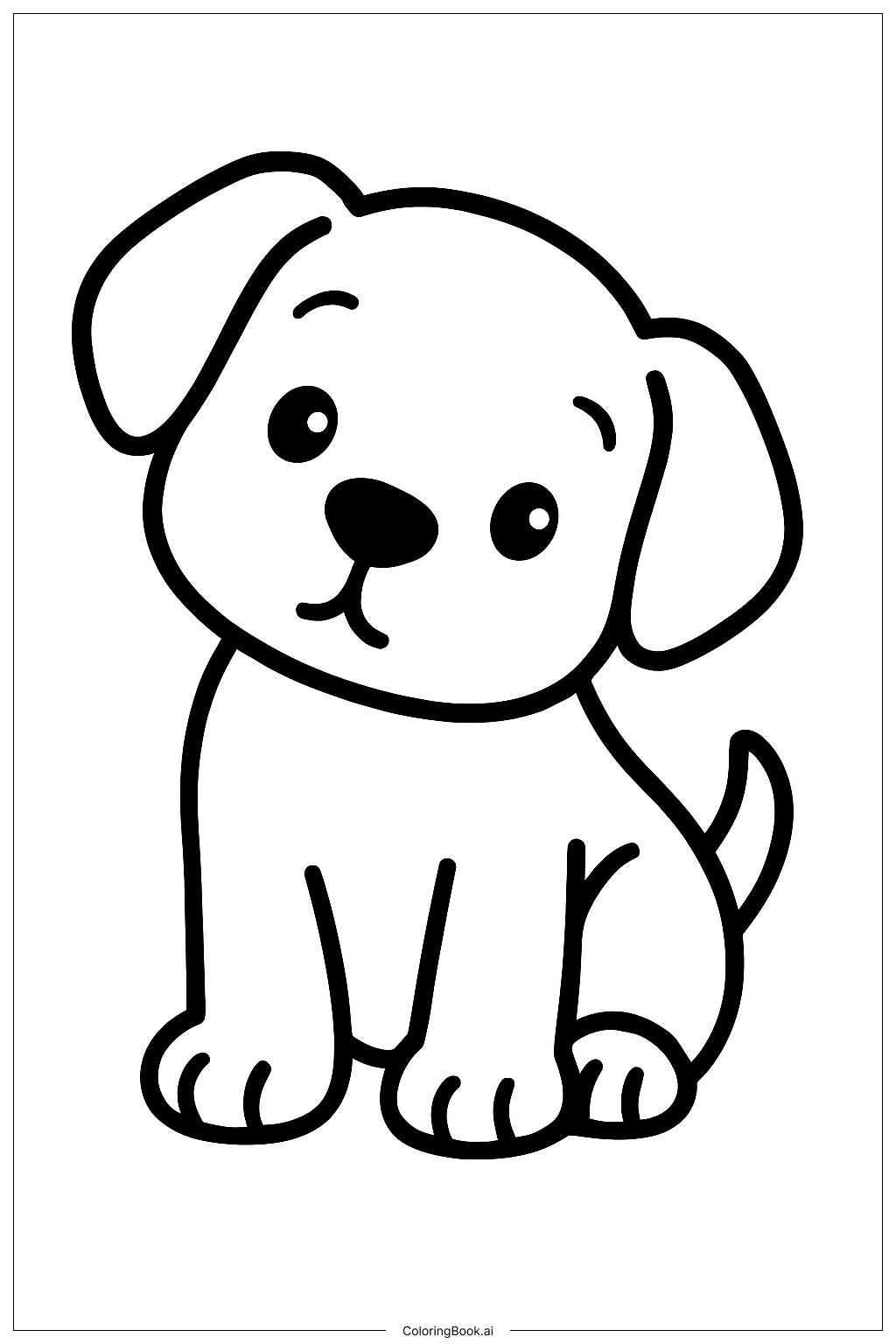
Start with the puppy's fur. Golden yellow, warm brown, or soft cream all work beautifully. You can mix two shades to show where the fur is lighter on the belly and darker on the back. Use a light peach or soft pink for the inner ears and the nose area. The eyes are a great place to add sparkle — try a rich brown or hazel, then leave a tiny white dot uncolored to make them look shiny and alive. For the tongue, if visible, use a cheerful pink. Keep the background simple with a light sky blue, pale green for grass, or leave it white so the puppy really pops. Use light, gentle strokes for the fur to give it a soft, fluffy texture. Younger kids can use bold, solid colors, while older kids can try blending and shading to make the fur look more realistic. Have fun and make this puppy uniquely yours!
Coloring challenges: Which parts are difficult to color and need attention for Puppy Dog Looking Curious coloring page?
• Fur Texture and Layering: The puppy's coat is made up of many overlapping lines that suggest fluffy fur. Staying within these small sections while building up layers of color to create depth and softness can be tricky, especially for younger children. Taking it slow and using short, feathery strokes will help the fur look natural rather than flat.
• Facial Details and Expression: The face is the most expressive part of the image. The eyes, nose, and mouth are close together and relatively small, making it easy for colors to bleed into each other. Carefully coloring each feature separately and letting each area dry before moving to the next will help preserve the puppy's curious, lively expression.
• Shading Around the Ears: The inner ear typically has a softer, pinker tone compared to the outer fur. Blending two different colors in a small, curved space requires steady hands and good color control. Using a lighter touch near the edges helps the transition look smooth and realistic.
• Consistent Color Tones Across the Body: Keeping the fur color consistent and believable across the whole body, from the head down to the paws, takes planning. It helps to decide on your main color first, then choose a slightly darker shade for shadows under the chin, behind the legs, and near the tail.
• Tiny Paw Details: The paws have small toes and subtle outline lines that are easy to overlook. Coloring them carefully with a fine-tipped tool adds a polished finish to the overall picture and makes the puppy look complete and well-crafted.
Benefits of coloring books: Advantages of drawing Puppy Dog Looking Curious coloring page
Coloring this curious puppy page offers a wonderful mix of fun and learning for kids of all ages. Choosing colors for the fur, eyes, and nose helps children develop their decision-making skills and builds confidence in their creative choices. The act of staying within the lines and handling small details like the paws and face strengthens fine motor skills and improves hand-eye coordination, which are important for writing and everyday tasks. Focusing on a single image for an extended period also trains attention and patience, helping children practice staying calm and engaged. The puppy's adorable expression naturally sparks joy and can lift moods, making this a great activity for winding down after a busy day. For children who love animals, coloring a dog they recognize and relate to adds an emotional connection that makes the experience even more rewarding. Parents and kids can color together, sharing color ideas and talking about the puppy, which builds communication and bonding. Overall, this page turns a simple, playful activity into a meaningful moment of growth, creativity, and happiness.