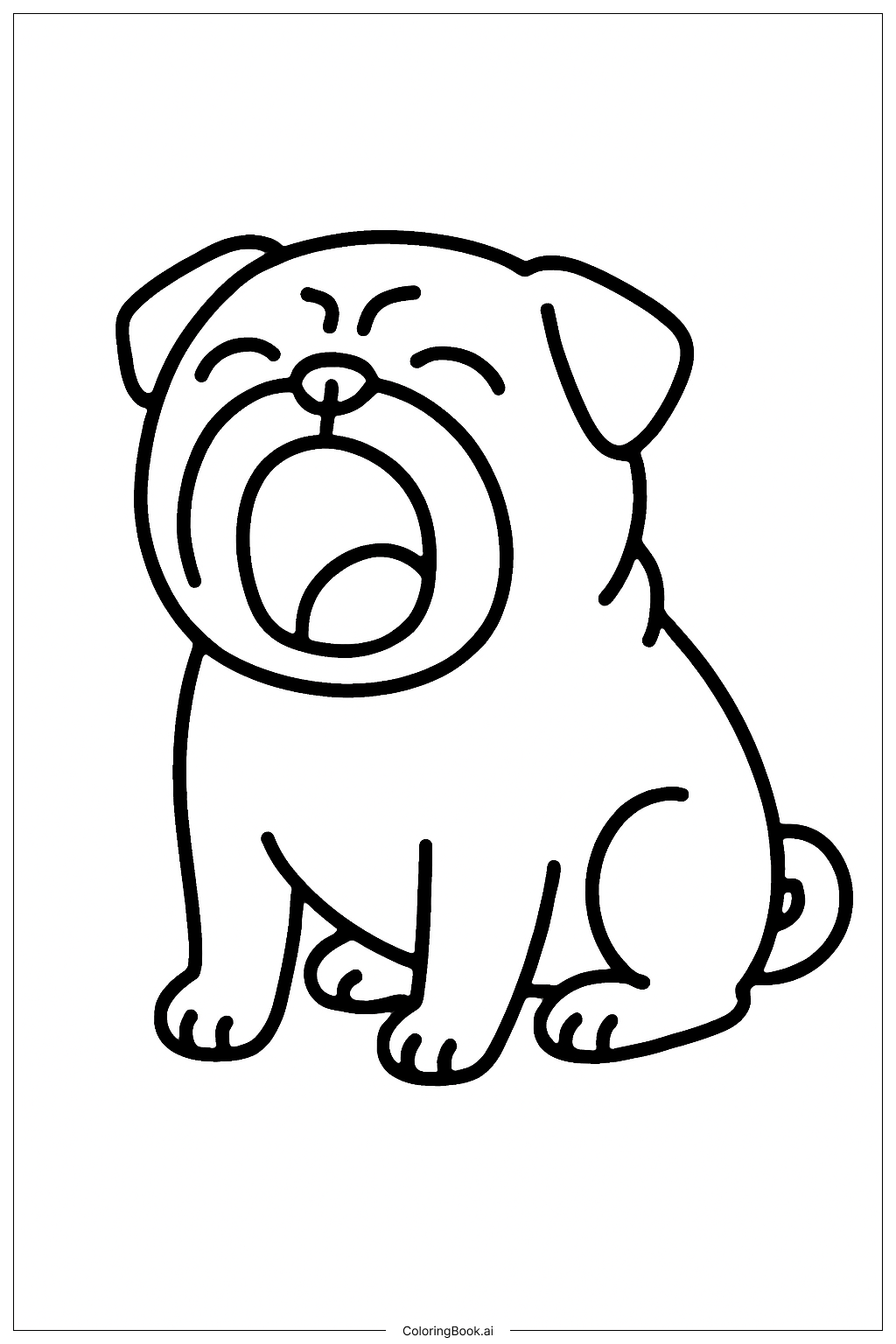
Coloring tips: How to color Pug Yawning coloring page well?
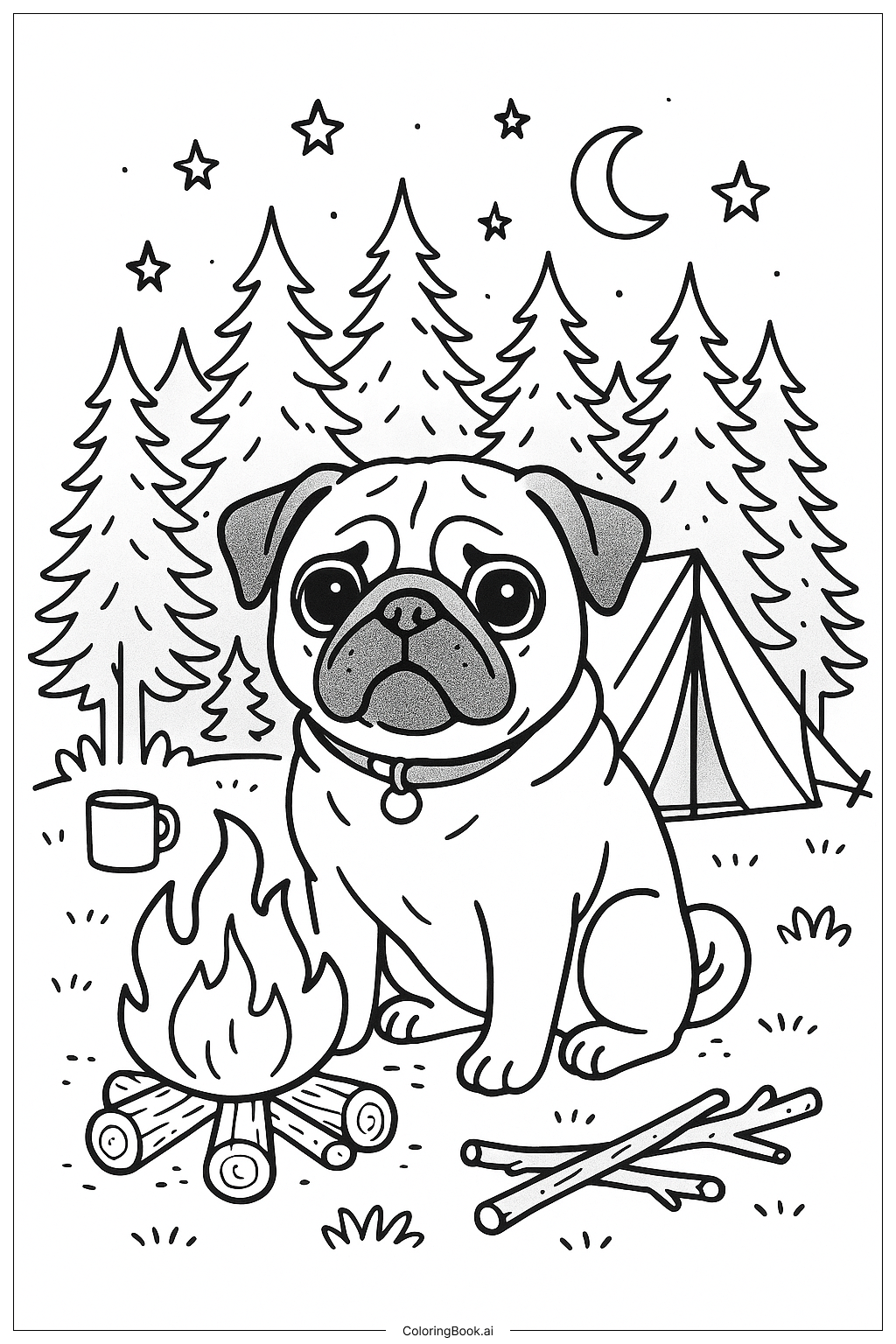
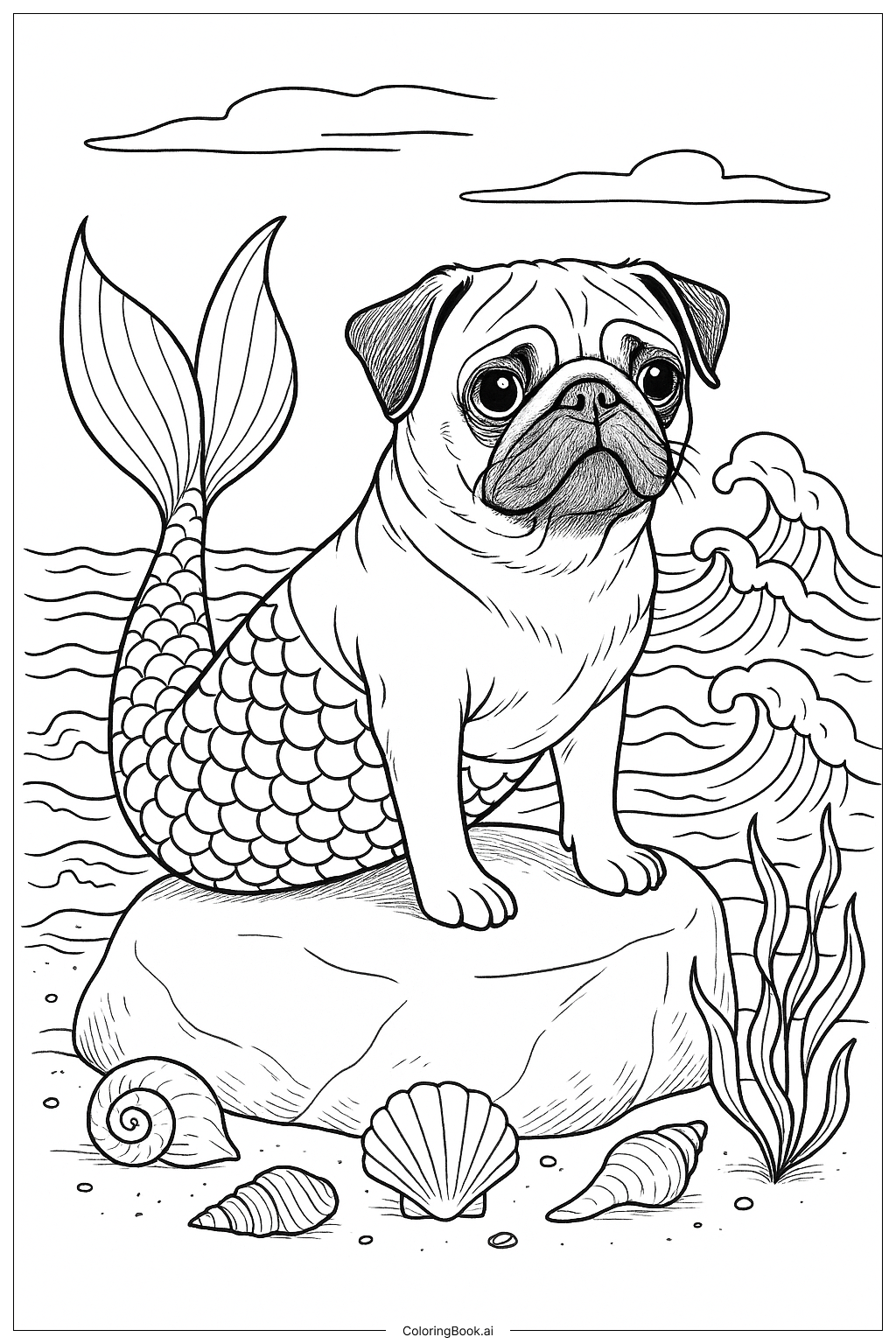
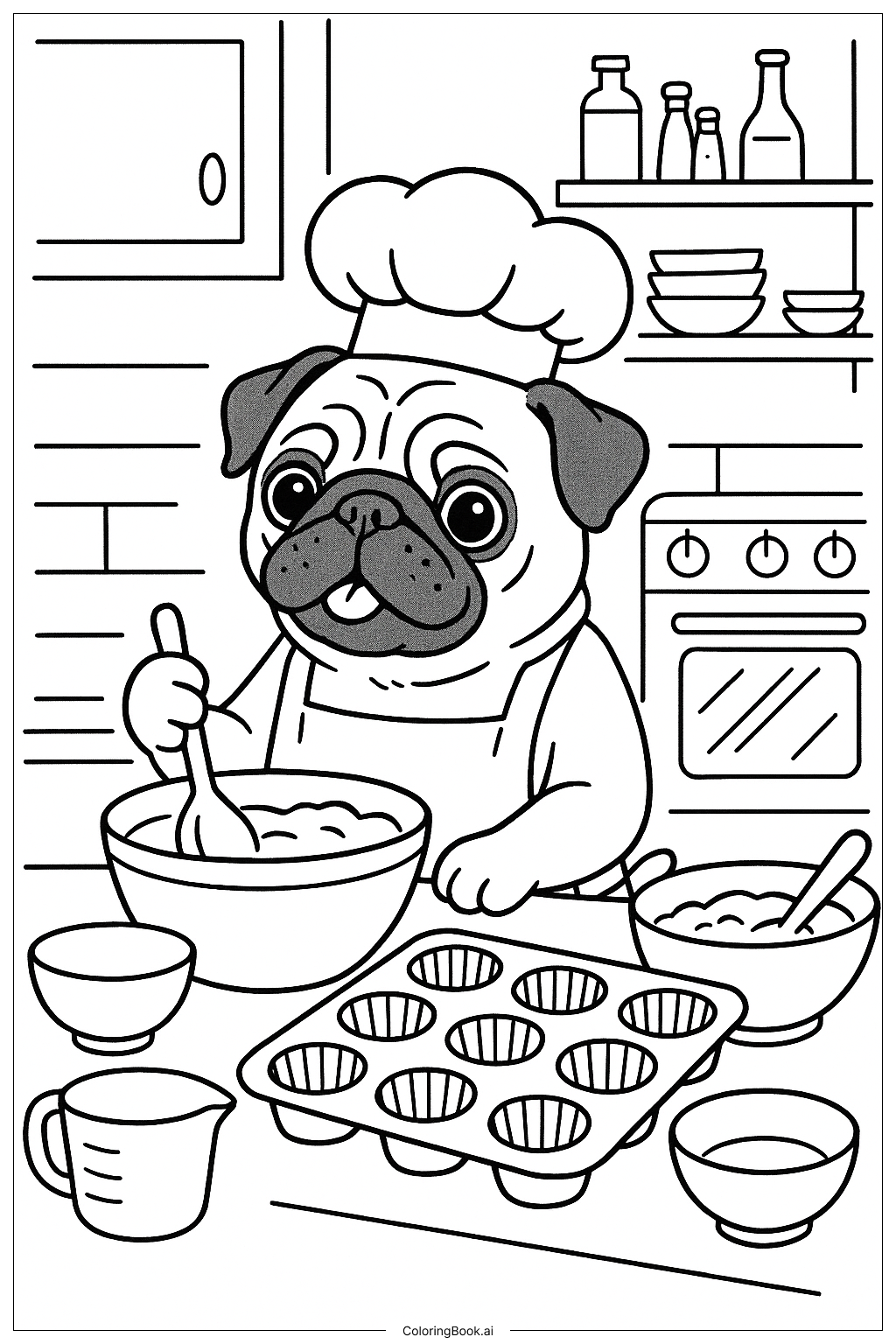
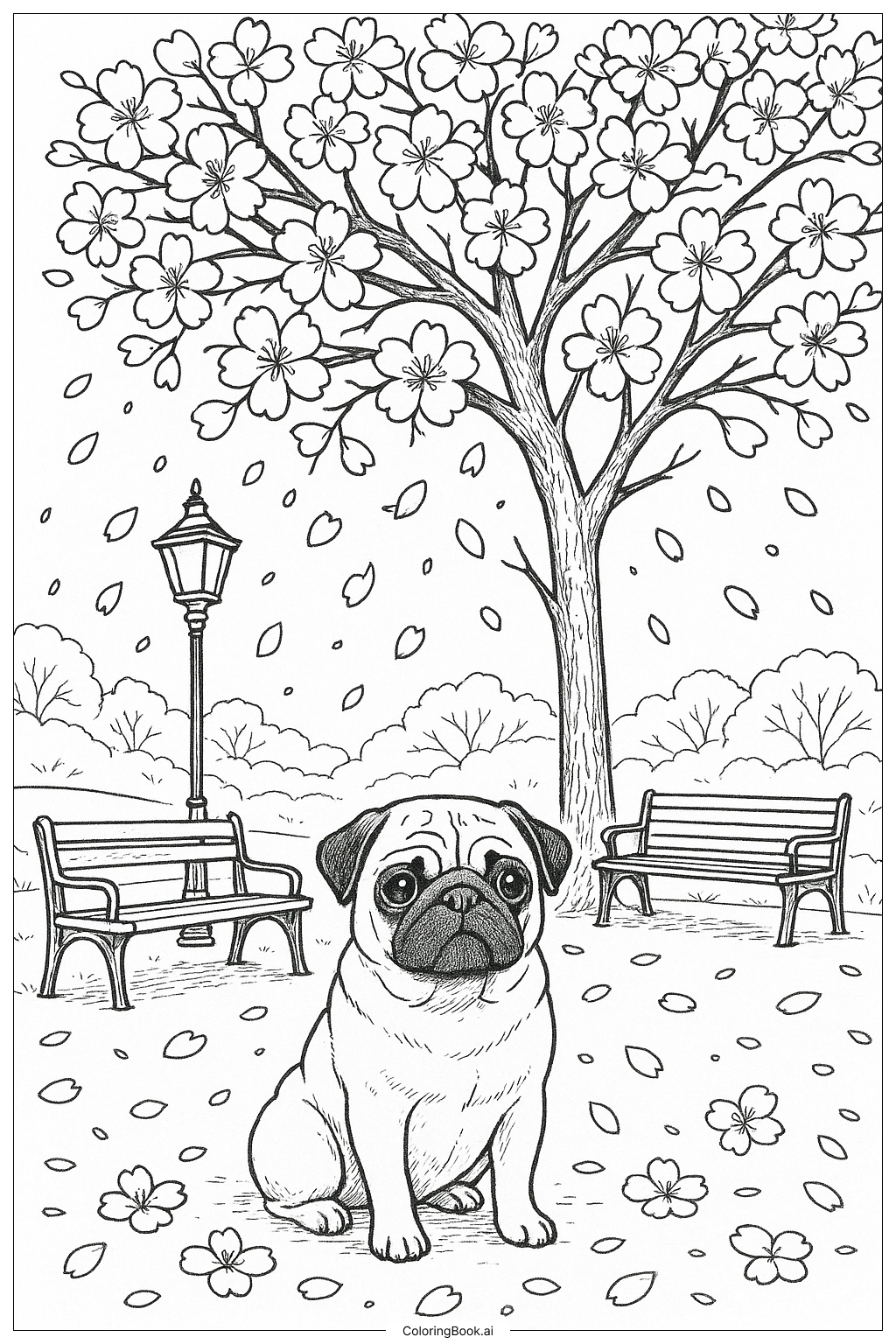
Use light brown or beige for the pug’s body to create a warm and soft look. Darker brown or black can be used for the ears, nose, and the inside of the mouth. Add a little pink inside the mouth to show the tongue and throat. Use gray or a slightly darker shade for the wrinkles on the face and legs to add depth. For the eyes, color them dark but leave some white spots to make them look shiny. Feel free to add a light blue or green background to make the pug stand out more. Use soft colors for the background to keep the focus on the yawning pug.
Coloring challenges: Which parts are difficult to color and need attention for Pug Yawning coloring page?
1. Coloring the wrinkles on the pug’s face can be tricky because they are small and close together. It requires careful coloring to avoid mixing colors outside the lines.
2. The inside of the mouth has curved shapes which might be challenging to fill evenly, especially the tongue area.
3. Coloring the ears and nose with darker shades while keeping neat edges might need steady hands.
4. The small details on the paws need attention for precise coloring.
5. Balancing colors so the pug looks natural without making the colors too dark or too light can be a challenge.
Benefits of coloring books: Advantages of drawing Pug Yawning coloring page
Coloring this yawning pug helps children develop fine motor skills by practicing careful strokes in small areas like wrinkles and paws. It encourages attention to detail and patience because some parts need precise coloring. The simple shape of the pug allows kids to experiment with different shades of brown and other colors to express creativity. Coloring this image also promotes relaxation and can be a fun way to learn about animals and their behaviors, like yawning. Overall, it supports both artistic development and calmness.