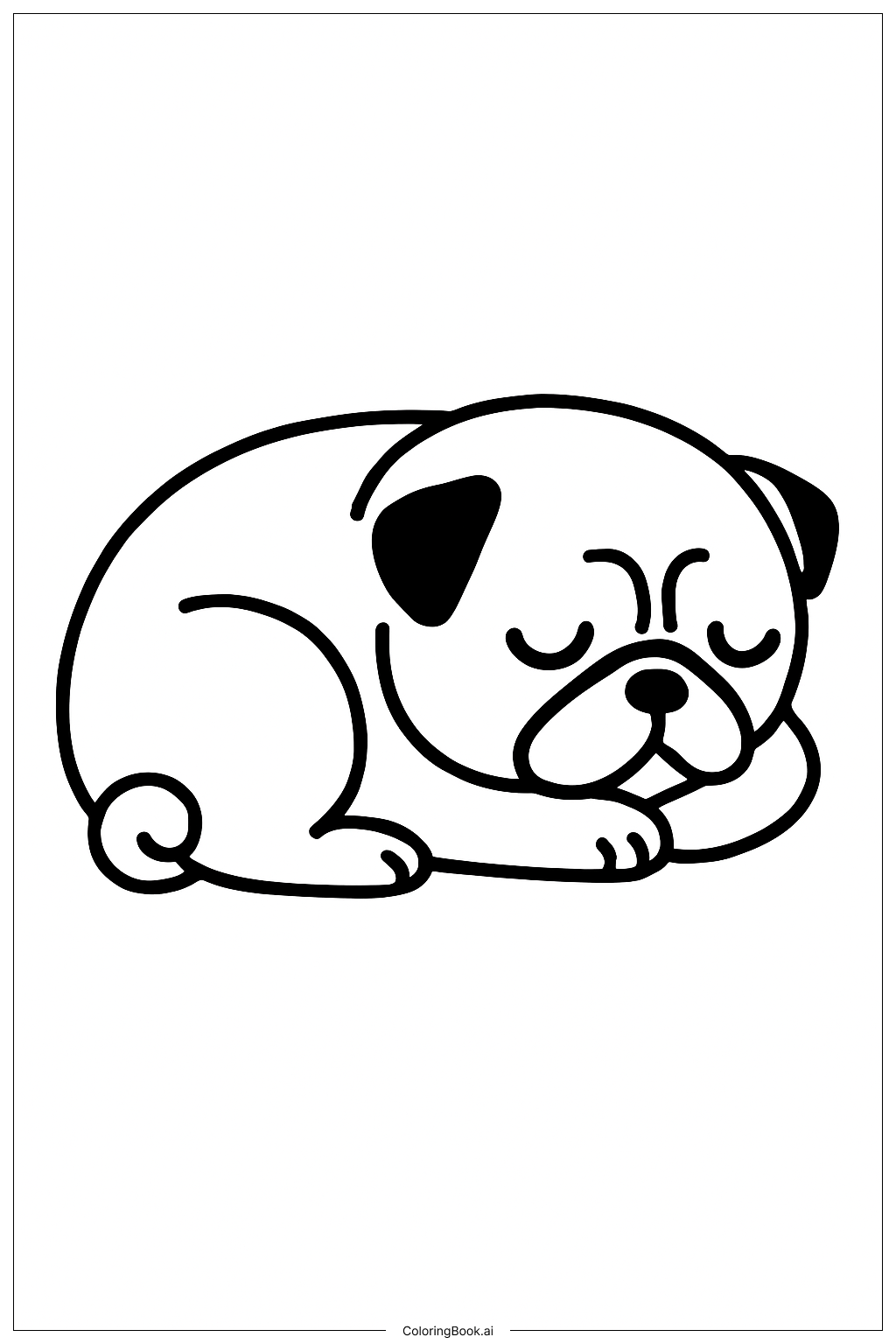
Coloring tips: How to color Pug Sleeping coloring page well?
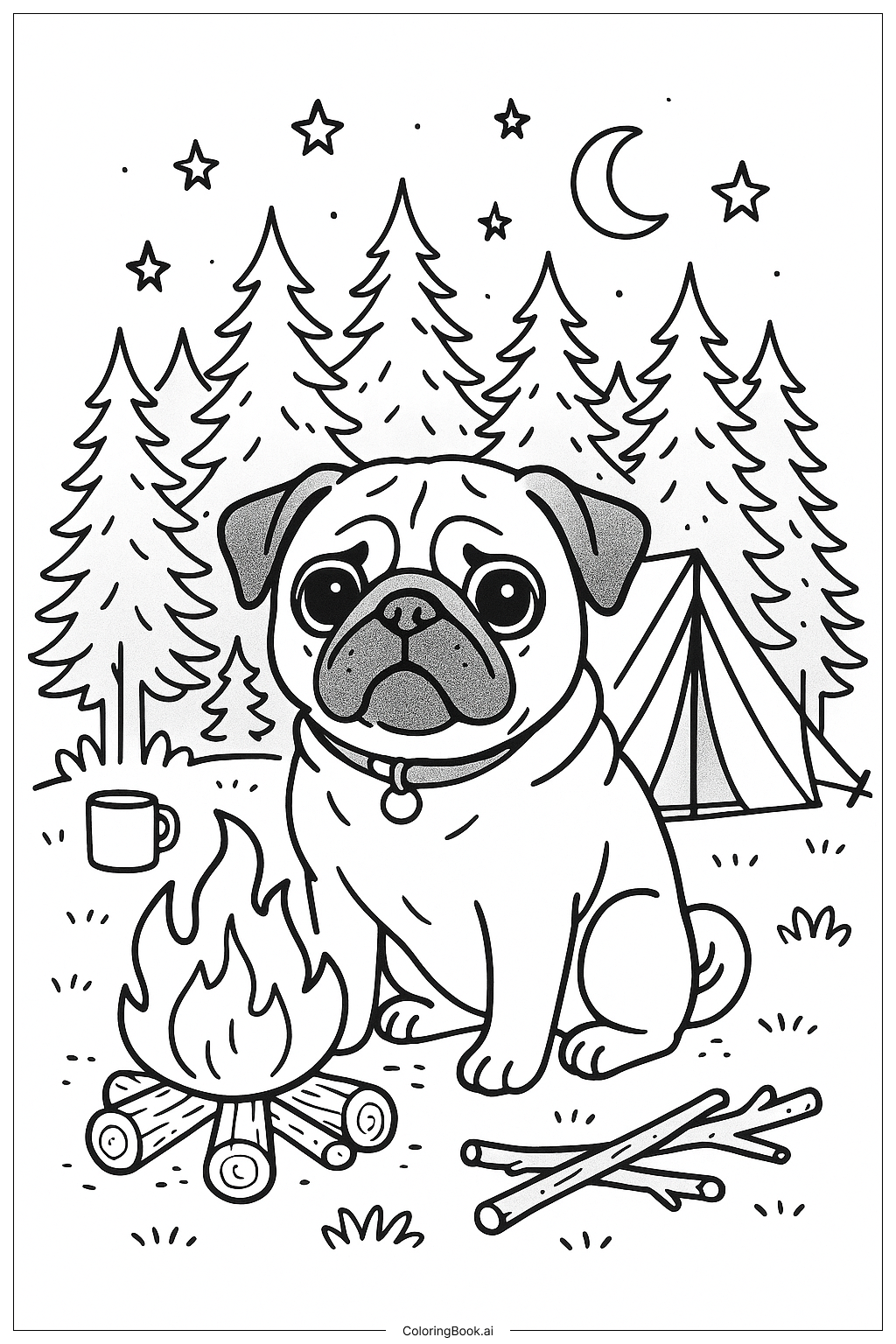
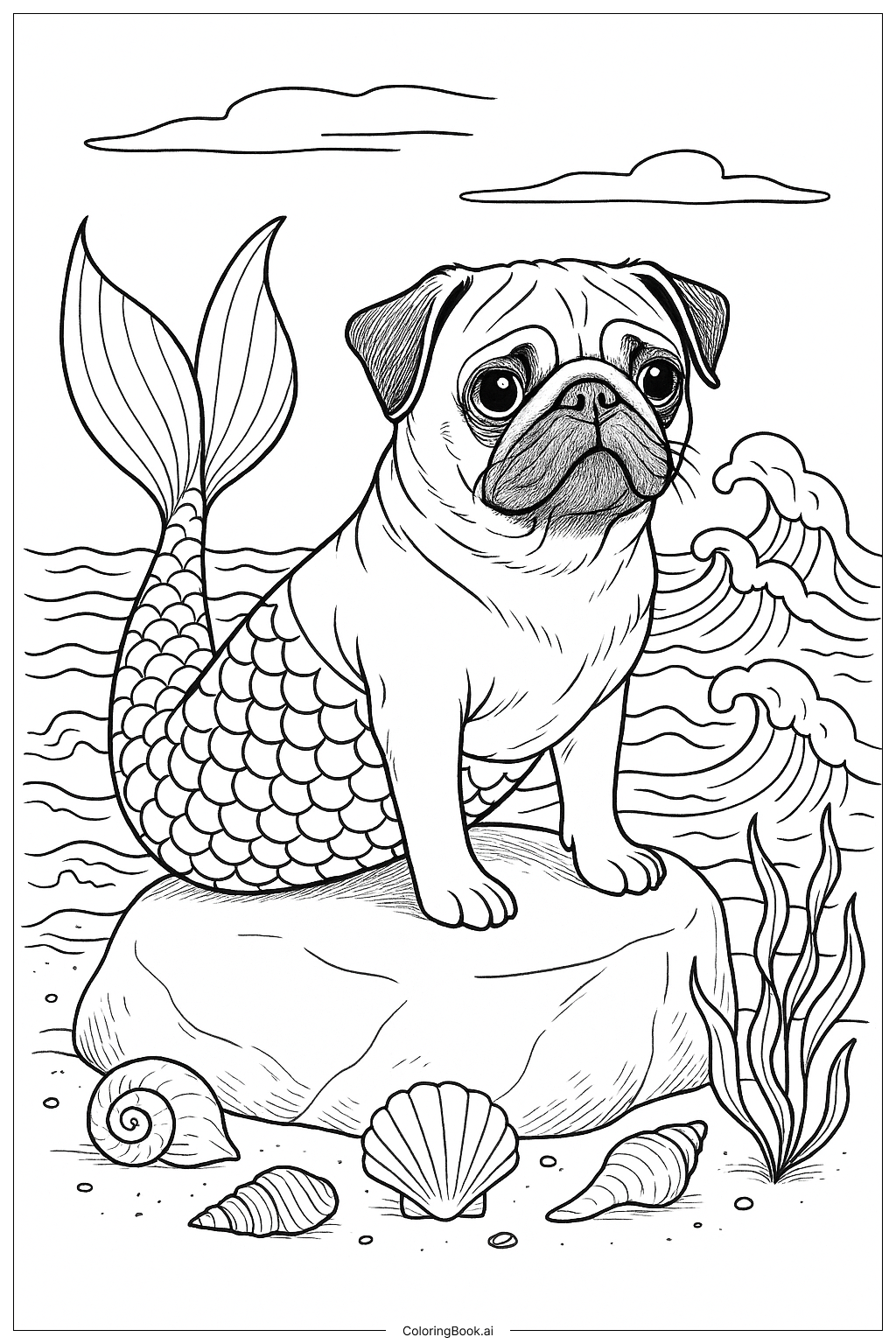
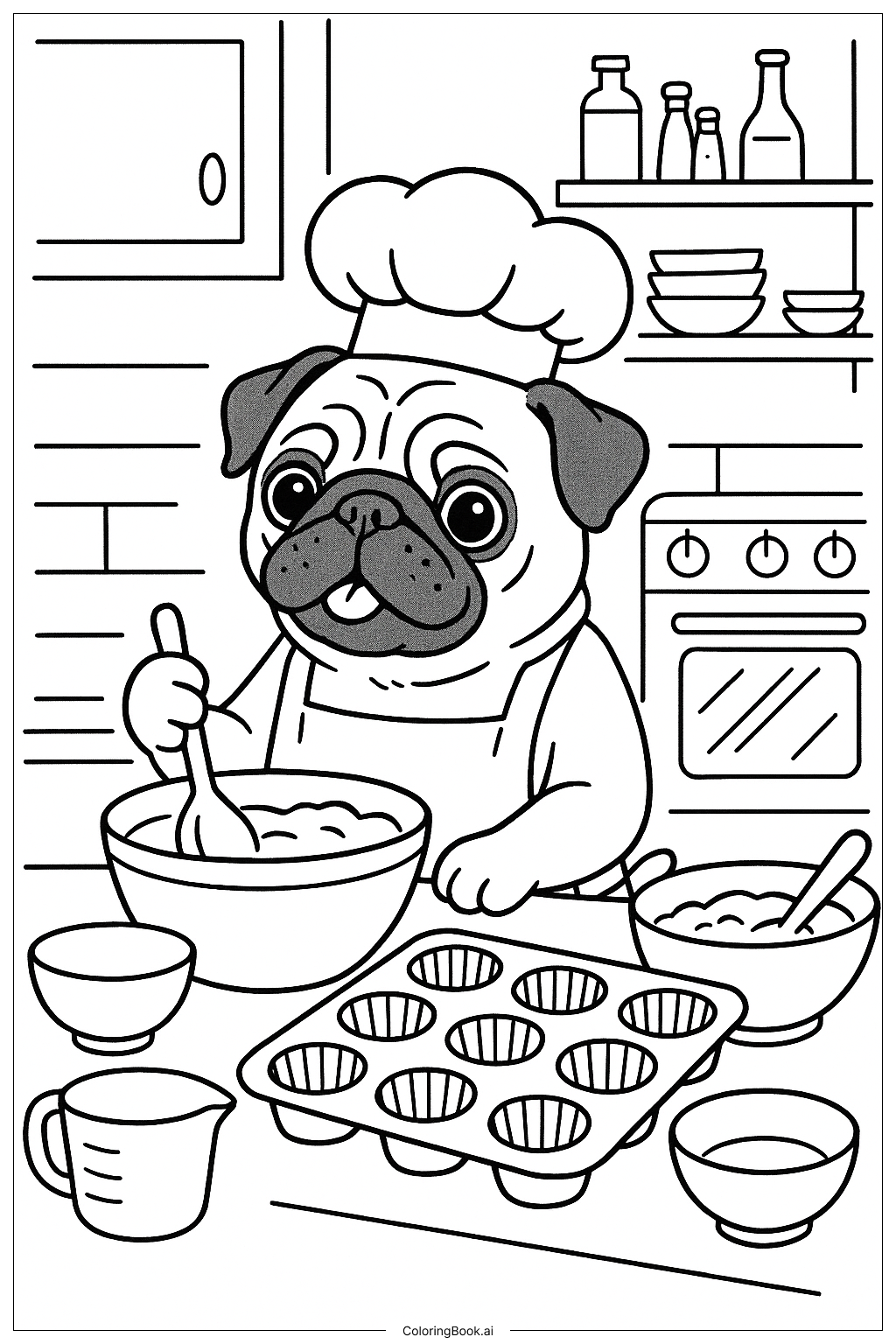
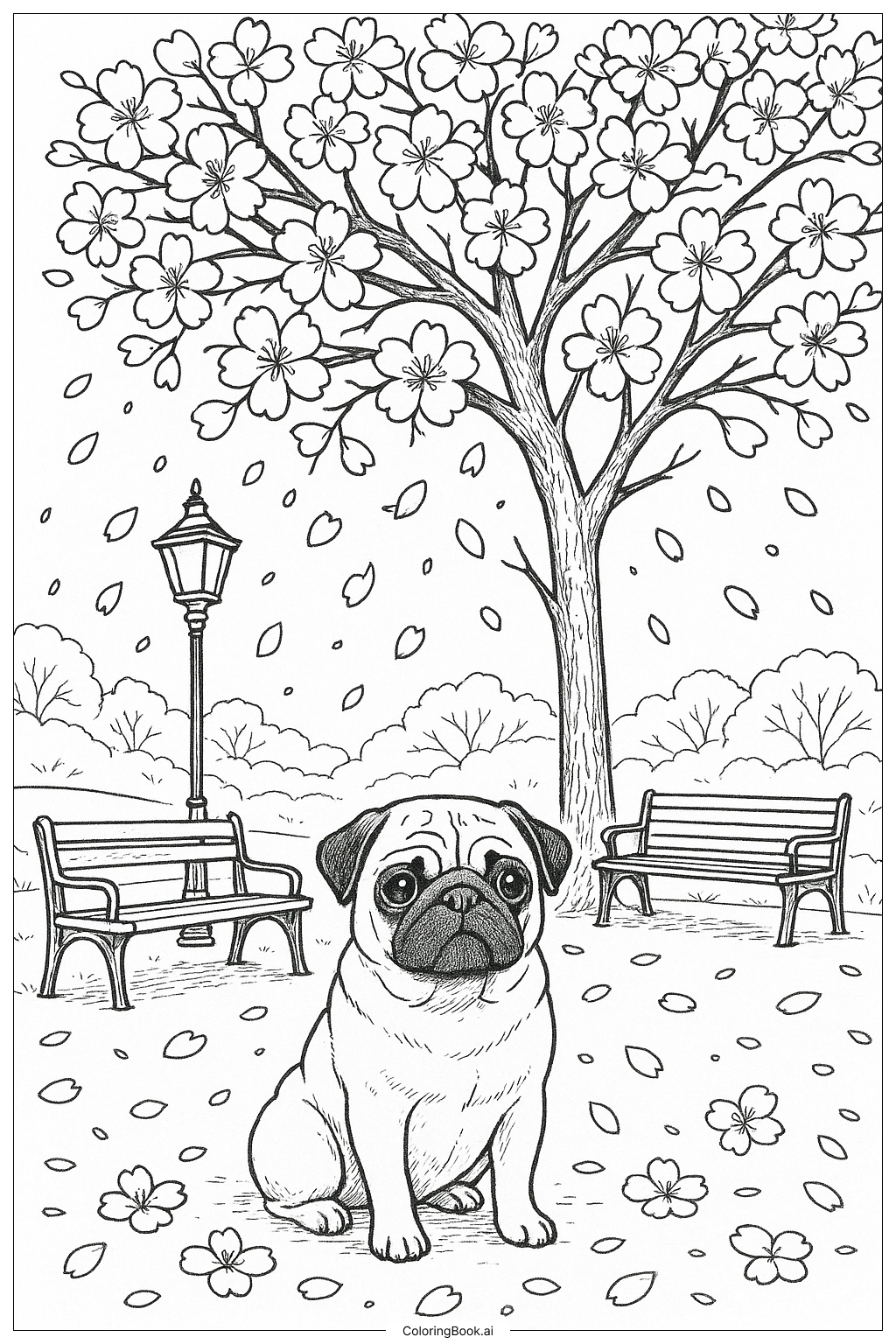
Use soft browns, tans, and creams to color the pug's fur. You can color the ears and nose dark brown or black to show their contrast. Try using gentle shading on the body to give the pug a fluffy and soft appearance. You may also add a light background color like pale blue or green to make the pug stand out. Avoid using very bright colors on the dog itself to keep the natural look.
Coloring challenges: Which parts are difficult to color and need attention for Pug Sleeping coloring page?
1. Coloring the small details on the pug's face, like wrinkles and ears, can be tricky because they need careful attention to stay inside the lines. 2. The curled tail is small and rounded, requiring precision to color neatly. 3. Shading gently to show the pug's soft fur without making the colors too dark can be difficult. 4. Keeping the dog's natural colors while using crayons or markers might challenge young artists because some colors may look too harsh. 5. Choosing a background color that highlights the sleeping pug without overpowering it may also take some thought.
Benefits of coloring books: Advantages of drawing Pug Sleeping coloring page
Coloring this sleeping pug helps improve fine motor skills because it requires careful coloring within small spaces. It encourages children to pay attention to details, such as the dog's wrinkles and tail curls. Coloring this calm scene can also promote relaxation and patience. Additionally, it sparks creativity by letting kids choose natural or fun colors, helping them learn about animals and shading techniques.