Coloring tips: How to color Pony Face Close Up coloring page well?
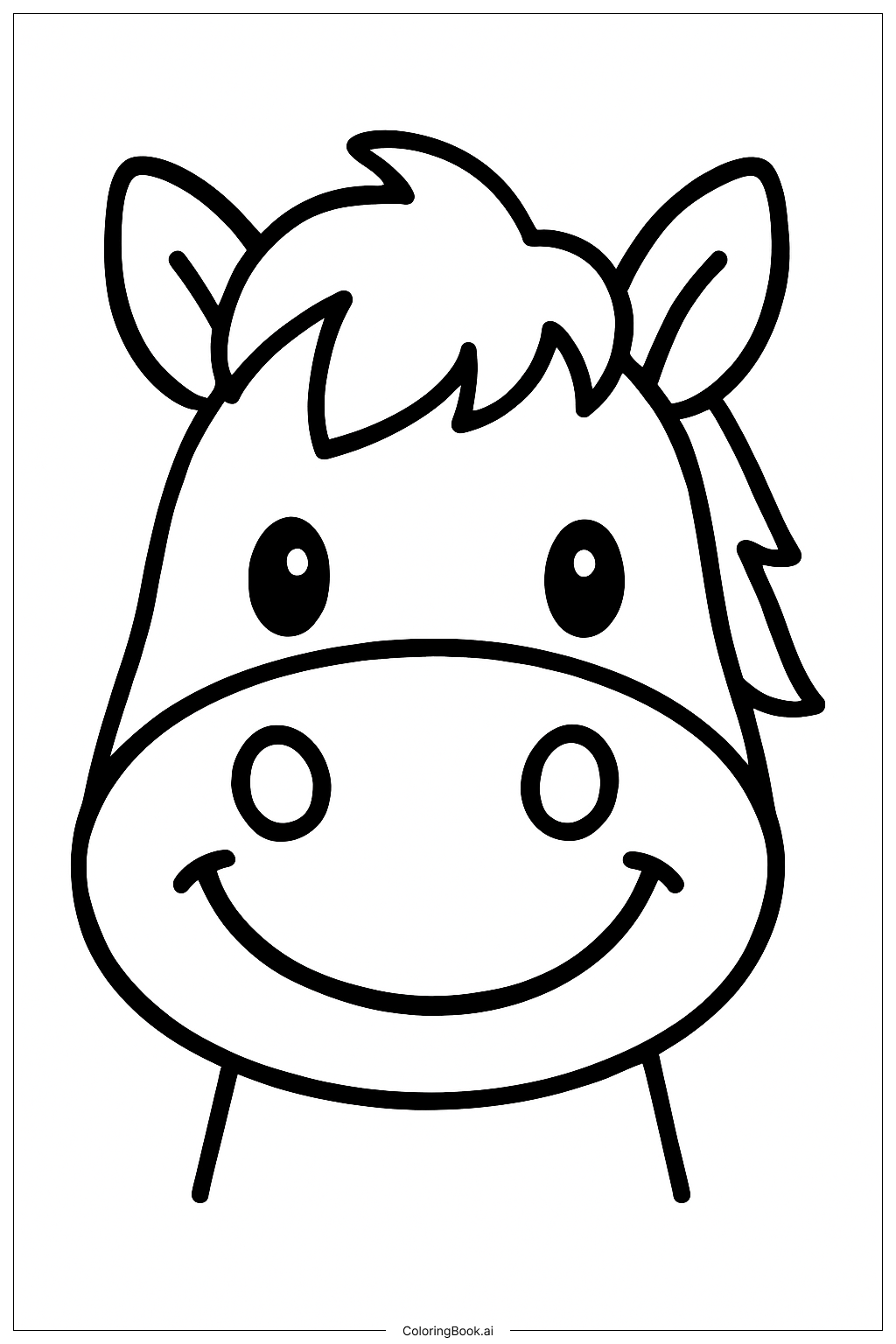
Start with the lightest colors first and work your way to darker shades. For the pony's coat, you can choose classic colors like golden yellow, soft brown, creamy white, or even a fun pastel pink or lavender for a magical look. Use a light base color and then add a slightly darker shade along the edges to create depth and make the face look round and lifelike. For the mane, try using two or three colors that blend together, like golden yellow with streaks of orange or white. The eyes are the most important feature — fill them with a rich brown, blue, or green, and leave a small white dot to make them look shiny and alive. Color the nostrils with a soft pink or rose tone. Use light gray or brown shading around the muzzle for a realistic feel. Feel free to get creative and make your pony look magical with rainbow colors!
Coloring challenges: Which parts are difficult to color and need attention for Pony Face Close Up coloring page?
Coloring this close-up pony face comes with several interesting challenges that will help you grow your coloring skills:
• Eye Detail and Shine: The pony's large eyes have multiple layers — the iris, pupil, and the shiny highlight spot. Keeping these areas neat and distinct requires a careful hand. Coloring too far into the highlight area can make the eyes look flat instead of bright and alive. Try using a fine-tipped tool to fill in the iris carefully and leave the highlight white.
• Fur Texture and Shading: The face has fine lines suggesting soft fur. To make the coat look fluffy and real, you need to apply color in short, gentle strokes following the direction of the lines. Simply filling in one flat color can make the fur look dull. Adding a second, slightly darker tone along the jaw and under the chin adds dimension.
• Mane Layering: The flowing mane has multiple overlapping strands. Each strand should be a slightly different tone to separate them visually. Coloring all strands the same color can make the mane look flat and messy rather than full and flowing.
• Muzzle and Nostril Shading: The rounded muzzle needs careful shading to look three-dimensional. The center should be lighter, and the edges should gradually get darker. The nostrils are small and rounded, requiring precise coloring to avoid bleeding outside the lines.
• Eyelash Precision: The long, delicate eyelashes are thin and close together. Coloring them neatly without smudging into the eye area or the fur around them takes patience and a sharp, fine coloring tool.
Benefits of coloring books: Advantages of drawing Pony Face Close Up coloring page
Coloring this pony face close-up is a wonderful activity with many great benefits for kids and anyone who loves art. Here is why you should pick up your colors and get started:
Focus and Patience: Filling in all the fine details of the fur, mane, and eyes helps train your brain to slow down and concentrate. This builds patience and attention to detail that is useful in school and daily life.
Creativity and Color Confidence: Choosing your own color palette for the pony encourages creative thinking. There is no wrong answer — you can make a realistic brown pony or a magical rainbow one. This freedom builds confidence in your own ideas.
Fine Motor Skills: Using colored pencils or markers to stay inside the lines and blend shades strengthens the small muscles in your hands and fingers. This helps with writing, drawing, and other hands-on activities.
Stress Relief and Calm: Coloring is a relaxing activity. Focusing on a gentle, friendly image like a pony face helps reduce worry and brings a sense of peace and happiness.
Art Appreciation: Learning to add shading and depth to a portrait helps you understand how real artists create lifelike drawings. It is a fun first step into the world of portrait art and illustration.