Coloring tips: How to color Pony By Pond coloring page well?
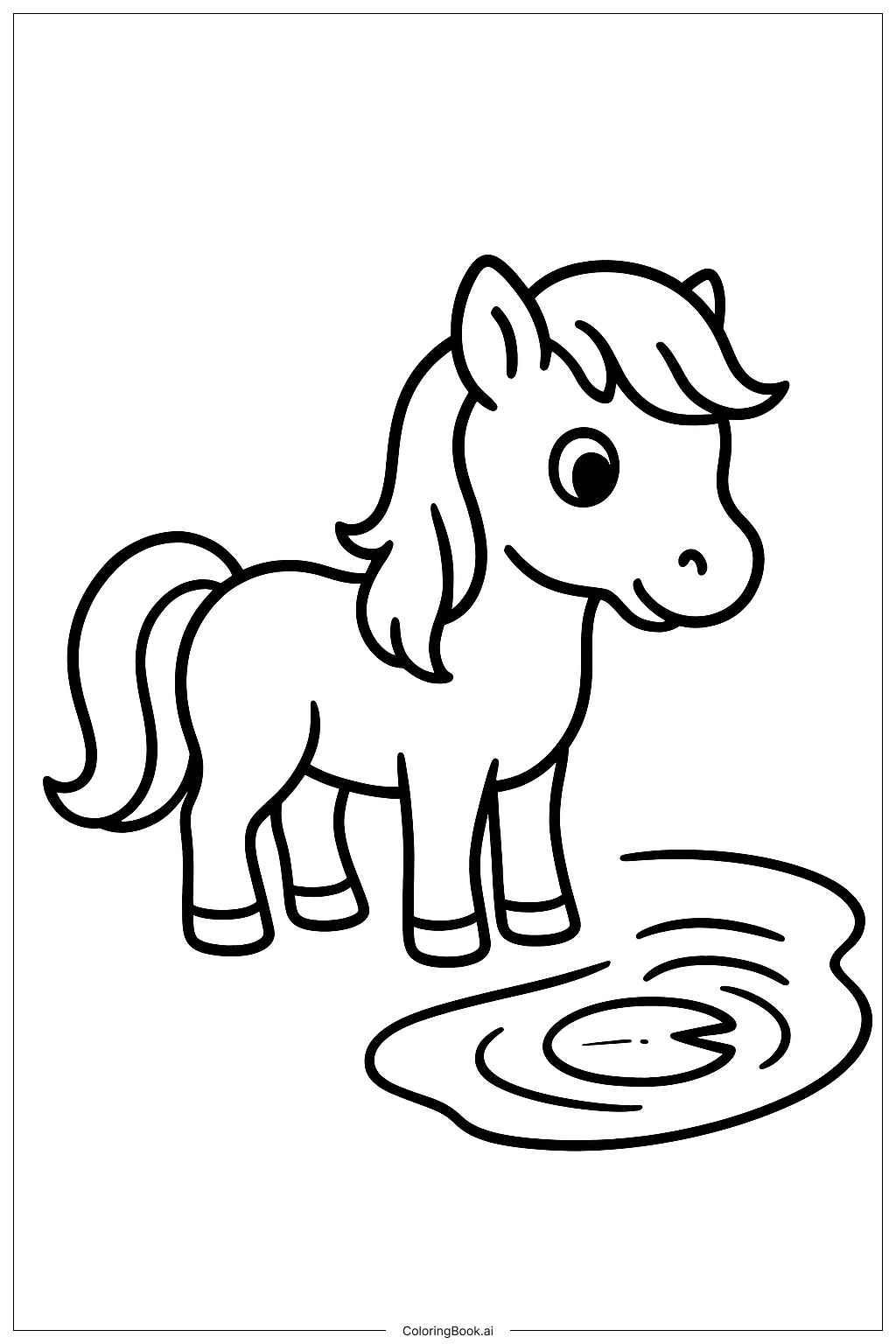
For this picture, try warm and earthy colors for the Pony, like soft browns or gentle grays. You can use pastel shades to make it look soft and cuddly. The pond water would look nice in different blue tones, with hints of light green to show reflections. Use greens and yellows for the grasses and plants to show a lively nature scene. You might want to add some color to the flowers with bright reds, pinks, or purples to make them pop. The background trees can be in darker greens and browns to create depth. Using light blues or soft yellows in the sky will give a calm, sunny day feeling. Feel free to experiment and make the scene as bright or natural as you like!
Coloring challenges: Which parts are difficult to color and need attention for Pony By Pond coloring page?
• Fine Details: The Pony’s mane and tail have many small flowing lines, which can be tricky to color neatly. Take your time to stay within the lines and choose colors that bring out these details. • Reflection Effects: Coloring the pond requires showing water reflections gently. Blending blues and greens softly is challenging but helps to create a more realistic look. • Background Depth: The trees and plants in the background have overlapping shapes. Using different shades of green and brown carefully will help keep the depth clear without colors merging. • Balancing Colors: Choosing colors that make the Pony stand out while keeping the natural feel around the pond needs thoughtful contrast. Avoid too many bright colors that may distract. • Small Flowers: Some flowers have tiny petals that require careful coloring so the details remain visible and cute without coloring outside the lines.
Benefits of coloring books: Advantages of drawing Pony By Pond coloring page
Coloring this Pony By Pond picture encourages focus and patience because of the fine details like the mane and reflections. It helps develop hand-eye coordination as young artists try to color within the small shapes and lines. Working with natural colors can teach children about different shades found in nature, helping their color recognition skills. The peaceful scene promotes relaxation and calmness, making coloring a fun way to reduce stress. Finally, completing this picture gives a sense of achievement and boosts confidence while encouraging creativity by choosing colors to bring the scene to life.