Coloring tips: How to color One Poinsettia coloring page well?
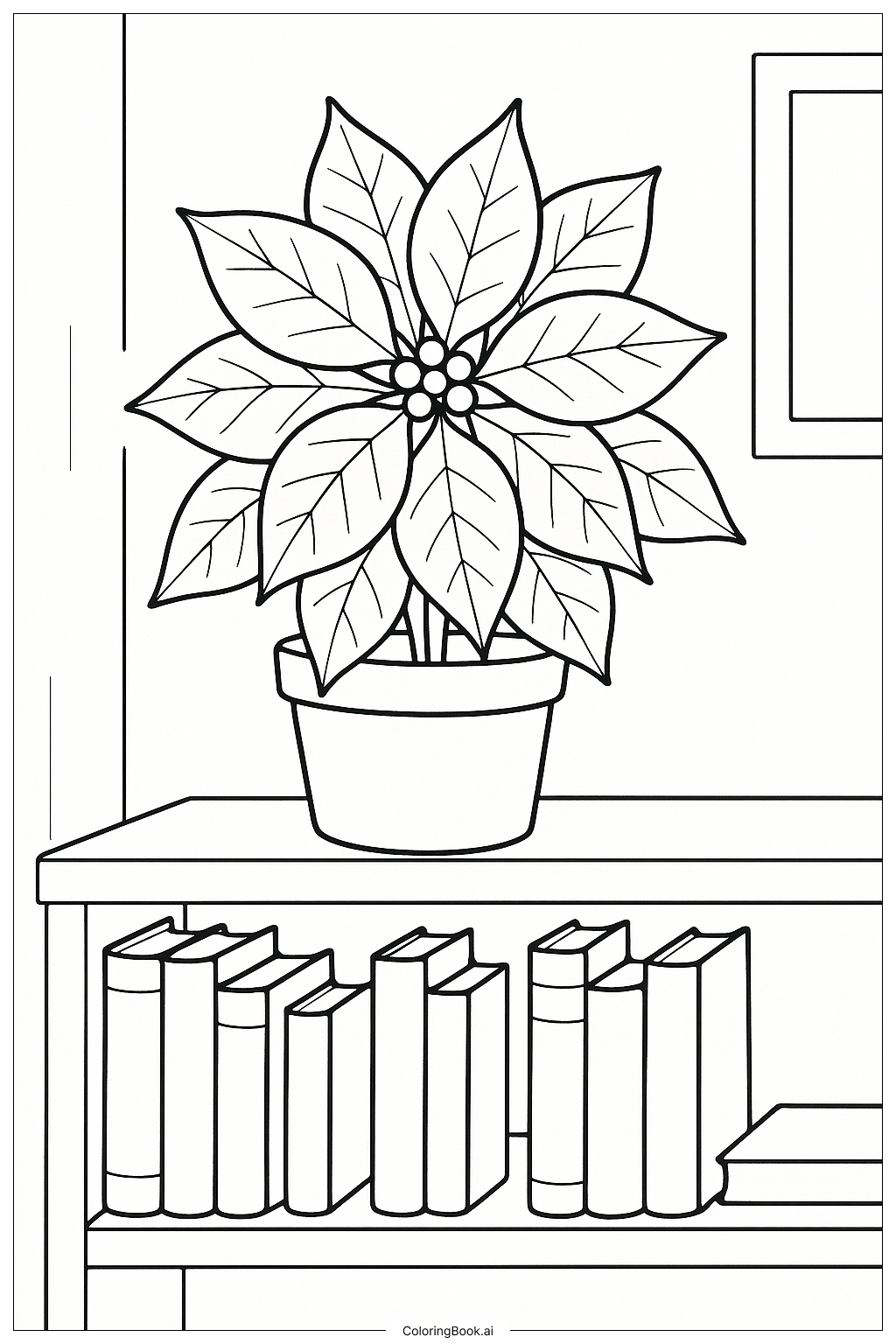
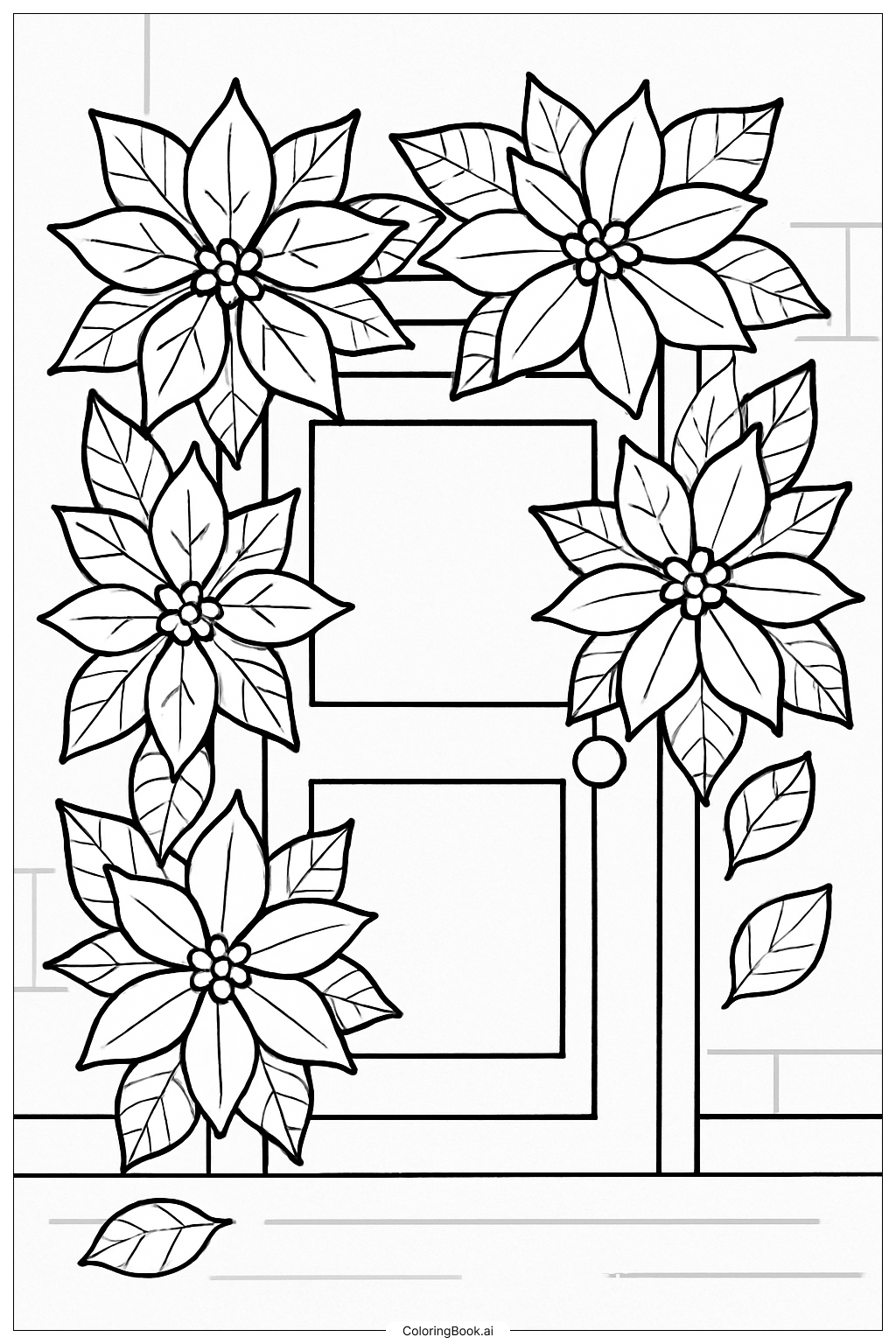
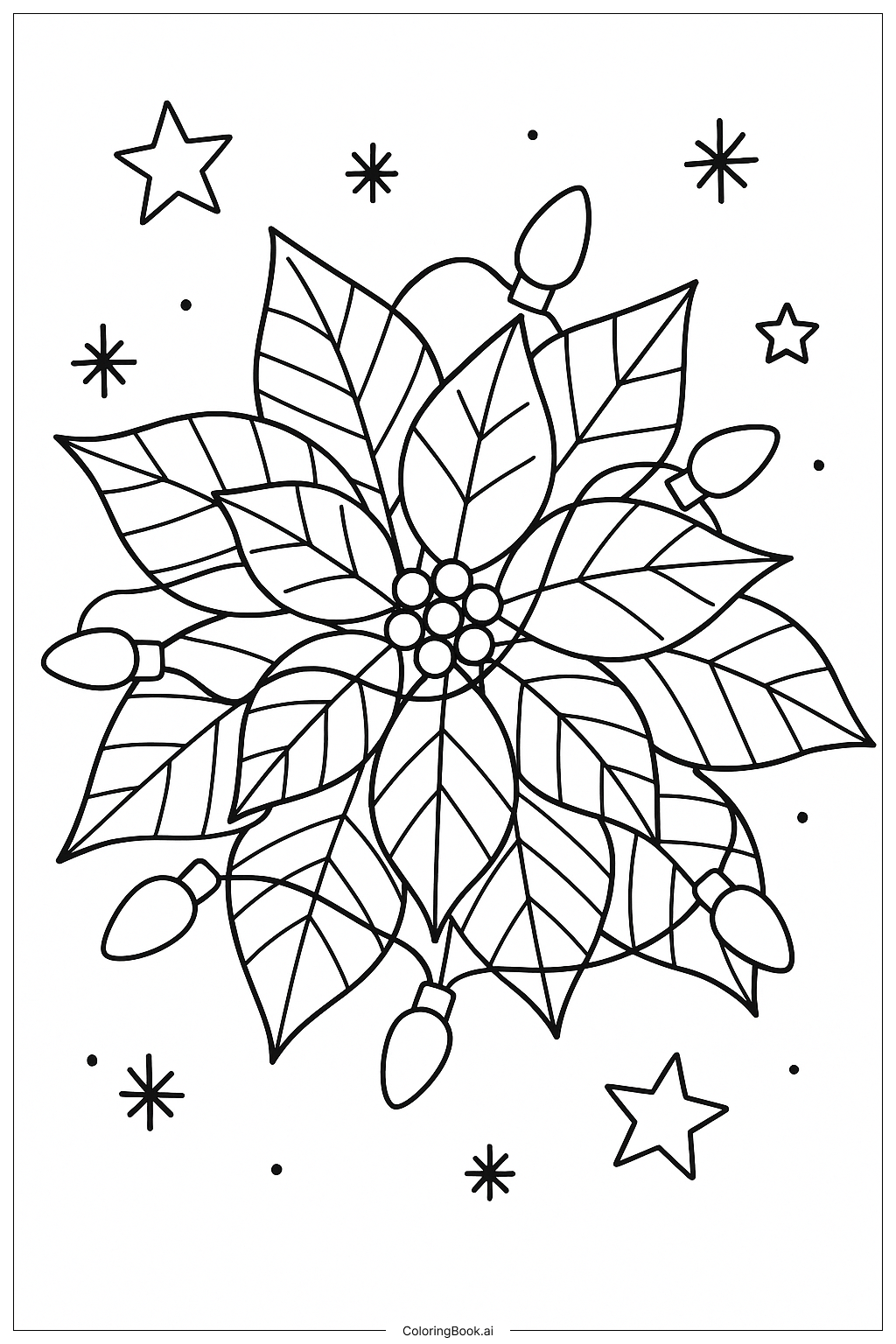
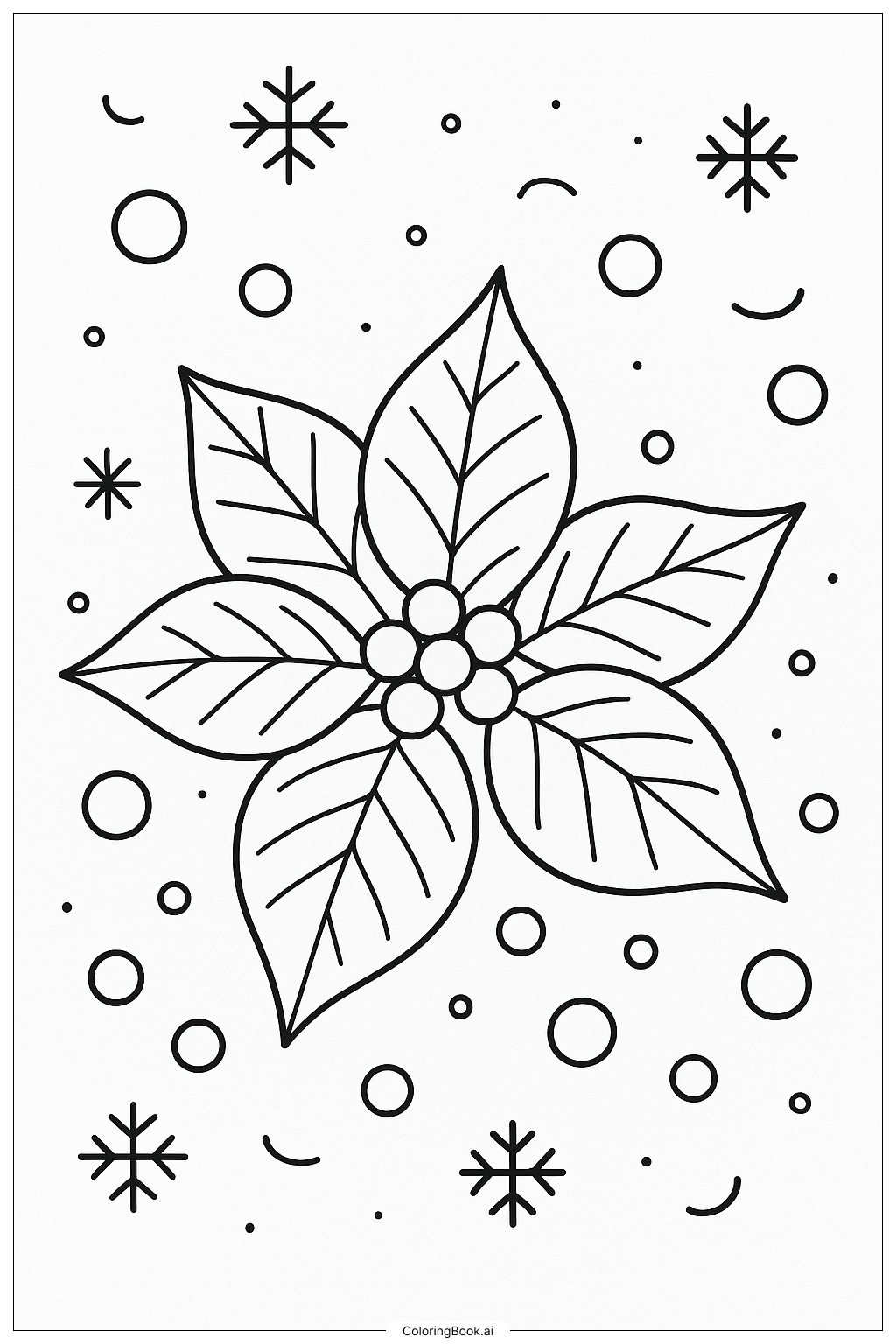
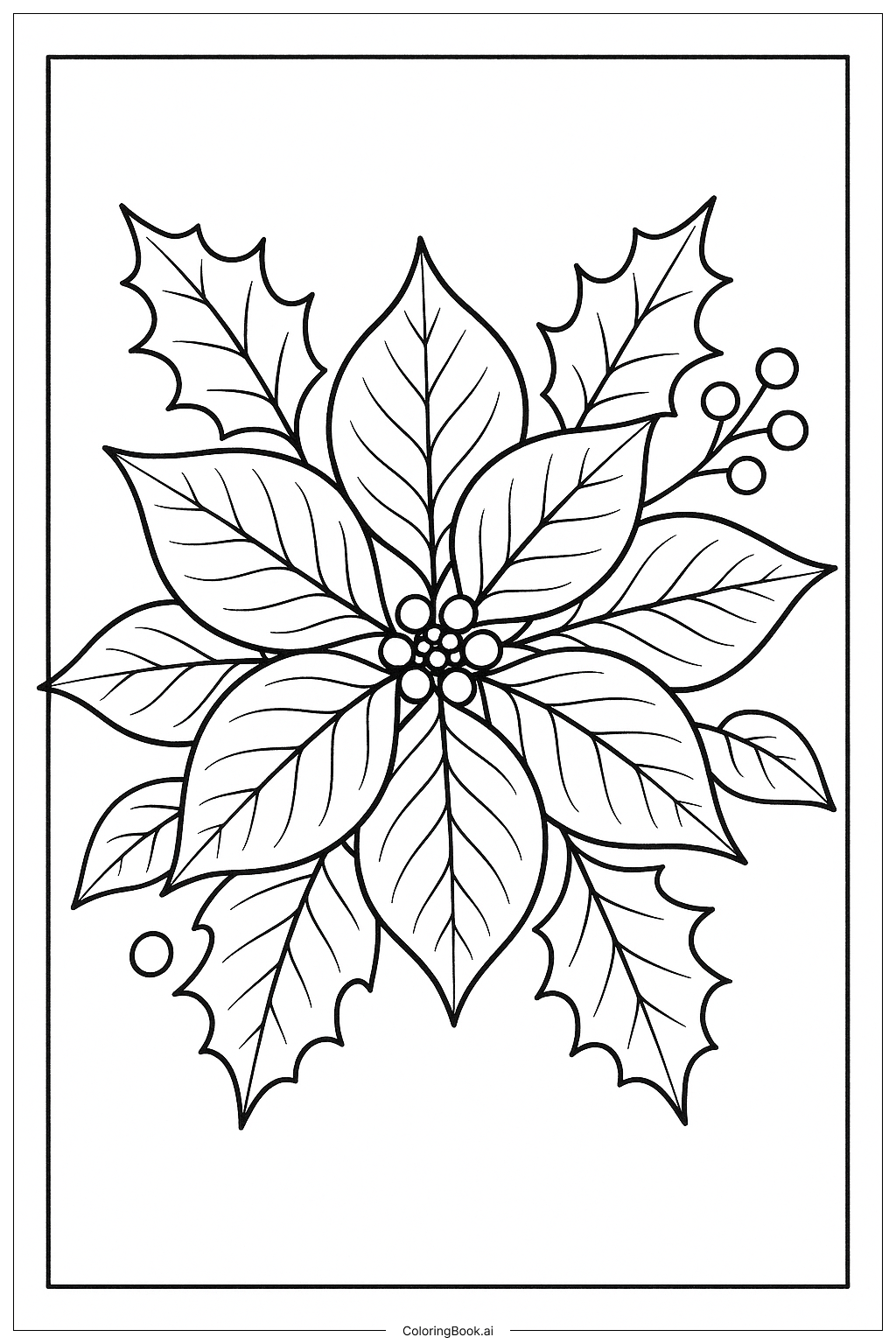
Traditional poinsettias feature vibrant red bracts with deep green leaves, but feel free to explore creative color combinations. For a classic look, use crimson or scarlet red for the bracts, adding darker shades in the areas where petals overlap to create depth. The center flowers can be colored with bright yellow or golden tones. Leaves work beautifully in forest green or emerald, with darker green in the veins. For non-traditional options, try white or cream bracts with pink edges for an elegant winter look, or experiment with purple, pink, or even blue varieties. Consider using colored pencils to layer colors, starting light and building intensity gradually. Add subtle shading along the vein lines to make the flower appear more three-dimensional and realistic.
Coloring challenges: Which parts are difficult to color and need attention for One Poinsettia coloring page?
• Bract Layering and Depth: The overlapping bracts create multiple layers that require careful color differentiation. Colorists need to identify which petals are in front and which are behind, then use varying shades of the same color family to create realistic depth. This involves lightening colors for petals catching light and darkening areas where bracts overlap or cast shadows. The challenge lies in maintaining consistency while ensuring each layer remains visually distinct.
• Vein Detail Work: Each bract and leaf contains intricate vein patterns that extend from the center to the edges. Coloring these veins requires precision and a steady hand, especially when using a contrasting color to make them stand out. The veins should be slightly darker than the surrounding petal color to appear natural. This detailed work can be time-consuming and requires patience, particularly in the smaller bracts near the center where veins are closer together.
• Color Transition and Blending: Creating smooth color gradients from the center of each bract outward presents a significant challenge. Natural poinsettias often display color variations within a single bract, darkening toward the base or lightening at the tips. Achieving these subtle transitions requires blending techniques such as layering different shades or using gentle strokes. The goal is to avoid harsh lines between colors while maintaining the distinct shape of each petal.
Benefits of coloring books: Advantages of drawing One Poinsettia coloring page
Coloring this poinsettia page offers wonderful opportunities for developing fine motor skills through the detailed vein work and precise petal edges. The repetitive nature of coloring similar shapes helps build focus and concentration while remaining engaging through slight variations in each bract. This image provides excellent practice in understanding depth and dimension, as children learn how overlapping elements create a three-dimensional appearance on a flat surface. The symmetrical yet organic structure encourages observation skills and pattern recognition. Working with the traditional holiday colors can spark conversations about seasonal traditions and nature, while experimenting with non-traditional color schemes promotes creativity and personal expression. The complexity level is suitable for a wide age range, allowing younger children to enjoy simple color filling while older ones can challenge themselves with advanced shading and blending techniques.