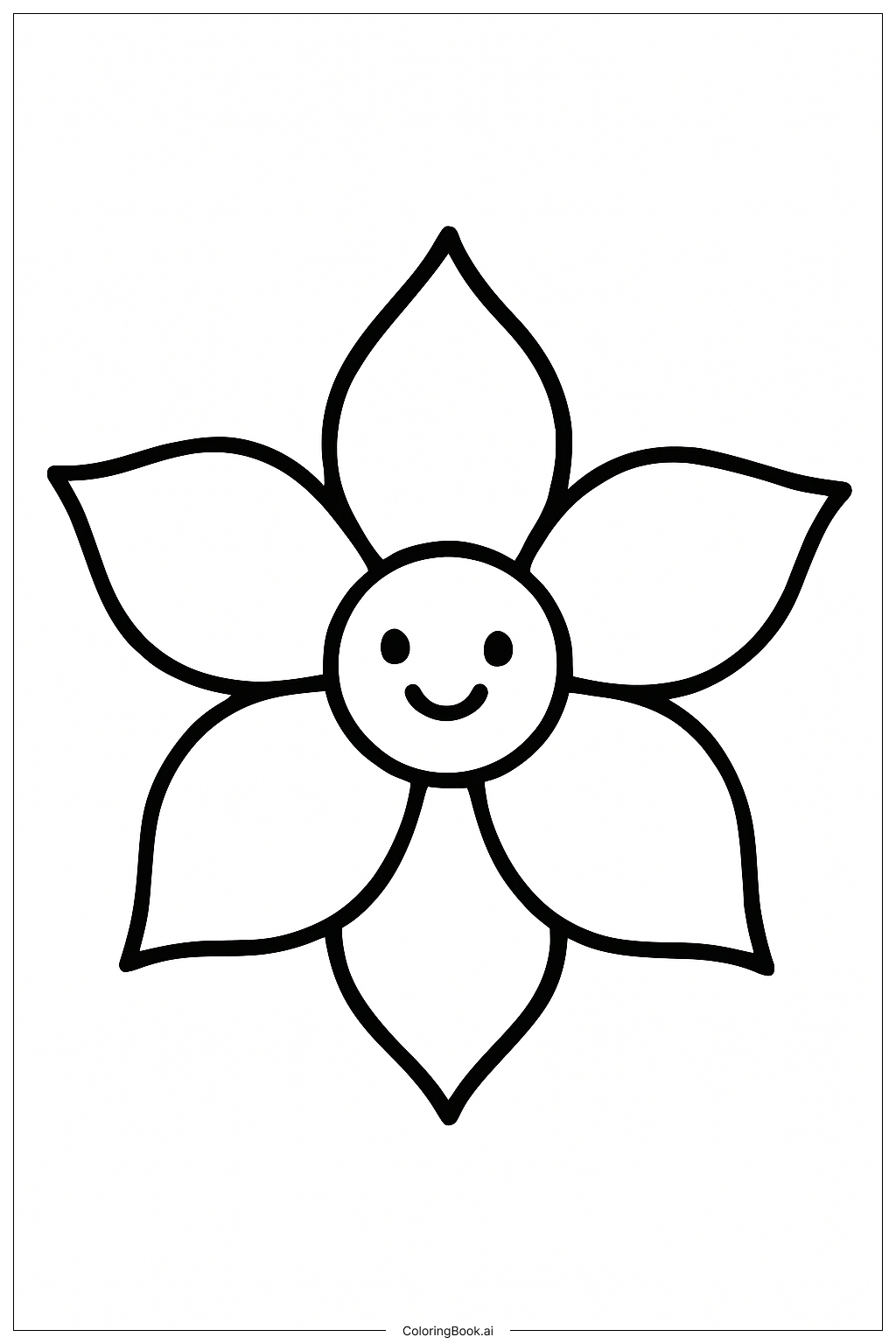
Coloring tips: How to color A Friendly Poinsettia Portrait coloring page well?
When coloring this friendly poinsettia, try using bright reds for the large petal-like bracts to bring out its classic look. You can mix in different shades of red or pink for variety. For the leaves, use fresh greens, blending light and dark tones to show depth. The small buds in the center can be colored yellow or gold to add warmth and contrast. Don’t be afraid to get creative! You can also add a soft green background or a sparkle effect with light colors to make the portrait lively and joyful. Remember, this is your chance to make the poinsettia as bright and friendly as you imagine.
Coloring challenges: Which parts are difficult to color and need attention for A Friendly Poinsettia Portrait coloring page?
• Leaf Veins: The veins on the poinsettia leaves are thin and detailed. Coloring inside these delicate lines requires careful attention and a steady hand to avoid smudging or coloring outside the lines.
• Layered Petals: Some petals overlap each other, which can be tricky to color in a way that shows depth and separation. Choosing different shades and blending softly helps to separate the layers visually.
• Central Bud Details: The small circular shapes in the center represent the flower buds. They are tiny and close together, making it a challenge to stay within their borders without mixing colors.
• Balancing Bright Colors: Using bright reds and greens side by side can create a strong contrast, so it takes practice to color smoothly and keep the image balanced without harsh edges.
• Open vs. Detailed Areas: The image combines large open spaces with intricate leaf patterns. Coloring evenly while maintaining the natural feel of the plant requires patience and experimentation with shading techniques.
Benefits of coloring books: Advantages of drawing A Friendly Poinsettia Portrait coloring page
Coloring this friendly poinsettia helps improve fine motor skills as children practice precise movements within its detailed patterns. It encourages creativity by allowing choices in colors and shading styles, helping to develop a personal artistic style. The image’s simple yet realistic design introduces children to nature, fostering an appreciation for plants and seasonal traditions. Coloring can also be calming and relaxing, offering focused time that boosts concentration and mindfulness. For learners, coloring such botanical subjects supports understanding of shapes, symmetry, and layering, valuable concepts in both art and nature studies.