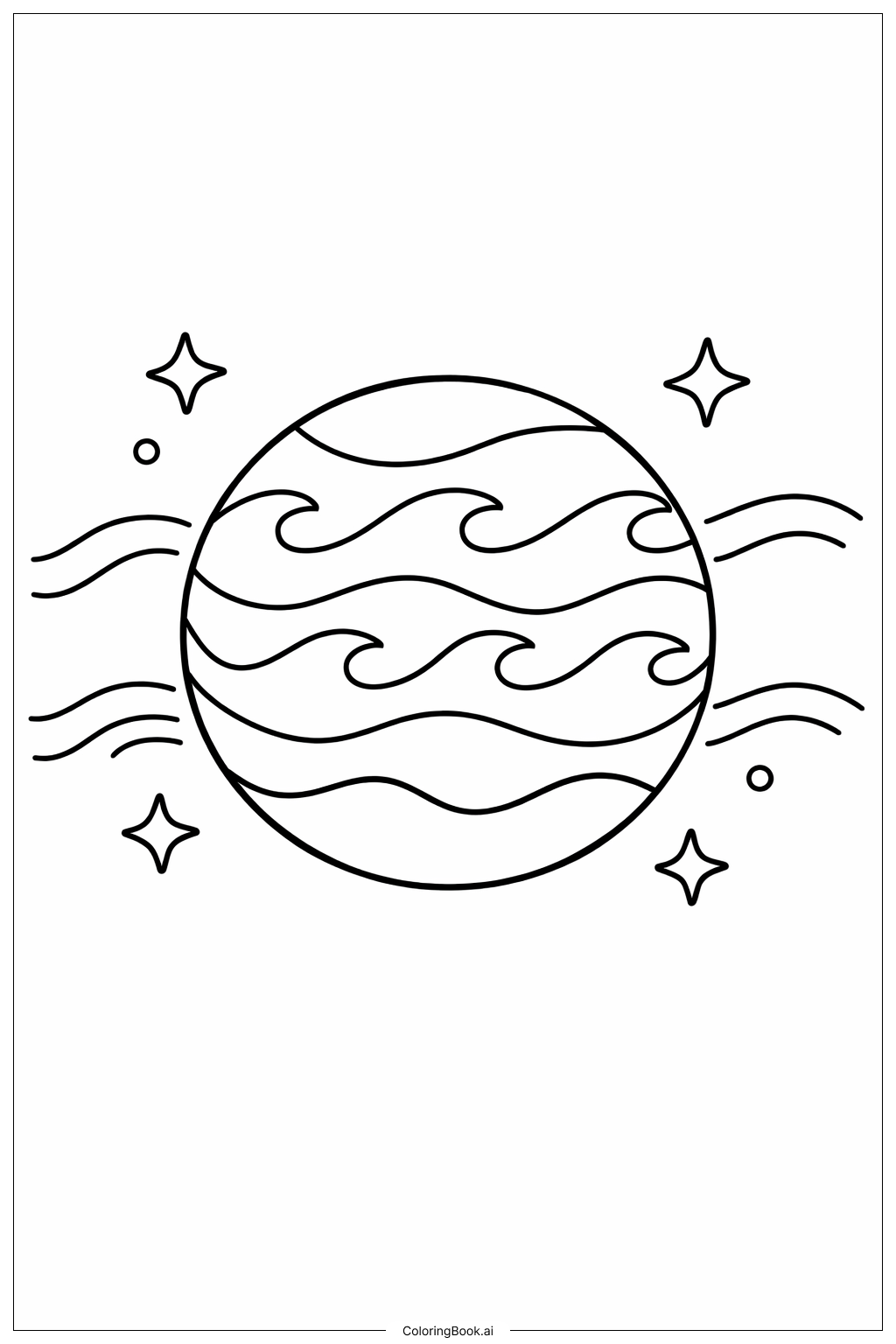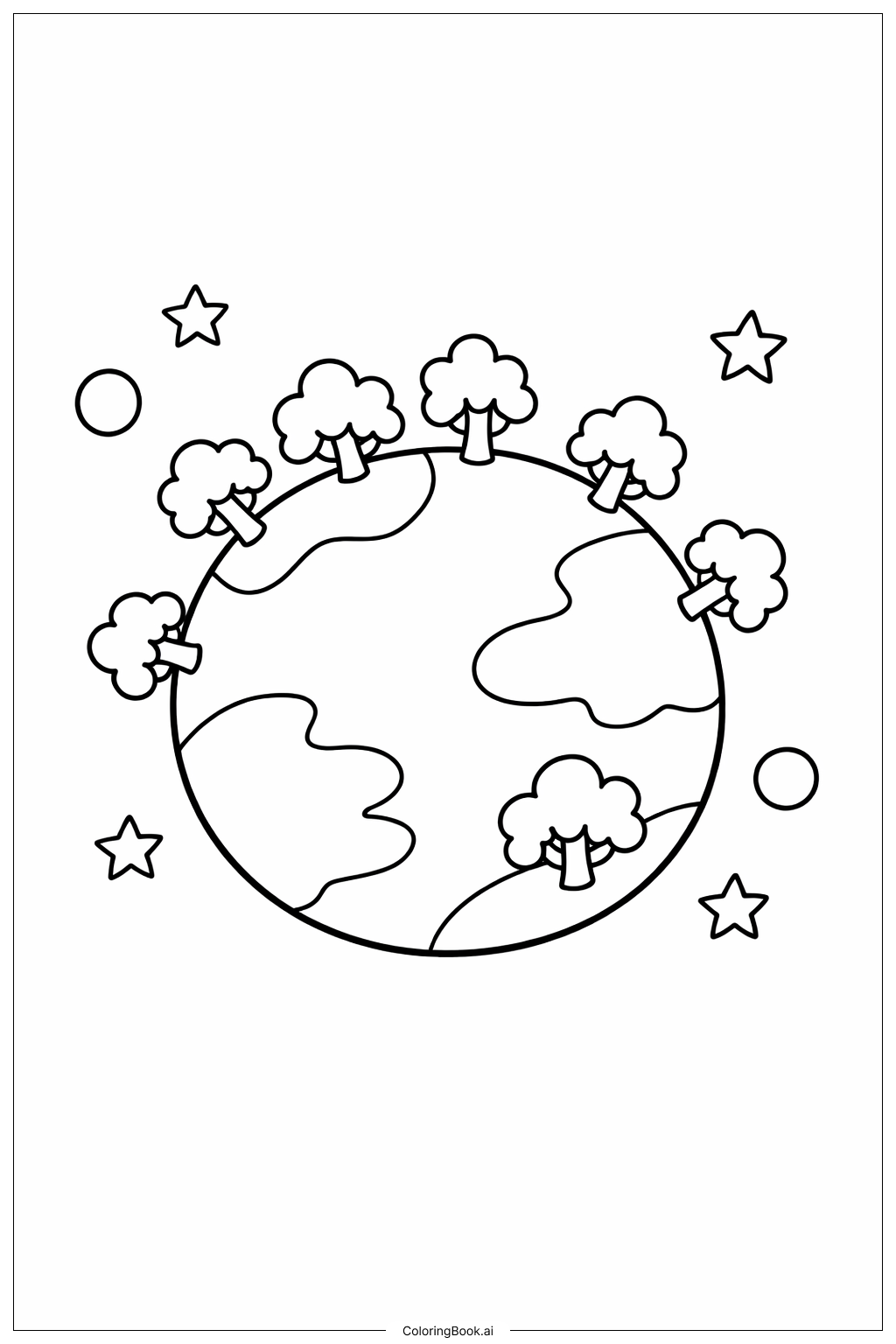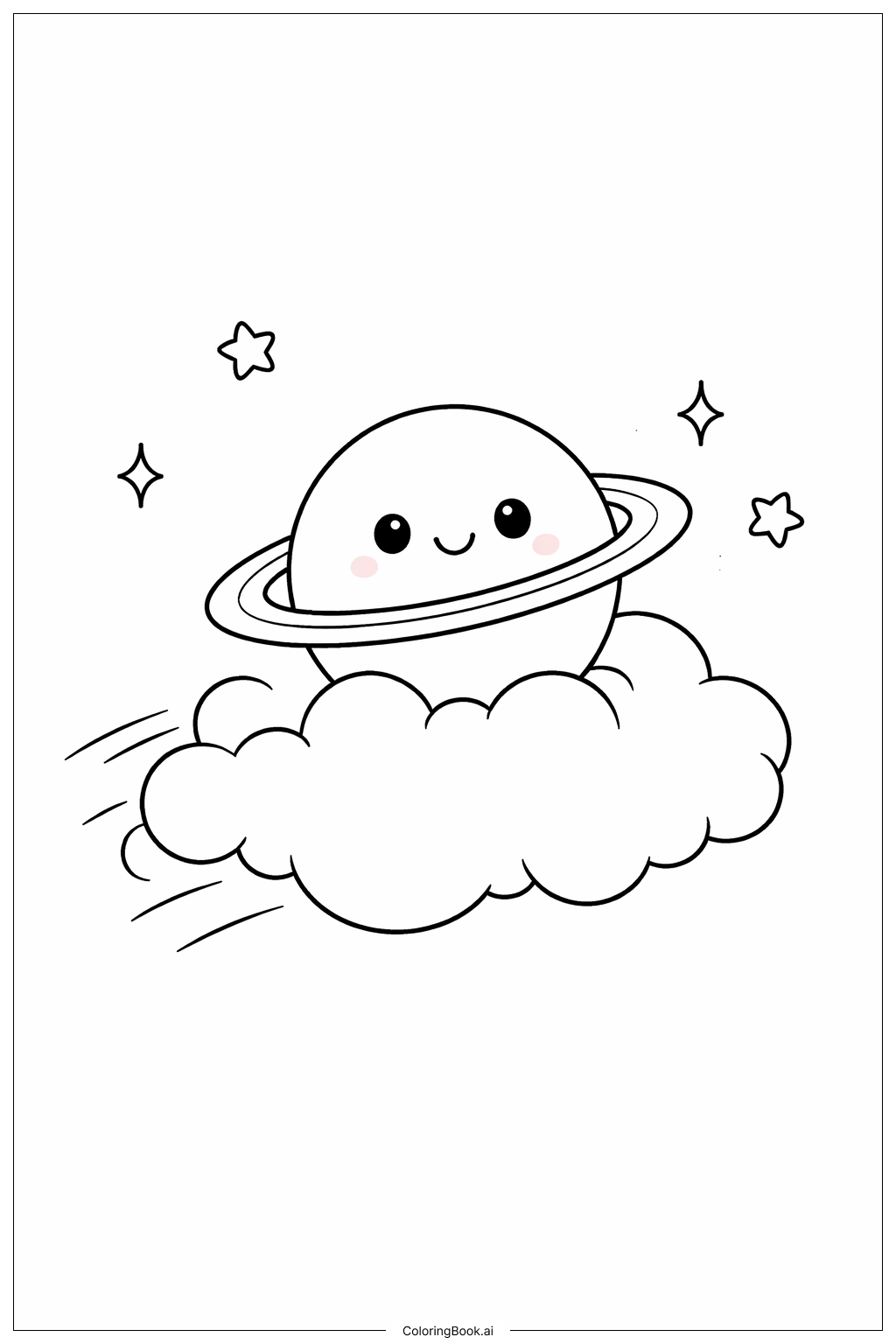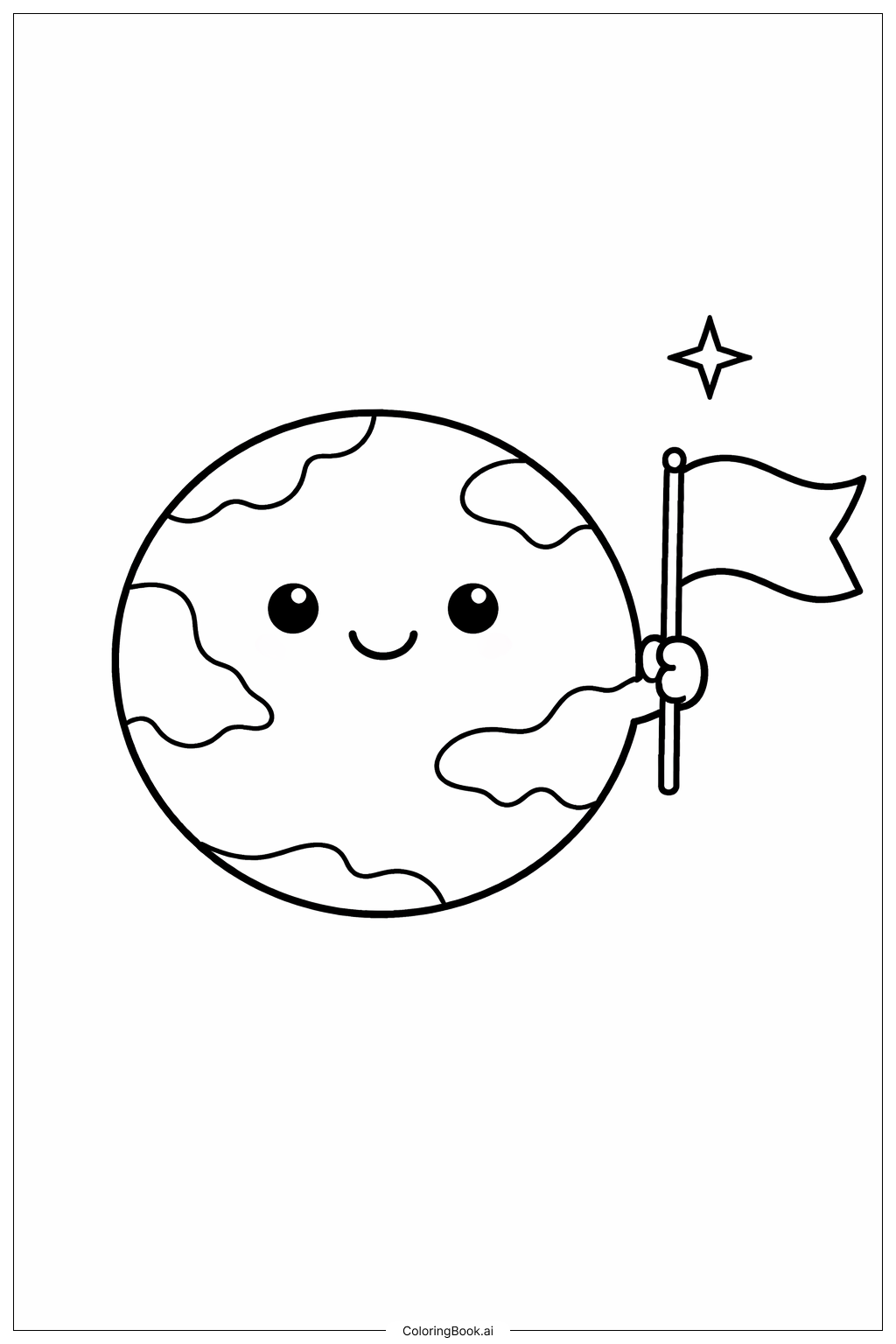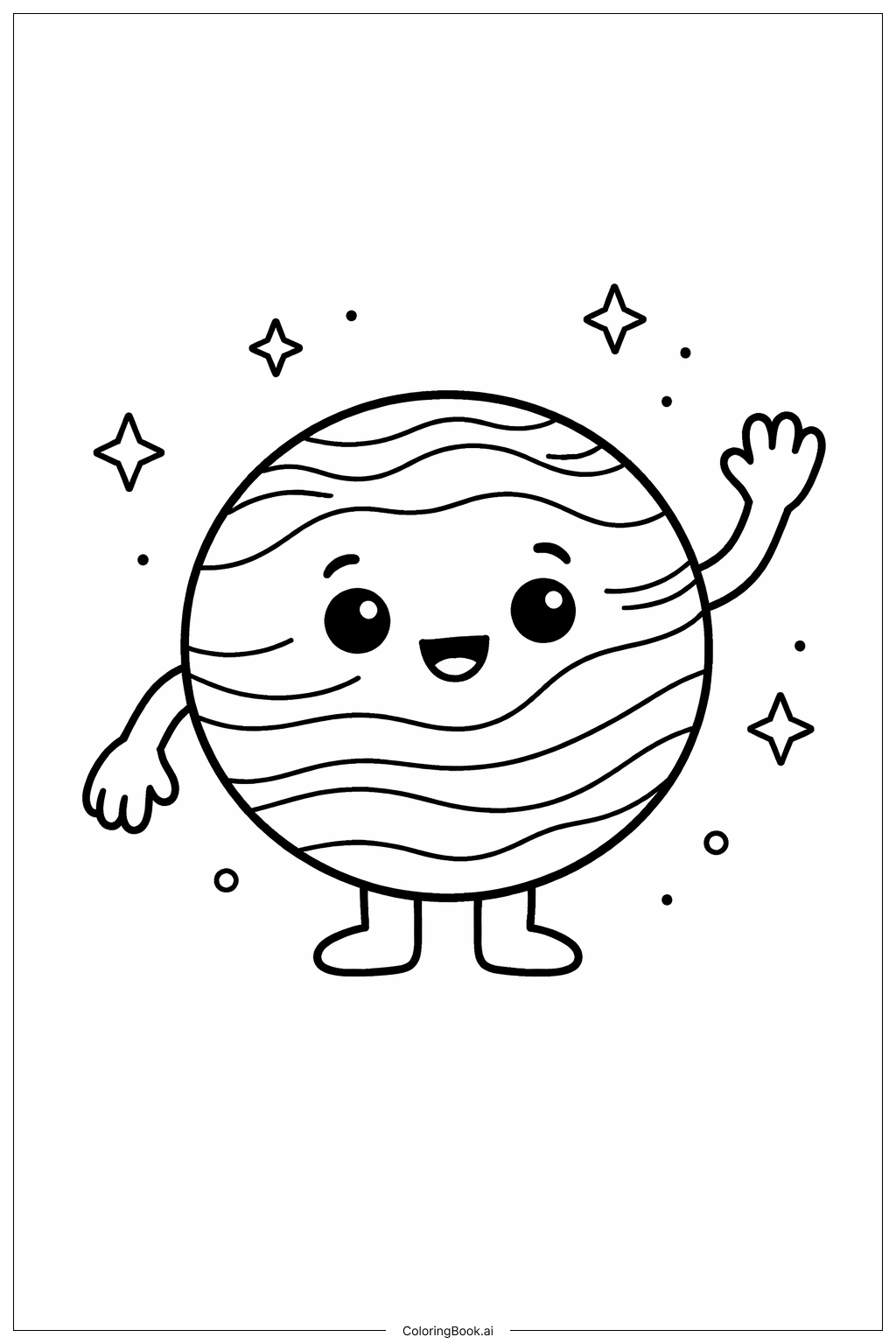
Coloring tips: How to color Waving Planet Friend coloring page well?
Try using bright and cheerful colors for the planet to make it look happy and friendly. You can use shades of blue, green, or purple for the planet itself, and choose lighter or darker tones for the wavy lines to create a nice contrast. For the stars, use yellow or white to make them stand out against the background. The eyes can be colored black or dark brown with a little white spot to show light reflection. You can also add some glitter pens or metallic colors to make the stars shimmer. Don't forget to color the mouth pink or red to add warmth to the planet’s smile.
Coloring challenges: Which parts are difficult to color and need attention for Waving Planet Friend coloring page?
1. Coloring the wavy lines neatly can be tricky because they are close together and uneven. It needs careful coloring to avoid going outside the lines.
2. The small stars and dots require precision since they are tiny and easy to miss or color unevenly.
3. Choosing colors that look good together on the planet and its patterns can be challenging. You want to make the waves visible but still part of the planet.
4. Coloring the planet’s arms and feet requires attention to detail to keep them neat and consistent with the planet’s body color.
5. Avoiding smudging when coloring inside small areas, such as the eyes and mouth, needs steady hand control.
Benefits of coloring books: Advantages of drawing Waving Planet Friend coloring page
Coloring this friendly planet helps improve fine motor skills as kids carefully fill in the small spaces and wavy lines. It encourages creativity by allowing them to choose colors and create their own space scene. This activity also boosts concentration and patience because it requires focus to color within the lines. Additionally, it can increase knowledge about planets and space, making learning fun and interactive. Most importantly, coloring promotes relaxation and a sense of accomplishment when the picture is completed.