Coloring tips: How to color Pocket Plane coloring page well?
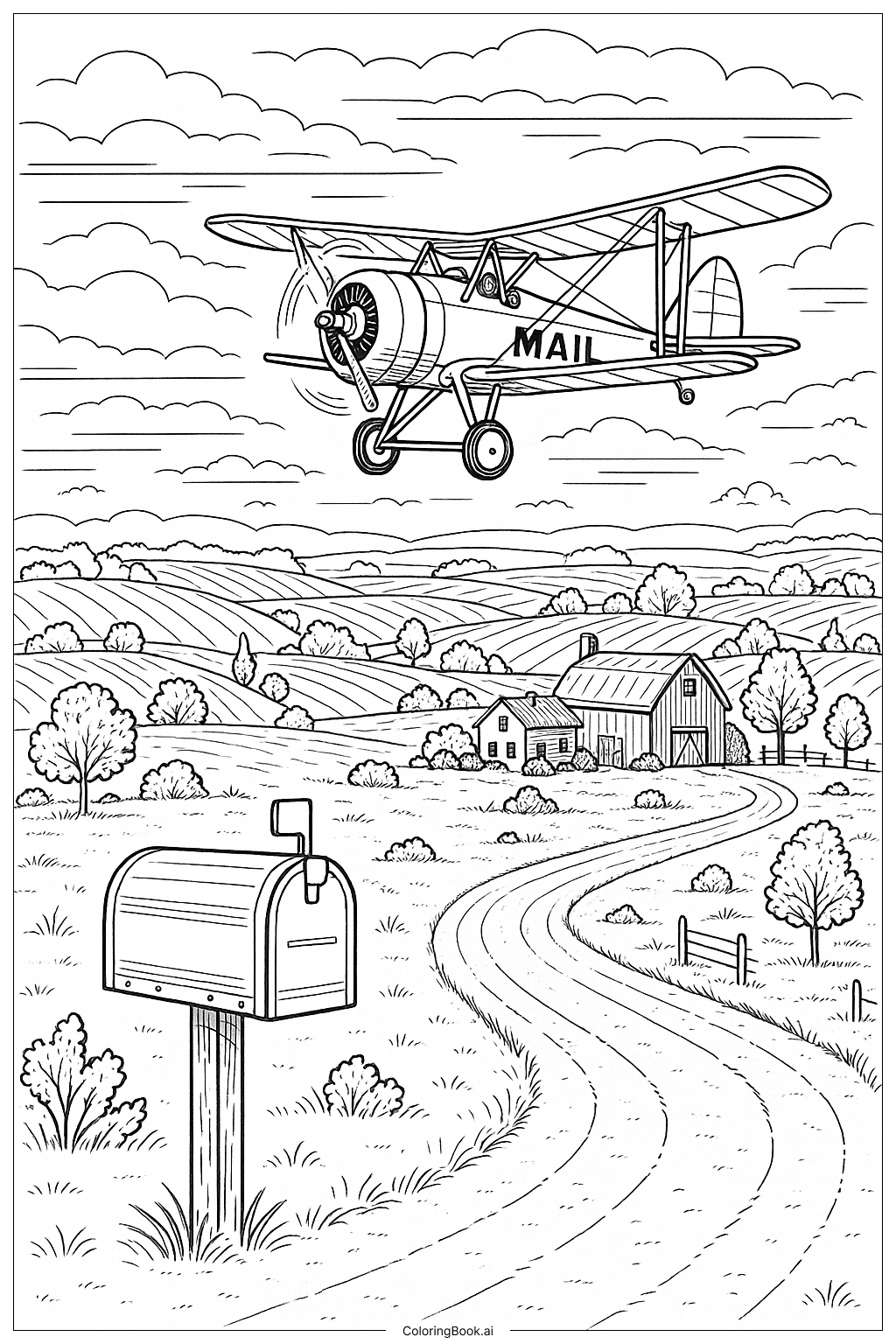
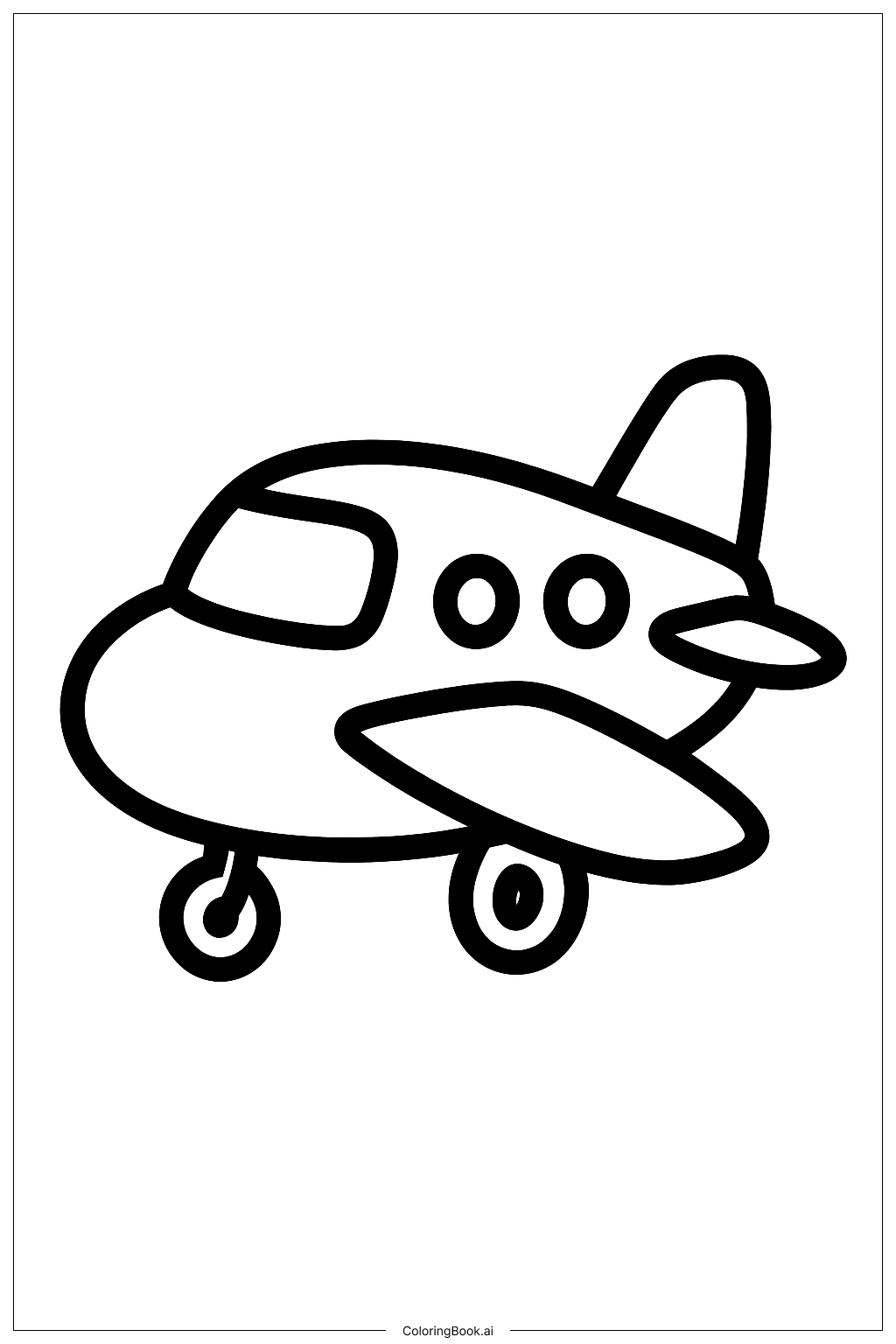
Try using bright and bold colors for the plane to make it stand out. You can color the body in blue, red, or yellow, and use a different color for the wings and tail, like orange or green. The windows can be colored light blue or gray to show glass. Don't forget the wheels; you can color them black or dark gray. For extra fun, you can add patterns like stripes or dots on the plane. Use crayons or markers to fill in the shapes carefully, staying inside the lines for a neat finish. Feel free to experiment with your favorite colors to make your pocket plane unique and eye-catching.
Coloring challenges: Which parts are difficult to color and need attention for Pocket Plane coloring page?
1. Coloring small details like the round windows and the landing gear wheels can be tricky due to their size, requiring careful attention to stay inside the lines. 2. The curved shapes of the plane’s body and wings might be challenging for younger children to color smoothly without crossing outlines. 3. Adding patterns or mixing colors for shading requires more skill and patience, which might be difficult for beginners. 4. Balancing colors to make sure the plane looks attractive without using too many similar shades can be hard. 5. Coloring small sections, like the tail wing and the front glass, needs steady hand control to avoid coloring outside the borders.
Benefits of coloring books: Advantages of drawing Pocket Plane coloring page
Coloring this pocket plane helps kids improve fine motor skills and hand-eye coordination. It encourages creativity as they choose colors and designs. Filling in different parts helps with focus and patience. Coloring simple shapes builds confidence. It also teaches children about planes and sparks interest in flying and travel. Overall, it is a fun and educational way to develop artistic abilities and relax while playing.