Coloring tips: How to color Friendly Plane coloring page well?
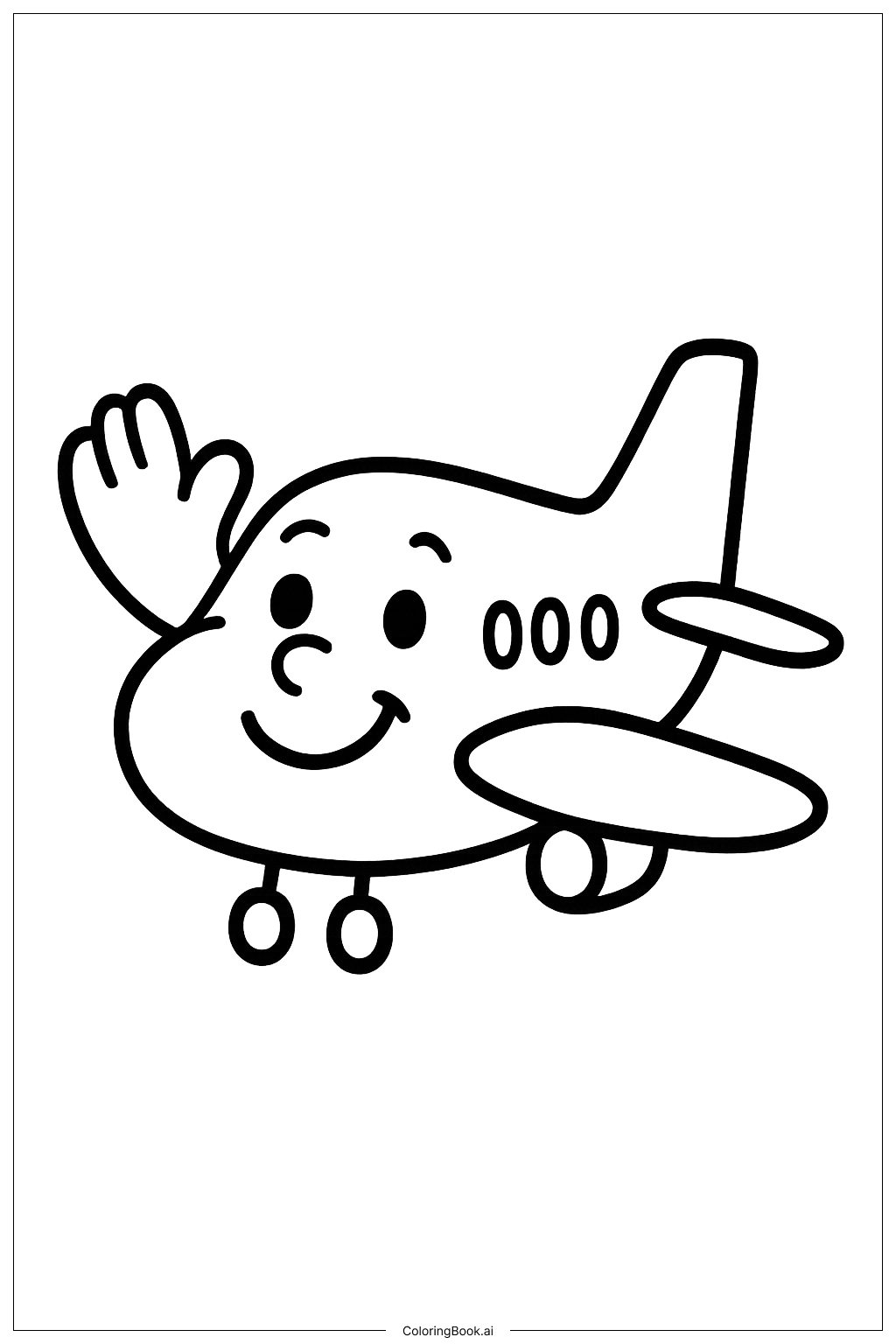
Start with the body of the plane. Try a bright color like sky blue, red, or sunny yellow to make it look fun and cheerful. Use a lighter shade of the same color for the belly of the plane to add a little depth. Color the propeller gray or silver, and make the eyes white with dark pupils to bring the face to life. Give the smile a rosy pink or peach tone to look warm and friendly. For the wings and tail, use a complementary color or match the body. Color the clouds white or very light blue. Use a soft blue or light purple for the sky background to make the whole scene feel open and airy. For the windows, try a pale yellow or light blue to suggest sunshine or sky reflections. Feel free to add your own patterns or details to the wings and tail to make your plane unique. Have fun with it!
Coloring challenges: Which parts are difficult to color and need attention for Friendly Plane coloring page?
• Facial Features: The plane's face includes small eyes, a wide smile, and expressive details packed into a curved nose area. Staying inside these tiny shapes requires a fine-tipped tool. Using the wrong color or going outside the lines can make the face look messy, so take your time and work slowly in these areas.
• Curved Body Surfaces: The fuselage of the plane is rounded and smooth. Applying color evenly across a curved shape without visible streaks or patches can be tricky, especially when trying to show light and shadow. Younger colorists may find it helpful to use circular strokes to fill rounded sections smoothly.
• Small Windows: The row of small windows along the body is close together. Each one needs to be colored neatly without bleeding into the body or the outlines between them. These require steady hands and a sharp or fine-tipped coloring tool to stay precise.
• Propeller Blades: The propeller has thin, narrow blades that can be hard to fill cleanly. Applying color to a narrow space without going over the edges takes patience and control. Using a colored pencil rather than a marker can help here.
• Cloud and Sky Background: Blending the sky color around the fluffy clouds while keeping the cloud shapes clean is a common challenge. If the background color is too dark or applied unevenly, it can overpower the plane. A light, gentle touch works best to keep the sky looking soft and natural.
Benefits of coloring books: Advantages of drawing Friendly Plane coloring page
Coloring this Friendly Plane page offers a wide range of benefits for kids of all ages. First, it helps build fine motor skills. Carefully filling in small areas like the windows and propeller blades trains little hands to move with control and precision. This skill supports handwriting and other everyday tasks.
Second, it encourages creativity. Choosing colors for the sky, the plane's body, and the clouds gives children a chance to express themselves and make decisions with confidence. There is no single right answer, which helps build a sense of independence and imagination.
Third, it supports focus and patience. Completing a detailed image like this one requires sitting still, concentrating, and working through a task step by step. These are important habits for school and daily life.
Fourth, coloring this fun, character-based image sparks curiosity about airplanes, flight, and the world beyond the ground. It can open conversations about travel, weather, and how planes work.
Finally, finishing the page gives children a real sense of pride and accomplishment. Displaying their colorful artwork builds self-esteem and motivates them to keep creating. It is a simple, screen-free activity that is both calming and rewarding.