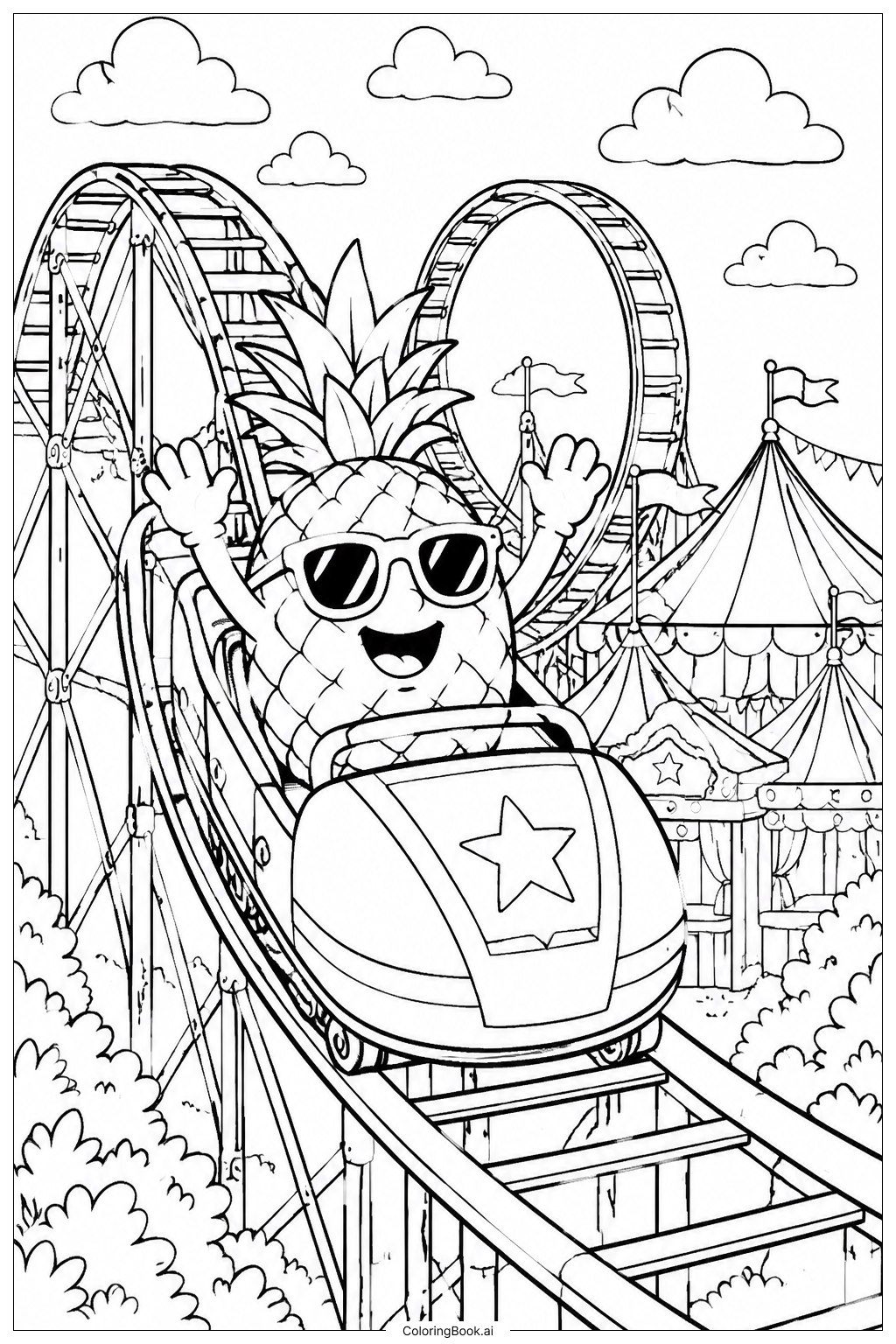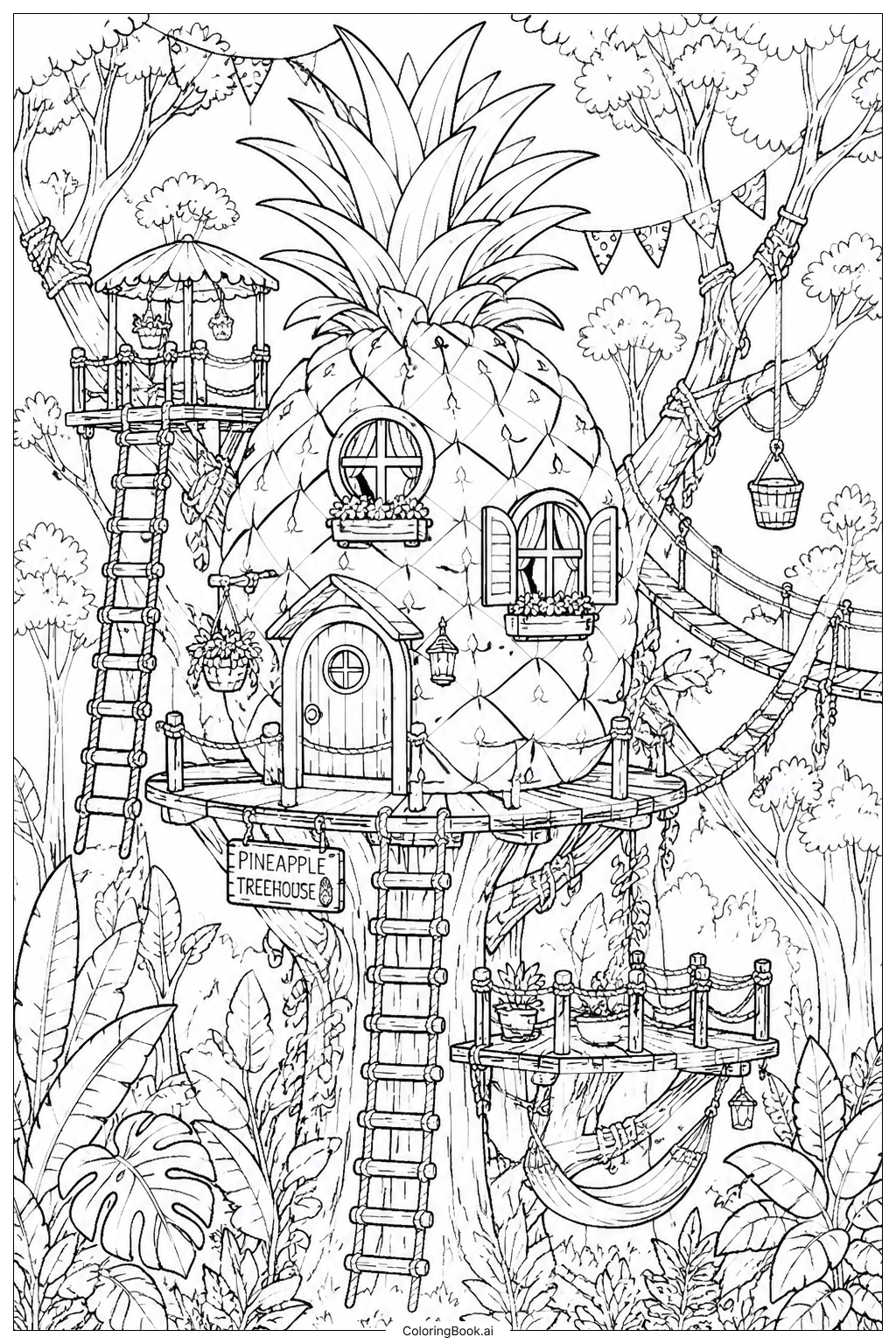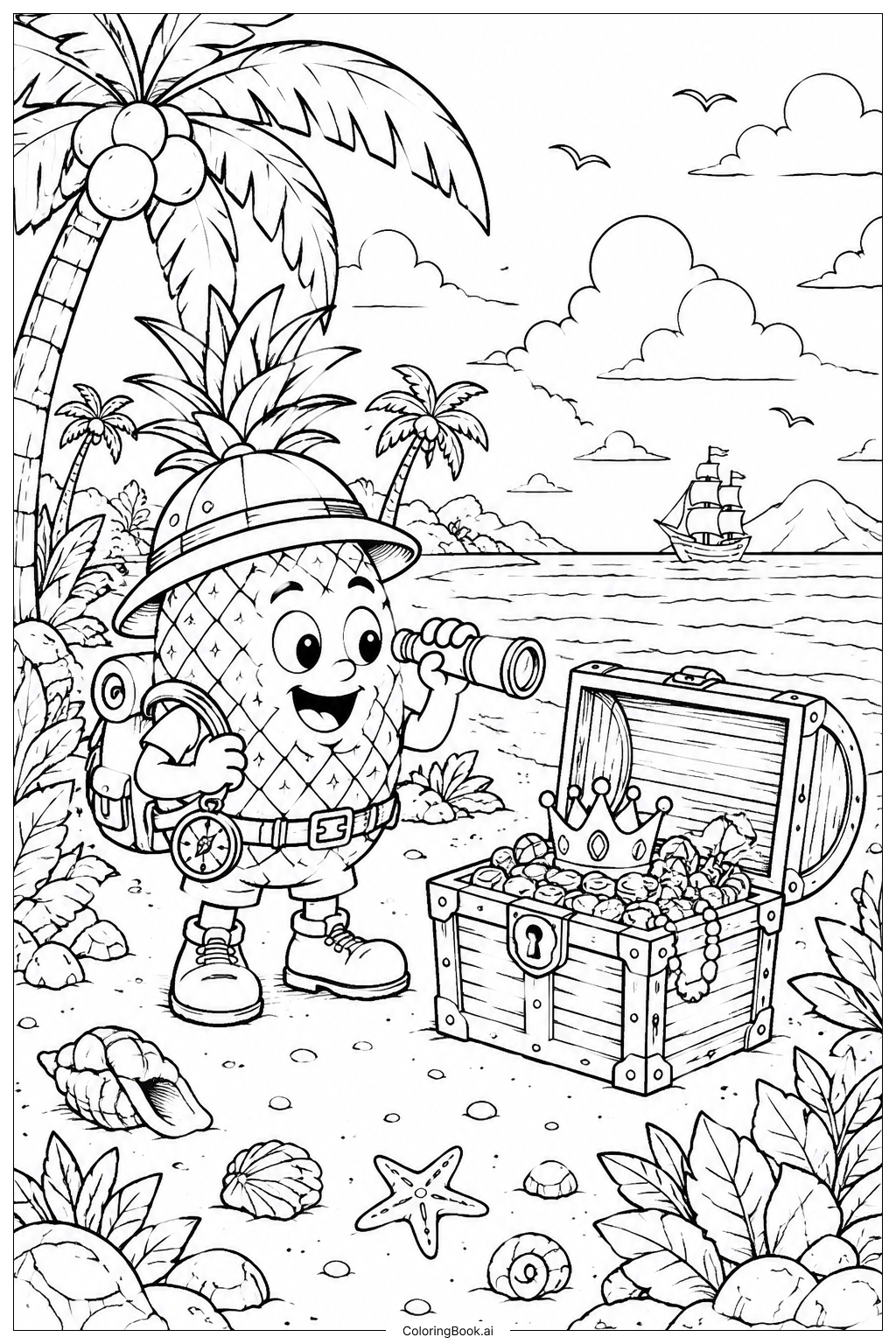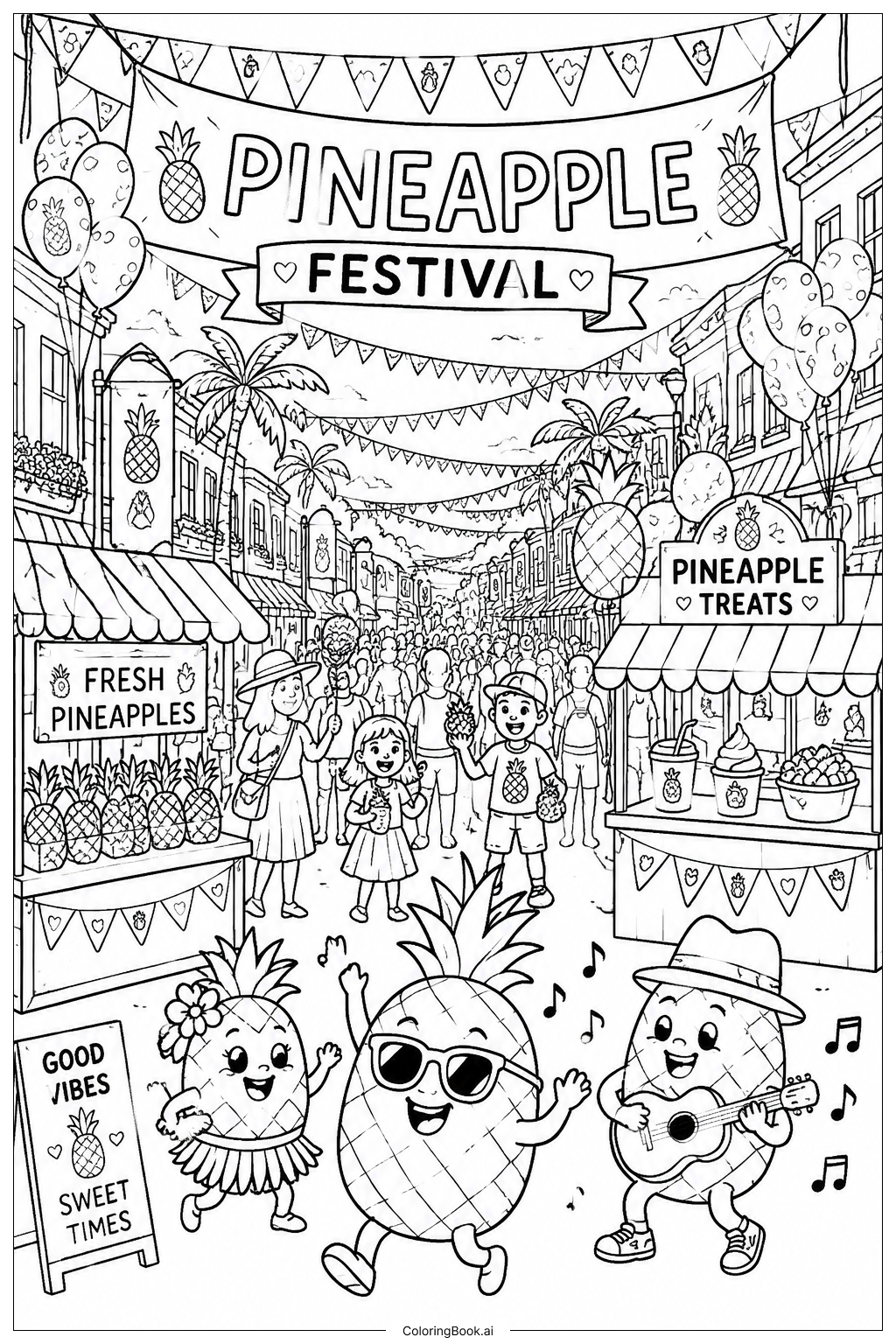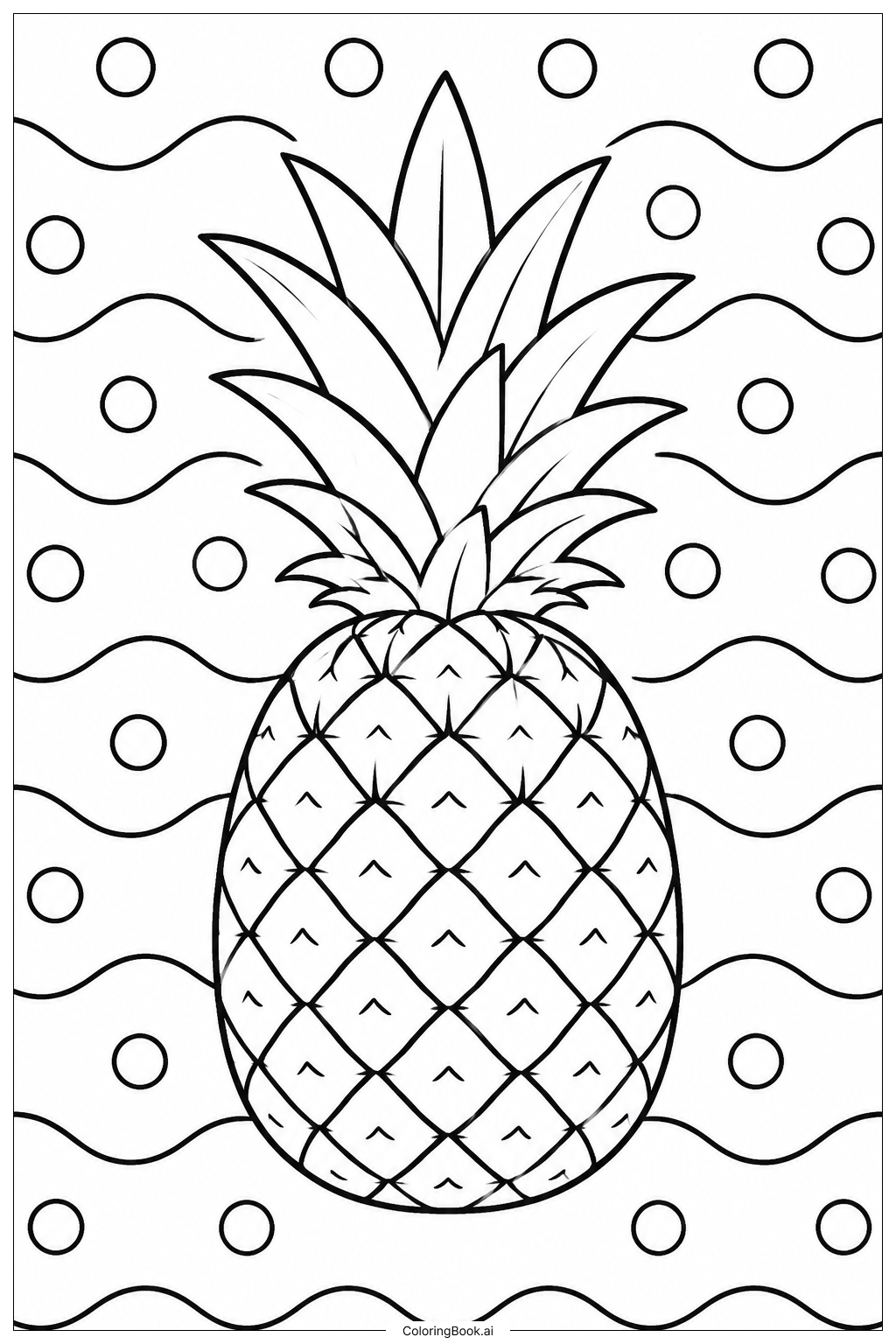
Coloring tips: How to color Pineapple With Simple Pattern Background coloring page well?
Try using bright yellows and warm oranges for the pineapple’s body to make it look fresh and lively. The diamond shapes can be shaded with light brown or golden tones to add depth. For the leaves, use different shades of green to show their natural variety, from a deep forest green to a lighter, yellow-green. The background pattern can be colored with soft pastel tones like pale blue, lavender, or soft pink to keep the focus on the pineapple while adding a gentle contrast. Using colored pencils or crayons will help you blend and layer colors smoothly. Take your time and enjoy making each section unique!
Coloring challenges: Which parts are difficult to color and need attention for Pineapple With Simple Pattern Background coloring page?
• Pineapple Texture: The diamond pattern on the pineapple’s skin requires careful coloring to stay inside each small shape, which can be challenging for younger children.
• Leaf Details: The leaves have sharp, narrow edges and varying lengths, which can test fine motor skills and precision.
• Background Pattern Consistency: The repeated geometric shapes in the background require consistent coloring to maintain the simple, soothing effect without becoming too busy.
• Balancing Colors: Choosing colors that make the pineapple pop without clashing with the background means paying attention to color harmony.
• Shading and Depth: Adding shading to suggest the pineapple’s three-dimensional texture and leaf curves can be tricky but adds realism if done well.
Benefits of coloring books: Advantages of drawing Pineapple With Simple Pattern Background coloring page
Coloring this pineapple image helps improve attention to detail by encouraging focus on small patterns. It also develops fine motor skills needed to color inside complex shapes like the diamond skin and leaf outlines. The simple background pattern offers a calming, meditative effect, supporting relaxation as you color. By experimenting with color choices and blending, you can boost creativity and learn about color harmony. Older children can practice shading techniques, while younger ones can develop confidence in controlling the coloring tools. Overall, this image offers a fun way to combine creativity with skill-building.