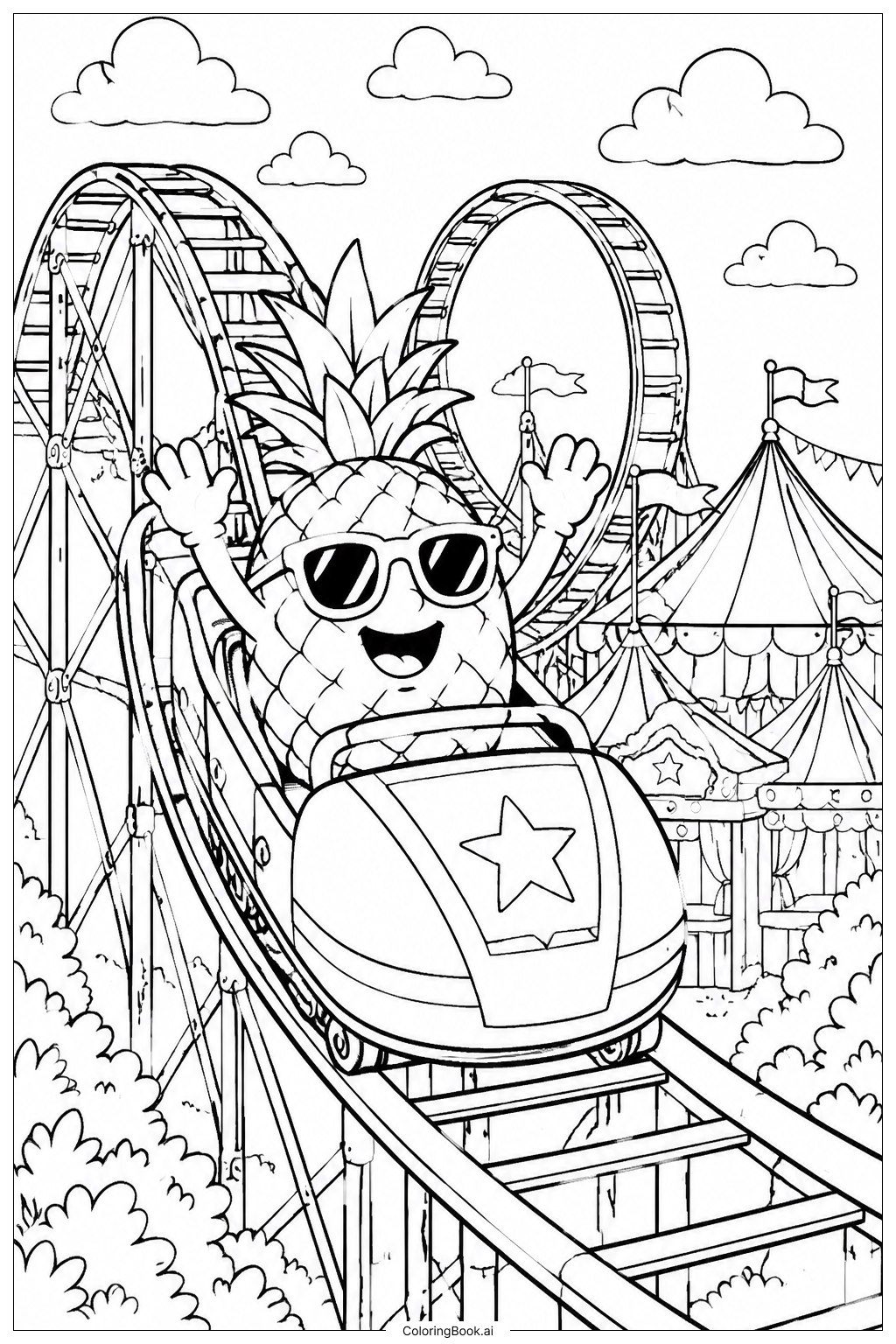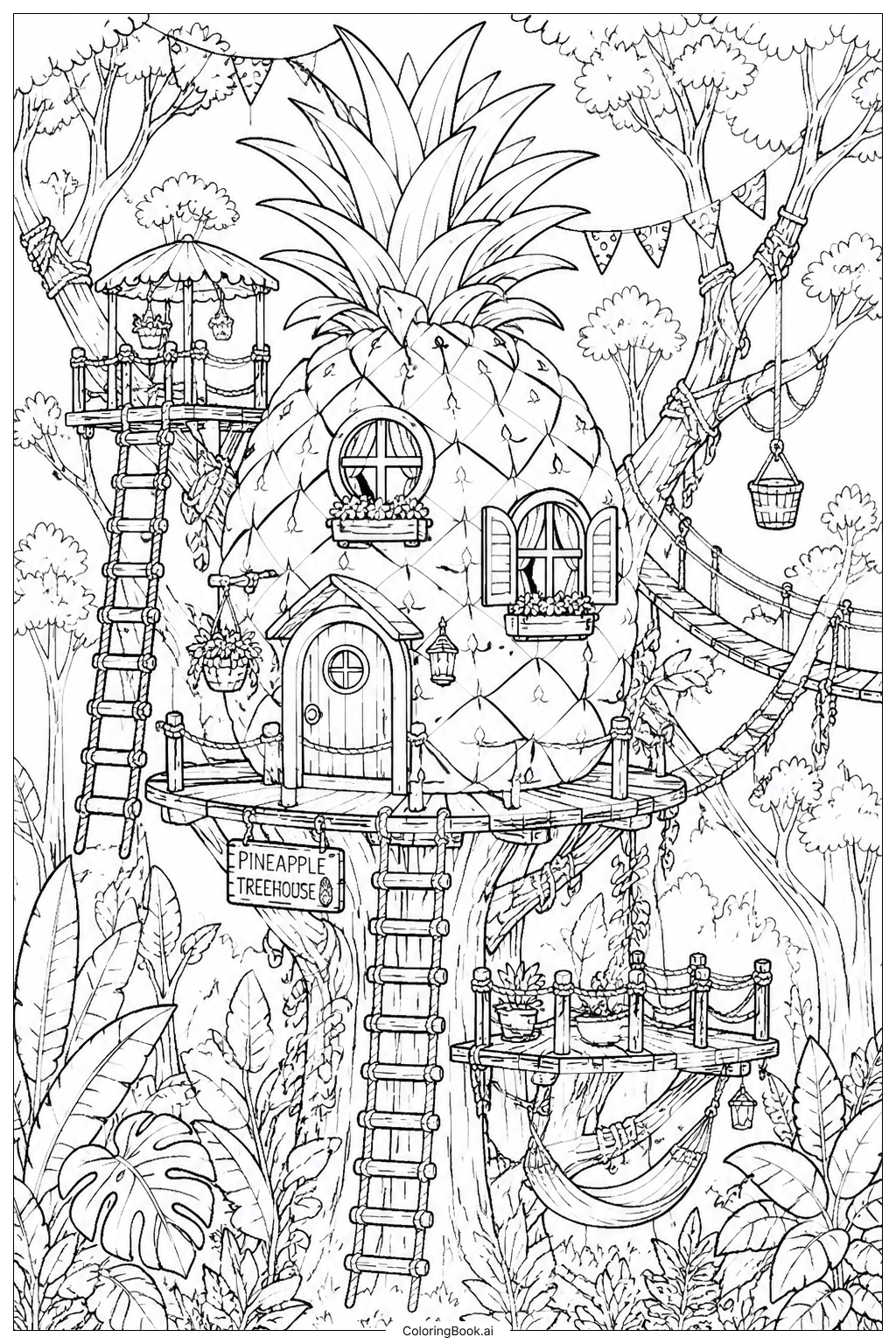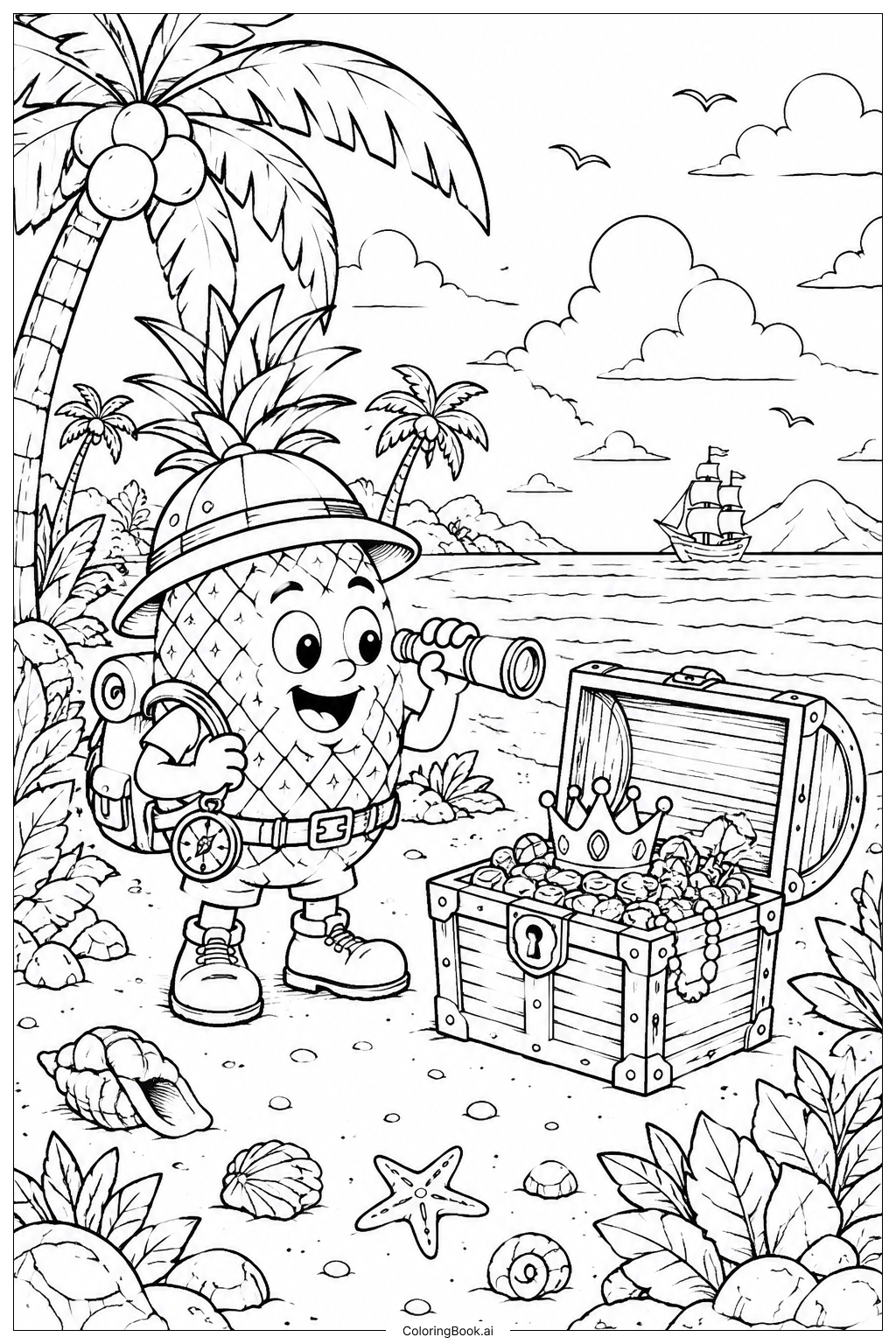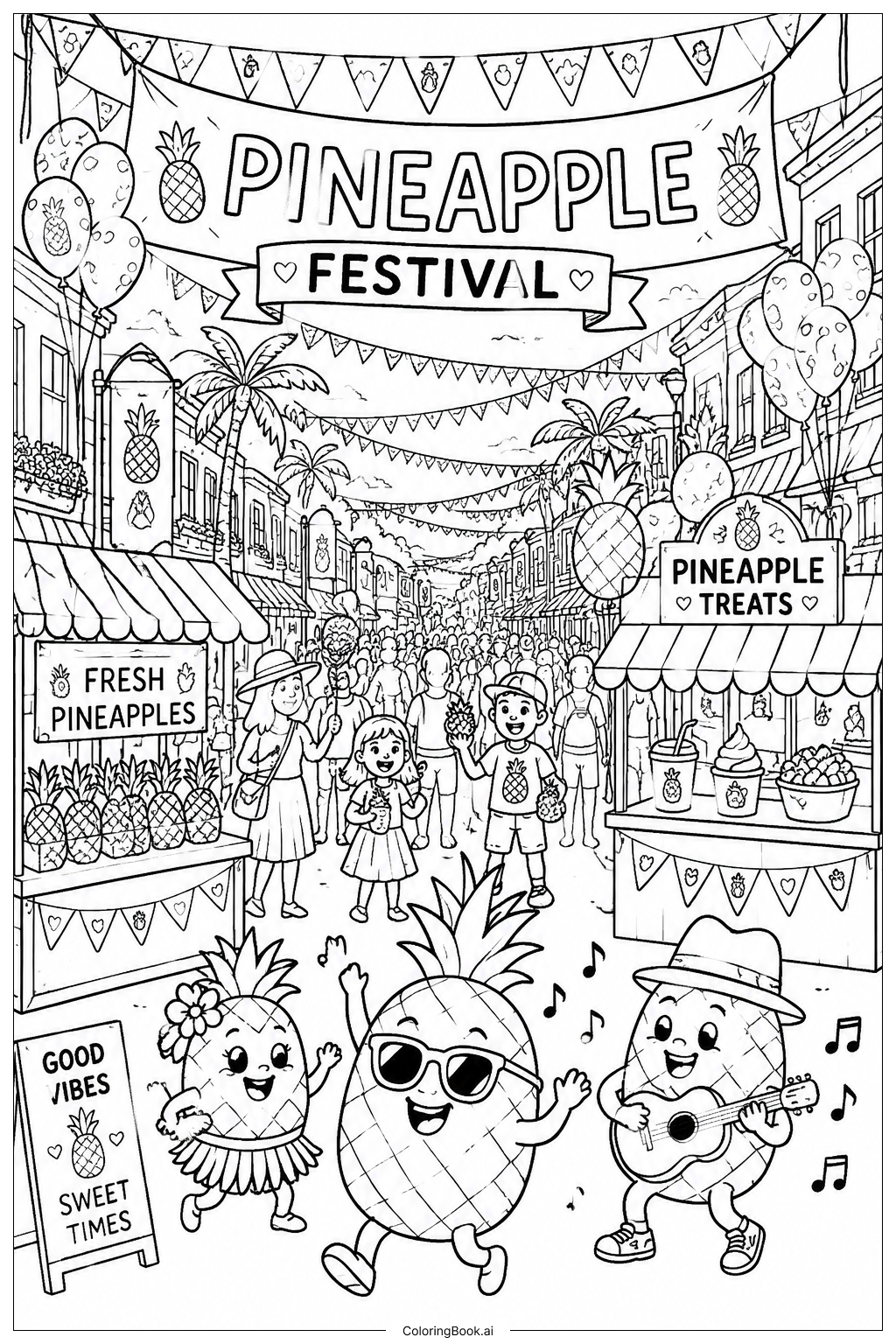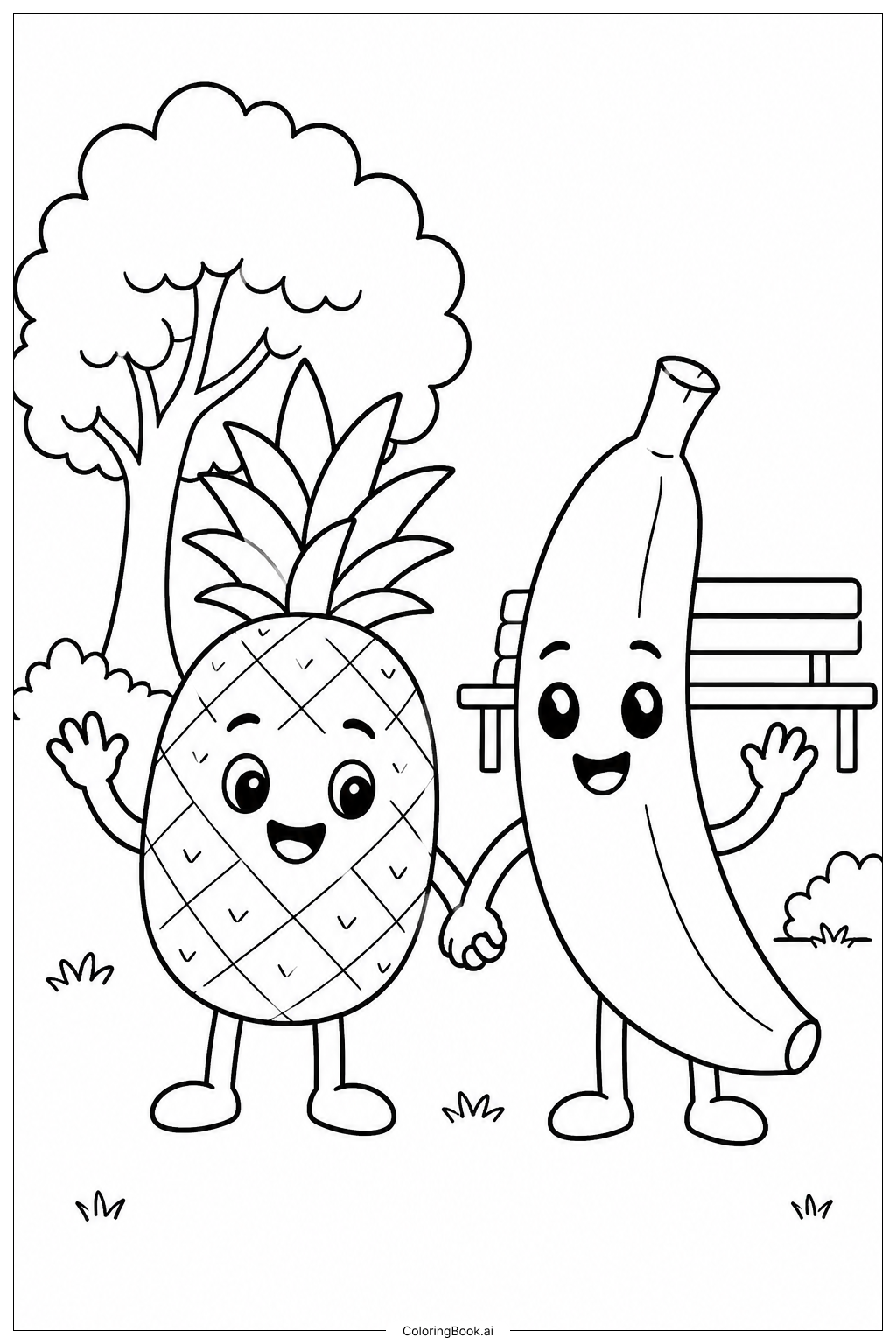
Coloring tips: How to color Pineapple And Banana Friends coloring page well?
For the Pineapple, use vibrant yellows and golden tones for the body. The leaves on top can be colored in various shades of green to add depth and interest. The banana can be colored in bright yellow with subtle touches of light brown or cream on the edges to show natural ripeness. You can add a rosy pink or soft orange blush to their cheeks to make them look even friendlier and lively. Feel free to experiment with bright colors for the background, such as light blue or pastel colors, to make the friends pop and keep the scene cheerful and engaging. Remember to keep the colors bright and fun to match their happy expressions.
Coloring challenges: Which parts are difficult to color and need attention for Pineapple And Banana Friends coloring page?
• The Pineapple’s textured body, with its diamond-shaped pattern, requires careful coloring to maintain neatness and avoid coloring outside the lines.
• The spiky leaves on the Pineapple’s crown involve small details that can be tricky for younger children to color evenly.
• The Banana’s curved shape requires following smooth lines to keep the color filling balanced and consistent.
• Adding shading or subtle color gradients to show the natural ripeness of the Banana might be challenging but can enhance the realism.
• Coloring the friendly faces, especially the eyes and smiles, needs attention to detail to preserve their cheerful expressions without smudging.
Benefits of coloring books: Advantages of drawing Pineapple And Banana Friends coloring page
Coloring this image helps develop fine motor skills by encouraging children to color within intricate patterns like the Pineapple’s body. It also fosters creativity through choosing colors for both familiar fruits and their environment. The friendly fruit characters promote positive social lessons about friendship and kindness. Coloring the lively expressions of Pineapple and Banana allows children to practice focus and attention to detail. Overall, it provides a fun, engaging way for children aged 4–16 to improve hand-eye coordination while expressing themselves artistically.