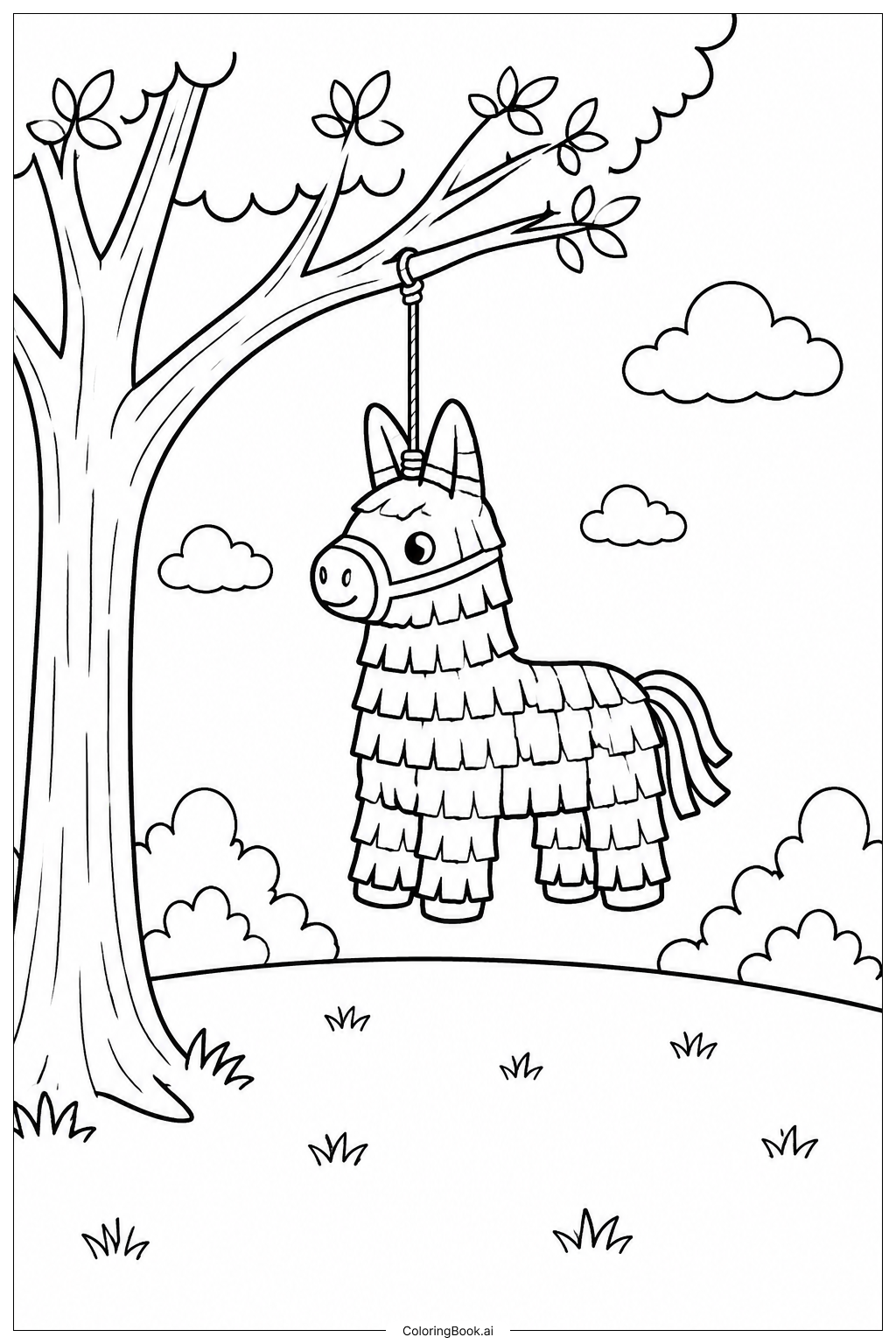
Coloring tips: How to color Pinata Hanging From Tree coloring page well?
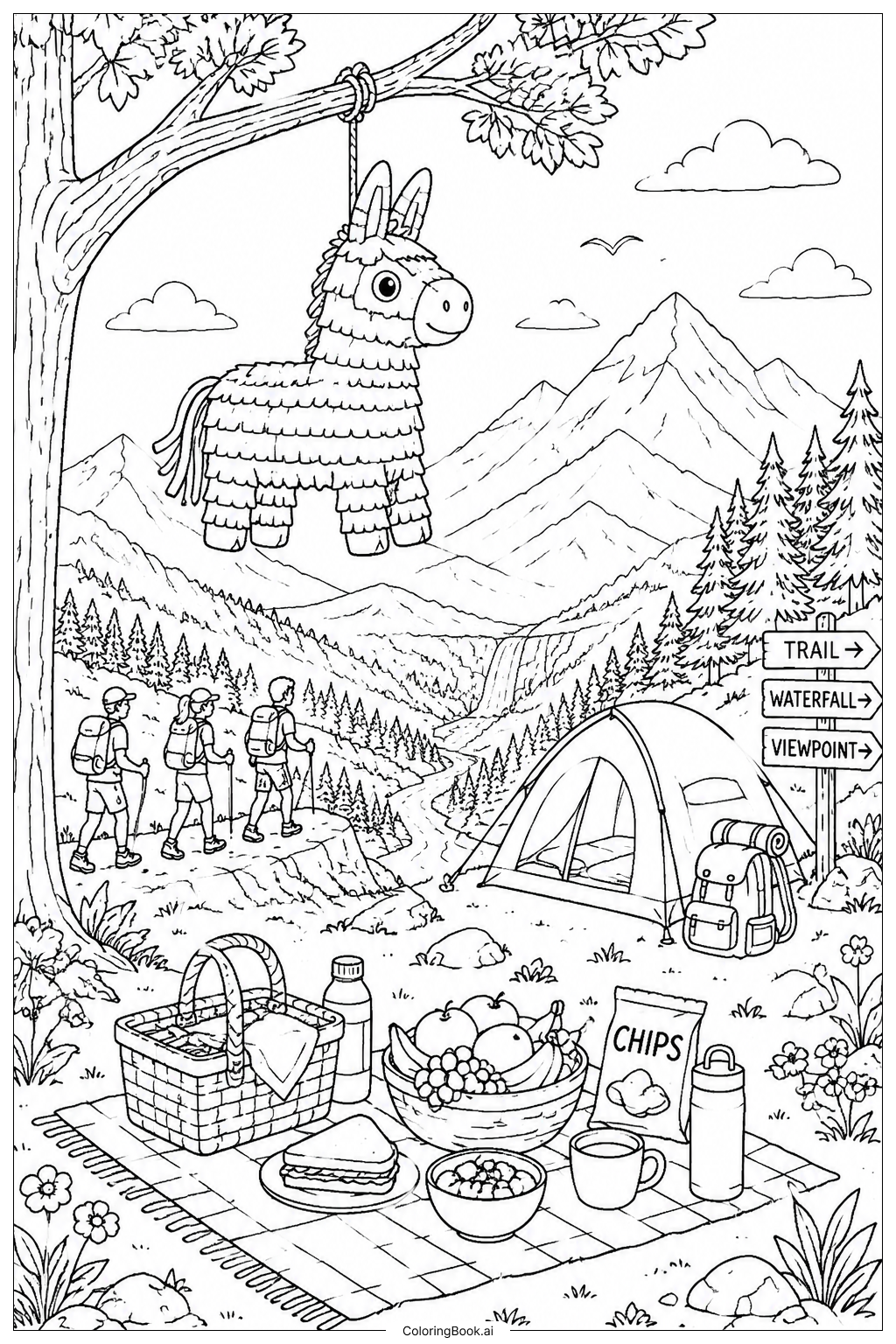
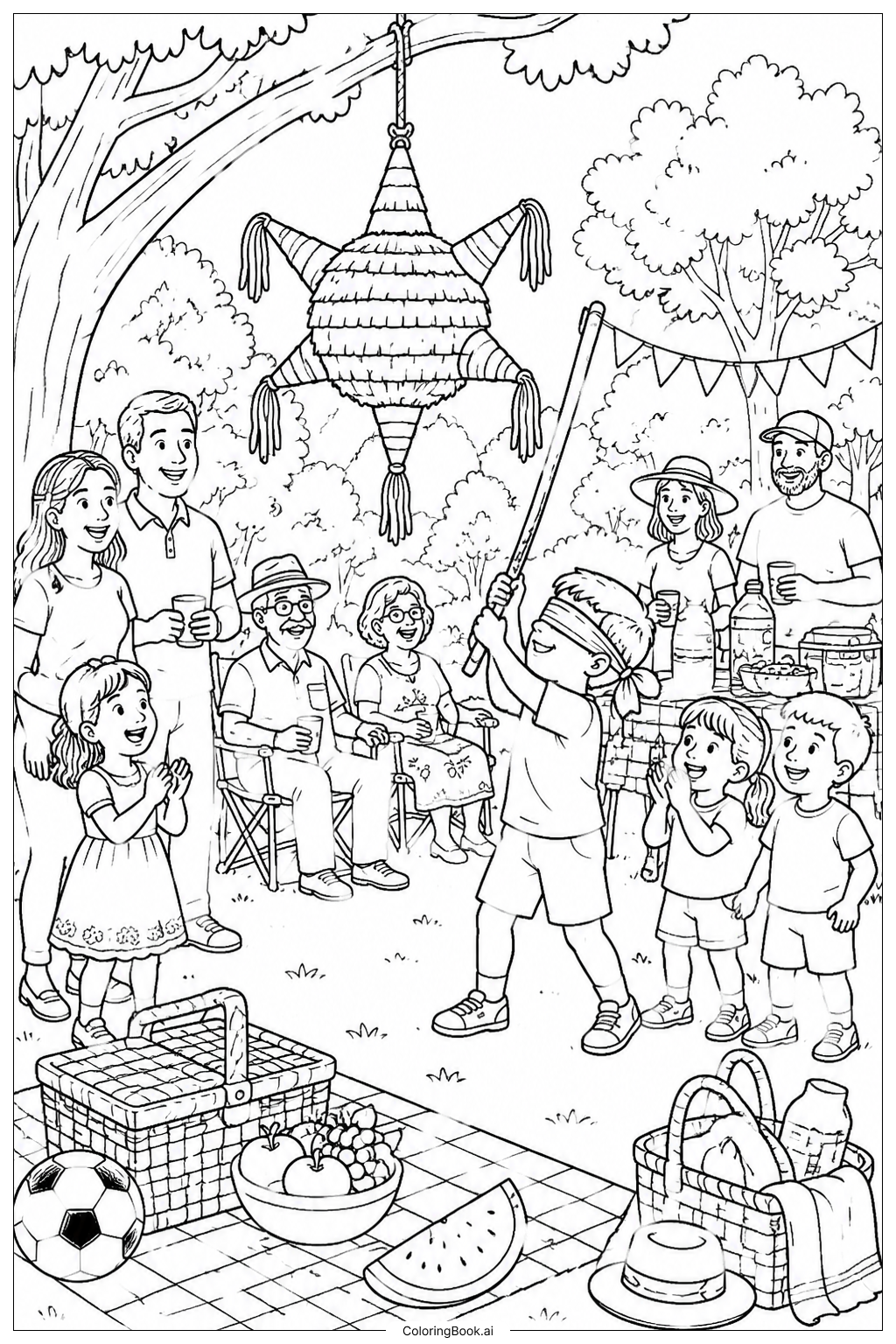
Start by coloring the tree branch using different shades of brown. Add patches of dark brown for texture and lighter tan tones for highlights. Use green for the leaves and mix in yellow-green to make them look lively.
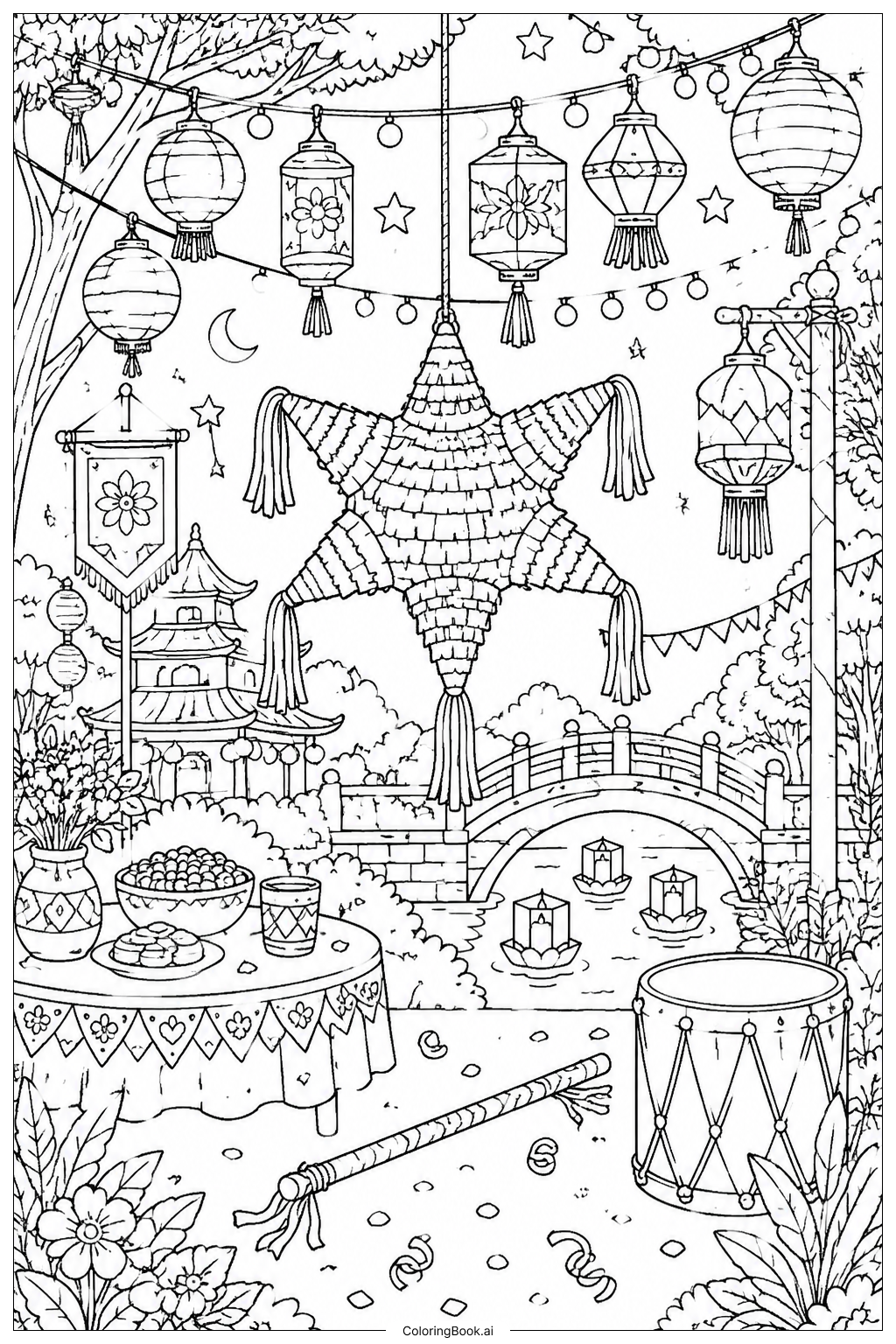
For the pinata, go bold and bright. Use red, orange, yellow, blue, and purple for each pointed tip, alternating the colors so every section stands out. Color the fringes and tassels in lighter shades of the same hues to keep them looking soft and fluffy.
Try using circular strokes when coloring the tassel areas to give them a round, textured look. Add a bit of white or light yellow at the center of the pinata to create a glowing effect. Use a darker version of each color along the edges to add depth and dimension. The overall palette should feel festive, warm, and full of energy — just like a real fiesta!
Coloring challenges: Which parts are difficult to color and need attention for Pinata Hanging From Tree coloring page?
Coloring this image comes with several challenges that require patience and attention to detail. Here are the key difficulties to keep in mind:
• Fringe and Tassel Detail: The pinata is covered in layered fringes and dangling tassels. Each row has its own texture and overlaps with the one below it. Coloring these tiny sections neatly without smearing into neighboring areas can be tricky, especially for younger children. Using a fine-tipped marker or a sharpened colored pencil will help a lot here.
• Color Transitions on the Pinata Points: The star shape has multiple pointed tips, and each one should ideally have its own color. Blending or switching colors smoothly between each point, while keeping the sections clearly separated, requires steady hands and careful color choices.
• Tree Bark Texture: The branch has a rough, natural texture with curves and lines running along its surface. Capturing realistic bark detail means layering at least two or three brown tones and leaving some areas lighter than others. This can feel overwhelming without a clear plan.
• Depth and Shadow: Creating a sense of three-dimensional shape on both the pinata body and the hanging ropes adds complexity. Shading the underside of each tassel slightly darker than the top helps them look rounded, but this level of detail takes practice.
• Small Connector Elements: The rope or string connecting the pinata to the branch is thin and easy to miss. Coloring it accurately in a natural rope color without accidentally coloring over adjacent areas is a small but real challenge for careful coloring.
Benefits of coloring books: Advantages of drawing Pinata Hanging From Tree coloring page
Coloring this pinata scene offers a wonderful mix of fun and learning for kids of all ages.
First, it builds fine motor skills. Carefully staying within the lines of the fringes, tassels, and small pinata sections trains hand muscles and improves pencil control — skills that carry over into writing and other activities.
Second, it sparks creativity. There is no single correct way to color a pinata. Kids get to choose their own color combinations, experiment with patterns, and express their personal style. This freedom builds confidence and encourages imaginative thinking.
Third, it teaches color theory in a playful way. Picking which colors go next to each other on the pinata points introduces children to concepts like contrast, complementary colors, and visual balance — all without it feeling like a lesson.
Fourth, it supports focus and calm. The repetitive motion of coloring section by section helps children practice concentration and patience. It can be a relaxing and meditative activity, especially useful for winding down after an active day.
Finally, it connects kids to cultural traditions. The pinata is a beloved symbol of Latin American celebrations. Engaging with this image can spark curiosity about different cultures and the joy of shared festivities.