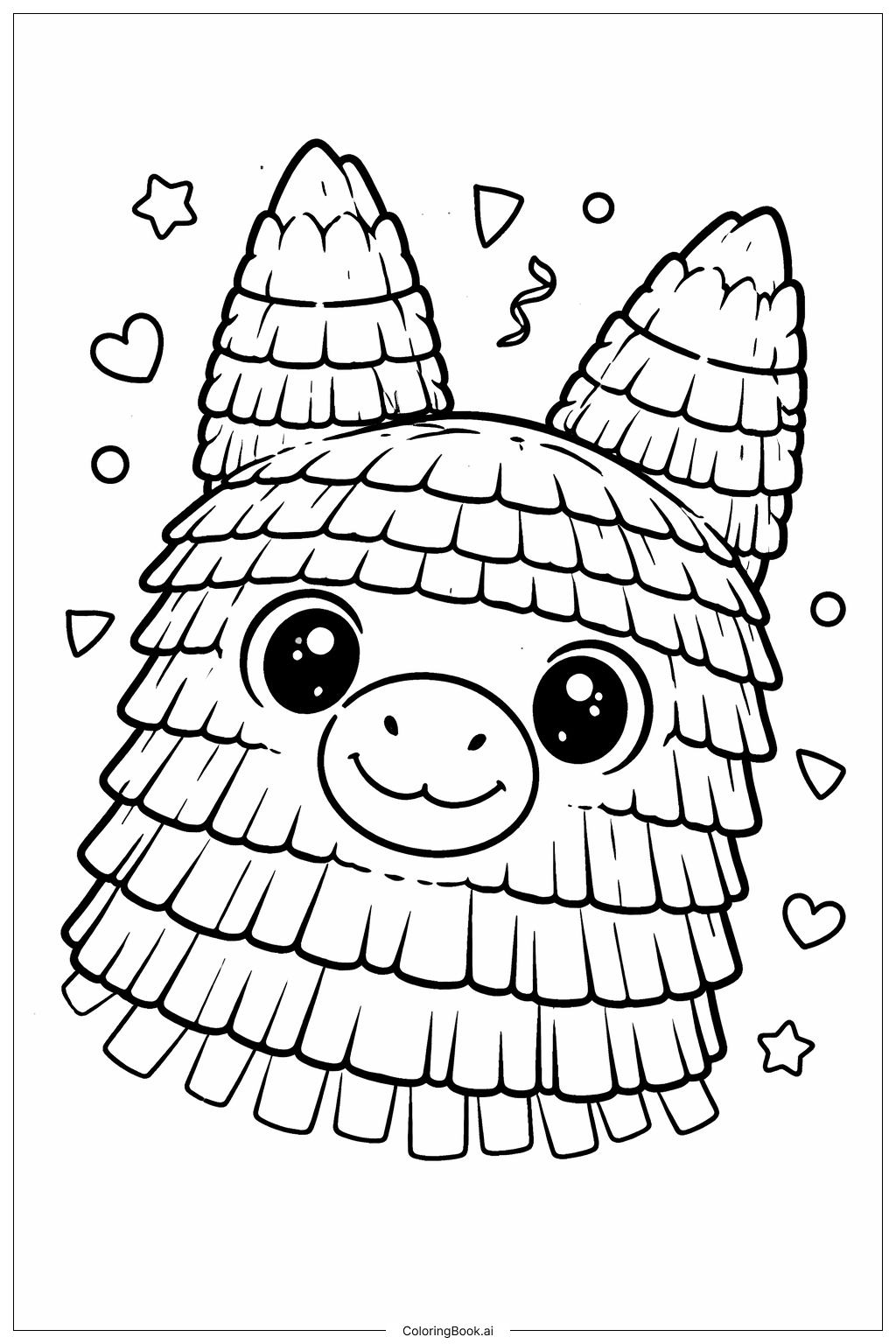
Coloring tips: How to color Pinata Face Closeup coloring page well?
This Pinata Face Closeup is a festive and fun image to color! Here are some tips to make it look amazing. Start with the facial features first — color the eyes, nose, and mouth using bold, easy-to-see colors like black, brown, or dark blue so they stand out. Next, move on to the layered tissue paper frills surrounding the face. Pinatas are famous for their bright, cheerful colors, so feel free to use reds, yellows, greens, blues, pinks, and purples. Try alternating colors row by row to give it that classic festive look. You can also use a light color first and then add a slightly darker shade on the edges of each frill to create a sense of depth and texture. Crayons and colored pencils both work great for this image. If you want extra brightness, gel pens or markers can make the colors really pop. There are no strict rules — mix and match colors you love and make your pinata totally unique!
Coloring challenges: Which parts are difficult to color and need attention for Pinata Face Closeup coloring page?
• Layered Frills and Tissue Paper Texture: The pinata's surface is covered with many rows of ruffled, overlapping tissue paper frills. Coloring each layer separately without smudging into neighboring sections requires a steady hand and careful attention. Using a fine-tipped coloring tool can help define each individual row cleanly.
• Consistent Color Gradients Across Frills: Because the frills overlap in a repetitive pattern, maintaining a consistent color scheme across the entire face without making it look flat or patchy can be tricky. Planning your color layout before you start is highly recommended.
• Facial Feature Detailing: The eyes, nose, and mouth of the pinata face are small and placed within a rounded shape surrounded by frills. Coloring these features neatly without accidentally coloring into the surrounding texture requires precision and possibly a very thin marker or colored pencil tip.
• Keeping Colors Vibrant Without Overworking the Paper: Pinatas are known for their bright, festive colors. Achieving that bold, cheerful look means applying color with enough pressure to look vivid, but not so much that the paper warps or tears, especially in tightly detailed areas.
• Balancing Color Variety With Visual Harmony: Since a pinata is typically multi-colored, deciding which colors to place where — and making sure they complement rather than clash — is a creative challenge. Too many random colors can look chaotic, while too few can seem dull. Thoughtful color planning makes a big difference in the final result.
Benefits of coloring books: Advantages of drawing Pinata Face Closeup coloring page
Coloring this Pinata Face Closeup page offers wonderful benefits for children and beginners alike. It helps develop fine motor skills as kids carefully fill in the layered tissue paper frills and facial features with precision. The repetitive motion of coloring builds hand strength and improves pencil or crayon control over time. Focusing on a detailed image like this also strengthens concentration and patience, as children learn to stay within the lines and work section by section. Choosing colors for the pinata encourages creative thinking and personal expression — there is no wrong answer when it comes to picking vibrant shades! Coloring can also be a calming, stress-relieving activity that allows kids to unwind and enjoy a quiet, screen-free experience. Completing the page gives a sense of accomplishment and boosts self-confidence. For older children, blending colors and experimenting with shading adds an artistic challenge that nurtures deeper creative skills. Overall, this pinata coloring page is a fun and rewarding activity that supports both emotional well-being and artistic growth.