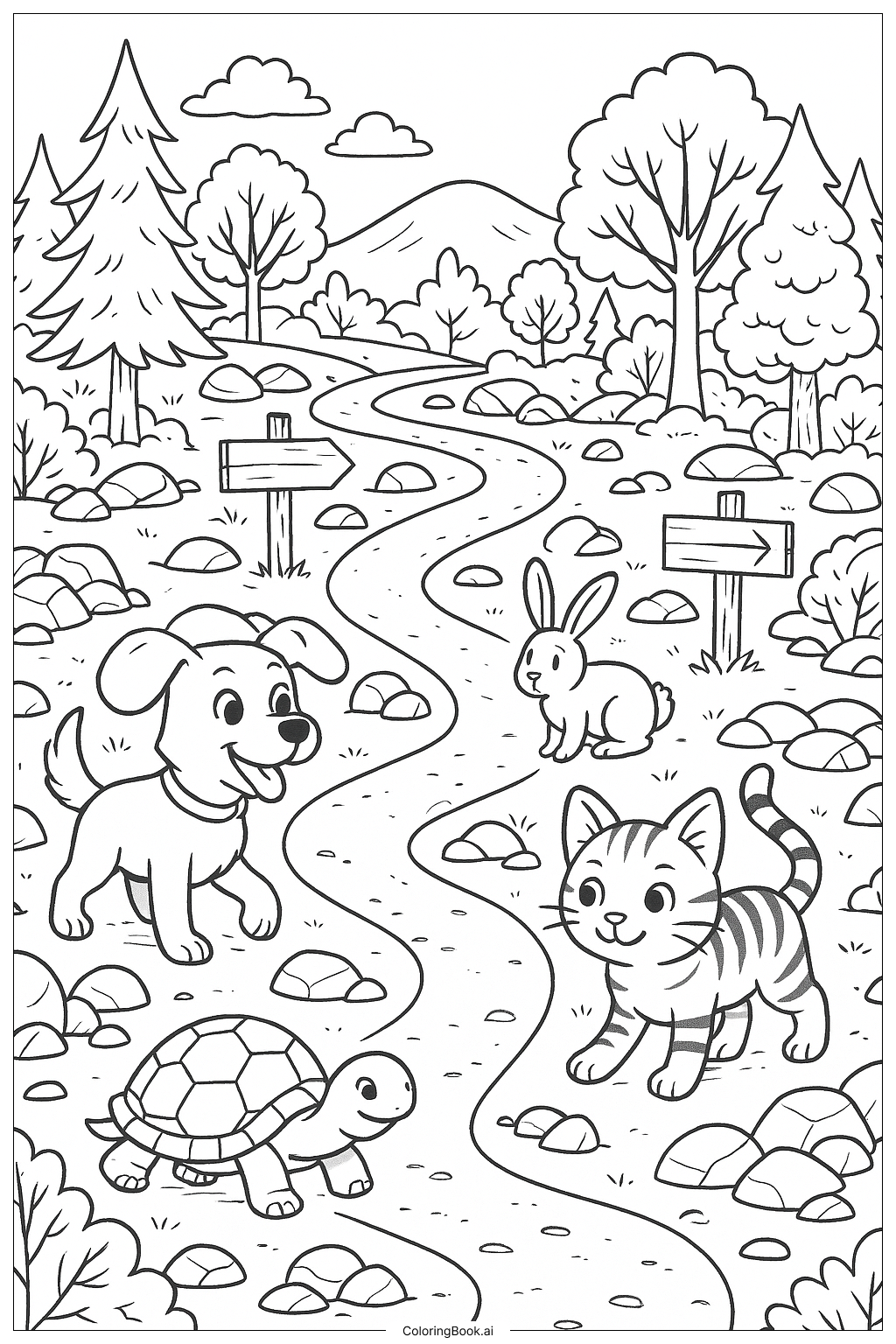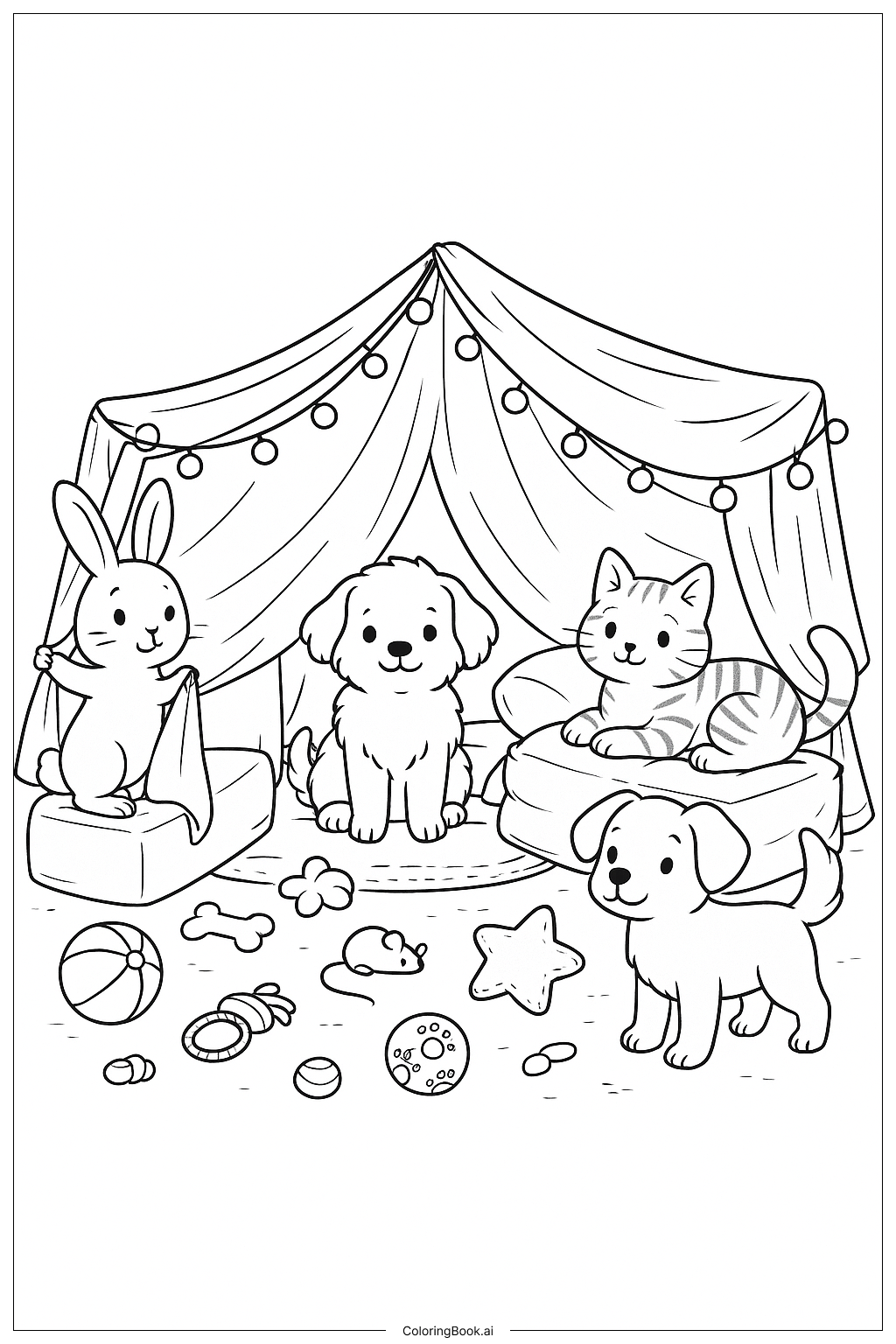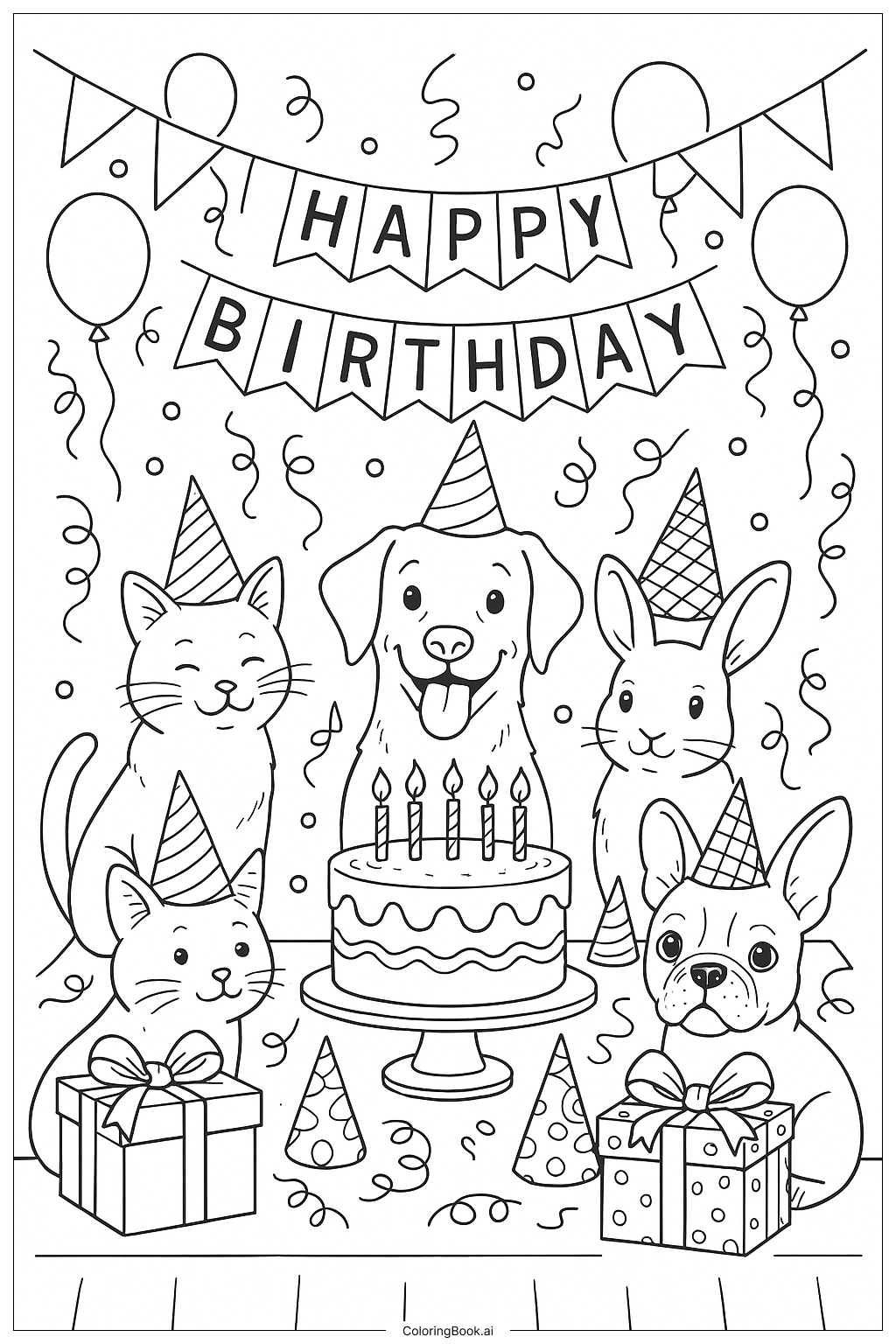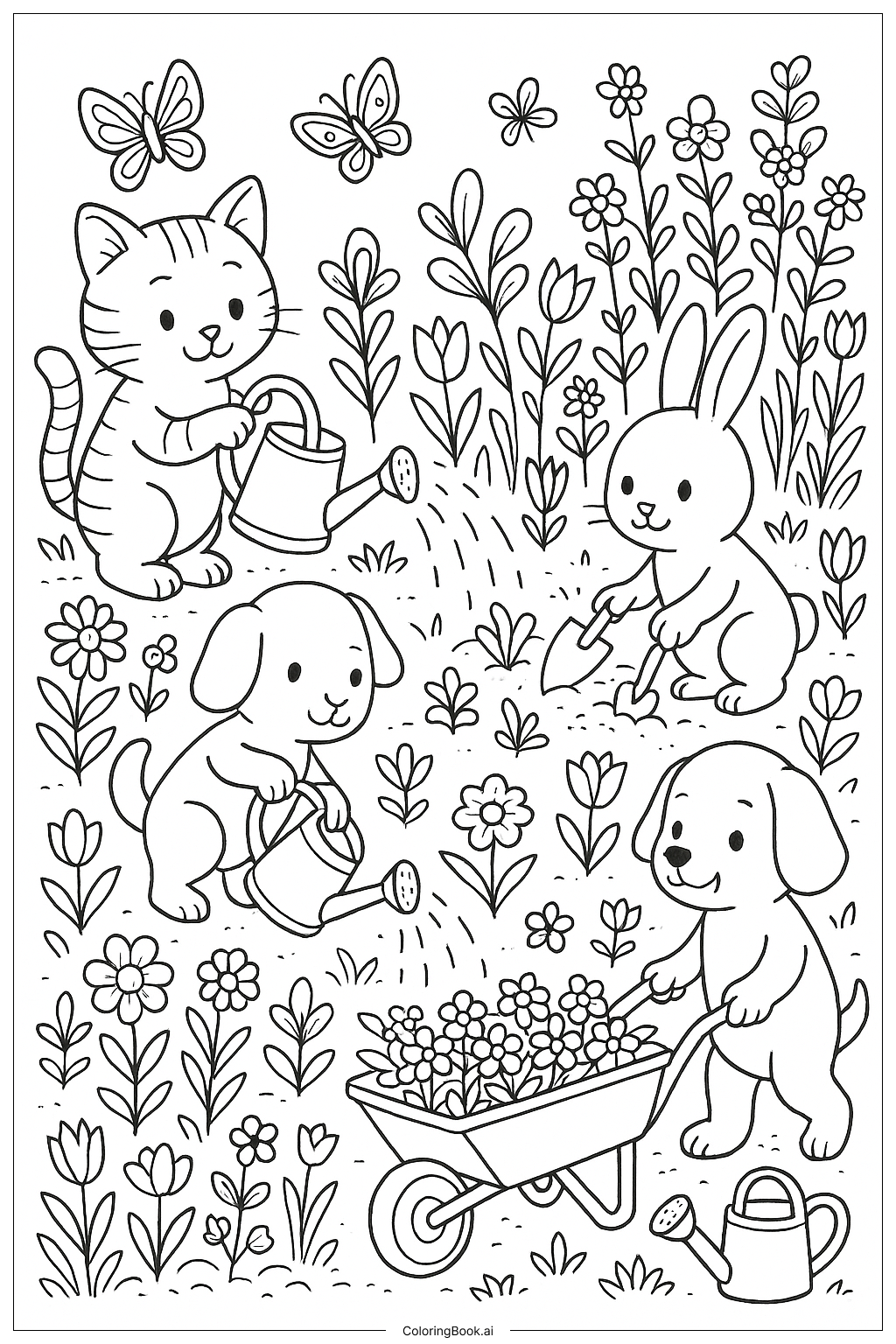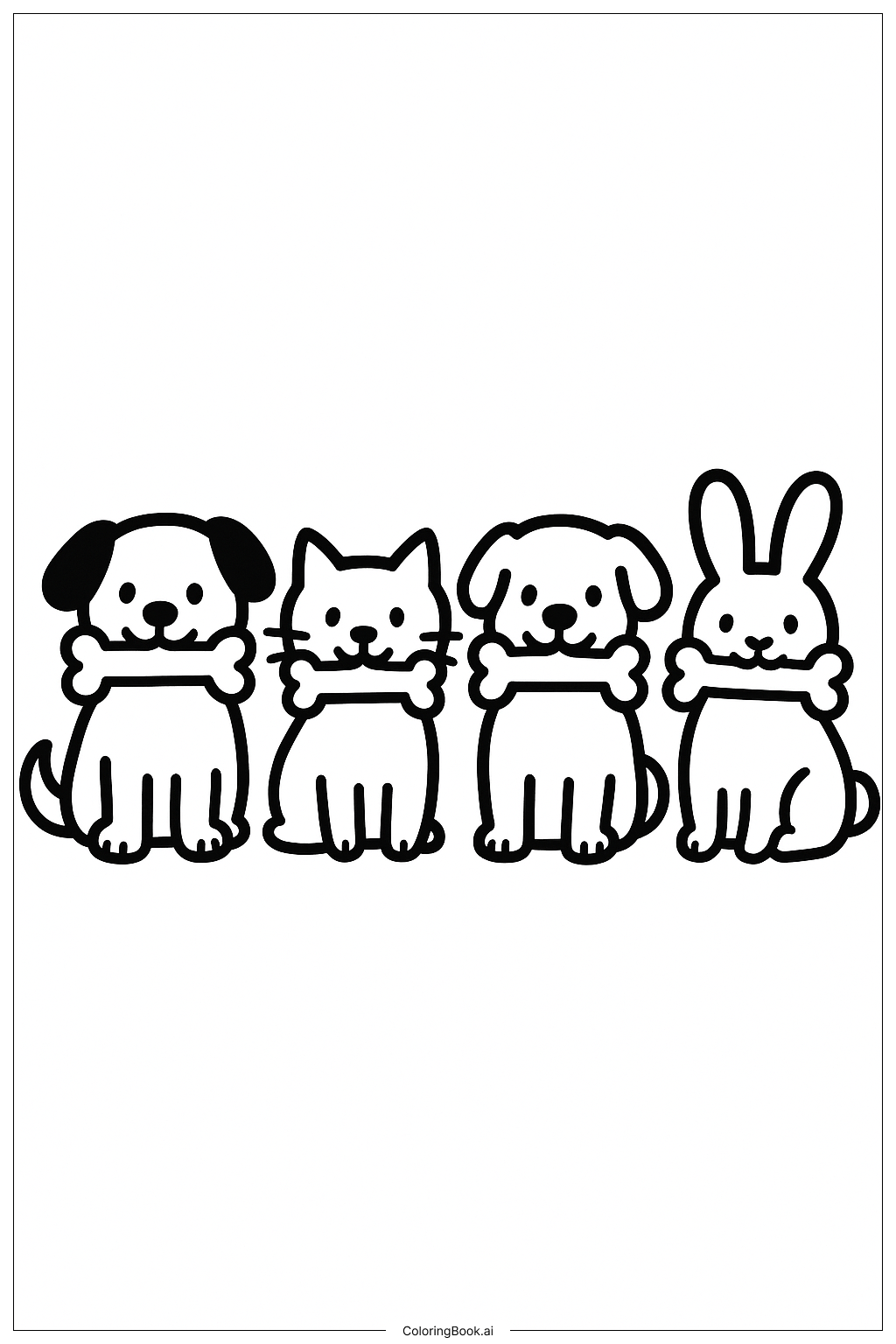
Coloring tips: How to color Pets With Toy Bone coloring page well?
Start with the pet's body using warm, natural tones. Light brown, golden yellow, or creamy white work great for a dog's fur. Use slightly darker shades along the edges to show depth and texture in the fur. For the toy bone, try classic white or ivory with soft gray shadows to give it a three-dimensional look. You can also make it fun by coloring it in bright colors like red, blue, or purple to show it is a playful toy. Add a pink tongue and dark brown or black eyes to bring the pet's face to life. Use a gentle background color like light blue, soft green, or pale yellow to make the pet stand out. Don't forget small details like the claws and ear edges — use a slightly darker shade for contrast. Let kids experiment with their favorite colors freely. There is no wrong way to color a happy pet!
Coloring challenges: Which parts are difficult to color and need attention for Pets With Toy Bone coloring page?
• Fur Texture and Layering: One of the biggest challenges is coloring the pet's fur in a way that looks natural and fluffy. Fur is not one flat color — it has highlights and shadows. Try using two or three shades of the same color, applying the lighter tone first and then adding darker strokes along the edges and between fur lines to create depth and dimension.
• Small Facial Features: The pet's face includes tiny details like the eyes, nose, and mouth that require careful, precise coloring. These areas are very small, so using a fine-tipped colored pencil or a thin marker will help you stay within the lines. The eyes especially benefit from adding a small white dot to create a shiny, lifelike look.
• Toy Bone Shading: Making the toy bone look round and solid rather than flat can be tricky. Apply the base color evenly, then add a slightly darker shade along one side and underneath to create a shadow effect. Leave a small area near the top lighter to suggest a highlight. This simple technique makes the bone look three-dimensional.
• Distinguishing Pet from Background: If the pet's fur color is similar to the background, the image can look muddled. Choose a background color that clearly contrasts with the pet. For example, a golden dog looks great against a light blue or soft green background, helping the pet stand out clearly.
• Consistent Pressure and Blending: Keeping even pressure while coloring larger areas like the pet's body helps avoid streaky or uneven patches. Practice smooth, circular or back-and-forth strokes and gently blend where two colors meet for a polished, clean result.
Benefits of coloring books: Advantages of drawing Pets With Toy Bone coloring page
Coloring this fun Pets With Toy Bone page offers many wonderful benefits for kids and beginners alike. First, it helps develop fine motor skills. Carefully coloring the fur details, small facial features, and the toy bone trains hand muscles and improves pencil control — skills that are helpful in school and everyday life. Second, it encourages creativity. Choosing colors for the pet's fur, the bone, and the background lets kids express themselves freely and build confidence in their own artistic choices. Third, it teaches focus and patience. Staying within the lines and layering colors carefully helps children practice concentration in a fun, low-pressure way. Fourth, it sparks an emotional connection to animals. Coloring a happy pet playing with a toy bone can build empathy and a sense of care toward animals. Kids who love pets will especially enjoy bringing this scene to life with their favorite colors. Finally, it is simply relaxing and enjoyable. Spending time coloring reduces stress, calms busy minds, and gives a great sense of satisfaction when the page is complete. It is a screen-free activity the whole family can enjoy together.