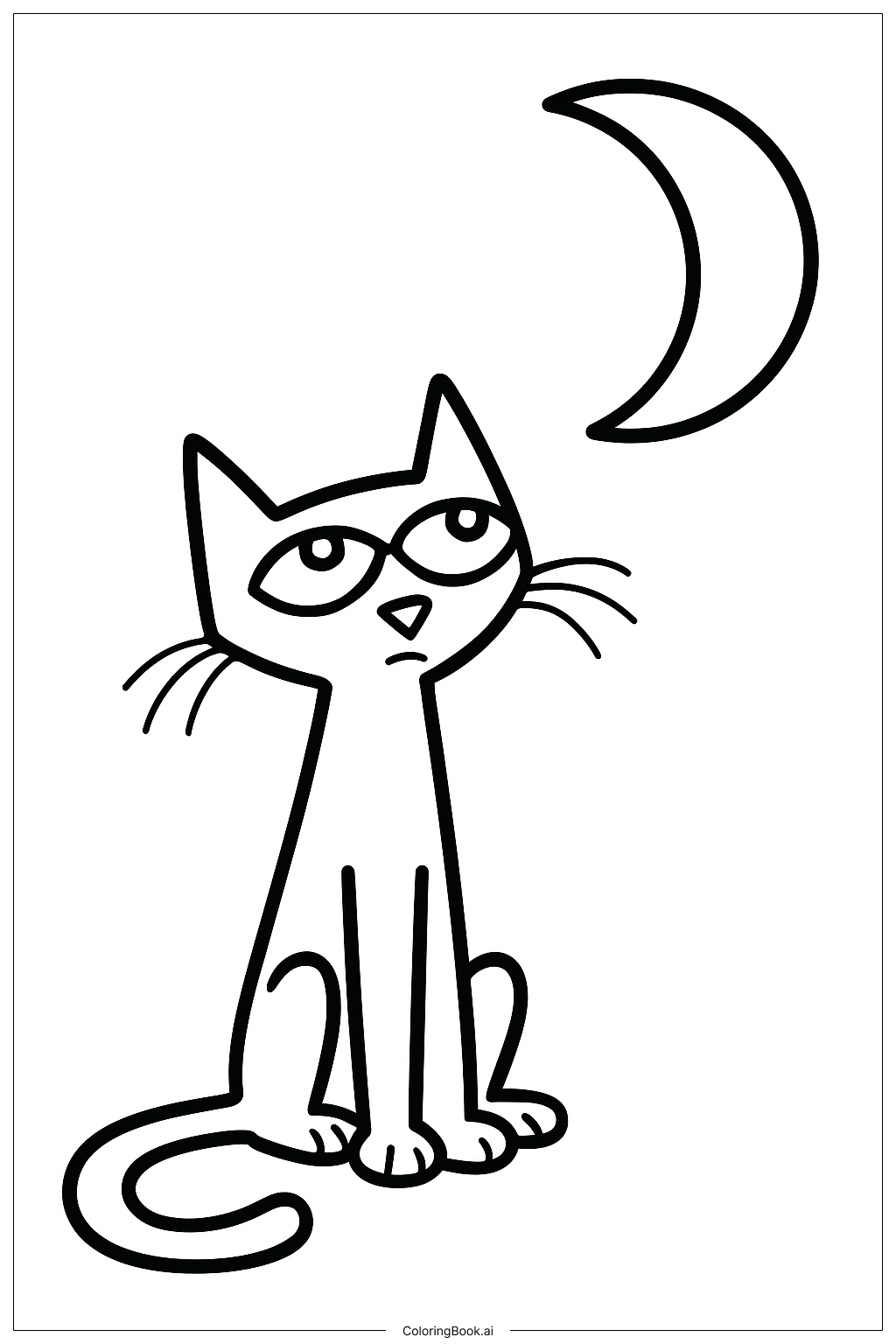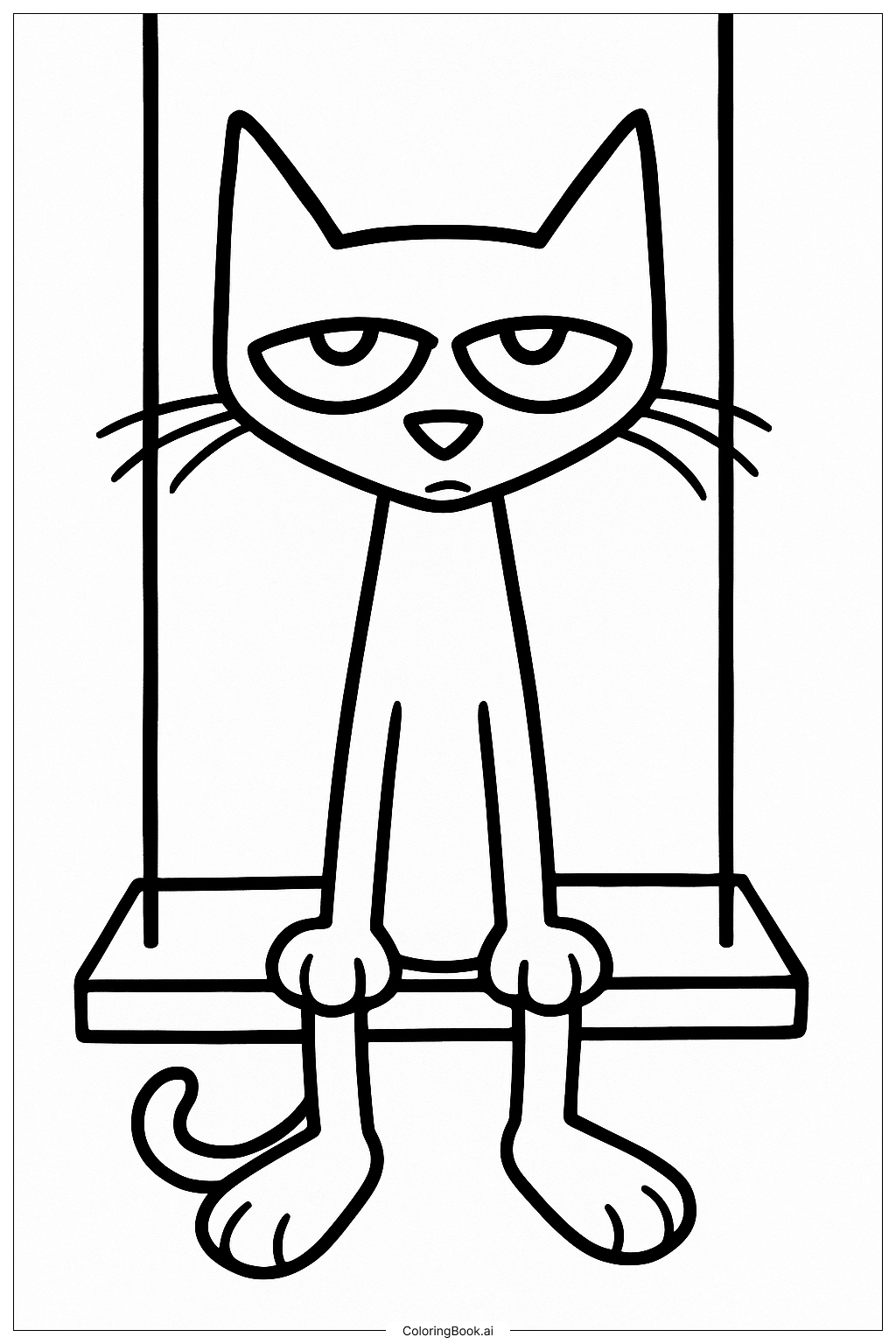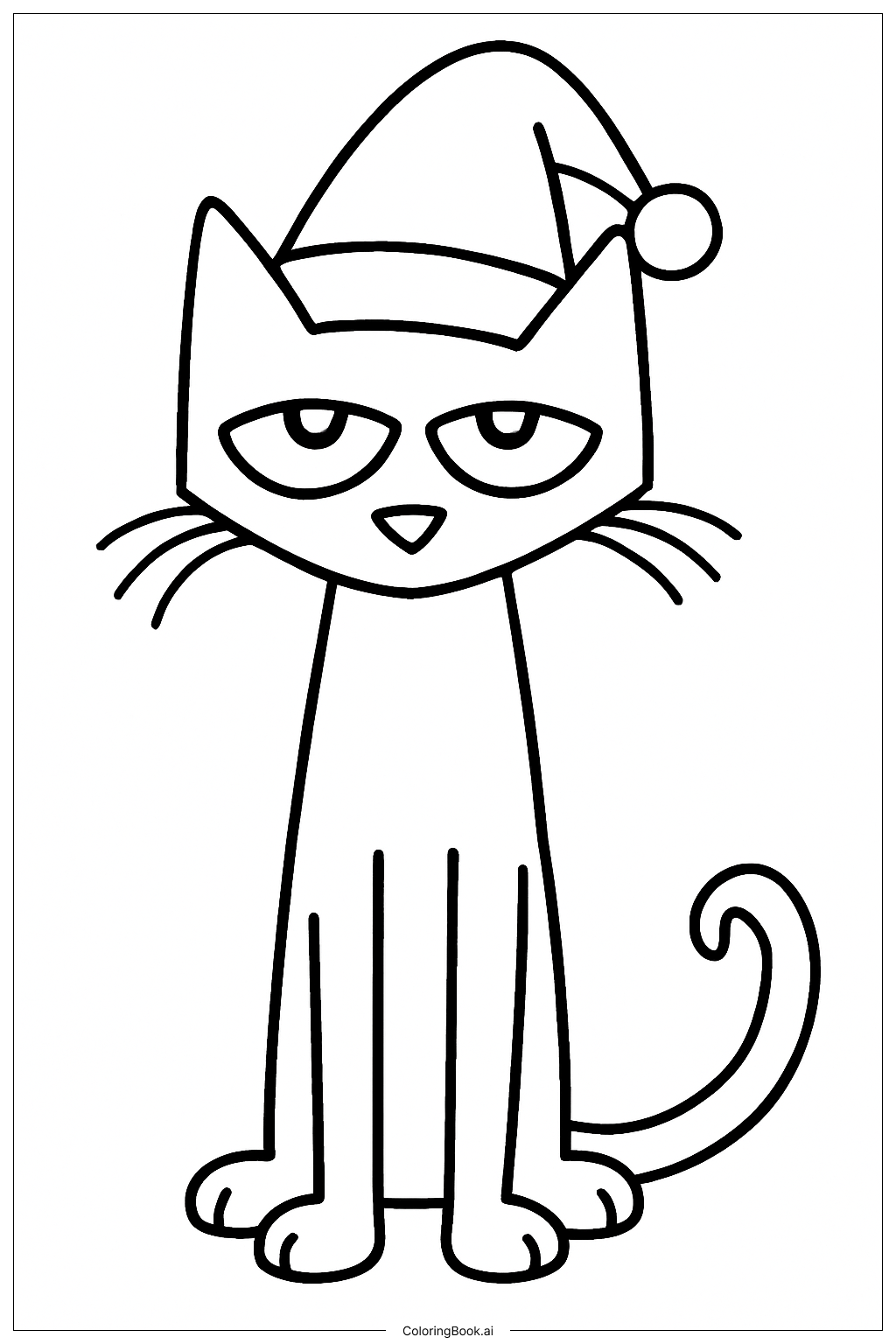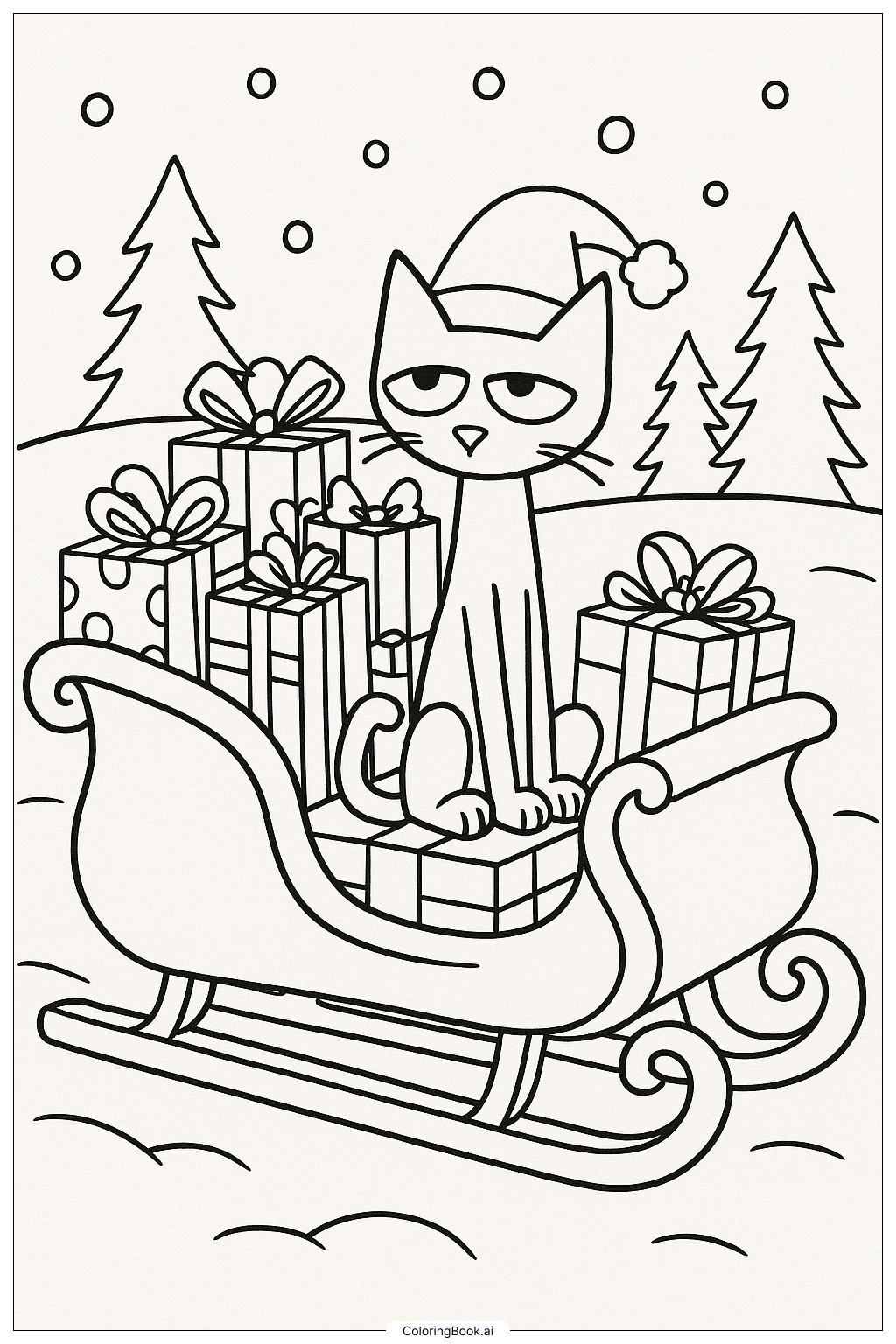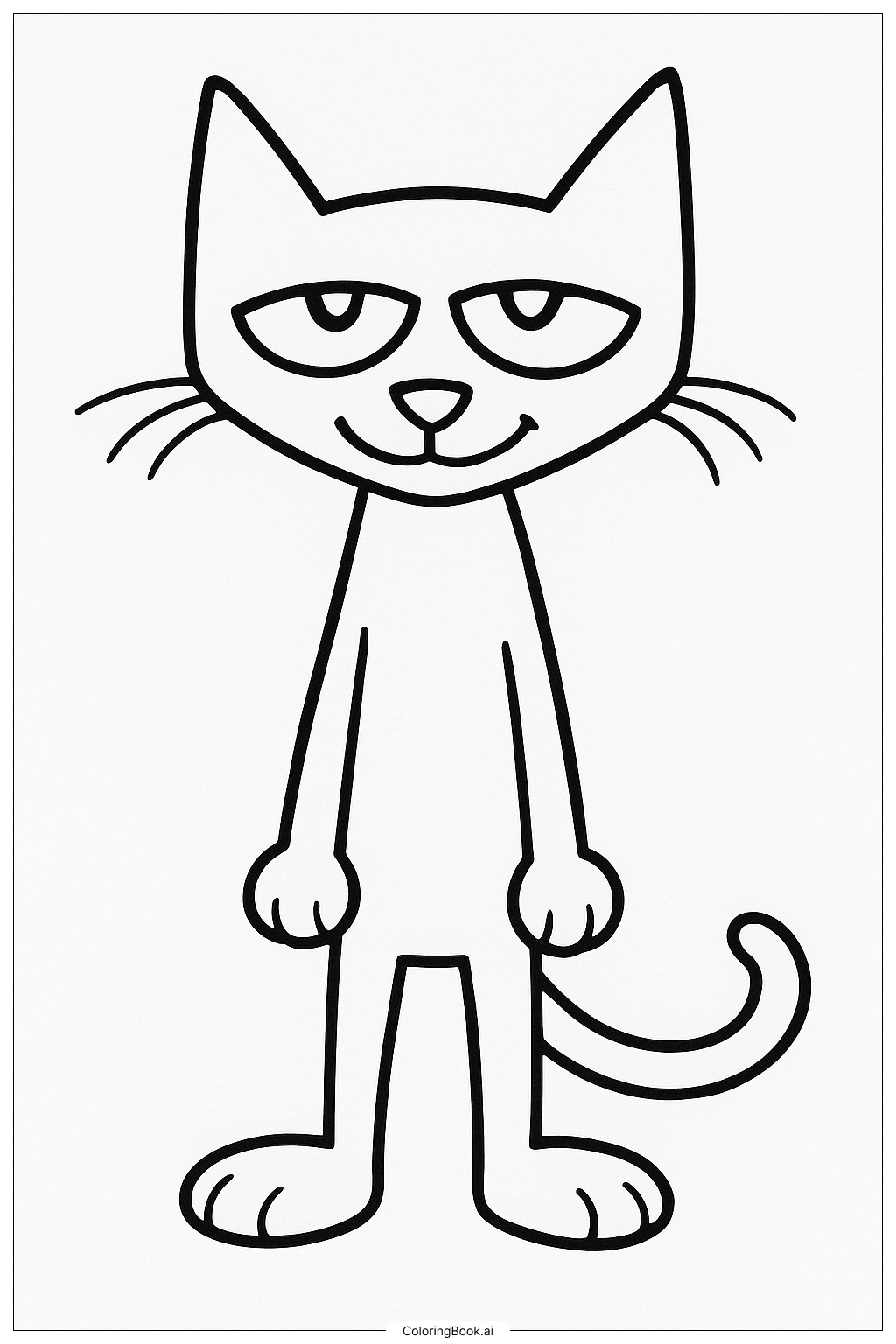
Coloring tips: How to color A Simple Portrait Of Pete The Cat coloring page well?
Start by coloring Pete's body with a solid, deep blue color, since Pete the Cat is famously blue. Use a medium or dark blue crayon, marker, or colored pencil to fill in his fur evenly. For his large eyes, color the irises a bright yellow or golden color, and leave a small white circle to show a light reflection. Use black or dark brown for his pupils. His mouth and nose can be colored with a soft pink or light red. If Pete is wearing his signature white shoes, color them white and add a little gray for shading. The background can be left plain or filled with a cheerful color like light yellow, sky blue, or soft green to make Pete stand out. Try using bold, flat colors first, then add gentle shading on the edges of his body to give him a little depth. Keep it fun and bright — Pete is always happy and cool!
Coloring challenges: Which parts are difficult to color and need attention for A Simple Portrait Of Pete The Cat coloring page?
• Body Color Consistency: Pete the Cat's entire body is one solid blue color. Keeping this large area even and smooth without streaks or uneven patches can be tricky, especially for younger colorists. Take your time and use long, steady strokes in the same direction to keep the color looking neat and uniform.
• Eye Details: Pete's eyes are one of the most expressive parts of his face. They have multiple small sections — the white area, the colored iris, the dark pupil, and the highlight dot. Coloring each part carefully without going outside the lines requires a steady hand and a sharp pencil or fine-tip marker. Rushing this part can make the eyes look messy or off-balance.
• Facial Feature Precision: Pete has a simple but specific face, including his nose, mouth, and whiskers. These features are small and close together. Staying inside the tiny outlines without smudging nearby areas takes patience and a fine coloring tool.
• Contrast Between Features: Since Pete's body is dark blue, the lighter colors used for his eyes, nose, and mouth need to be bright enough to stand out clearly. Choosing colors with enough contrast is a small but important challenge. Light yellow, white, and pink work well, but softer or darker shades might blend in too much.
• Clean Outline Edges: The bold outlines of Pete's portrait look best when the color stays just inside the lines. Coloring right up to the edge without crossing over requires control and concentration, which can be a good exercise in fine motor skills for younger children.
Benefits of coloring books: Advantages of drawing A Simple Portrait Of Pete The Cat coloring page
Coloring this portrait of Pete the Cat offers many wonderful benefits for children and fans of all ages. Pete is a character known for his positive attitude and easygoing nature, and spending time coloring his image can bring a sense of calm and joy.
For young children, coloring Pete's simple, bold outline helps develop fine motor skills and hand-eye coordination. Staying inside the lines and choosing colors builds focus and patience. These are key skills that support early learning and school readiness.
Coloring also encourages creativity. Children can follow Pete's classic blue look or invent their own version with any colors they choose. There is no wrong answer, which builds confidence and a love for creative expression.
For older kids and adults, this activity offers a relaxing break from screens and daily stress. It allows the mind to slow down and enjoy a quiet, mindful moment. The simple design makes it easy to pick up and put down without feeling overwhelmed.
Sharing the finished coloring page with family and friends can spark conversations about Pete the Cat's stories, values like kindness and resilience, and the importance of staying cool even when things go wrong. It is a small but meaningful creative experience for everyone.