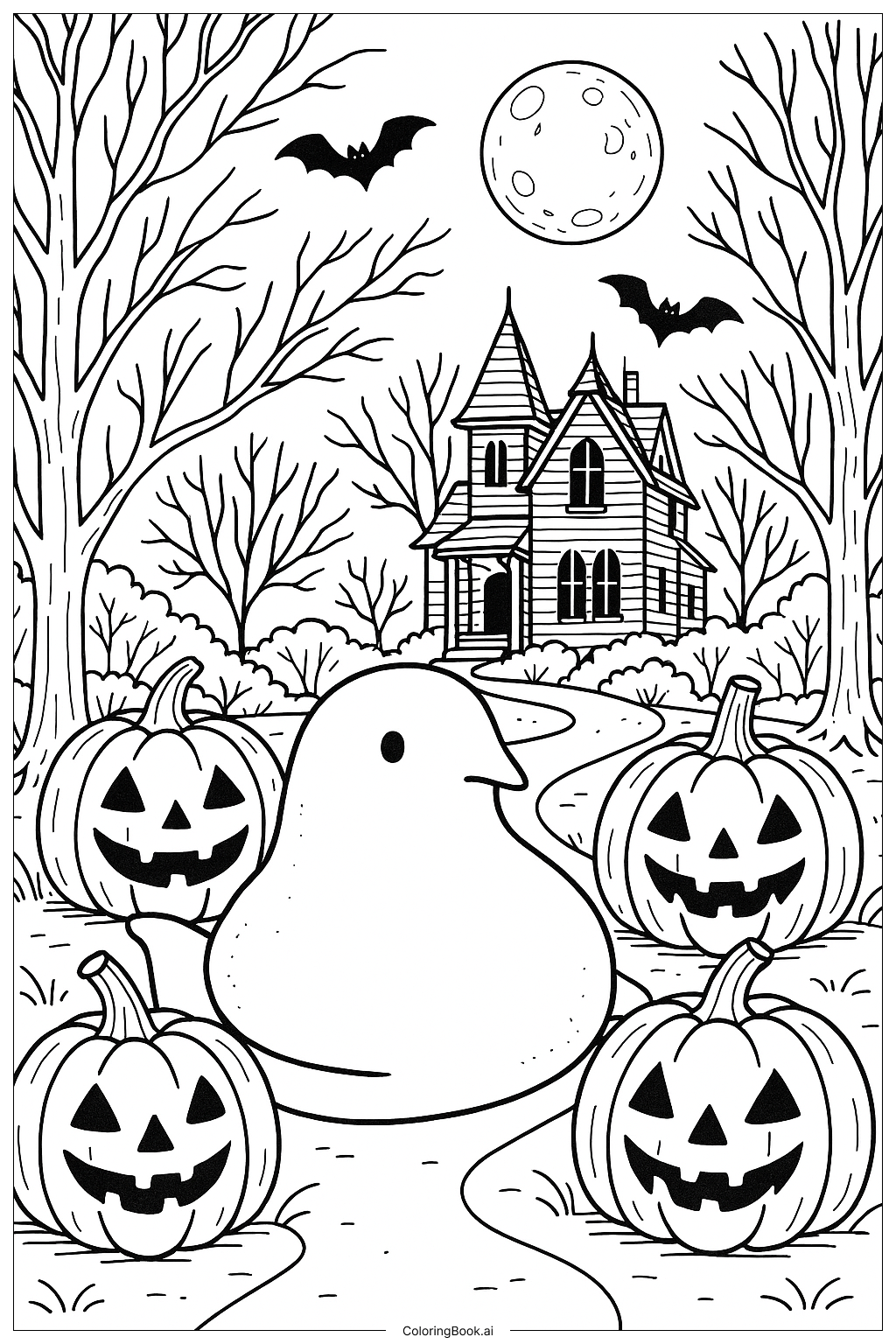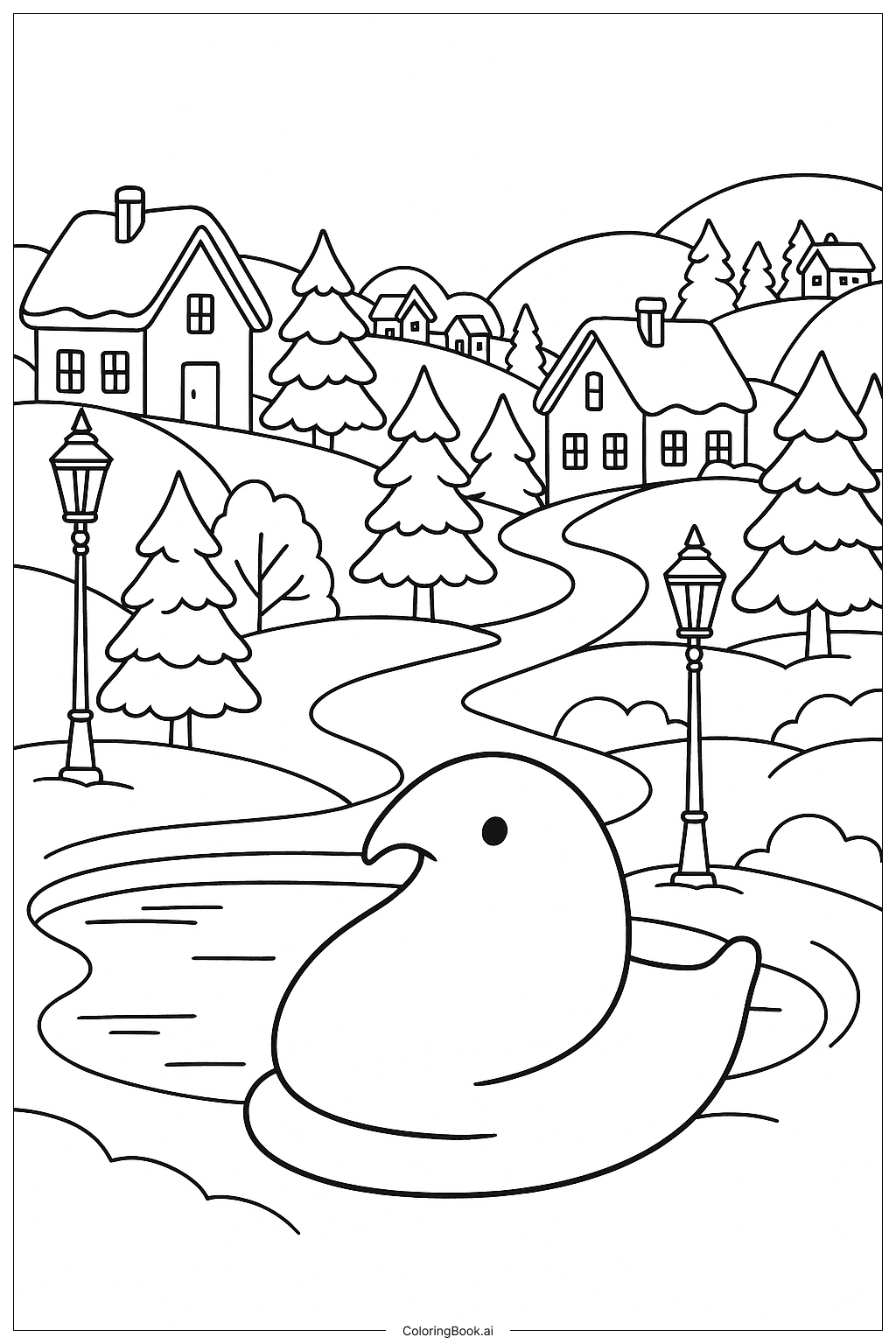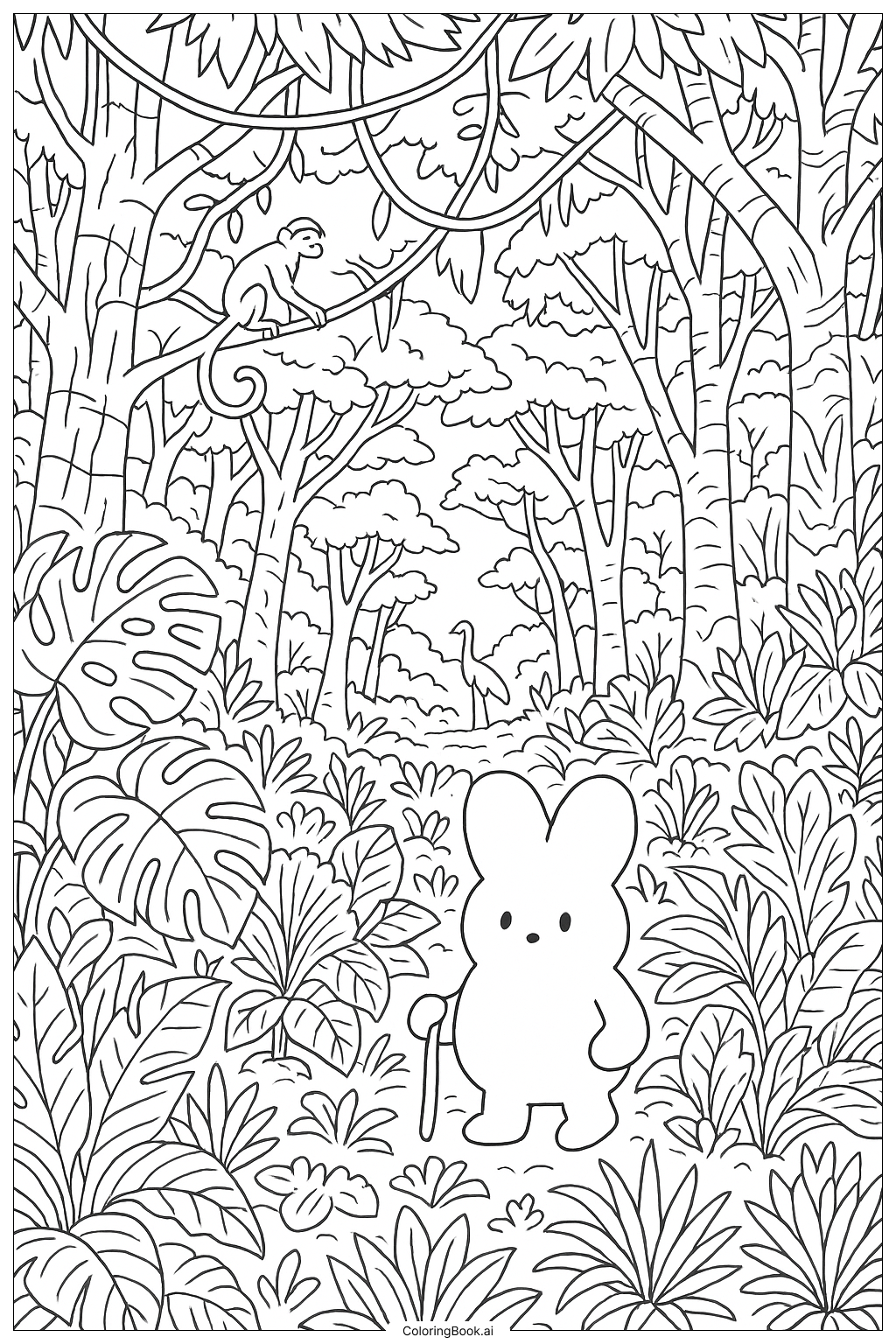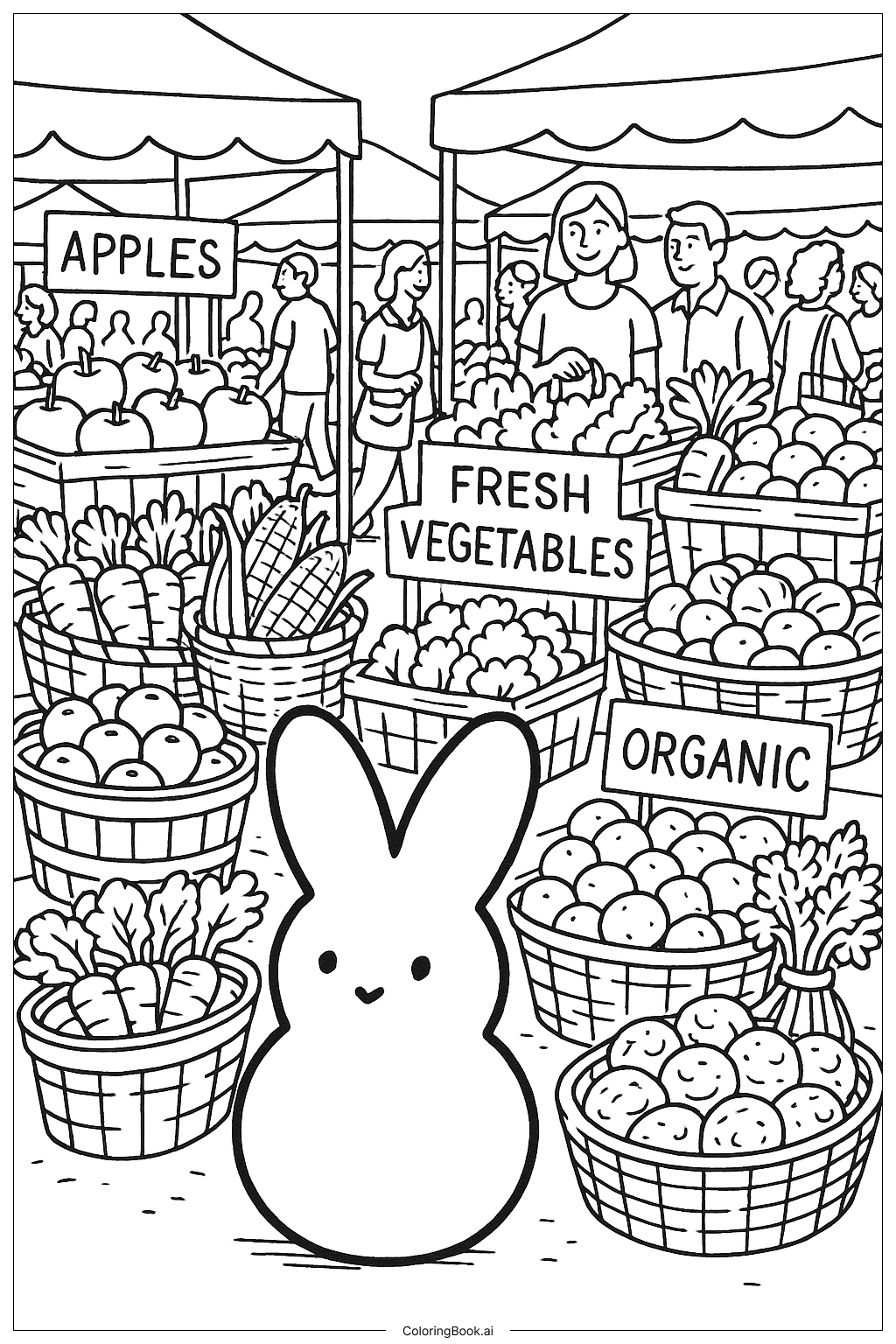
Coloring tips: How to color Peep Picnic coloring page well?
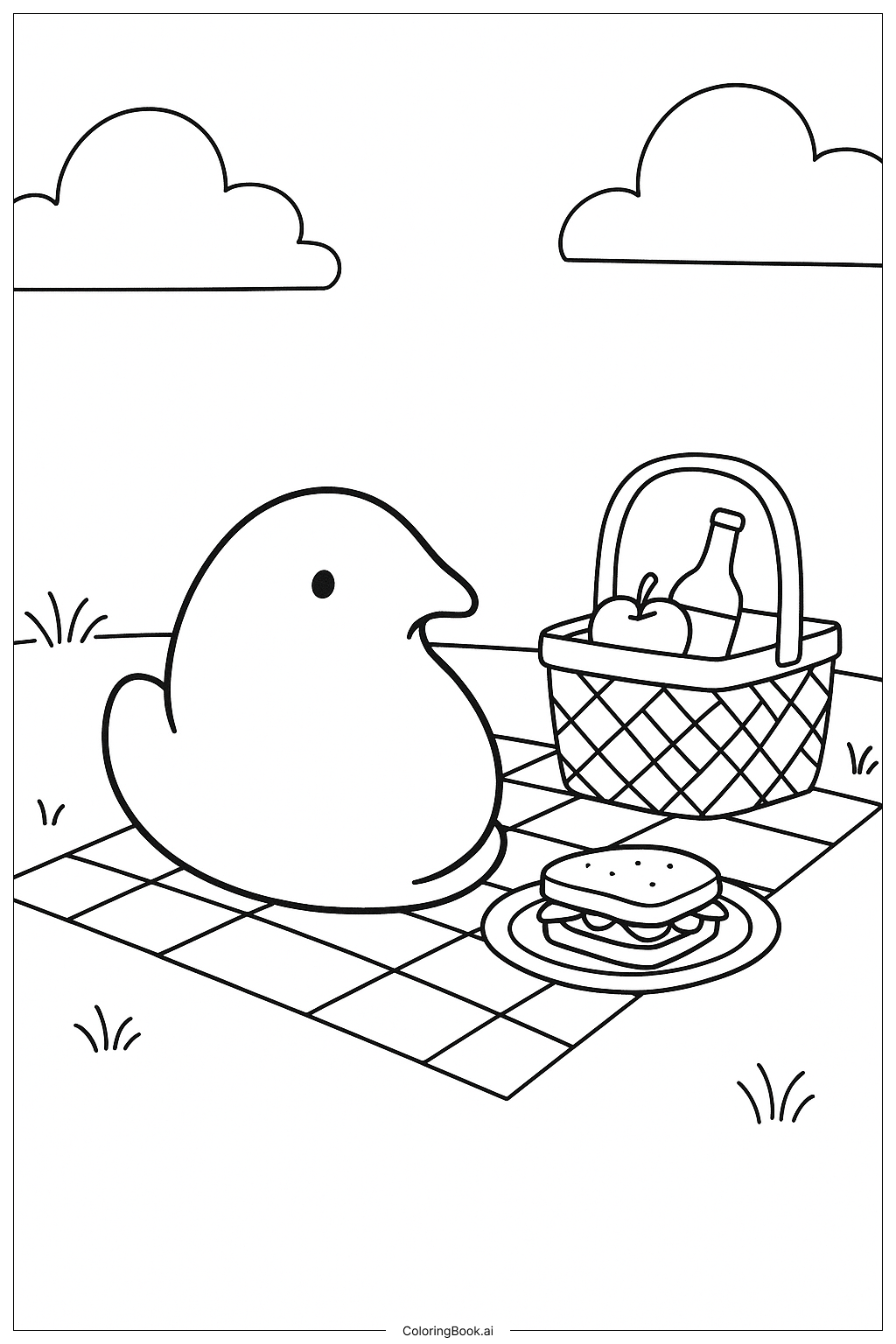
To bring this Peep Picnic to life, try using bright and cheerful colors. Color the Peep characters in soft pastels like yellow, pink, and light blue to highlight their cute features. Use green shades for the grass and trees to create a fresh outdoor vibe. For the picnic blanket, pick a pattern with bold reds, blues, or yellows to make it pop. Fruit like apples and grapes can be colored red, purple, or green. You can add soft shadows with light gray or lavender to make the objects appear more 3D. Keep the sky blue and the picnic items colorful to create a fun and inviting scene. Use your favorite crayons or markers and don’t be afraid to mix colors for more depth.
Coloring challenges: Which parts are difficult to color and need attention for Peep Picnic coloring page?
• Small Details: Some objects like the fruit basket, cupcake decorations, and sandwich layers have tiny details that require careful coloring within narrow spaces. This may challenge young children working on fine motor skills.
• Overlapping Shapes: The Peep characters and picnic items partly overlap, which can make coloring edges tricky to avoid mixing colors unintentionally.
• Shading and Depth: To make the scene look lively, adding light shadows requires a subtle touch. Learning how to blend colors or use lighter and darker shades may be hard for beginners.
• Consistent Coloring: Coloring the round shapes of the Peeps evenly without streaks or white gaps can be a challenge, especially for younger kids.
• Balancing Color Choices: Choosing colors that look good together and maintaining harmony through the whole picnic scene can be somewhat difficult, especially given the variety of objects present.
Benefits of coloring books: Advantages of drawing Peep Picnic coloring page
Coloring this Peep Picnic offers many benefits for children. It helps improve hand-eye coordination and fine motor skills through careful coloring of small shapes and overlapping objects. It encourages creativity as kids choose colors and experiment with shading and blending to make the scene lively. The joyful theme promotes positive emotions and imaginative play by visually representing friendship and outdoor fun. Coloring such a friendly scene also helps develop focus and patience, as children work to color all details fully and neatly. Overall, the activity supports both artistic development and emotional well-being in an enjoyable way.